
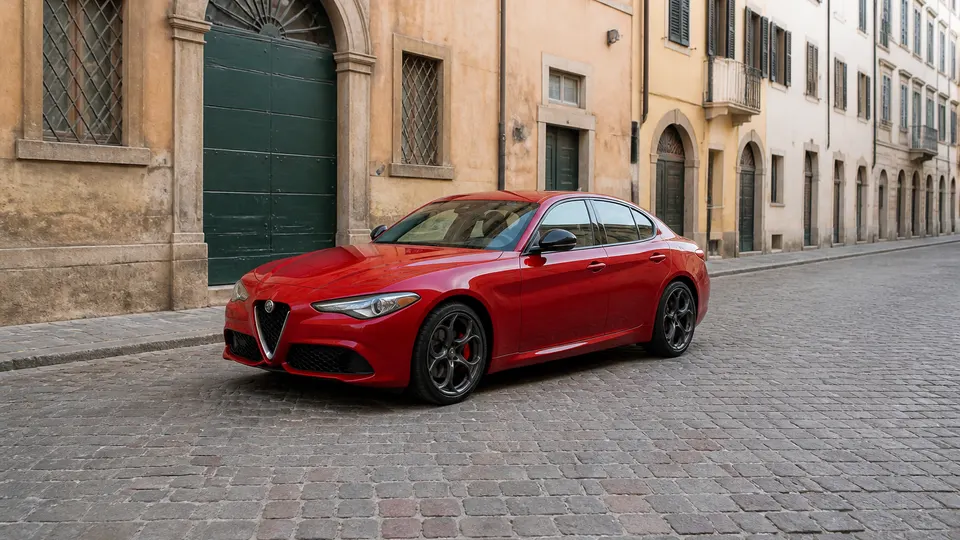
The Alfa Romeo Giulia is one of the most engaging luxury sport sedans you can buy used, competing squarely with the BMW 3 Series and Mercedes-Benz C-Class on driving dynamics and style. Owning one can be a mixed experience, though - some model years shine on reliability while others have left owners frustrated by unexpected issues. The good news is that the problem years are well-documented: avoid the 2017-2019 launch window, land on a 2020 or newer, and you'll get most of the Giulia's appeal with far fewer headaches. This guide draws on NHTSA complaint data, CarComplaints PainRank, Consumer Reports recall records, and owner-forum reports to show you exactly which years to skip and which to seek out.
For generations, engines, and ownership notes in one place, see the Alfa Romeo Giulia hub.
Related: Alfa Romeo Stelvio years to avoid, BMW 3 Series years to avoid.
At a glance
- Worst years
- 2017
- 2018
- 2019
- Best years
- 2020
- 2021
- 2022
- 2023
- Top failure
- Fuel pump failure - 2017-2019 (NHTSA recall 25V-586, all trims including Quadrifoglio)
- Always do before buying
- Run the VIN through NHTSA's recall checker to confirm every open recall is closed, and on 2017-2019 cars specifically, verify the fuel pump recall (25V-586) and airbag sensor recall (24V-510) have been remedied
Recalls by year
How we rated the best and worst Alfa Romeo Giulia years
The first generation (2017 - present, 952-series) has a clear reliability divide: 2017-2019 cars carry the most complaints, the most recalls, and the highest repair costs, while 2020-and-later cars show markedly better scores across every data source. Our years-to-avoid methodology draws on NHTSA’s complaint and recall database, CarComplaints.com PainRank (which ranks a “worst year” by repair cost and mileage-at-failure rather than raw complaint volume), Consumer Reports recall tallies, owner-forum reports at GiuliaForums.com, J.D. Power dependability scores, and RepairPal cost data. It’s worth noting that CarComplaints and NHTSA measure different things: although the 2017 Alfa Romeo Giulia has the most overall complaints on CarComplaints, the site rates the 2018 model year as worse because of factors such as higher repair cost or more problems at lower mileage. NHTSA’s raw complaint volume, by contrast, peaks on the 2017 model year.
| Alfa Romeo Giulia Generation | Best Alfa Romeo Giulia Years | Worst Alfa Romeo Giulia Years |
|---|---|---|
| 952-generation (2017 - present) | 2020, 2021, 2022, 2023 | 2017, 2018, 2019 |
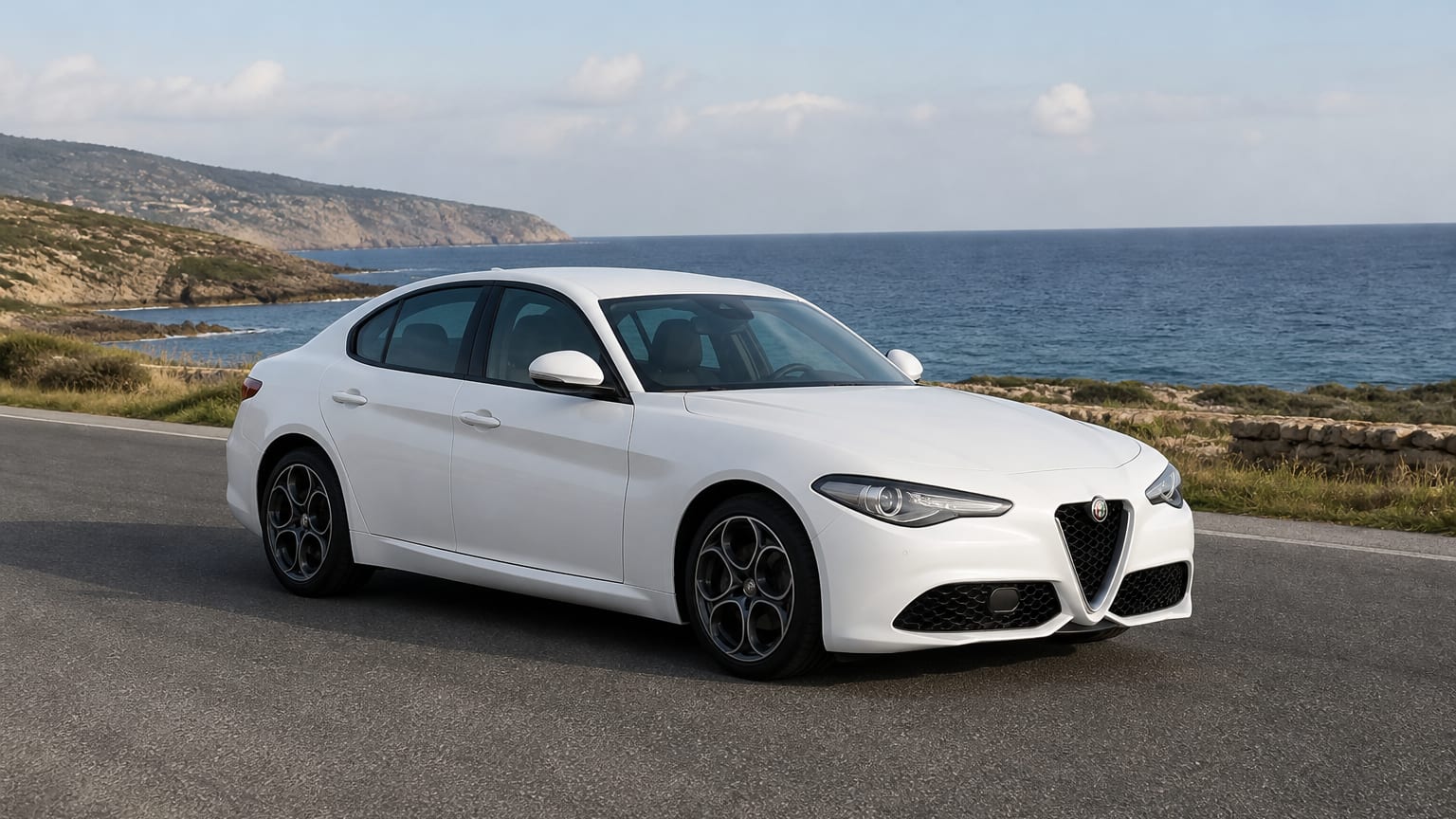
Every Alfa Romeo Giulia model year ranked
The modern Giulia arrived for the 2017 model year; every used car you’ll realistically shop is from this single 952-generation. The classic Giulia nameplate covers vintage 1962-1978 Alfa Romeo models - a separate collector market assessed differently - and is not ranked below.
| Model Year | Generation | Verdict | Notes |
|---|---|---|---|
| 2017 | 952-gen | Avoid | Highest NHTSA complaint volume; 7 recalls |
| 2018 | 952-gen | Avoid | Worst CarComplaints PainRank; 9 recalls |
| 2019 | 952-gen | Avoid | Fuel pump & brake pedal recalls; 3 recalls |
| 2020 | 952-gen | Best | Software fixes applied; fewer complaints |
| 2021 | 952-gen | Best | Improved electrical; low complaint count |
| 2022 | 952-gen | Best | Low NHTSA complaint count |
| 2023 | 952-gen | Best | Fewer reported issues vs. early years |
| 2024 | 952-gen | OK/Mixed | 81/100 J.D. Power; wiring harness recall |
Most common Alfa Romeo Giulia problems
The single most notorious Alfa Romeo Giulia failure is the low-pressure fuel pump - a heat-sensitive defect that can stall the car at speed and eventually triggered a federal recall covering nearly 29,500 Giulia units. Beyond the fuel pump, the 2017-2019 cars pile up electrical faults, brake system issues, catalytic converter overheating, and an airbag sensor recall spanning almost the entire production run.
1. Fuel pump failure (2017-2019)
NHTSA campaign number 25V-586 covers 2017-2019 Alfa Romeo Giulia and 2018-2019 Alfa Romeo Stelvio vehicles for a fuel system defect: the fuel pump may fail, resulting in loss of fuel flow and loss of drive power. Alfa Romeo says the issue stems from fuel delivery modules whose internal parts are prone to heat-related wear; when those parts fail, the pump can restrict fuel flow, starving the engine and potentially shutting the car down at speed.
The most common symptoms are sudden loss of power, engine stall with no restart, and OBD-II codes P008A or P0087 for low fuel pressure. The defect affects 29,467 Giulia models built between September 2016 and June 2019, as well as 24,382 Stelvio SUVs. Stellantis has logged 437 complaints, noted five crashes, and three injuries linked to the defect.
Alfa Romeo released a TSB describing this exact fuel pump issue back in 2018, with instructions to replace the pump and module if a customer came in with the described symptoms. That TSB is identified by owners and forum members as bulletin #18-001-18 for 2017-2018 Giulia models. As of the recall’s initiation in late 2025, the remedy was still under development, with interim notification letters expected to be mailed to owners in October 2025. Before buying any 2017-2019 Giulia, confirm this recall is remedied on that specific VIN.
2. Electrical system faults and battery drain (2017-2019)
Perhaps the most notorious of the Alfa Romeo Giulia’s common problems involves the electrical system, with a series of common faults in the wiring and assembly that cause a host of problems for owners. The most common issue with the Giulia is battery-related, though most early glitches were addressed with software updates.
Electrical issues are a common pain point for 2017 Giulia owners; one complainant reported the car randomly dying and refusing to start, happening during drives when the start/stop function is in use or simply when trying to turn the car on. Infotainment and software are among the most frequently reported Giulia issues, with the Uconnect system experiencing occasional freezing, Bluetooth pairing problems, and navigation inconsistencies. Most infotainment complaints resolve with a dealer software update rather than a hardware replacement. On a 2017-2018 car you’re buying used, ask the selling dealer to confirm all pending software updates have been applied - a battery discharge warning light on the dash often traces back to an out-of-date control module rather than a dead cell.
3. Catalytic converter overheating and engine misfire (2017-2018)
Alfa Romeo recalled 34,359 of its 2017-2018 Giulia sedans and 2018 Stelvio SUVs because their catalytic converters may overheat, which could cause the vehicles to stall or even catch fire. If the overheating occurs, drivers may notice an illuminated check-engine light, temporary engine power loss, or a burning smell; an Alfa Romeo spokesperson told Consumer Reports the issue is caused by an engine misfire.
Chrysler recalled certain 2017-2018 Alfa Romeo Giulia vehicles equipped with 2.0L engines for engines that may misfire, causing the catalytic converter to overheat and possibly resulting in damage to nearby wiring and engine components. High-performance Quadrifoglio models are not affected by this specific recall. The fix is an engine-control software update at no charge, and fewer than 1 percent of recalled vehicles needed a new catalytic converter. If you’re buying a 2017-2018 Giulia with the 2.0L four-cylinder, verify this campaign was completed before purchase.
4. Brake system defects (2017-2019)
The Giulia’s 2017-2019 window accumulated several separate brake-related recalls. NHTSA recall 18V-828 covers certain 2017-2018 Alfa Romeo Giulia vehicles equipped with GME 280HP engines and all-wheel drive: the brake fluid line may contact a coolant hose clamp, possibly causing brake fluid to leak onto the exhaust, increasing the risk of a fire. That recall was initiated January 10, 2019, and the fix involves a bracket installation at no charge to owners.
A separate recall covers certain 2019-2020 Alfa Romeo Giulia and Stelvio vehicles: the fastener connecting the brake pedal to the brake booster may have been improperly assembled, which can cause the brake pedal to detach from the brake booster. A detached brake pedal is among the more serious defects in the Giulia’s recall history. Confirm both campaigns are closed on any 2017-2020 car you consider. On a test drive, any brake pedal that goes unusually far to the floor is a reason to walk away immediately.
5. Airbag sensor and seatbelt buckle recall (2017-2024)
Some 2017-2024 Alfa Romeo Giulia vehicles may have been built with a suspect connector on the buckle switch hall effect sensor; the suspect period began September 2, 2016, and ended June 20, 2024. A seat belt buckle switch sensor may be improperly connected, preventing the front seat airbag from deploying as intended.
This recall - NHTSA 24V-510, FCA recall number 82B - covers nearly the entire US production run of the modern Giulia. Dealers will repair the connection free of charge; owner notification letters were mailed beginning August 27, 2024. Because this campaign spans 2017-2024 model years, it applies to “best” years too. Always run the VIN through NHTSA’s lookup tool to confirm this specific recall is closed before handing over a deposit on any year Giulia.
Which Alfa Romeo Giulia years should you avoid?
The Alfa Romeo Giulia years to avoid are 2017, 2018, and 2019. Although the 2017 Giulia has the most overall complaints in CarComplaints’ database, CarComplaints rates the 2018 model year as worse due to higher repair costs and more problems appearing at lower mileage. On NHTSA’s raw complaint volume, the 2017 leads: NHTSA recorded 40 complaints and four recalls for the 2017 Giulia, while the 2018 Alfa Romeo Giulia has been recalled 9 times by NHTSA - the highest recall count of any single Giulia year.
| Alfa Romeo Giulia Generation | Model Years | Verdict | Main Issues |
|---|---|---|---|
| 952-generation (avoid years) | 2017, 2018, 2019 | Worst | Fuel pump stall, electrical faults, multiple brake recalls |
| 2017, 2018, 2019 | 2020, 2021, 2022, 2023 | Best | Software-corrected, lower complaint count |
| 2017, 2018, 2019 | 2024 | Mixed | Wiring harness recall; J.D. Power 81/100 |
Worst Alfa Romeo Giulia years: 2017, 2018, 2019
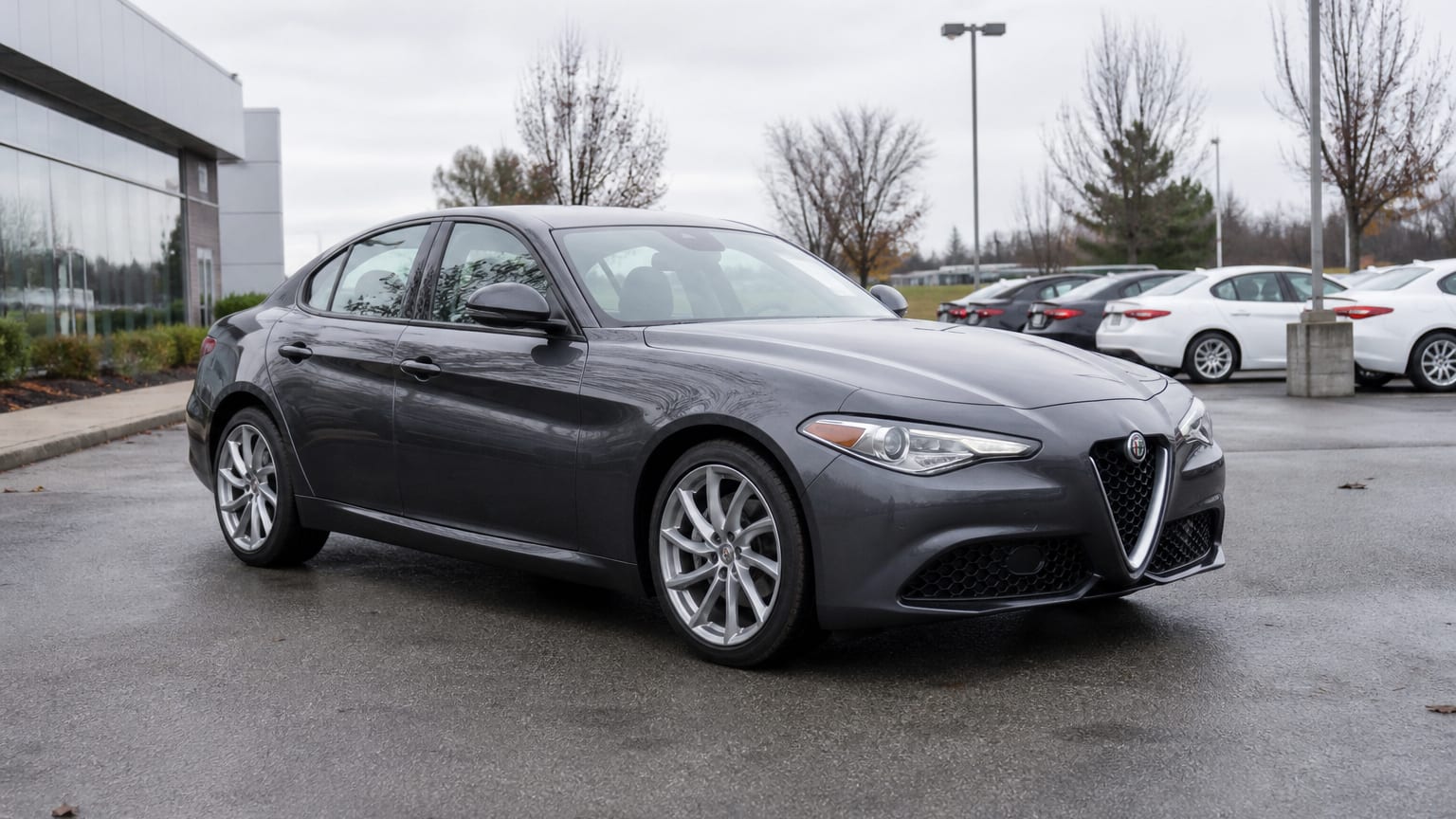
First-generation 952 Alfa Romeo Giulia, worst years (2017-2019)
The 2017, 2018, and 2019 model years have received the most complaints regarding reliability issues compared to the newer ones that followed. The 2017 was the Giulia’s US launch year, and first-production cars carried the heaviest electrical and fuel-system complaints. The 2018 Giulia experiences widespread reliability issues including electrical faults and brake problems; infotainment system failures required multiple dealer visits, and a brake fluid line defect created a fire risk on AWD models.
The 2019 is slightly cleaner than 2017 or 2018 but still falls inside the problematic build window for the fuel pump recall (25V-586). Over at the NHTSA website, the 2019 Giulia has collected 12 complaints and three recalls. That’s meaningfully lower than 2017 or 2018, but the fuel pump and brake pedal fastener defects are unresolved on many cars, so you should treat the 2019 with the same pre-purchase caution as earlier years.
What are the best Alfa Romeo Giulia years to buy?
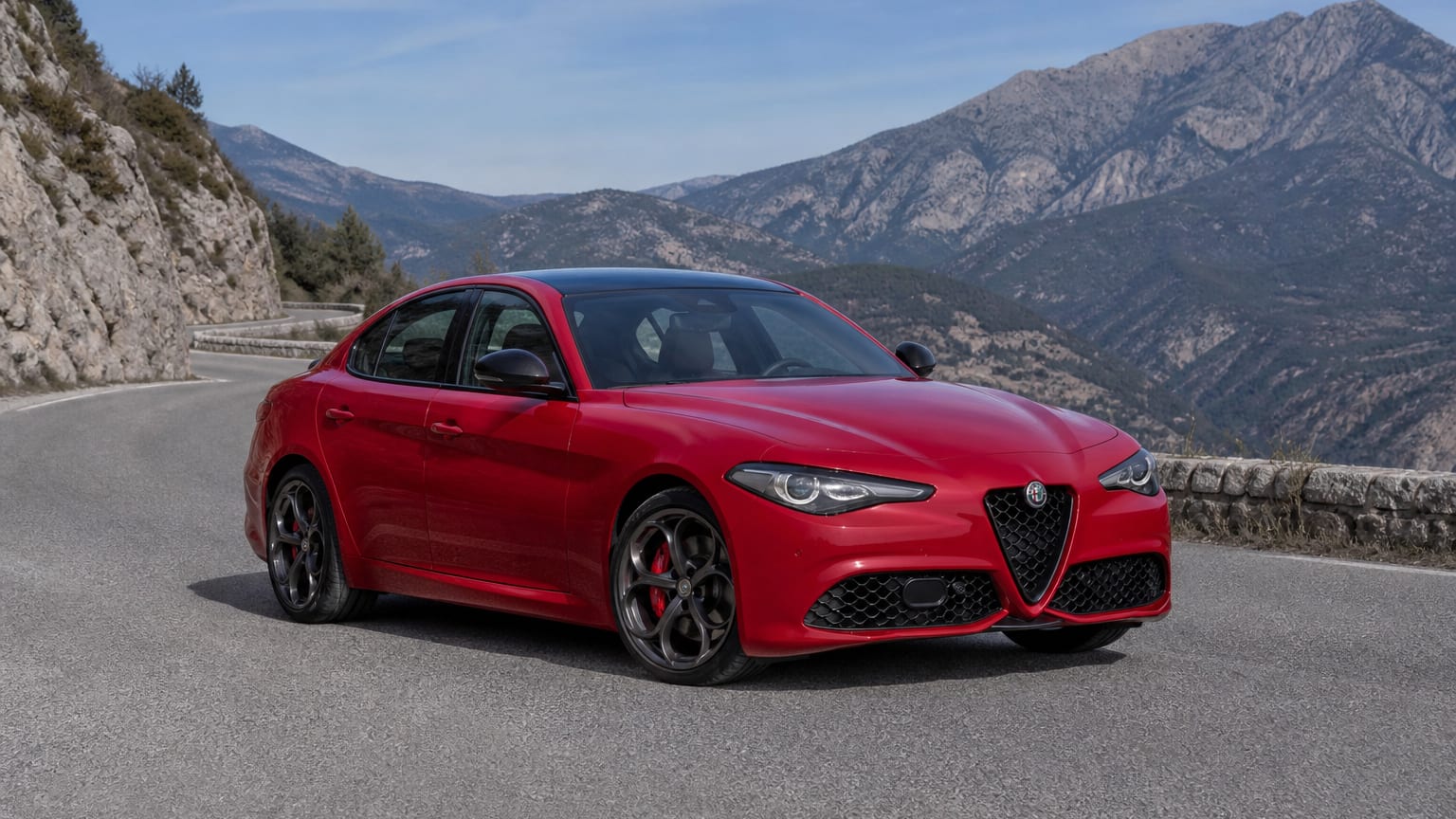
The best Alfa Romeo Giulia years to buy are 2020, 2021, 2022, and 2023. The 2020 model year represents a turning point for Giulia reliability: software updates resolved many electrical gremlins that plagued earlier models, and owners report significantly fewer dashboard warning lights and electrical faults compared to 2017-2019 models.
| Best Alfa Romeo Giulia Year | Why It's a Strong Buy |
|---|---|
| 2020 | Software fixes applied factory-side; fuel system updates |
| 2021 | Builds on 2020 improvements; low NHTSA complaint count |
| 2022 | Low NHTSA complaint volume; outside fuel pump recall window |
| 2023 | Fewer reported issues; improved build quality vs. early years |
Most reliable Alfa Romeo Giulia years: 2020, 2021, 2022, 2023
2020 Alfa Romeo Giulia
The 2020 model year represents a turning point for reliability; software updates resolved many electrical gremlins that plagued earlier models, and the addition of touchscreen functionality improved the infotainment experience. The 2020 also sits outside the worst of the fuel pump failure window - recall 25V-586 covers Giulia units built up to June 2019, so a 2020 model is not included. That alone removes the biggest single defect from your risk profile.
2021-2022 Alfa Romeo Giulia
Building on the 2020 improvements, the 2021 Giulia shows strong dependability ratings; this year benefits from all previous software updates being applied at the factory, reducing the need for post-purchase dealer visits. The 2022 carries a similarly low NHTSA complaint load. J.D. Power gives newer models better scores, and the most common issues in 2020-and-later cars are minor electrical glitches and occasional infotainment system problems - the kind resolved at a routine service appointment rather than an unplanned tow.
Alfa Romeo Giulia submodel years to avoid
The Giulia lineup includes the standard 2.0T four-cylinder and the high-performance Quadrifoglio. Each is assessed on its own complaint and recall record below.
Alfa Romeo Giulia Quadrifoglio years to avoid
The Alfa Romeo Giulia Quadrifoglio has been produced from 2017 to the present and features a twin-turbo 2.9-liter V6 engine, rear-wheel drive, and a focus on driving dynamics. The powertrain difference from the standard car matters for reliability: the 2.9L V6 uses a separate fuel delivery module from the 2.0L four-cylinder, and both are covered under the fuel pump recall (25V-586). The fuel pump recall (FCA number 93C) affects 2017-2019 Quadrifoglio models, and this specific pump only fits the 2.9L V6 - it is not interchangeable with the 2.0L engine version.
The worst years for the Alfa Romeo Giulia Quadrifoglio are 2017, 2018, and 2019; the 2017 is notorious for electrical gremlins, engine misfires, anti-lock brake failure, and fuel leaks. The 2019 Quadrifoglio alone accumulated 24 NHTSA complaints, with the most frequently reported problem areas being fuel system, engine, and safety systems. That’s a notably high figure for a low-volume performance trim.
The best years for the Alfa Romeo Giulia Quadrifoglio are 2020 and later. The 2020 model year features an updated fuel system with double the number of injectors, which helps prevent carbon build-up and engine misfires, and owners and critics report fewer reliability issues and improved performance. If your budget reaches a 2020+ Quadrifoglio, it sits outside the fuel pump recall window and benefits from the same electrical software corrections that improved the standard Giulia. Pre-purchase checks specific to the Quadrifoglio:
- Confirm recall 25V-586 is closed on the VIN (2017-2019 units only)
- Confirm recall 24V-510 (airbag sensor) is closed - it covers all Giulia years through 2024
- Request a compression test and oil analysis on any high-mileage V6
- Verify the adaptive cruise control software (recall 19V-148) has been updated on 2017-2019 cars
Alfa Romeo Giulia pre-purchase checklist
Before committing to any used Giulia, work through this model-specific list before you sign anything.
- Run the VIN through NHTSA’s recall checker at nhtsa.gov/recalls - the Giulia has accumulated multiple open campaigns, and recall status varies by VIN.
- Verify recall 25V-586 is closed (2017-2019 only) - this NHTSA campaign covers 2017-2019 Giulia models for a fuel pump that may fail, resulting in loss of fuel flow and loss of drive power; as of late 2025, the remedy was still under development, so confirm the dealer has completed it.
- Verify recall 24V-510 is closed (2017-2024) - this covers certain 2017-2024 Giulia vehicles for a seat belt buckle switch sensor that may be improperly connected, preventing the front seat airbag from deploying as intended.
- On 2017-2018 AWD models, confirm recall 18V-828 is done - the brake fluid line may contact a coolant hose clamp, causing brake fluid to leak onto the exhaust and increasing the risk of a fire.
- Check the infotainment and electrical system on a cold start - on 2017-2019 cars, look for unexpected warning lights, a screen that won’t boot, or a no-crank condition. These are the symptoms that drove the most complaints on the early Giulia.
- Ask for all software update records - the most common Giulia issues are battery-related, and most early glitches have been addressed with software updates; a car with no update history may still have addressable electrical faults waiting.
- Request full service records and an independent pre-purchase inspection - the Giulia’s 4-year/50,000-mile factory warranty will have expired on all 2017-2020 cars; the Giulia is expected to incur more than double the repair costs of a Lexus IS in the first five years (roughly $2,400 versus $1,100), so knowing the car’s maintenance history matters more than on a Japanese competitor.
- On 2019-2020 cars, confirm the brake pedal fastener recall is done - the fastener connecting the brake pedal to the brake booster may have been improperly assembled, potentially causing the brake pedal to detach.
Better alternatives to consider
If the Giulia years in your budget land on the 2017-2019 avoid list, these same-class alternatives are worth a look:
- Audi A3 - a compact luxury sedan with a longer US reliability track record and lower ownership costs than the early Giulia
- Audi A5 - offers a similar sporty-sedan profile with better dealer network coverage across the US
- Genesis G70 - the closest Korean rival to the Giulia in price, performance, and segment, with stronger reliability ratings in its generation and a longer factory warranty
- BMW 3 Series - the benchmark sport sedan the Giulia was designed to beat; 2019-and-later G20-generation cars offer a more mature electrical architecture than the Giulia’s launch years
- The Audi A4 is another well-rounded German sport sedan worth cross-shopping, particularly if you want a wider dealer network and historically stronger reliability data than the early Giulia offers.
- Buyers who prefer American rear-wheel-drive character should also weigh the Cadillac CTS, a sport sedan that pairs V6 or V8 power with a more established domestic dealer network.
Is the Alfa Romeo Giulia worth buying?
Yes, the Alfa Romeo Giulia is worth buying - provided you stick to 2020 and later and confirm all open recalls are closed on your specific VIN. The Giulia scores quite highly on reliability in recent years, earning an 81 out of 100 from J.D. Power for the 2024 model, and CarEdge data shows the Giulia costs owners about $7,259 for maintenance and repairs over its first ten years, coming in roughly $2,531 below the industry average for luxury sedans. That cost advantage over the BMW 3 Series and Mercedes C-Class makes a well-chosen used Giulia a genuinely competitive buy. Stick to the 2020-2023 sweet spot, run the VIN through NHTSA’s recall database, and verify the car’s maintenance history with an independent mechanic before you buy.