
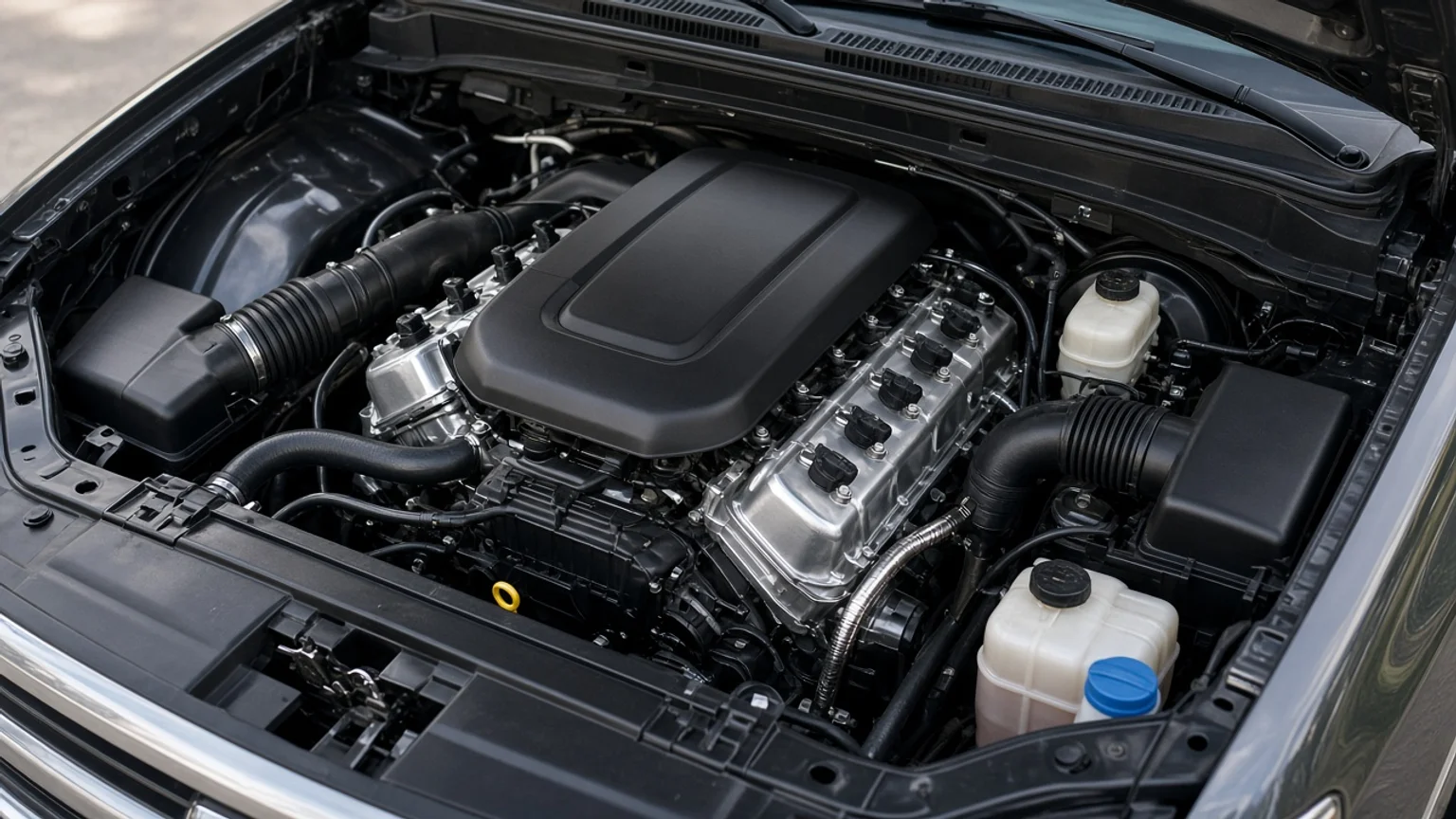
The GM 5.3 V8 years to avoid are 2019-2021, 2015 and 2007-2008. Complaints about collapsed lifters and the AFM or DFM cylinder deactivation system are the biggest problem in our NHTSA data (accessed October 27, 2026), and they peak on the 2021 model year with 55 of 64 engine complaints. The 2024 model year also needs care: GM ran an engine replacement program for contamination in some 2024 5.3 engine blocks. This guide covers the Gen IV 5.3 (2007-2013) and the Gen V EcoTec3 5.3 (2014 onward) in GM's half-ton trucks and SUVs.
Related: Chevrolet Silverado years to avoid, GMC Sierra years to avoid, Chevrolet Tahoe years to avoid, GMC Yukon years to avoid.
At a glance
- Worst years
- 2007
- 2008
- 2015
- 2019
- 2020
- 2021
- Best years
- 2011, 2012, 2016 (with the caveats below)
- Top failure
- lifter failure on cylinders used by AFM or DFM, often with a tick, misfire or camshaft damage
- Always do before buying
- run the VIN through NHTSA's recall checker, ask a GM dealer for open programs on the VIN, scan for misfire codes and listen for a tick at idle
How we rated the best and worst 5.3 years
The worst 5.3 years are 2019-2021, 2015 and 2007-2008. Because the 5.3 is an engine and not a vehicle, we built the counts ourselves from NHTSA’s raw data, vehicle by vehicle, and then read the complaints to see what owners were reporting.
- Complaints: we counted unique owner complaints in NHTSA’s complaint flat file (FLAT_CMPL, downloaded October 27, 2026) that are filed under an engine component (exhaust excluded) for the 2007-2025 Silverado 1500, Sierra 1500, Tahoe, Suburban, Yukon and Yukon XL and the 2007-2013 Avalanche. These trucks and SUVs were also sold with a 4.3 V6, a 6.2 V8 and other engines, so we only counted complaints whose text names the 5.3, or mentions AFM, DFM or cylinder deactivation without naming the 6.2 or 4.3. For the Avalanche we counted every engine complaint. That method finds lifter and AFM complaints more easily than other problems, so read the problem counts as a guide to what owners report, not as a full total.
- Recalls: we counted the NHTSA recall campaigns that name the 5.3L and cover an engine defect, using NHTSA’s recalls API (accessed October 27, 2026).
- Service bulletins: we read the GM bulletins, preliminary information (PIP) documents and programs filed with NHTSA in its TSB data files (downloaded October 27, 2026), with links to the PDFs on static.nhtsa.gov where NHTSA publishes one.
Many owners don’t say which V8 they have. Across all engine complaints on these GM trucks and SUVs, whatever the engine, lifter, AFM or DFM mentions number 257 on the 2019, 174 on the 2020 and 395 on the 2021. Of the 2021 complaints, 37 name the 5.3 and 60 name the 6.2; the rest don’t say. Newer model years have had less time on the road to collect complaints. Our years to avoid methodology explains how we weigh volume, severity and mileage at failure.
| 5.3 Generation | Best 5.3 Years | Worst 5.3 Years |
|---|---|---|
| Gen IV 5.3 (2007-2013) | 2011, 2012 | 2007, 2008 |
| Gen V EcoTec3 L83 (2014-2018) | 2016 | 2015 |
| Gen V EcoTec3 L84 with DFM (2019 onward in the Silverado and Sierra) | None stand out yet | 2019, 2020, 2021 |
Every 5.3 model year ranked
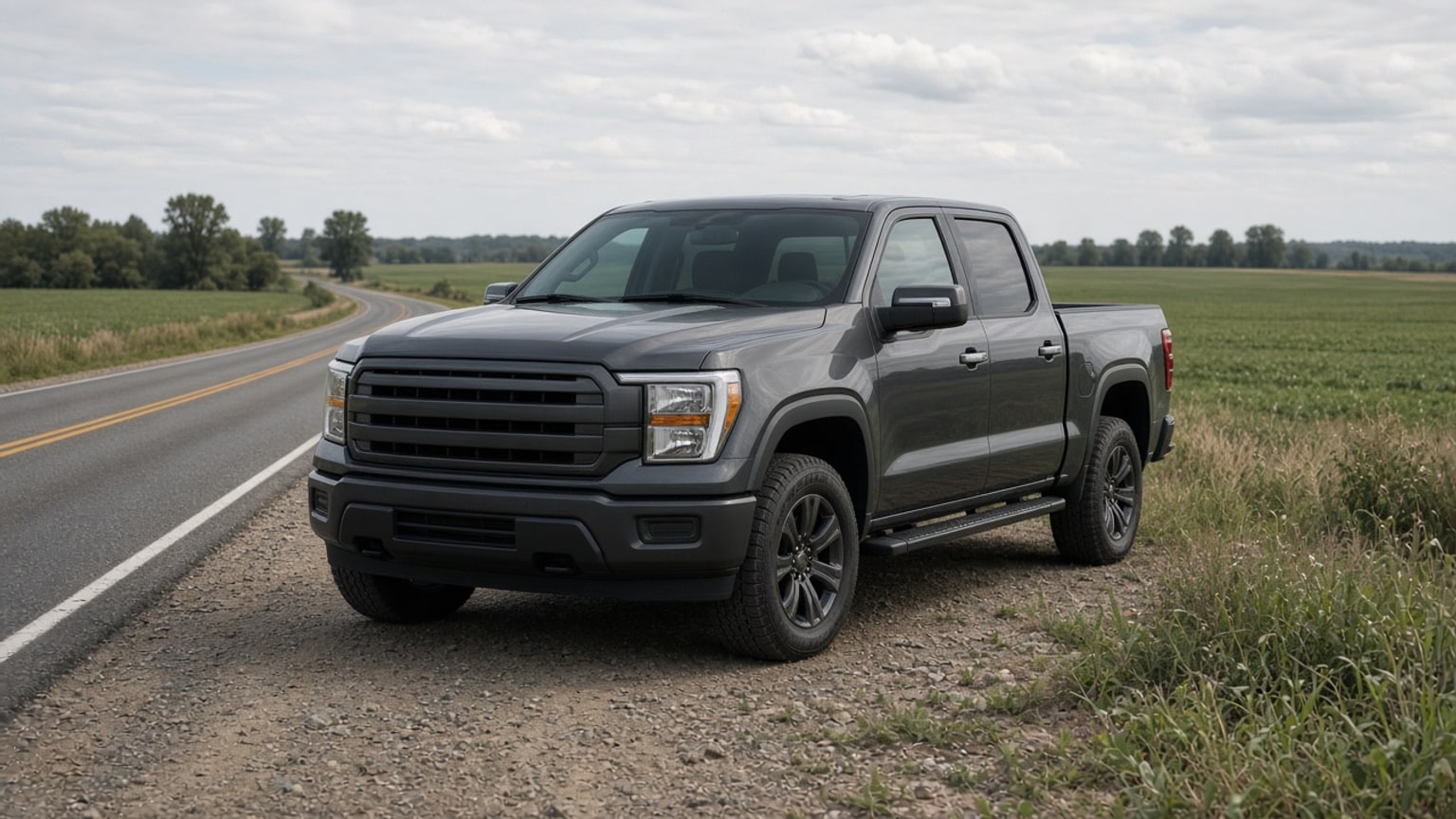
Complaint counts are 5.3 engine complaints from NHTSA’s complaint flat file, scoped as described above (downloaded October 27, 2026). Lifter and AFM/DFM counts are the complaints in that total whose text mentions a lifter, AFM, DFM or cylinder deactivation. Recall counts are the NHTSA engine recall campaigns that name the 5.3L for that model year (accessed October 27, 2026).
| Model Year | NHTSA 5.3 Engine Complaints | Lifter or AFM/DFM Mentions | Verdict | Notes |
|---|---|---|---|---|
| 2007 | 71 | 35 | Avoid | Most complaints of any year; GM bulletin 3908 for coolant loss and misfire; 13 oil consumption mentions |
| 2008 | 44 | 25 | Avoid | 18 oil consumption mentions, the most of any year |
| 2009 | 17 | 12 | OK/Mixed | Far fewer complaints |
| 2010 | 19 | 9 | OK/Mixed | Few complaints |
| 2011 | 18 | 4 | Best | Few complaints and few lifter mentions |
| 2012 | 9 | 2 | Best | Fewest complaints of the Gen IV years |
| 2013 | 23 | 14 | OK/Mixed | Last Gen IV year |
| 2014 | 16 | 13 | OK/Mixed | First EcoTec3 year; exhaust overheating recall 14V-007; misfire bulletin PIP5259 |
| 2015 | 44 | 38 | Avoid | Engines built without a valve stem oil seal (bulletin 15083); oil consumption bulletin PIP5382; recall 14V-007 on the Yukon |
| 2016 | 22 | 20 | Best | Fewest EcoTec3 complaints; fuel injector special coverage in some states |
| 2017 | 34 | 33 | OK/Mixed | Nearly all complaints mention lifters or AFM; fuel injector special coverage in some states |
| 2018 | 27 | 20 | OK/Mixed | Last L83 year in most models |
| 2019 | 60 | 50 | Avoid | New L84 engine with DFM in the Silverado and Sierra; GM notes an L84 engine exchange (PIP5600) |
| 2020 | 38 | 36 | Avoid | Lifter and DFM complaints stay high |
| 2021 | 64 | 55 | Avoid | Most lifter and DFM mentions of any year |
| 2022 | 16 | 12 | OK/Mixed | Fewer complaints, but 11 mention engine failure or replacement |
| 2023 | 14 | 9 | OK/Mixed | Few complaints; less time on the road |
| 2024 | 2 | 1 | Caution | GM programs for misfire from oil-circuit burrs (N242442140) and engine replacement for block contamination (N242455301) |
| 2025 | 1 | 1 | Too new | Too little time on the road to judge |
Across all years we counted 539 5.3 engine complaints, 389 of which mention lifters, AFM, DFM or cylinder deactivation. Of the 539, 5 are flagged by the owner as involving a fire and 1 as involving a crash.
Most common 5.3 problems
The 5.3 problems that show up most in NHTSA complaints and GM’s own documents are lifter and AFM/DFM failures, misfires, oil consumption and, on 2024 engines, manufacturing contamination.
1. Lifter and AFM/DFM failure (all years, worst 2019-2021)
Lifter, AFM, DFM or cylinder deactivation mentions make up 389 of the 539 5.3 complaints we counted, with the most on the 2021 (55), 2019 (50) and 2015 (38) (NHTSA complaint file, downloaded October 27, 2026). Owners describe a tick or tapping at idle, then a misfire or check engine light, and dealers finding a collapsed lifter or damaged camshaft. Camshaft mentions peak on the 2019 (22) and 2021 (19).
AFM and DFM shut off cylinders at light load to save fuel, and the lifters on those cylinders switch on and off. GM’s PIP5600 (October 12, 2018) for 2019 Silverado and Sierra 1500 notes that “the L84/L87 is on exchange (PIP5567)”, meaning GM was exchanging those engines at the time. We did not find a NHTSA safety recall for 5.3 lifter failure. A 2025 GM recall for engine failure, 25V-274, covers 2021-2024 trucks and SUVs with the 6.2L V8, not the 5.3.
Buyer takeaway: on any 5.3, a tick at idle or a misfire code is the warning sign. Ask whether lifters or the camshaft have been replaced, and with which parts.
2. Misfires (2014-2015 and 2019-2021)
Misfire mentions are highest on the 2015, 2019, 2020 and 2021 (11, 13, 13 and 13). GM’s PIP5259 (February 2015, NHTSA file 10057280) for 2014-2015 Silverado, Sierra, Suburban, Tahoe and Yukon with the 5.3 L83 or 6.2 L86 covers engine misfires and code P0300 on AFM cylinders, and notes they may cause tick noises. For 2016-2017 trucks and SUVs with the 5.3 or 6.2, GM’s special coverage N182198000 (July 2019) covers fuel injectors that may deliver the wrong amount of fuel, but only in California, Connecticut, Delaware, Maine, Maryland, Massachusetts, New Jersey, New York, Oregon, Pennsylvania, Rhode Island, Vermont and Washington.
3. Oil consumption (2007-2008 and 2015)
Oil consumption mentions are highest on the 2007 (13) and 2008 (18). On the EcoTec3, GM’s PIP5382 (March 2016) covers Gen V L83, L86 and LV3 engines using one quart of oil in 2,000 miles and tells technicians to check the bolt torque on the valve lifter oil manifold. GM bulletin 15083 (March 2015, NHTSA file 10090107) covers certain 2015 5.3 L83 engines that “were inadvertently built without an engine valve stem oil seal”, which can let oil into the cylinder and cause premature engine wear. GM’s PIP5276F (March 2016) covers low oil pressure after an oil change on Gen IV engines.
4. Coolant loss on 2007 SUVs
GM bulletin 3908 (October 2006, NHTSA file 10020490) covers 2007 Avalanche, Suburban, Tahoe and Yukon with coolant loss, rough running and misfire on 5.3 engines.
5. 2024 L84 contamination programs
GM’s service update N242442140 (May 2024) covers 2024 Silverado 1500, Sierra 1500, Tahoe, Suburban, Yukon and Yukon XL with the 5.3 L84, where “burrs may be present in the engine oil circuit which could cause an engine misfire.” It was an inspection of vehicles still in dealer inventory. The customer satisfaction program N242455301 (August 2024) covers certain 2024 L84 vehicles that “may have contamination in the engine block,” and dealers replace the engine. The program bulletin says it is in effect until September 30, 2026.
6. Engine recalls by year
- 14V-007: certain 2014 Silverado 1500 and Sierra 1500 and 2015 Yukon, Yukon XL and Escalade with the 4.3L or 5.3L. Overheated exhaust components may melt nearby plastic parts and cause an engine fire. Dealers reprogram the engine control module.
All recall details are from NHTSA (accessed October 27, 2026).
Which 5.3 years should you avoid
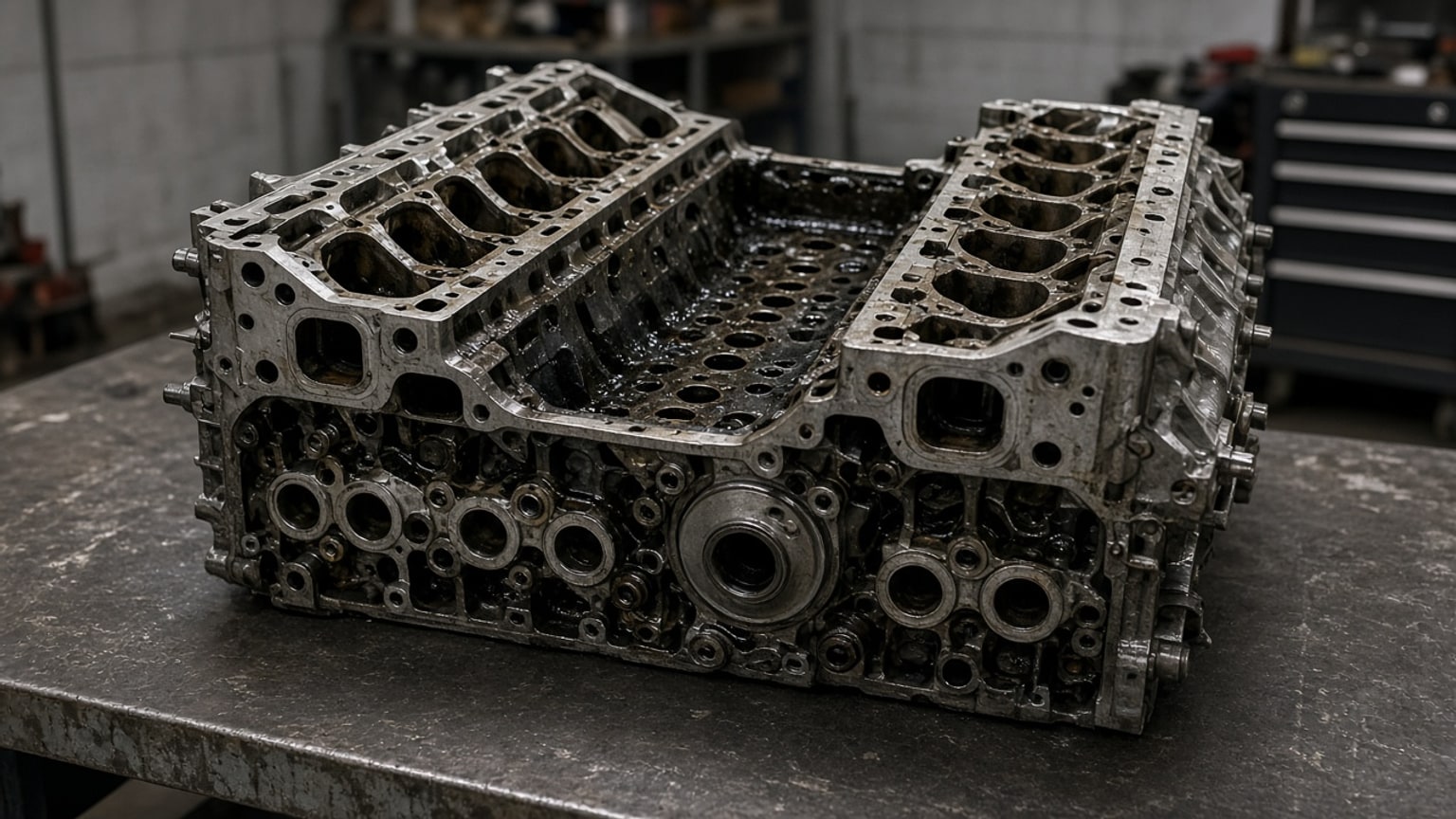
The 5.3 years to avoid are 2019-2021, 2015 and 2007-2008. The 2019-2021 engines have the most lifter and DFM complaints of any years. The 2015 model year has the most lifter complaints of the L83 years and two GM bulletins for oil getting where it shouldn’t. The 2007-2008 engines have the most total complaints of the Gen IV years and the most oil consumption complaints (NHTSA, accessed October 27, 2026).
| 5.3 Generation | Model Years | Verdict | Main Issues |
|---|---|---|---|
| Gen IV | 2007, 2008 | Worst: Avoid | Lifter and AFM complaints, oil consumption, coolant loss bulletin (2007) |
| Gen V L83 | 2015 | Worst: Avoid | Lifter and AFM complaints, missing valve stem oil seals, oil consumption |
| Gen V L84 | 2019, 2020, 2021 | Worst: Avoid | Lifter and DFM failures, camshaft damage, misfires |
| Gen V L84 | 2024 | Caution | Oil-circuit burrs and engine block contamination programs |
Worst 5.3 years: 2007, 2008, 2015, 2019, 2020, 2021
Gen IV 5.3 (2007-2013)
The 2007 model year has the most 5.3 complaints of any year (71), and the 2007-2008 Avalanche makes up a large share of them (55 of the 115). Complaints fall from 2009, and the 2011-2012 engines have the fewest.
Gen V EcoTec3 5.3 (2014 onward)
The L83 EcoTec3 arrived for 2014. The 2015 model year is its worst in our data. The 2019 Silverado and Sierra 1500 moved to the L84 with Dynamic Fuel Management (GM PIP5600 and the GM engine description “5.3L, V8, DI, DFM” in program N242455301), and lifter complaints jumped.
What are the best 5.3 years to buy
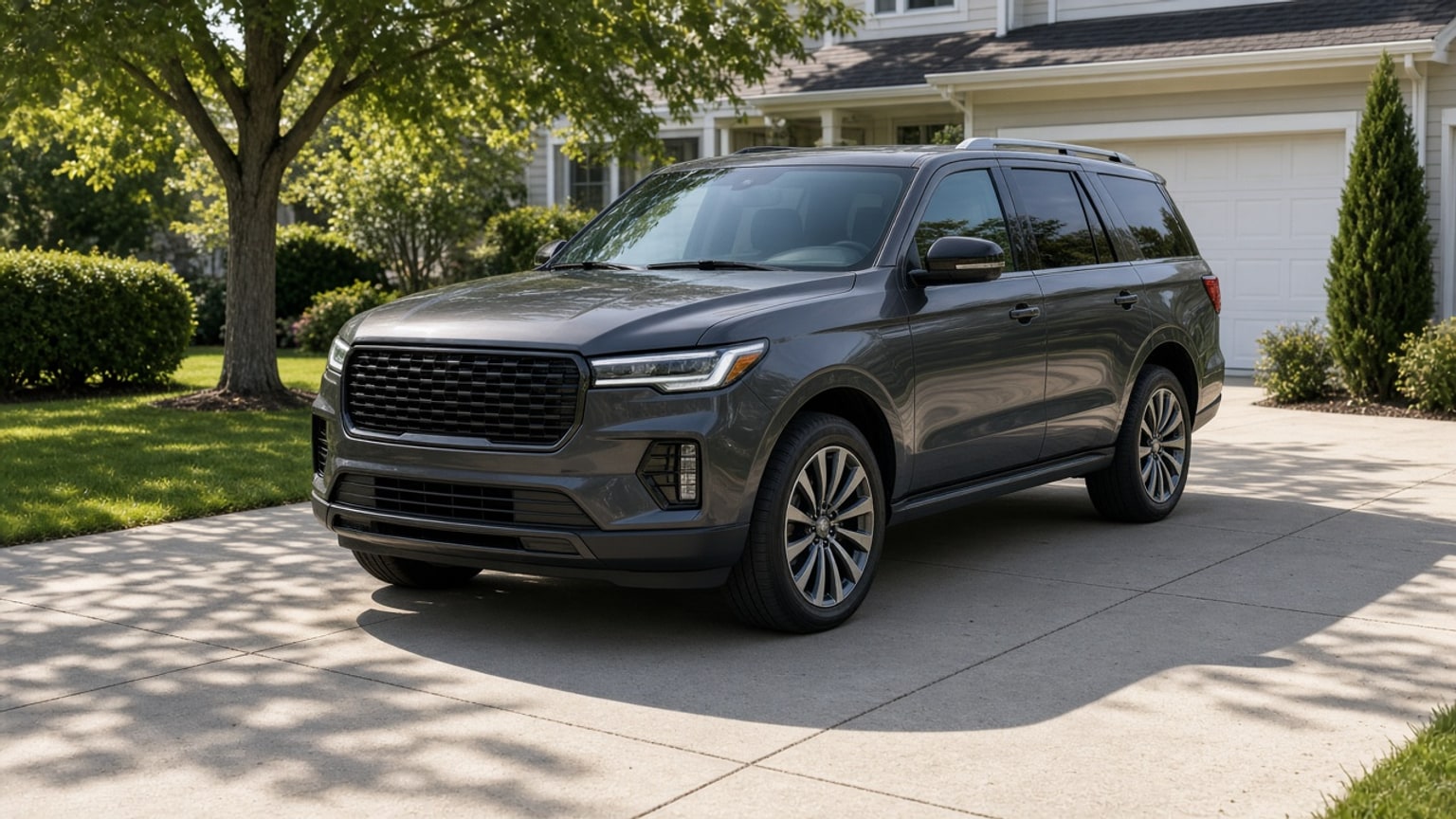
The best 5.3 years to buy are 2011, 2012 and 2016. They have the fewest 5.3 complaints of their generations and no engine recall in our data.
| Best 5.3 Year | Why It's a Strong Buy |
|---|---|
| 2011 | 18 engine complaints, only 4 lifter or AFM mentions; no engine recall |
| 2012 | 9 engine complaints, the fewest of the Gen IV years; no engine recall |
| 2016 | 22 engine complaints, the fewest of the EcoTec3 L83 years; no engine recall |
Most reliable 5.3 years: 2011, 2012, 2016
Lifter and AFM complaints still show up on these years, so the checklist below applies to every 5.3. The 2016 model year is inside GM’s fuel injector special coverage in some states.
5.3 years to avoid by vehicle
These are the patterns in our complaint counts (NHTSA, downloaded October 27, 2026):
- Chevrolet Silverado 1500: the 2019 (38 5.3 complaints) and 2015 (22) are the worst. See Chevrolet Silverado years to avoid.
- GMC Sierra 1500: the 2020 (21) and 2019 (18) are the worst. See GMC Sierra years to avoid.
- Chevrolet Tahoe: the 2021 model year has 17 of the Tahoe’s 43 5.3 complaints. See Chevrolet Tahoe years to avoid.
- Chevrolet Suburban, GMC Yukon and Yukon XL: counts are small and spread out; check 2024 models for the L84 programs. See Chevrolet Suburban and GMC Yukon.
- Chevrolet Avalanche: the 2007 and 2008 model years lead. See Chevrolet Avalanche years to avoid.
5.3 pre-purchase checklist
Before you buy a used truck or SUV with the 5.3, check:
- Run the VIN on NHTSA’s recall checker: 14V-007 should show as complete on 2014-2015 models where it applies.
- Ask a GM dealer to check the VIN for open programs, including N242442140 and N242455301 on 2024 models.
- Listen at idle with the hood open: a steady tick from the top of the engine can be a failing lifter.
- Scan for codes: misfire codes such as P0300 or a cylinder-specific code are a reason to walk away or negotiate a repair.
- Ask about lifter or camshaft work: get the invoices and parts list.
- Check oil use and service records. Get a pre-purchase inspection.
Better alternatives to consider
If the 5.3 truck or SUV in your budget is a 2019-2021, 2015 or 2007-2008, or the lifter history is unclear, consider these instead:
- 3.5 EcoBoost - the F-150 and Expedition twin-turbo V6, with its own years to check
- Toyota Tundra - a full-size pickup rival
- Ford F-150 - the best-selling full-size pickup, with its own years to avoid
- Ford Expedition - a full-size SUV rival to the Tahoe and Yukon
Is the 5.3 a good engine
It can be, in the right year with a clean history. Skip the 2019-2021, 2015 and 2007-2008 unless lifter or camshaft work is documented, and check 2024 models for GM’s programs. Lifter and AFM/DFM complaints show up in every year of our data, so listen for a tick and scan for misfires on any 5.3. Our counts are raw complaint totals, not failure rates, and GM’s half-ton trucks and SUVs sell in large numbers, so a high count partly reflects how many are on the road.
Frequently asked questions
What are the worst 5.3 years
The worst 5.3 years are 2019-2021, 2015 and 2007-2008. The 2021 model year has the most lifter and DFM complaints in our NHTSA data (55, accessed October 27, 2026), and the 2007 model year has the most 5.3 engine complaints overall (71).
What are the best 5.3 years
The best 5.3 years are 2011, 2012 and 2016. They have the fewest 5.3 complaints of their generations and no engine recall.
What years did the 5.3 have lifter problems
Lifter and AFM/DFM complaints show up on every year from 2007 to 2025 in our data. They are highest on the 2021 (55 mentions), 2019 (50), 2015 (38) and 2020 (36).
Is there a recall for 5.3 lifter failure
We found no NHTSA safety recall for 5.3 lifter failure. The 2025 engine recall 25V-274 covers the 6.2L V8, not the 5.3. For 2024 5.3 L84 engines, GM ran a customer satisfaction program (N242455301) that replaces engines with contaminated blocks.
Can you disable AFM or DFM on a 5.3
Aftermarket plug-in devices and tunes that disable AFM or DFM are sold. Changing the engine calibration can affect warranty coverage and emissions compliance, so ask the seller whether one was installed and have a GM dealer check the truck before you buy.