
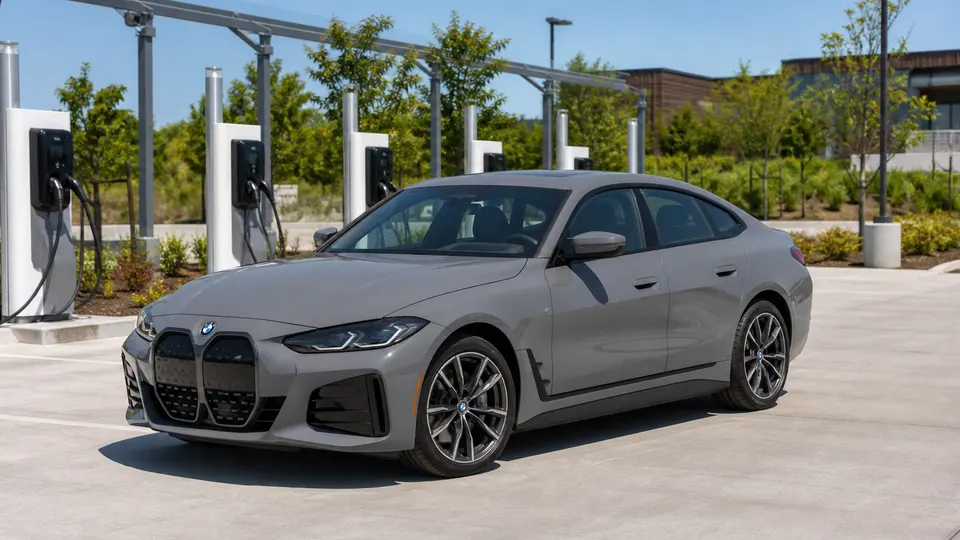
The BMW i4 is a strong entry in the luxury electric vehicle space, but not every model year is equally trouble-free. The i4, covering model years 2022 to 2024, holds an average reliability score of 74 out of 100, rated "Good" on the Auto Reliability Index - yet complaint and recall data show meaningful differences across those years. This guide uses NHTSA complaint and recall records, CarComplaints data, and owner accounts to tell you exactly which years to target and which to pass on.
For generations, engines, and ownership notes in one place, see the BMW i4 hub.
At a glance
- Worst years
- 2023
- Best years
- 2024
- Top failure
- High-voltage battery and electrical system issues across all first-generation years (NHTSA data)
- Always do before buying
- Run the VIN through NHTSA's recall checker to confirm every open battery and drivetrain recall is closed, and verify the Level 2 charging system works correctly on any 2022-2023 example
How we rated the best and worst BMW i4 years
The 2023 BMW i4 is the most problematic year in the lineup, carrying 40 owner complaints and 7 NHTSA recalls on file, including severity signals such as 7 crash-related complaints and 1 fire-related complaint.
Ratings in this guide draw from NHTSA complaint and recall data, the Auto Reliability Index (which aggregates NHTSA filings), Consumer Reports owner surveys, CarComplaints.com, and owner reports on the i4talk.com owner forum. It is worth noting that CarComplaints.com ranks a "worst year" by repair cost and mileage-at-failure using its PainRank algorithm, while NHTSA shows raw complaint volume - and they can differ. As of this writing, CarComplaints.com has no complaints on file for the BMW i4 for any model year, so the worst-year designation in this guide is based on NHTSA complaint volume and recall counts.
Per our years-to-avoid methodology, the year with the highest raw NHTSA complaint count and highest recall burden is flagged as worst.
| BMW i4 Generation | Best BMW i4 Years | Worst BMW i4 Years |
|---|---|---|
| 1st gen / 5th-gen eDrive (2022-2024) | 2024 | 2023 |
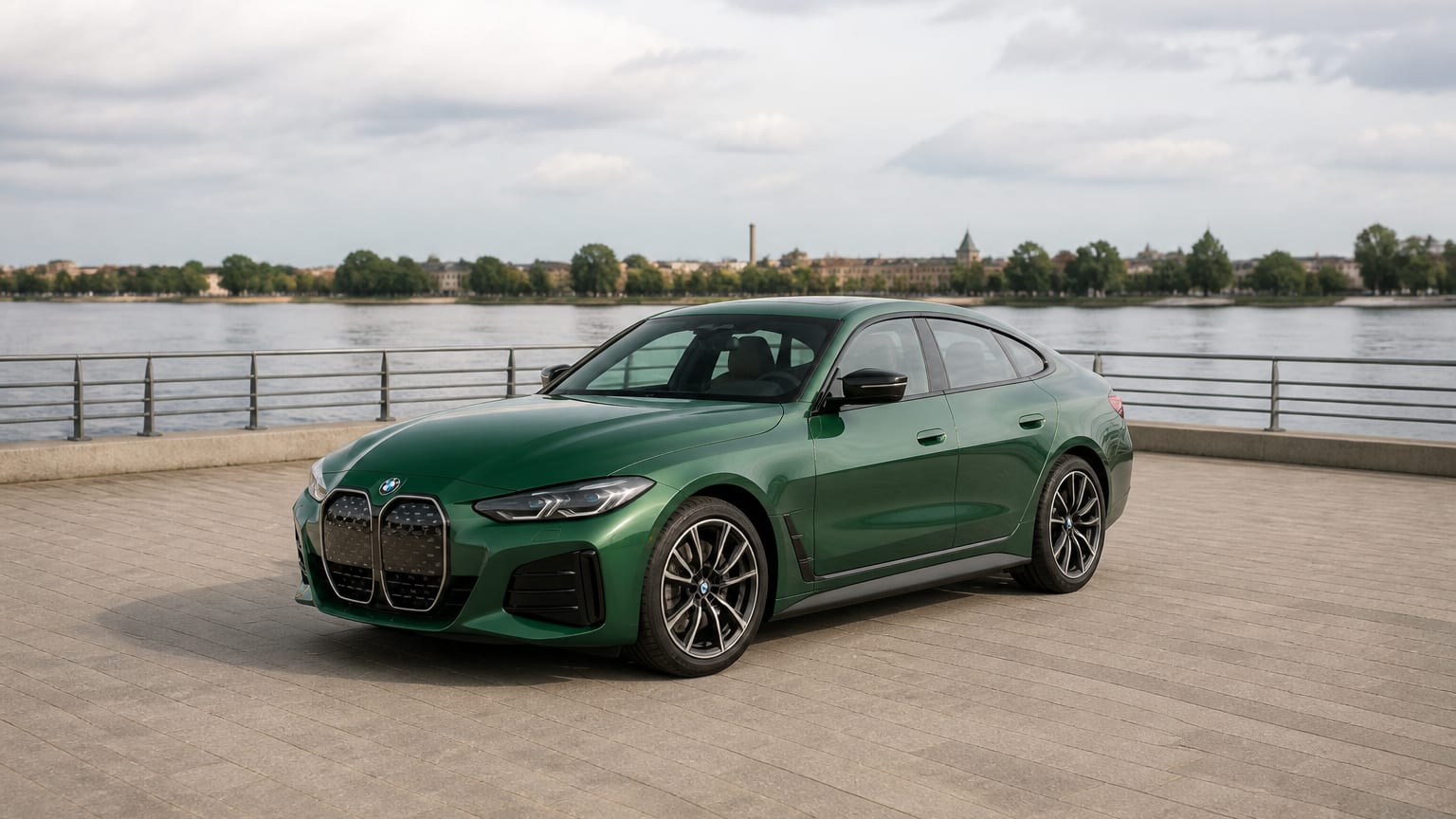
Every BMW i4 model year ranked
The BMW i4 is a single-generation model built on BMW's fifth-generation eDrive platform, introduced for 2022-2023 and facelifted for 2024. The 2023 model year stands out as the weakest, with the most complaints and most recalls; the 2024 facelift is the cleaner used buy.
| Model Year | Generation | Verdict | Notes |
|---|---|---|---|
| 2022 | 1st gen (5th-gen eDrive) | OK/Mixed | Low complaint count but 8 recalls; early battery fire risk recall (22V-541) |
| 2023 | 1st gen (5th-gen eDrive) | Avoid | Highest NHTSA complaints (40) and most recalls (7); Level 2 charging failures prominent |
| 2024 | 1st gen, facelifted | Best | Fewest complaints (22) and fewest recalls (3); updated software resolves early bugs |
Most common BMW i4 problems
The single biggest recurring issue across all BMW i4 years is high-voltage battery and electrical system failures, spanning multiple recall campaigns and the largest share of NHTSA complaints. Below are the four documented problem categories found across owner reports and recall data.
1. High-voltage battery failures and fire risk
The most serious recall affecting the BMW i4 covers 2022 Gran Coupe vehicles produced between November 22, 2021, and June 13, 2022: during supplier production, the high-voltage battery may not have been produced to specifications, and a short-circuit could lead to a thermal event. NHTSA recall 22V-541 covered this issue, and affected vehicles were instructed not to be driven or charged and to be parked away from any buildings. BMW replaced affected battery packs under warranty at no charge to owners.
A separate recall (NHTSA 25V-470) covers 136 iX, i4, and i7 EVs due to improperly assembled battery modules that could lead to power loss or increase fire risk. BMW dealers were alerted on July 16, 2025, and instructed to replace the affected battery cell modules at no cost to owners. This campaign is narrow in scope but serious in consequence. If you are buying a 2022-2023 i4, confirm both 22V-541 and 25V-470 have been completed on that specific VIN before taking delivery.
A drivetrain malfunction warning is the most visible symptom owners report when a battery module fault surfaces. Repair costs for a high-voltage battery module replacement are typically covered under BMW's factory battery warranty (8 years / 100,000 miles to 70% capacity), so low-mileage used examples should still be within that window.
2. Loss of drive power (electric motor software)
NHTSA recall 25V-395 covers the 2022-2025 i4: the electric drive motor software may shut down the high-voltage system, causing a loss of drive power, which increases the risk of a crash. The fix is an electric drive motor software update delivered over-the-air or by a dealer, free of charge. This campaign spans the widest range of i4 model years and is one of the most important to verify closed before buying any used i4.
Owners have described driving at around 30 mph when a "Drive train fault, restart not possible, High Voltage Battery" message appeared, leaving the car unable to restart. The software update eliminates the fault trigger in most cases, but confirming the remedy is completed via VIN lookup is the essential pre-purchase step.
3. Level 2 charging failures (CCU faults)
Consumer Reports owner surveys for the 2023 i4 identify EV charging as a top trouble spot, with reports of the car failing to charge at home, failing to work with some public chargers, refusing to fully charge, and charge-port door failures. The root cause in many cases is the Combined Charging Unit (CCU).
A BMW recall covers 2022-2023 i4 eDrive40 and i4 M50 vehicles: the high voltage battery combined charging unit may not have been manufactured correctly, resulting in improperly connected and/or assembled components inside the CCU, which can interrupt electrical power while driving and result in an engine stall. Owners on the i4talk.com forum also report that a May 2024 software update caused Level 2 charging failures on 2023 M50 models that had previously charged without issue, with dealers initially pausing CCU replacements while BMW developed a software fix. Before buying any 2022-2023 i4, test Level 2 charging in person and confirm the CCU recall is resolved. The hidden costs of owning an electric car extend beyond the purchase price when charging infrastructure issues require repeated dealer visits.
4. Infotainment and software glitches (iDrive 8)
The 2023 i4's most commonly reported NHTSA complaint areas include Electrical System (10 complaints), Unknown or Other (8 complaints), and Power Train (8 complaints), with a meaningful share attributable to iDrive 8 software behavior rather than mechanical failure. Software bugs affecting navigation and Bluetooth were reported in early models, along with display issues including flickering or screens going dark.
Owners of the 2024 i4 have reported problems pairing iPhones, with the system repeatedly disconnecting, and found that the car's Wi-Fi update process was interfering with Apple CarPlay, requiring a settings change to deactivate the background Wi-Fi updates. Most of these glitches are resolved via over-the-air software updates, but confirming the car is on a current firmware build before buying is important.
Checking a used BMW?
Scan for hidden fault codes from your phone in minutes — before you buy.
REREV may earn a commission if you sign up through this link. Learn more.
Which BMW i4 years should you avoid?
The BMW i4 year to avoid is 2023. There are 7 NHTSA recalls and 40 owner complaints on file for the 2023 BMW i4 - the highest of any model year in the lineup by both measures. CarComplaints.com has no complaints on file for the BMW i4 for any model year, so this worst-year designation is based solely on NHTSA complaint volume and recall count. The 2022 is a mixed buy: its raw complaint count is lower, but it carries 8 recalls including the serious 22V-541 fire-risk battery campaign.
| BMW i4 Generation | Model Years | Verdict | Main Issues |
|---|---|---|---|
| 1st gen (5th-gen eDrive) | 2023 | Avoid | Battery fire risk (22V-541), CCU charging failures, drive-motor software shutdown |
| 1st gen, facelifted | 2024 | Best | Software-resolved issues, fewest complaints and recalls |
Worst BMW i4 years: 2023
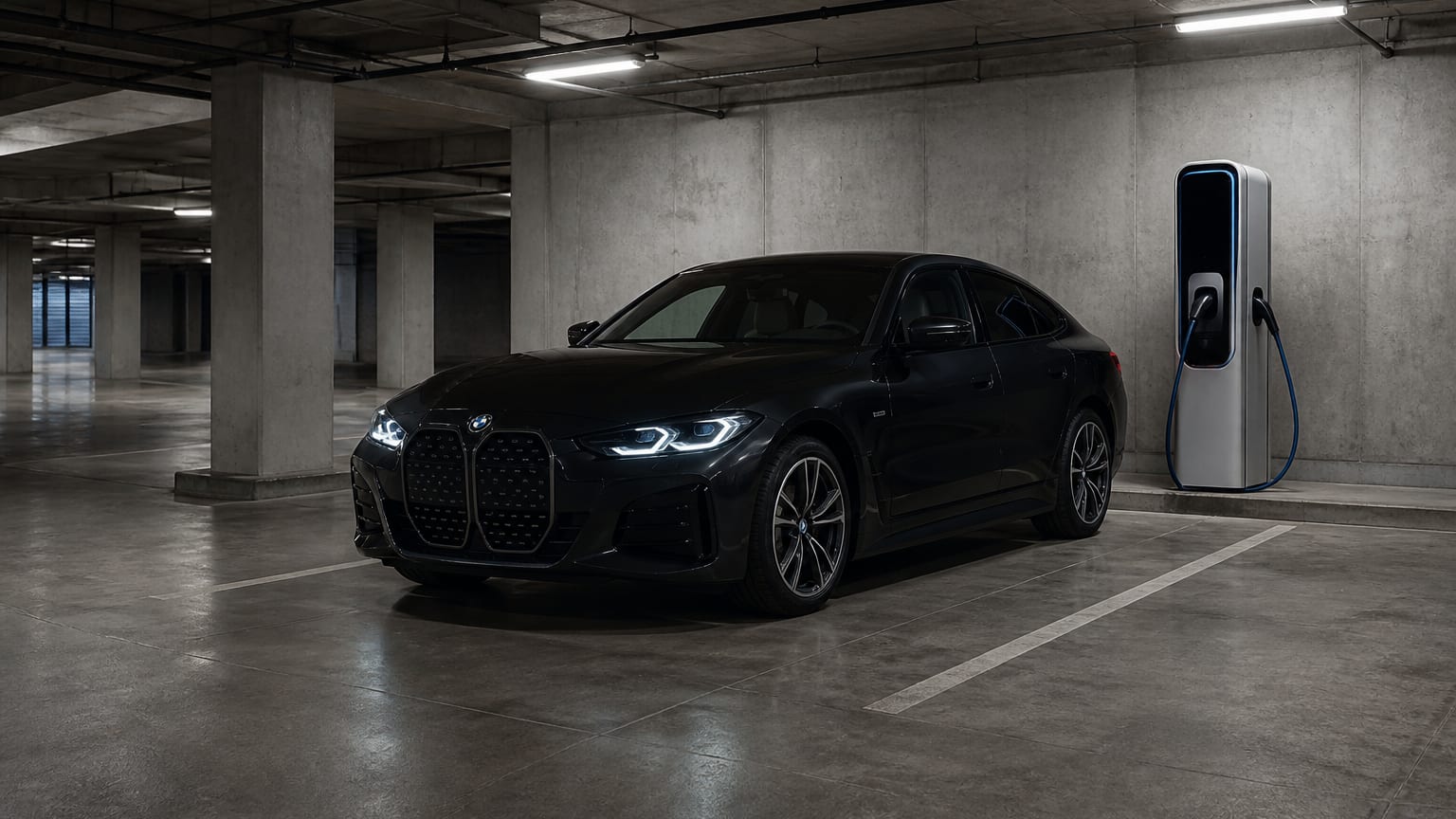
1st-generation BMW i4 (2022-2023)
The 2022 BMW i4 has 16 NHTSA complaints and 8 recall campaigns, with electrical faults as the most common reported issue. The eight recall campaigns for this year include the serious 22V-541 fire-risk battery recall affecting early production vehicles and the broad 25V-395 drive-motor software campaign. For a 2022, the first question to answer is whether 22V-541 has been completed.
The 2023 i4 carries 40 NHTSA complaints across 7 recalls, with severity signals including 7 crash-related complaints and 1 fire-related complaint. The CCU charging fault is concentrated here, and the 2023 is the year with the highest raw complaint density across the model's entire run. View the NHTSA complaint data for the 2023 BMW i4 before buying.
What are the best BMW i4 years to buy?
The best BMW i4 years to buy are 2024 and, conditionally, 2022. The best BMW i4 year is 2024, with a reliability score of 78 out of 100, rated "Good."
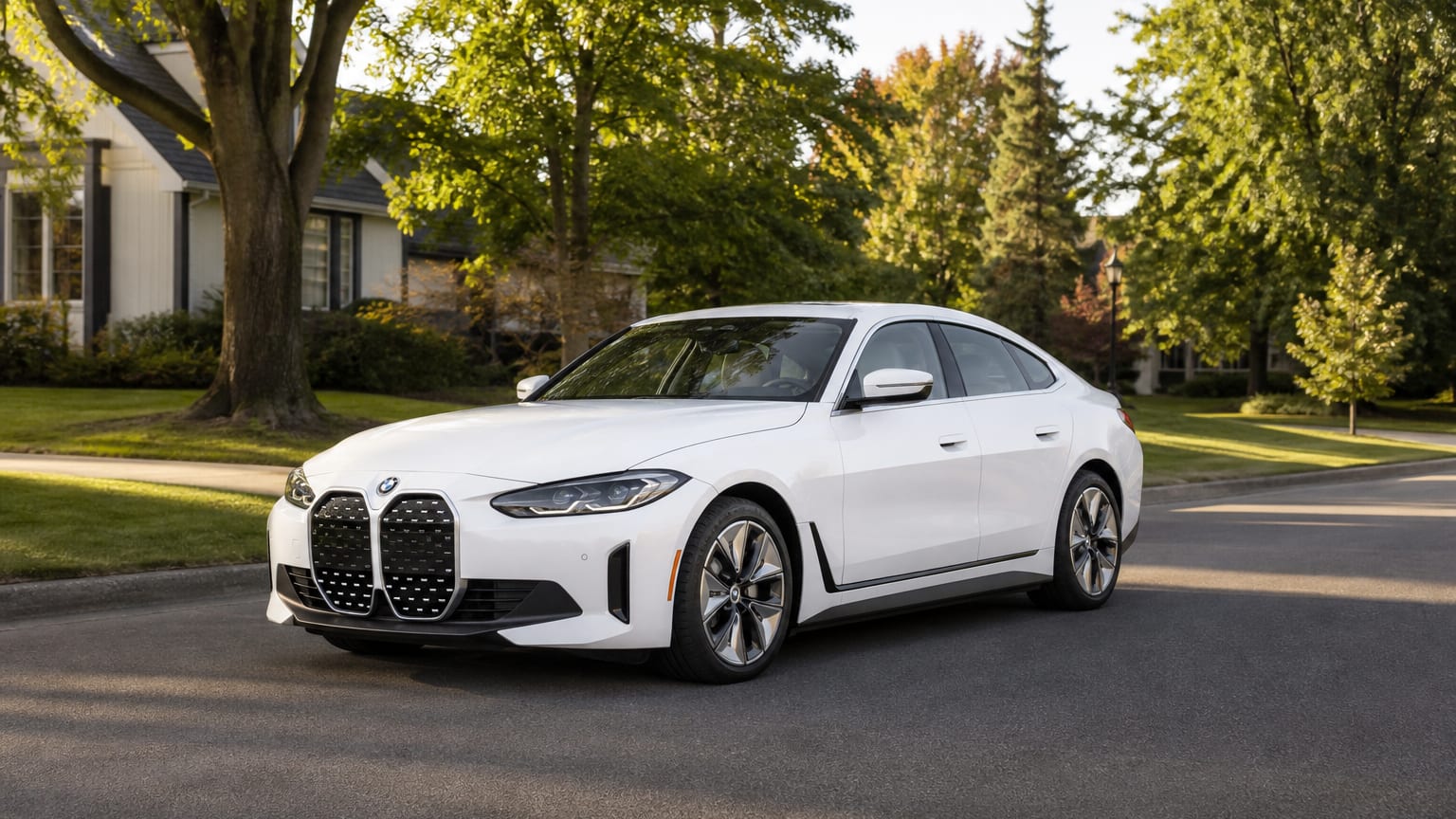
| Best BMW i4 Year | Why It's a Strong Buy |
|---|---|
| 2024 | Fewest complaints (22), fewest recalls (3), facelifted; software-related early bugs largely resolved |
Most reliable BMW i4 years: 2024
2024 BMW i4
The 2024 BMW i4 has a "Good" reliability rating with a score of 78/100, with 3 recalls and 22 owner complaints on file. The 2024 facelift brought updated iDrive 8 software that addressed many of the early-generation glitches reported on 2022-2023 cars. The 2024 models include enhanced features such as adaptive cruise control refinements and the latest iDrive 8 build. With three recalls - all addressable via software update or minor hardware fix - this is the cleanest used i4 on the market right now.
2022 BMW i4
The 2022 BMW i4 has good reliability, with 8 recalls and 9 owner complaints on file and severity signals including just 3 crash-related complaints. The low complaint count makes it one of the calmer years, but the high recall count (8 campaigns) means your pre-purchase VIN check matters more here than on any other year. Confirm 22V-541, 25V-395, and 23V-449 are all resolved, and you have a solid used buy with BMW's 8-year / 100,000-mile high-voltage battery warranty likely still active.
BMW i4 submodel years to avoid
The two main BMW i4 submodels - the eDrive40 and M50 - are assessed here on their own complaint and recall records, not carried over from the parent model's aggregate figures.
BMW i4 M50 years to avoid
The i4 M50 is the performance variant of the i4, available for 2022-2024. It uses a dual-motor all-wheel-drive setup (versus the eDrive40's single rear motor), delivering significantly higher output. A separate recall covers 2022-2023 iX xDrive50, iX M60, 2022 i4 eDrive40, and i4 M50 vehicles: the high voltage battery may have internal damage resulting in an electrical short-circuit, and a short-circuit in a high voltage battery increases the risk of a fire. This recall (NHTSA 22V-944) is specific to 2022 M50 (and eDrive40) production and is distinct from the broader 22V-541 campaign. Confirm both campaigns are closed on any 2022 M50.
Owners of the 2023 M50 have reported the car failing to charge on a home Level 2 charger while the same charger works on other EVs; dealers have acknowledged this as a known issue tied to the CCU, with BMW placing a hold on CCU replacements while a software update was developed. This Level 2 CCU problem is shared with the eDrive40 (covered above) and is the same recall and software campaign - not a fault unique to the M50's drivetrain. The M50's dual-motor system itself has not generated a distinct fault pattern separate from the electrical-system recalls that apply across the i4 lineup.
Before buying any used 2022-2023 M50:
- Confirm recall 22V-541, 22V-944, 25V-395, and 23V-449 are all closed on that specific VIN
- Test Level 2 home charging before purchase
- Verify the drive-motor software is on a post-25V-395 build
BMW i4 eDrive40 years to avoid
The eDrive40 is the entry-level and most widely sold i4 variant, available for 2022-2024 with a single rear-drive motor producing 335 hp and up to 301 miles of EPA-rated range on the 2023 model. It shares BMW's fifth-generation eDrive architecture with the M50 but uses only the rear motor. A recall covers 2022 i4 eDrive40 vehicles: while in Valet Parking Mode, the Central Information Display may not display critical safety information such as warning messages and warning lights, failing to comply with Federal Motor Vehicle Safety Standard 101.
The 2023 eDrive40's top owner-reported concern is the same Level 2 charging failure documented in the problems section - including CCU-related stalls and software-update-induced charging lockouts. A recall specifically names 2023 i4 eDrive40 vehicles for a high voltage battery cell monitoring circuit with improperly secured electrical connections that can result in an engine stall; dealers replaced the circuit free of charge.
No eDrive40 model year has accumulated the kind of complaint density that would single out one year as dramatically worse than another within just this variant. The same pattern that applies to the overall i4 holds here: 2023 carries the most recalls of any year, and 2024 is the safer used pick. Confirm all open recalls via VIN lookup before buying any 2022-2023 eDrive40.
BMW i4 pre-purchase checklist
Before buying any used BMW i4, run through these model-specific checks:
- Run the VIN through the NHTSA recall checker - confirm that 22V-541 (fire-risk battery, 2022), 25V-395 (drive motor software, 2022-2025), 25V-470 (battery module assembly, 2022-2023), and 23V-449 (CCU, 2022-2023) are all marked "remedied" for that specific VIN before signing anything
- Test Level 2 charging in person - on any 2022-2023 example, plug into a Level 2 charger and confirm the session initiates normally; a charging error or flashing red port light signals an unresolved CCU recall or software issue
- Check for drivetrain fault messages - start the car cold and confirm no "Drive train fault" or "High Voltage Battery" warning appears on startup; if it does, the drive-motor software recall (25V-395) may not be completed
- Confirm battery warranty status - the i4's high-voltage battery is covered for 8 years or 100,000 miles in U.S.-market cars, including protection against excessive capacity loss; ask for documentation of remaining coverage
- Check iDrive software version - confirm the car is on a current firmware build; outdated software is the source of most Apple CarPlay, navigation, and charging-scheduler complaints
- Request full service and recall history - for 2022-2023 cars especially, ask the seller to produce documentation showing all BMW recall repairs have been completed; this is more important than on a conventional ICE vehicle given the volume of electrical-system campaigns
- Inspect charging port door - on 2023 models, manually open and close the charge port door; a sticky or non-latching door is a known issue documented in Consumer Reports owner surveys and requires a dealer repair
Better alternatives to consider
If the BMW i4 years in your budget land on the avoid list, also see BMW iX years to avoid and BMW 4 Series years to avoid, or consider these alternatives instead:
- BMW iX - BMW's electric luxury SUV sibling if you need more space and the same EV ownership lane
- Audi e-tron GT - a performance electric grand tourer cross-shop with its own clear avoid/best windows
- Audi A4 - if you are open to combustion luxury sedans with a longer year-by-year reliability map
- Tesla Model 3 - the benchmark long-range electric sedan with a larger used-market inventory; buyers comparing Tesla luxury sedans can also review Tesla Model S years to avoid
Is the BMW i4 worth buying?
Yes, the BMW i4 is worth buying as long as you avoid the 2023 model year and verify all open recalls are closed on any 2022 example. The 2024 BMW i4 earns a "Good" reliability rating of 78/100, and it uses BMW's fifth-generation eDrive hardware shared with the iX and other newer EVs, with early data suggesting slow, well-controlled battery degradation when the car is used and charged reasonably. The best pick for used buyers right now is the 2024. If the BMW's overall longevity matters to your decision, the i4's EV drivetrain has meaningfully fewer mechanical wear points than combustion-engine BMWs. Run every VIN through the NHTSA recall database and ask for documented service history before committing to any used i4.