
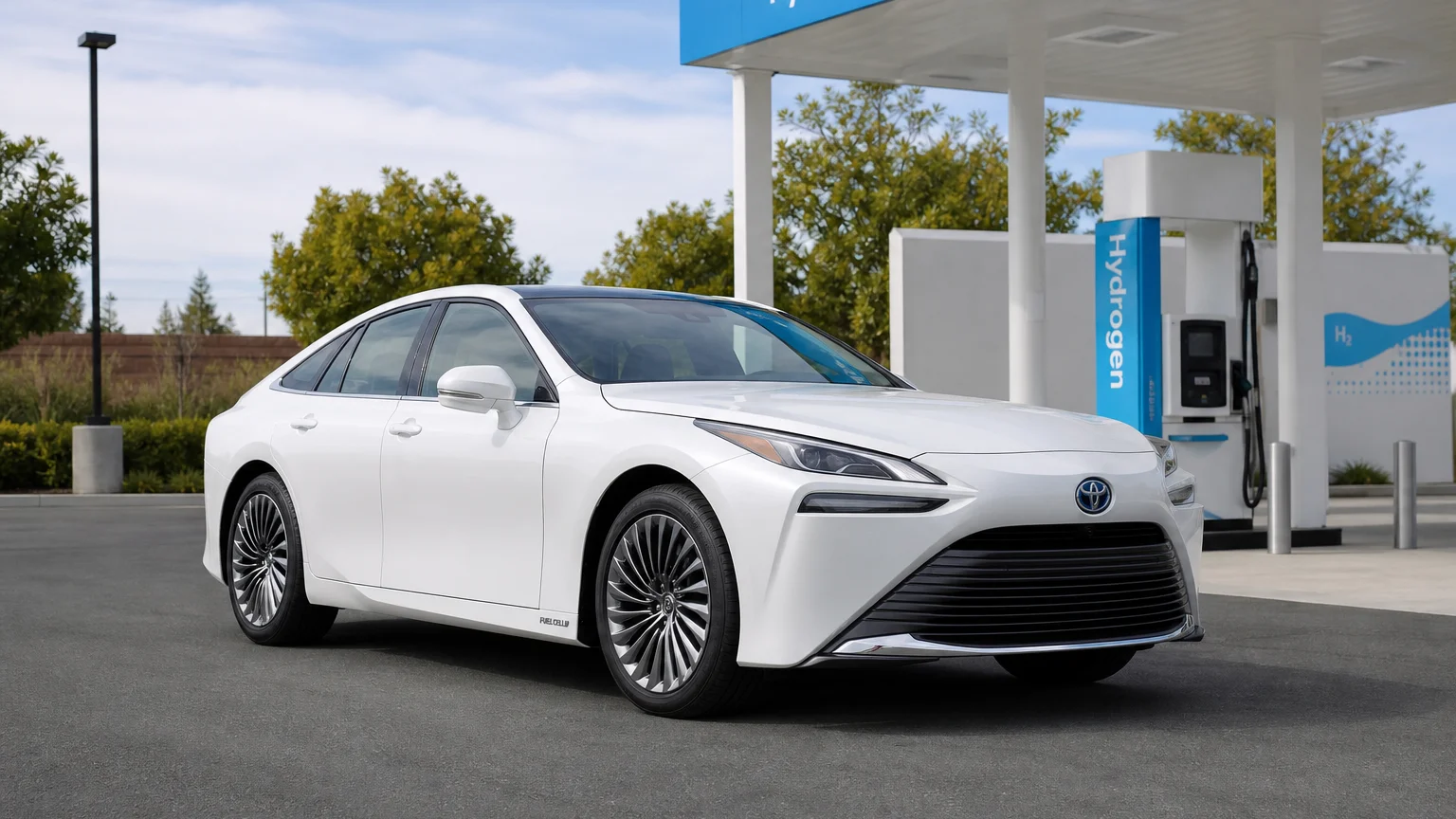
The Toyota Mirai is one of the most technically ambitious sedans on the used market, and for buyers who live near hydrogen stations, most model years deliver a genuinely smooth, low-drama ownership experience. Although the 2019 Toyota Mirai has the most overall complaints, CarComplaints rates the 2017 model year as worse because of higher repair cost or more problems at lower mileage. This guide uses NHTSA complaint and recall data, CarComplaints PainRank scores, owner forums, and Toyota's own service bulletins to tell you exactly which years to skip and which to seek out.
For generations, engines, and ownership notes in one place, see the Toyota Mirai hub.
Related guides appear in the Toyota years to avoid directory.
At a glance
- Worst years
- 2016
- 2017
- 2019
- Best years
- 2018
- 2020
- 2022
- Top failure
- 1st-gen fuel cell stack performance degradation and DTC P1DEF fault (2016-2019, CarComplaints/NHTSA/Toyota TSB)
- Always do before buying
- run the VIN through NHTSA's recall checker to confirm every open recall is closed, and on any 2016-2020 car, ask a certified Mirai dealer to check remaining fuel cell stack warranty and pull any stored DTC P1DEF codes
Recalls by year
How we rated the best and worst Toyota Mirai years
The first-generation Mirai (2016-2020) accounts for all three of the worst years, with CarComplaints rating 2017 as the single worst model year by repair cost and mileage at failure, while 2019 holds the highest raw complaint volume on CarComplaints. Ratings and complaint data were drawn from NHTSA complaints and recalls, CarComplaints PainRank, Consumer Reports reliability data, and Kelley Blue Book consumer ratings.
CarComplaints ranks a "worst year" by repair cost and mileage at failure (its PainRank), while NHTSA shows raw complaint volume - the two measures often point to different model years.
Our years-to-avoid methodology is explained in full detail if you want to understand exactly how each data source is weighted.
| Toyota Mirai Generation | Best Toyota Mirai Years | Worst Toyota Mirai Years |
|---|---|---|
| 1st Gen (2016-2020) | 2018, 2020 | 2016, 2017, 2019 |
| 2nd Gen (2021-present) | 2022 | None |
Every Toyota Mirai model year ranked
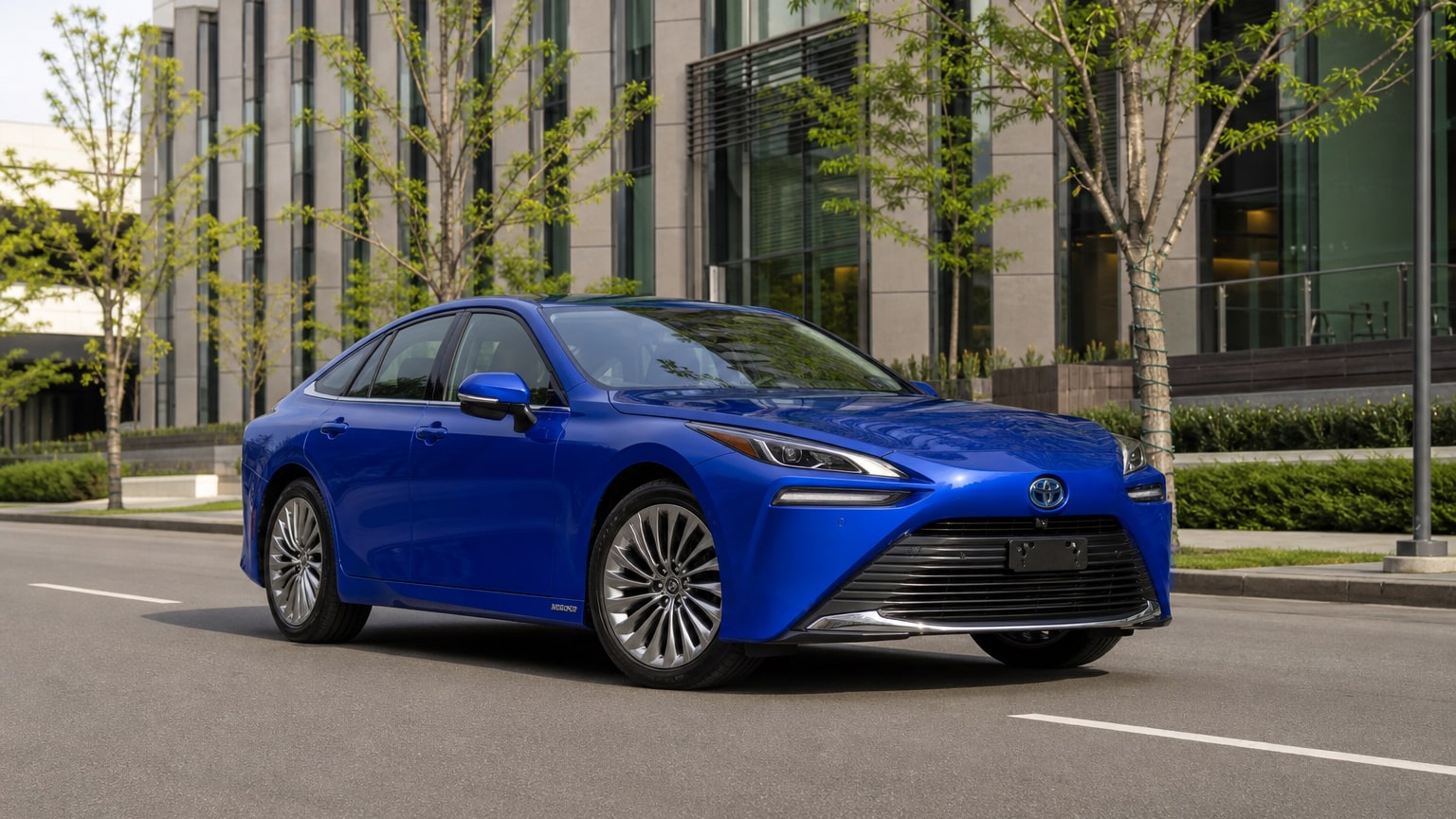
The 2019 Mirai has the most overall complaints on CarComplaints, but CarComplaints rates the 2017 as the single worst model year by repair cost and mileage at failure. The table below covers every model year with available data.
| Model Year | Generation | Verdict | Notes |
|---|---|---|---|
| 2016 | 1st Gen | Avoid | Fuel system faults, SSC H0E service campaign, low sales volume inflates per-unit rate |
| 2017 | 1st Gen | Avoid | CarComplaints worst year by PainRank; highest repair cost at lowest mileage |
| 2018 | 1st Gen | Best | Fewest 1st-gen CarComplaints reports; mid-cycle with SSC H0E already applied |
| 2019 | 1st Gen | Avoid | Most CarComplaints complaints (7); DTC P1DEF TSB applies; KBB consumer rating 2.4/5 |
| 2020 | 1st Gen | Best | Final 1st-gen year; running changes from prior TSBs applied at factory |
| 2021 | 2nd Gen | OK/Mixed | SSC 22TC04 no-start campaign; ESC recall (Toyota 22ta03); only 2 CarComplaints reports |
| 2022 | 2nd Gen | Best | 1 NHTSA recall (ESC software); 3 CarComplaints reports; strong second-gen hardware |
| 2023 | 2nd Gen | OK/Mixed | 2 NHTSA recalls; rearview camera TSB; rear suspension TSB T-SB-0047-23 |
| 2024 | 2nd Gen | OK/Mixed | 1 NHTSA recall; too new for long-term data |
| 2025 | 2nd Gen | OK/Mixed | 1 NHTSA recall per Consumer Reports; insufficient used-market data |
Most common Toyota Mirai problems
The single biggest failure pattern across all Mirai model years is fuel cell stack performance degradation, which triggers a "FC malfunction, return vehicle to dealer for service" warning and is recorded as DTC P1DEF in Toyota's own service literature. Below are the four most documented recurring problems, ordered most serious first.
1. Fuel cell stack performance degradation (DTC P1DEF)
Some 2016-2019 model year Mirai vehicles may display a warning message - "FC malfunction, return vehicle to dealer for service" - accompanied by Diagnostic Trouble Code P1DEF (450 FC Stack Performance); Toyota revised the Fuel Control Module calibration to address this condition. The root cause is a combination of hydrogen impurities at some refueling stations, thermal cycling, and normal electrochemical wear inside the stack membrane.
First-generation Mirai (2016-2020) owners report gradual fuel cell stack performance degradation after 50,000-80,000 miles, with symptoms including reduced range, decreased power output, and longer startup times in cold weather. Toyota published TSB T-SB-0318-17 (revised as Rev2 November 20, 2017) covering 2016-2019 Mirai vehicles to address P1DEF, instructing dealers to update the Fuel Control Module calibration rather than replacing the module. Toyota warrants the fuel cell stack for 8 years/100,000 miles, and stack reconditioning or replacement is covered under that warranty term.
When buying a used Mirai, the most important factor is the remaining 8-year/100,000-mile fuel cell system warranty, as out-of-warranty repairs are prohibitively expensive. Before buying any 2016-2020 Mirai, ask a certified Mirai dealer to run Techstream diagnostics and check for stored P1DEF codes.
2. Real-world driving range falling short of EPA estimates
The most-reported specific problem on CarComplaints is the 2019 Toyota Mirai's driving range - owners report getting around 220 miles when Toyota advertised 350. This complaint spans all first-generation years, and the pattern is not limited to one model year.
Some owners report being told they would get 300 miles per tank fill, but average 170 miles and then cannot find a working station. The gap between EPA-rated range and real-world range is compounded by water coming out of the exhaust during cold starts - a normal byproduct of fuel-cell chemistry - but owners sometimes mistake this for a mechanical fault. The underlying range shortfall is a combination of aggressive driving, cold weather, and fuel cell stack wear on higher-mileage cars. No TSB fully resolves this; the fix is buying a 2021+ second-generation Mirai, which Toyota rates at up to 402 miles for the XLE trim and 357 miles for the Limited.
3. Hydrogen infrastructure failures stranding owners
The hydrogen fueling infrastructure is almost non-existent in many regions, and the limited stations that do exist have gone offline, stranding Mirai owners who simply want to use their alternative fuel vehicles. This is not a mechanical defect on the car itself, but it is the single most disruptive ownership problem across all model years and all generations, particularly in years before 2022.
The hydrogen fueling network is extremely limited - mostly in California - and notoriously unreliable. Buyers considering a used Mirai outside of the California market, or in any area with fewer than two nearby hydrogen stations, face a real daily-use risk. Verify current station availability via the California Fuel Cell Partnership map before committing to any purchase.
4. Electronic Stability Control (VSC) software fault - 2021-2022 models
Toyota recalled certain 2021-2022 Mirai vehicles because the Skid Control ECU software may not turn on the Vehicle Stability Control (VSC) system when the vehicle is restarted after the driver has disabled VSC, meaning these vehicles failed to comply with Federal Motor Vehicle Safety Standard 126 for Electronic Stability Control Systems. Toyota's own recall number for this campaign is 22ta03, and the remedy is a free dealer software update to the Skid Control ECU.
The 2022 Toyota Mirai has been recalled 1 time by NHTSA - this ESC software campaign is that recall. If you are buying a 2021 or 2022 Mirai, confirm via VIN that the Skid Control ECU update has been completed.
5. EV Control Computer no-start fault - 2021 Mirai (Special Service Campaign 22TC04)
Due to improper programming in the EV Control Computer, under certain conditions some 2021 Mirai vehicles built between early March 2021 and late June 2021 may not start, with a warning message displayed in the instrument panel. Toyota addressed this through Special Service Campaign 22TC04, a free software update covering approximately 940 vehicles. Any authorized Toyota dealer will update the software in the EV Control Computer free of charge, and approximately 940 vehicles are covered by this campaign.
This is a quick dealer fix, not a major mechanical failure, but a used 2021 Mirai that has not had the update applied could refuse to start with no other warning. Confirm SSC 22TC04 completion by VIN before purchase.
Checking a used Toyota?
Scan for hidden fault codes from your phone in minutes — before you buy.
REREV may earn a commission if you sign up through this link. Learn more.
Which Toyota Mirai years should you avoid
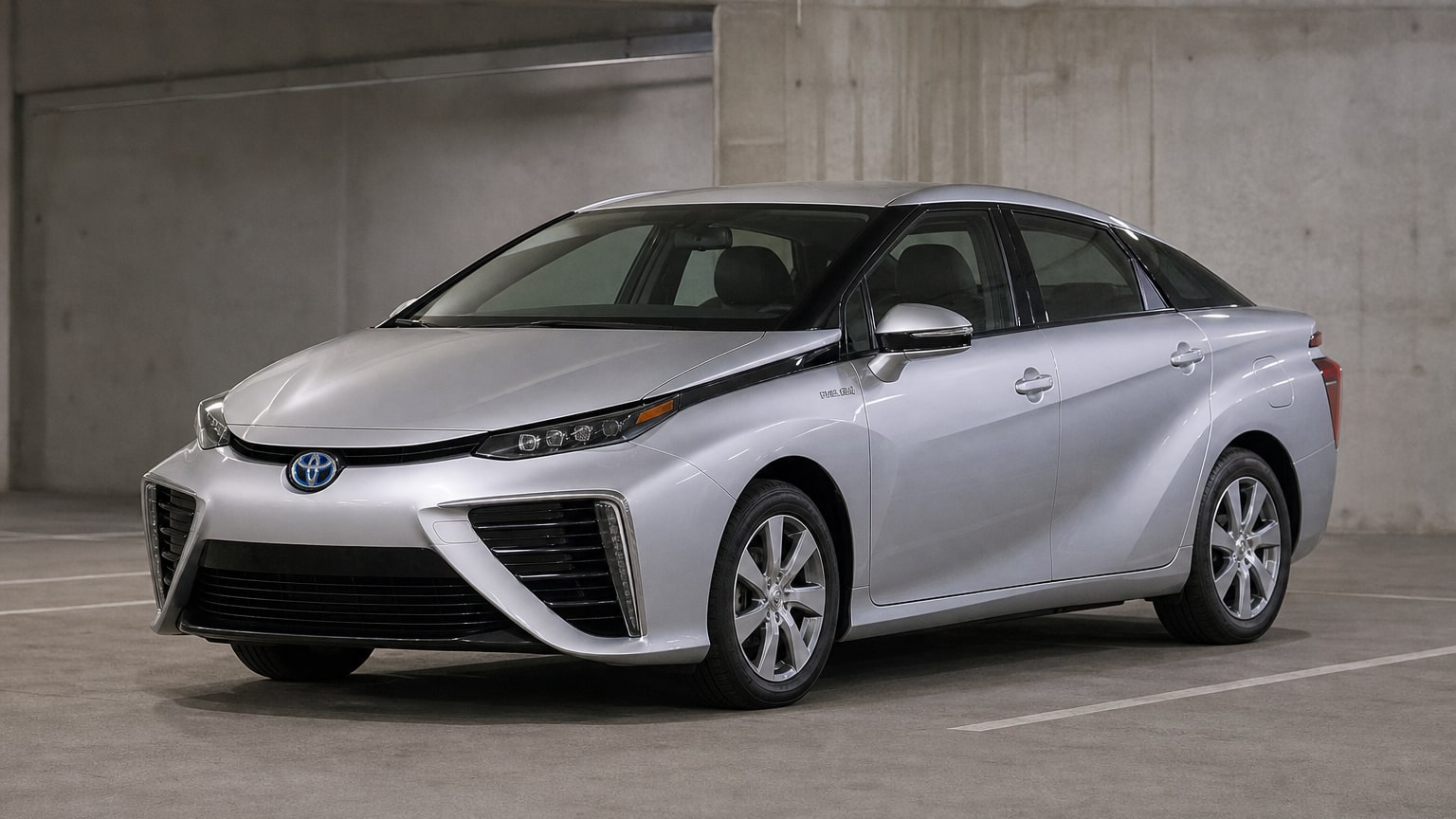
The Toyota Mirai years to avoid are 2016, 2017, and 2019. CarComplaints rates the 2017 model year as the worst by repair cost and mileage at failure (PainRank), while the 2019 holds the highest raw complaint volume on CarComplaints with 7 reported problems. All three of these years sit in the first generation and share the DTC P1DEF fuel cell stack issue, documented in TSB T-SB-0318-17, plus the real-world range shortfall that drew the most owner frustration.
| Toyota Mirai Generation | Model Years | Verdict | Main Issues |
|---|---|---|---|
| 1st Gen (2016-2020) | 2016, 2017, 2019 | Worst | P1DEF fuel cell fault, range shortfall, fuel system voltage issues, SSC H0E service campaign |
| 1st Gen (2016-2020) | 2018, 2020 | Best | Lowest 1st-gen complaint counts, TSBs already applied |
| 2nd Gen (2021-present) | 2021, 2023, 2024, 2025 | Mixed | ESC recall (22ta03), no-start SSC (22TC04), improved hardware overall |
First-generation Toyota Mirai (2016-2020)
The 2016 Toyota Mirai has 2 problems and defects reported by Mirai owners on CarComplaints, with the worst complaints related to fuel system problems. Toyota also issued Special Service Campaign SSC H0E covering certain 2016-2017 Mirai vehicles for fuel cell system updates, documented in Toyota's technician certification records. The 2016 is the riskiest used buy because it is the oldest first-gen car and most likely to have accumulated mileage beyond the 8-year/100,000-mile fuel cell stack warranty.
The 2017 Toyota Mirai has 6 problems and defects reported by Mirai owners on CarComplaints, with the worst complaints in the accessories/interior and electrical categories. CarComplaints rates it the single worst Mirai model year by PainRank - meaning owners report those problems at lower mileage and higher repair cost than any other year. Check the NHTSA complaint data for the 2017 Mirai before making an offer.
The 2019 Toyota Mirai has 7 problems and defects reported by Mirai owners on CarComplaints, with the worst complaints in the fuel system category. KBB's 22 consumer reviewers gave the 2019 Mirai a 2.4 out of 5 consumer rating, one of the lowest scores for any Mirai year, driven largely by range and fuel infrastructure frustration. Review the 2019 Mirai on NHTSA and confirm TSB T-SB-0318-17 has been applied before purchasing.
What are the best Toyota Mirai years to buy
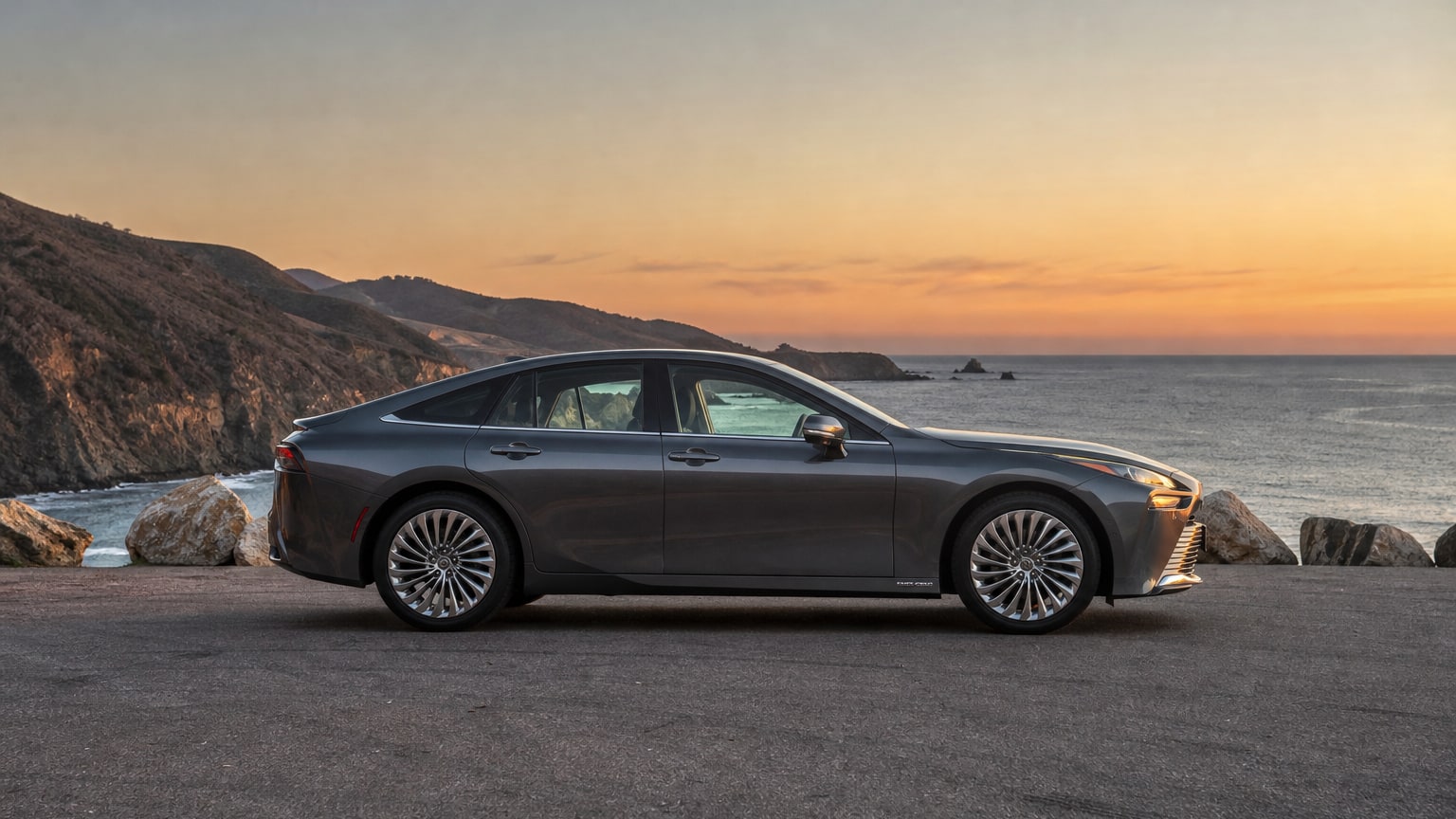
The best Toyota Mirai years to buy are 2018, 2020, and 2022. These three model years have the lowest complaint counts in their respective generations, carry the relevant service campaigns already applied, and represent the most mature builds of each generation's platform.
| Best Toyota Mirai Year | Why It's a Strong Buy |
|---|---|
| 2018 | Lowest 1st-gen complaint profile; SSC H0E fuel cell system update addressed from prior year experience |
| 2020 | Final 1st-gen year; benefits from all running changes and TSB fixes applied before production ended |
| 2022 | Only 3 problems reported on CarComplaints; 1 NHTSA recall (ESC software, easily confirmed closed); strong 2nd-gen hardware |
2018 Toyota Mirai
The 2018 is the best of the first-generation cars. It sits far enough into the production run that Toyota had already corrected early fuel cell calibration issues through SSC H0E and TSB T-SB-0318-17, and it drew the fewest documented CarComplaints reports among the first-generation years with available data. A 2018 car in 2026 is approaching the outer edge of its 8-year fuel cell stack warranty, so confirm the in-service date carefully to understand how much coverage remains.
2020 Toyota Mirai
The original first-gen Mirai was an overpriced and compromised hydrogen-powered sedan, but the 2020 model year represents that generation at its most refined. All TSBs and service campaigns from 2016-2019 had been incorporated, and Toyota was already preparing the ground for the second-generation redesign. The 2021 Mirai has just 2 problems reported on CarComplaints - a comparable benchmark - and the 2020 sits at a similar low level with the added benefit of avoiding the no-start SSC 22TC04 that hit early 2021 production units.
2022 Toyota Mirai
The second-generation Mirai arrived in 2021 with sharp new looks, a lower price, a better platform, more range, and updated technology. The 2022 model year, one year into that generation, had the early no-start software issue (SSC 22TC04, a 2021-specific campaign) already behind it and carries only one confirmed NHTSA recall - the ESC software update, which is a straightforward dealer fix. The 2022 Mirai has just 3 problems reported on CarComplaints, with the worst complaints in the fuel system category.
Toyota Mirai pre-purchase checklist
Every used Mirai purchase deserves a model-specific inspection checklist before you sign anything. Here is what to verify:
- Run the VIN through NHTSA's recall checker. Confirm that all open campaigns - including SSC 22TC04 (2021 no-start), Toyota recall 22ta03 (ESC software, 2021-2022), and any other open campaigns - are closed before buying.
- On any 2016-2019 Mirai, have a certified Mirai dealer check for stored DTC P1DEF codes. TSB T-SB-0318-17 covers this fuel cell stack performance fault; ask for written confirmation that the FCM calibration update has been applied.
- Confirm the fuel cell stack warranty status. The most important factor when buying a used Mirai is the remaining 8-year/100,000-mile fuel cell system warranty, as out-of-warranty repairs are prohibitively expensive. Get the original in-service date from Toyota's warranty records.
- On 2016-2017 Mirai cars, ask whether Special Service Campaign SSC H0E (fuel cell system updates) has been completed. This is a non-recall campaign; it may not appear in a standard recall check but is documented in Toyota dealer records.
- On 2021 Mirai cars, verify that Special Service Campaign 22TC04 (EV Control Computer software update) has been performed. This campaign covers vehicles built between early March and late June 2021, and an uncorrected unit may refuse to start without warning.
- Request full service records from an authorized Mirai dealer. Powertrain warranty service and fuel cell component warranty service must only be performed by an authorized Mirai Fuel Cell Toyota dealership. Third-party service records are a red flag for this vehicle.
- Verify current hydrogen station coverage in your area before committing. The hydrogen fueling network is extremely limited - mostly in California - and notoriously unreliable. Confirm at least two operational stations within a practical radius of your home.
- On 2021-2023 Mirai cars, ask whether TSB T-SB-0047-23 (rear suspension creak/click) has been addressed. This is a comfort-level fix, not a safety recall, but the noise can be distracting and the remedy requires a dealer visit.
Better alternatives to consider
If the Mirai years in your budget land on the avoid list, or if hydrogen station coverage is too thin in your area, consider these alternatives instead:
-
Toyota Camry - a well-documented reliability record across decades of production, with a clear year-by-year best/worst map and conventional fueling everywhere
-
Tesla Model S - a battery-electric alternative in a similar price tier on the used market, with a nationwide charging network that solves the infrastructure problem the Mirai cannot
-
Hyundai NEXO - the closest direct hydrogen fuel cell competitor, available in California markets with a dedicated dealer service network and a comparable federal warranty on the fuel cell stack
-
Toyota Prius Prime - a plug-in hybrid that covers daily driving on electricity alone while retaining gasoline range for trips where charging or hydrogen infrastructure is unavailable
Is the Toyota Mirai worth buying
The Toyota Mirai is worth buying - as long as you avoid the 2016, 2017, and 2019 model years and confirm you live within reliable reach of hydrogen fueling stations. The second-generation Mirai brought sharp new looks, a lower price, a better platform, more range, and updated technology, making the 2022 model year the strongest used pick right now. Toyota warrants the fuel cell stack for 8 years/100,000 miles, so a second-gen Mirai with low mileage still well within that window is a genuinely low-risk ownership proposition for the right buyer in the right geography. Run the VIN through NHTSA's recall checker and verify the full Toyota dealer maintenance history before finalizing any purchase.
Frequently asked questions
What are the best Toyota Mirai years to buy?
The best Toyota Mirai years to buy are 2018, 2020, and 2022. The 2018 is the strongest first-generation pick because it carries all early TSB fixes with the lowest documented complaint rate among 2016-2020 cars. The 2022 is the top second-generation pick, with only 3 CarComplaints reports and a single confirmed NHTSA recall that is easily closed via a free dealer software update.
What are the worst years for the Toyota Mirai?
The worst Toyota Mirai years are 2016, 2017, and 2019. CarComplaints rates 2017 as the worst by repair cost and mileage at failure, while 2019 has the most overall complaints on CarComplaints. All three years share the DTC P1DEF fuel cell stack performance fault covered by TSB T-SB-0318-17.
Which year Toyota Mirai is most reliable?
The 2022 Toyota Mirai is the most reliable pick on the used market today. It has just 3 problems reported on CarComplaints, with fuel system as the top category, carries a single resolved NHTSA recall, and benefits from the full second-generation platform improvements over the 2016-2020 cars.
What year Toyota Mirai has the worst fuel cell stack problems?
The 2016-2019 Mirai models are the years most associated with the DTC P1DEF fuel cell stack performance fault, which triggers a "FC malfunction, return vehicle to dealer for service" warning. Toyota issued TSB T-SB-0318-17 to address this by updating the Fuel Control Module calibration, and also issued Special Service Campaign SSC H0E covering 2016-2017 Mirai vehicles for fuel cell system updates. If you are looking at any car from this range, confirm both the TSB and the SSC have been applied.
How long does a Toyota Mirai last?
The fuel cell stacks in vehicles like the Toyota Mirai are designed to last about 150,000 miles under normal conditions, and Toyota expects the fuel cell stack to provide up to 300,000 miles of motoring before it requires overhauling. In practice, first-generation Mirai owners report gradual fuel cell stack performance degradation after 50,000-80,000 miles, so the key variable is whether the 8-year/100,000-mile Toyota warranty still covers the stack on any used example you are considering.