
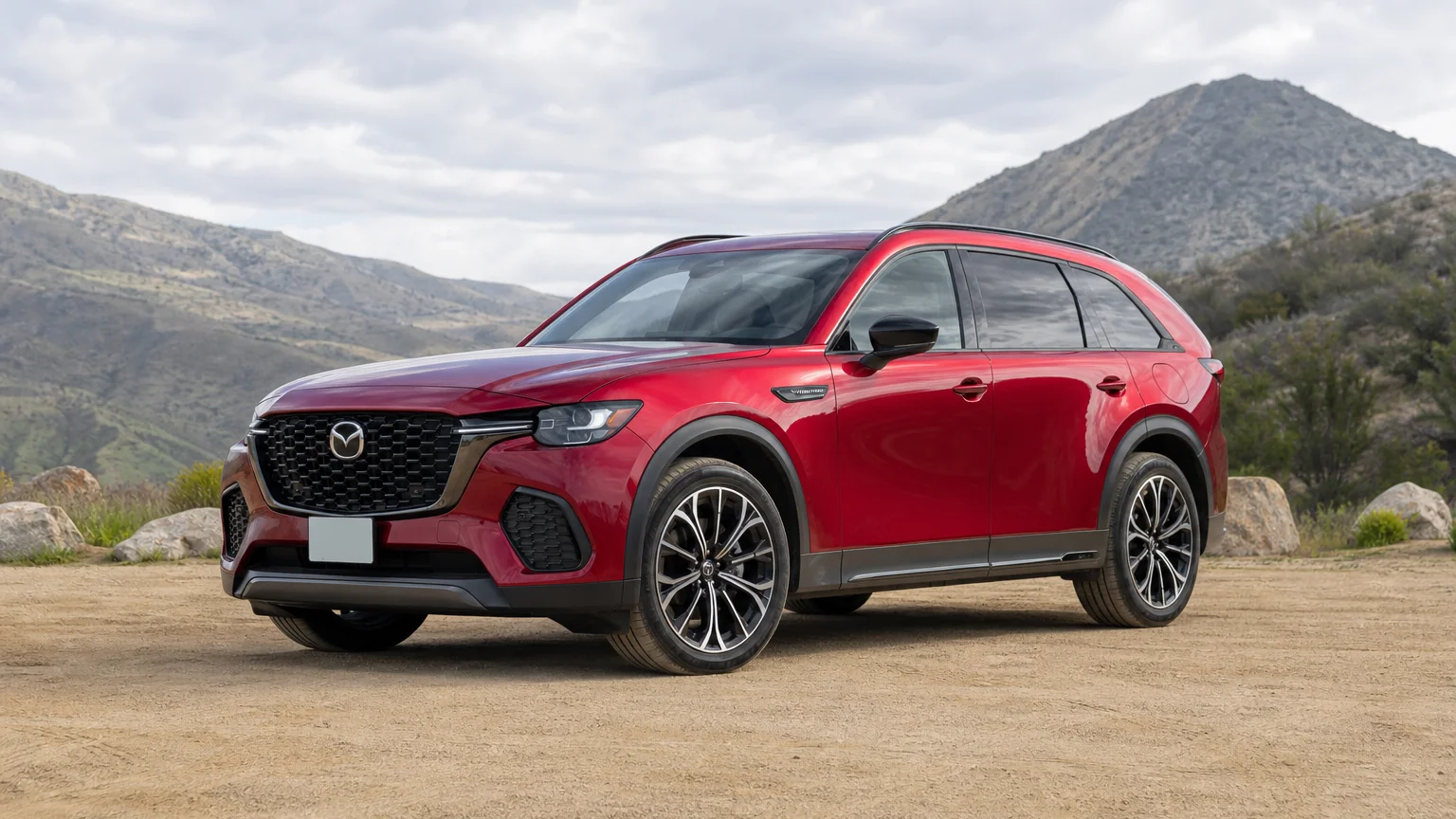
The Mazda CX-70 is a capable, well-built two-row SUV that earned a 5-star NHTSA safety rating and an IIHS Top Safety Pick+ in its first year on sale, but its debut model year came with four recall campaigns and early reliability concerns you should know about before buying used. Because the CX-70 launched only for 2025, the best-versus-worst comparison here is between the PHEV variant and the MHEV/gas variants rather than across a long model-year span. This guide uses NHTSA complaint and recall data, CarComplaints.com, and Consumer Reports owner-survey data to give you a data-backed picture of what to watch for.
For generations, engines, and ownership notes in one place, see the Mazda CX-70 hub.
Related: Mazda CX-90 years to avoid, Mazda CX-50 years to avoid.
At a glance
- Worst years
- 2025
- Best years
- 2025 (MHEV/turbo I6 gas variant)
- Top failure
- 2025 PHEV inverter software causing loss of drive power in EV mode (NHTSA recall 24V-817)
- Always do before buying
- Run the VIN through NHTSA's recall checker to confirm all four 2025 recall campaigns are closed, and on PHEV models specifically, confirm recall 24V-817 (inverter software) has been completed at a dealer
How we rated the best and worst Mazda CX-70 years
The 2025 Mazda CX-70 is the only model year with an established NHTSA complaint record - 38 NHTSA complaints filed, with safety systems, transmission, and fuel system as the most frequently reported problem areas. Within that single model year, the PHEV powertrain variant stands out as the more problematic choice.
Our ratings draw on multiple sources. CarComplaints.com currently has no complaints on file for the CX-70 for any model year, so no PainRank or repair-cost ranking is available from that source yet. NHTSA complaint volume - a separate dataset - shows 2025 as the only year with recorded complaints. We also use Consumer Reports owner-survey data and IIHS safety ratings to round out the picture. CarComplaints ranks a “worst year” by repair cost and mileage at failure (its PainRank methodology), while NHTSA shows raw complaint volume; the two often point to different years. Here, since only one model year exists, the distinction falls between powertrain variants rather than calendar years.
| Mazda CX-70 Generation | Best Mazda CX-70 Years | Worst Mazda CX-70 Years |
|---|---|---|
| 1st gen (2025 - present) | None | 2025 |
Every Mazda CX-70 model year ranked
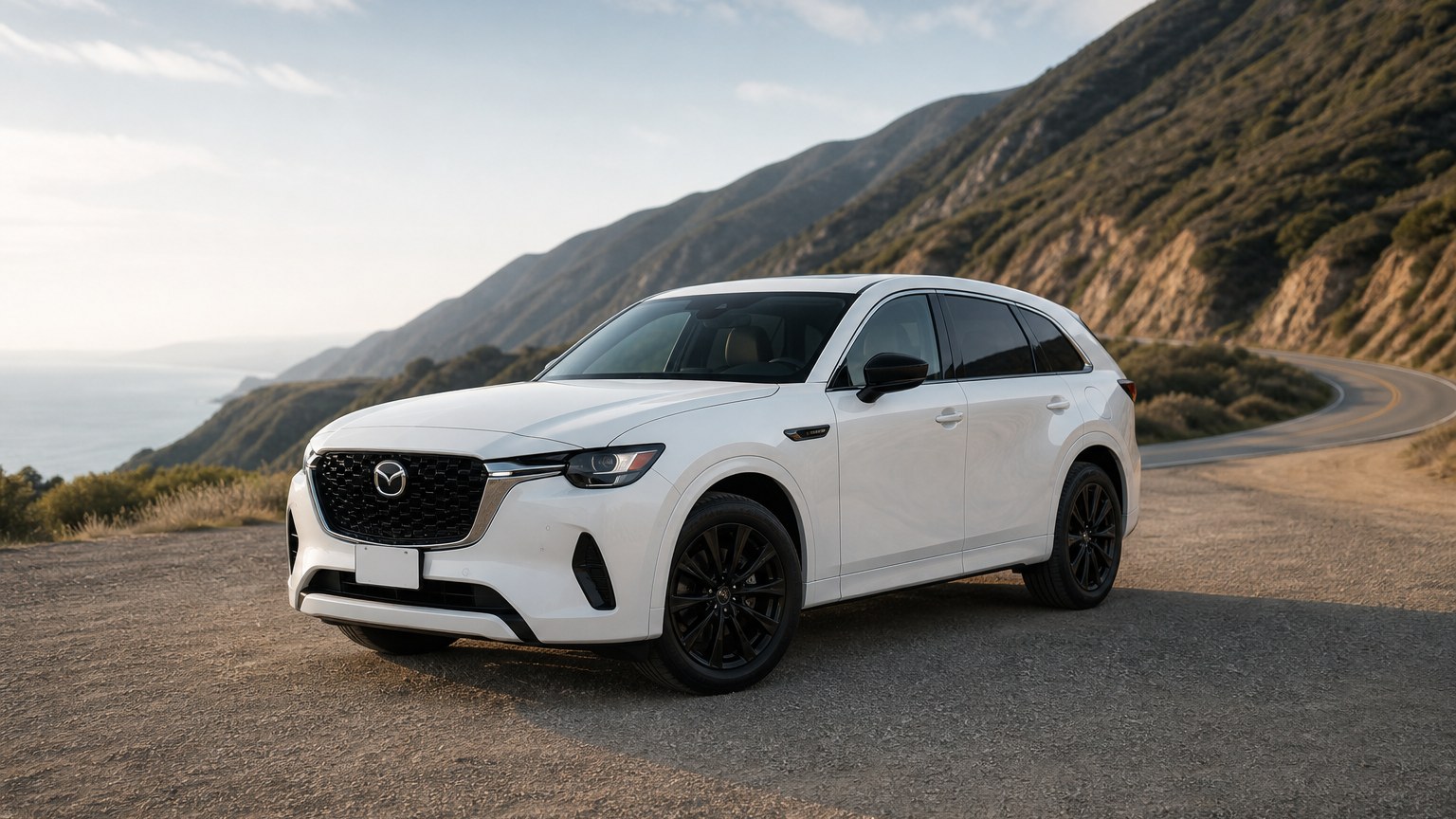
The 2025 model year is the only one with a real-world reliability record on the CX-70; the 2026 model is too new to have meaningful complaint or recall data, so it appears as OK/Mixed pending further data.
| Model Year | Generation | Verdict | Notes |
|---|---|---|---|
| 2025 | 1st gen | Avoid (PHEV) / Best (MHEV) | PHEV has 4 recalls, "much less reliable" per Consumer Reports; MHEV/I6 is the safer pick |
| 2026 | 1st gen | OK/Mixed | Too new for complaint data; same platform, watch for recall carryovers |
Most common Mazda CX-70 problems
The single biggest documented failure on the CX-70 is the PHEV inverter software defect that can cut drive power while the vehicle is moving. Beyond that, the 2025 launch year produced four distinct recall campaigns covering electrical, powertrain, and fuel system concerns.
1. PHEV inverter software - sudden loss of drive power
Mazda recalled certain 2025 CX-70 plug-in hybrid electric vehicles because improper inverter software may cause malfunction indicator lights to illuminate and a loss of drive power to occur while the vehicle is operating in EV mode. Losing propulsion in traffic is a genuine safety risk, which is why this was treated as a safety recall rather than a routine software update.
NHTSA campaign 24V-817, part of Mazda recall 7024J, covers certain 2025 CX-70 PHEVs. Improper inverter software can activate a fail-safe that limits motor power while the vehicle is operating in EV mode. The malfunction indicator light illuminates and a warning chime may sound, and loss of drive power while driving increases crash risk.
Checking the VIN for open recall 7024J/24V-817 and scheduling an authorized Mazda dealer is the first step. The verified remedy is improved inverter software installed free of charge; the recall does not direct owners to buy an inverter or any other part. If you’re shopping a used 2025 CX-70 PHEV, confirm this software update has been applied before purchase - a sudden-power-loss event at highway speed is not something you want to discover on the road.
2. Dash Electrical Supply Unit (ESU) software - false warnings and safety-system failures
Mazda recalled certain 2024-2025 CX-90 and 2025 CX-70 vehicles equipped with a Dash Electrical Supply Unit (ESU). During vehicle startup, the defroster, seat belt warning, 360-degree view monitor functions, and the PHEV high-voltage battery cooling system may not function properly.
An ESU that does not function properly increases the risk of a crash. Dealers reprogram the Dash ESU with improved software, free of charge. This is covered under NHTSA campaign 24V-814 and Mazda recall number 7124J. Mazda knows of no accidents or injuries related to the problem, but says it has received at least five field reports in the U.S.
An illuminated SRS warning at startup could point to this ESU fault rather than a true airbag defect - an SRS light that appears on the 2025 CX-70 alongside other dashboard warnings is a good reason to check whether this recall has been performed.
3. Inaccurate fuel gauge (MHEV models)
On certain 2025 CX-70 and 2024-2025 CX-90 MHEV vehicles, the fuel gauge in the instrument cluster may show fuel remaining despite an empty fuel tank. If the vehicle incorrectly indicates an inaccurate fuel level, there is a risk of running out of fuel while driving.
This would result in an engine stall and the vehicle cannot be restarted, increasing the risk of a crash. When fuel containing ethanol is used, it may react with materials on the sending unit circuit board in the sub-tank. Approximately 16,056 MY2025 Mazda CX-70 vehicles are affected in the U.S. and U.S. Territories.
Mazda’s recall number for this campaign is 7825I. The fuel gauge in the instrument cluster may display an inaccurate fuel reading; dealers will update the body control module (BCM) software, free of charge. Owner notification letters were mailed October 24, 2025. Note that only MHEV (mild hybrid) CX-70 models are affected - plug-in hybrid electric vehicles (PHEV) are not affected by this concern.
4. Forward collision / safety-system false interventions
Across all model years, the most commonly reported problem areas for the CX-70 in NHTSA complaint data are lane departure, forward collision avoidance, and powertrain. Several owners have filed NHTSA complaints about the Smart Brake Support (SBS) system braking without an apparent collision target.
False collision warnings or Smart Brake Support braking without an apparent collision target have been reported to NHTSA for the 2025 CX-70. Mazda’s manual explains that SBS has operating limitations and may respond to certain road objects, narrow or low gates, curves, metal objects, bumps, and other detection conditions. If you experience repeat false braking on a test drive, that is worth noting as a potential sensor alignment or software issue.
5. In-car electronics and battery cold-weather drain
The in-car electronics category, covering infotainment, backup cameras, and the heads-up display, is a documented trouble spot; one owner reported that the HUD screen went blank and has not returned. Cold-weather battery drain is another early theme: one Consumer Reports survey respondent reported that when it is very cold outside, the battery drains to the point that you cannot unlock the doors, and it has happened multiple times with no fix from Mazda yet.
Brakes are also flagged as a potential trouble spot in Consumer Reports’ owner survey, with one owner reporting that the brake pedal drops approximately halfway in its travel to what feels like a detent before the engine will turn over and start. These are early-ownership reports from a brand-new model and may be addressed by software or TSB updates as the car matures.
Which Mazda CX-70 years should you avoid?
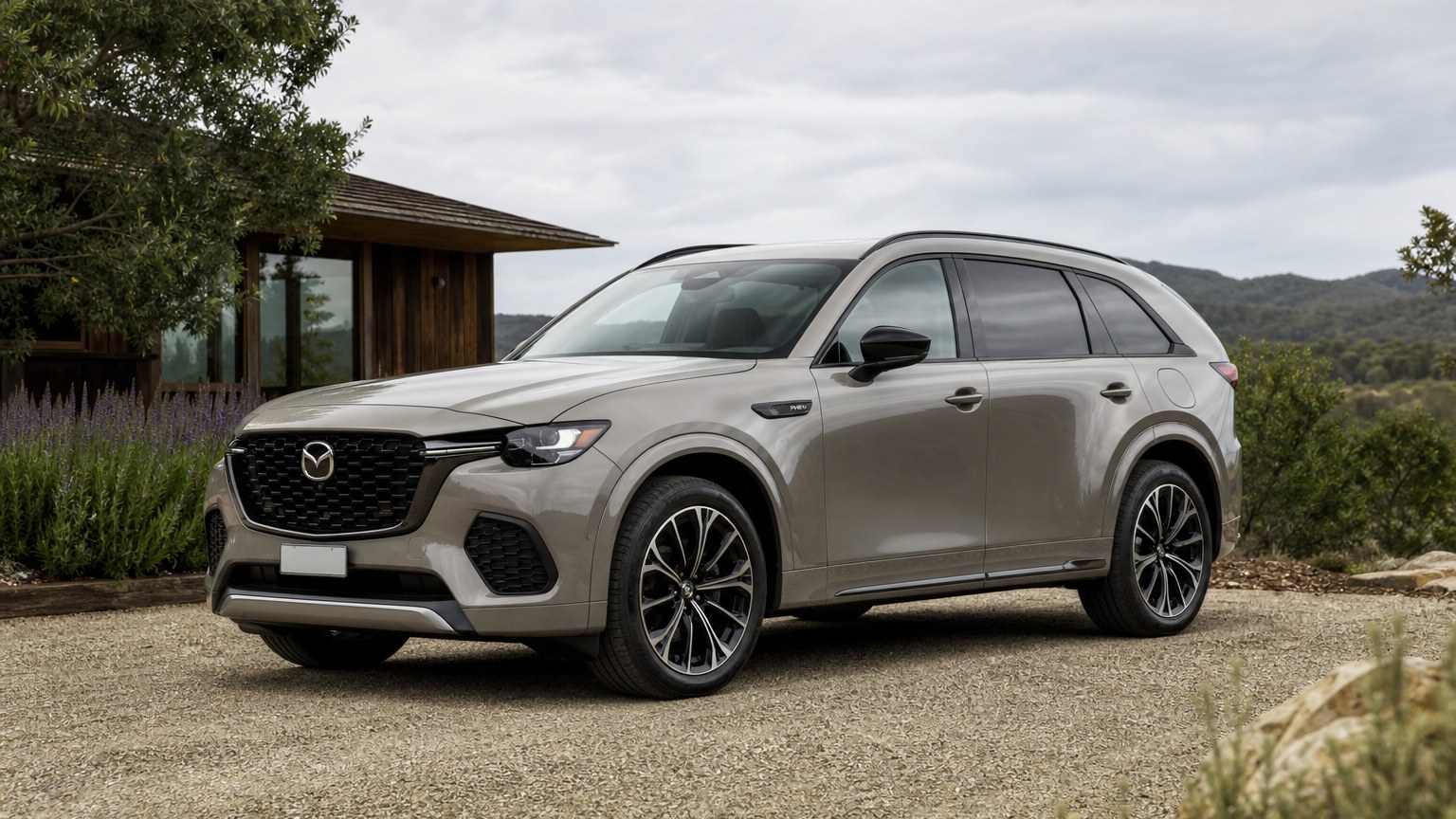
The Mazda CX-70 years to avoid - specifically the PHEV powertrain variant - are represented by the 2025 model year. The 2025 CX-70 PHEV carries the highest concern level: Consumer Reports rates the 2025 CX-70 Plug-in Hybrid as much less reliable than other cars from the same model year, while Consumer Reports rates the standard 2025 CX-70 as less reliable than other cars from the same model year, with 4 NHTSA recalls on record. CarComplaints has no PainRank data for the CX-70, as no complaints have been filed there; the NHTSA complaint data is what drives the concern.
| Mazda CX-70 Generation | Model Years | Verdict | Main Issues |
|---|---|---|---|
| 1st gen (PHEV) | 2025 | Worst | Inverter software recall, "much less reliable" per CR, loss of drive power in EV mode |
| 1st gen (MHEV / I6 gas) | 2025 | Mixed | Fuel gauge recall (MHEV), ESU software recall, electronics complaints |
Worst Mazda CX-70 years: 2025
1st-generation Mazda CX-70 PHEV (2025 - present)
Mazda issued a recall for 31,488 CX-70 PHEV SUVs from model year 2025 because they can suddenly lose drive power. Mazda tells NHTSA that a software problem may cause malfunction indicator lights to illuminate, potentially activating a failsafe mode that limits drive power. This is the recall that most directly affects drivability and safety.
Mazda also recalled 80,915 PHEV SUVs because of a series of electronic problems including false dashboard warnings. Due to a software problem, multiple warning lights may display on startup when they are not needed, and functions like the defroster and 360-degree view monitor may not work correctly. These vehicles cannot receive over-the-air updates, so owners must bring them into the dealership for the patch. If you’re considering a used 2025 CX-70 PHEV, verify both recall 7024J (inverter) and recall 7124J (ESU) have been completed before signing.
What are the best Mazda CX-70 years to buy?
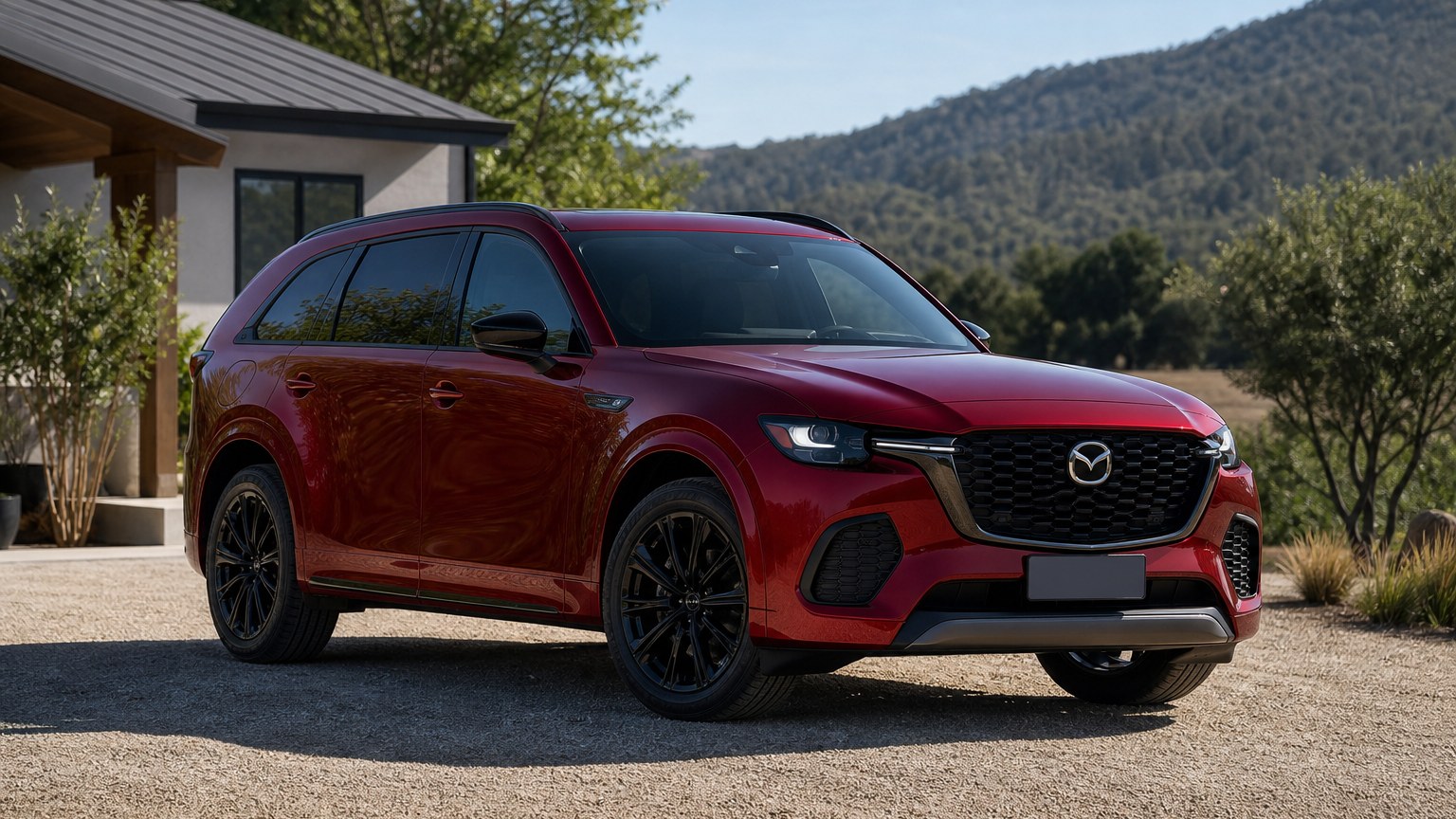
The best Mazda CX-70 years to buy, based on current data, are 2025 models equipped with the MHEV or the 3.3L turbocharged inline-6 (non-PHEV) powertrain.
| Best Mazda CX-70 Year | Why It's a Strong Buy |
|---|---|
| 2025 (MHEV / 3.3L I6 turbo) | Lowest NHTSA complaint density per engine; 5-star NHTSA crash rating; IIHS Top Safety Pick+; fuel gauge recall is a software fix |
Most reliable Mazda CX-70 years: 2025 (MHEV / 3.3L I6 turbo variant)
2025 Mazda CX-70 (MHEV / Turbo I6)
The 2025 CX-70 was offered with two engine options. Based on NHTSA complaint data, the 3.3L 6-cylinder has the lowest complaint density and is considered the most reliable choice for buyers. The fuel gauge recall (7825I) that affects the MHEV is a software-only fix with no part replacement needed, making it a straightforward dealer visit.
NHTSA gave the 2025 CX-70 a 5-out-of-5-star Overall Safety Rating. It especially excelled in side crash testing and received high marks for frontal collisions and rollover risk. On the IIHS side, the CX-70 and CX-70 PHEV both earned the Top Safety Pick+ designation for 2025. The safety credentials are strong across both variants; it is the powertrain reliability that separates them.
Mazda CX-70 pre-purchase checklist
Before buying a used Mazda CX-70, go through this checklist to catch the known weak points before the money changes hands:
- Run the VIN through NHTSA’s recall checker. The 2025 CX-70 has 4 recall campaigns on record. Confirm every one is closed before you buy.
- On PHEV models, verify recall 7024J / NHTSA 24V-817 is complete. Improper inverter software can activate a fail-safe that limits motor power in EV mode, causing the malfunction indicator light to illuminate and a loss of drive power. A dealer service record is the only proof.
- On PHEV and CX-90-platform vehicles, confirm recall 7124J / NHTSA 24V-814 is done. The Dash ESU software defect can prevent the defroster, seat belt warning, and 360-degree view monitor from functioning properly during startup.
- On MHEV models, confirm recall 7825I (fuel gauge) is completed. The BCM software update takes one dealer visit; an unpatched MHEV could run dry without warning.
- Test the Smart Brake Support on a test drive. False collision warnings or Smart Brake Support braking without an apparent collision target have been reported to NHTSA. Make sure the system does not falsely intervene on a normal highway or city drive.
- Check the heads-up display and all infotainment functions. Electronics glitches including a blank HUD and battery drain in cold weather appear in Consumer Reports’ owner survey for this model.
- Cold-weather test if buying in winter. When it is very cold outside, the battery can drain to the point that you cannot unlock the doors - a known issue that owners report Mazda has not yet formally resolved.
- Ask for full service records. Since the CX-70 is brand new, a clean service history should be easy to produce. If the seller cannot show dealer records, that is a red flag on a car this young.
Better alternatives to consider
If the used 2025 CX-70 PHEV in your budget still shows open recalls or you want a model with a longer reliability record, consider these alternatives instead:
- Mazda CX-5 - a well-documented reliability history across multiple generations with zero NHTSA recalls on the 2025 model and a 5-star NHTSA safety rating
- Lexus RX - the benchmark for midsize premium SUV long-term reliability, with a longer production run and a deeper pool of used examples
- Honda Passport - a two-row midsize SUV with a multi-year complaint record you can compare year by year, and a simpler non-PHEV powertrain at a lower price point
Is the Mazda CX-70 worth buying?
The Mazda CX-70 is worth buying as long as you approach the 2025 PHEV variant carefully and verify all four recall campaigns are closed. NHTSA gave the 2025 CX-70 a 5-out-of-5-star Overall Safety Rating, and both the CX-70 and CX-70 PHEV earned IIHS Top Safety Pick+ for 2025 - those are the strongest safety credentials a new model can hold. The reliability picture is less settled: Consumer Reports rates the 2025 CX-70 as less reliable than other cars from the same model year, a finding driven largely by its first-year launch recalls and early owner reports. The 3.3L I6 MHEV or gas variant is the lower-risk used pick. Run the VIN through NHTSA’s recall checker and verify the full dealer service history before signing.