
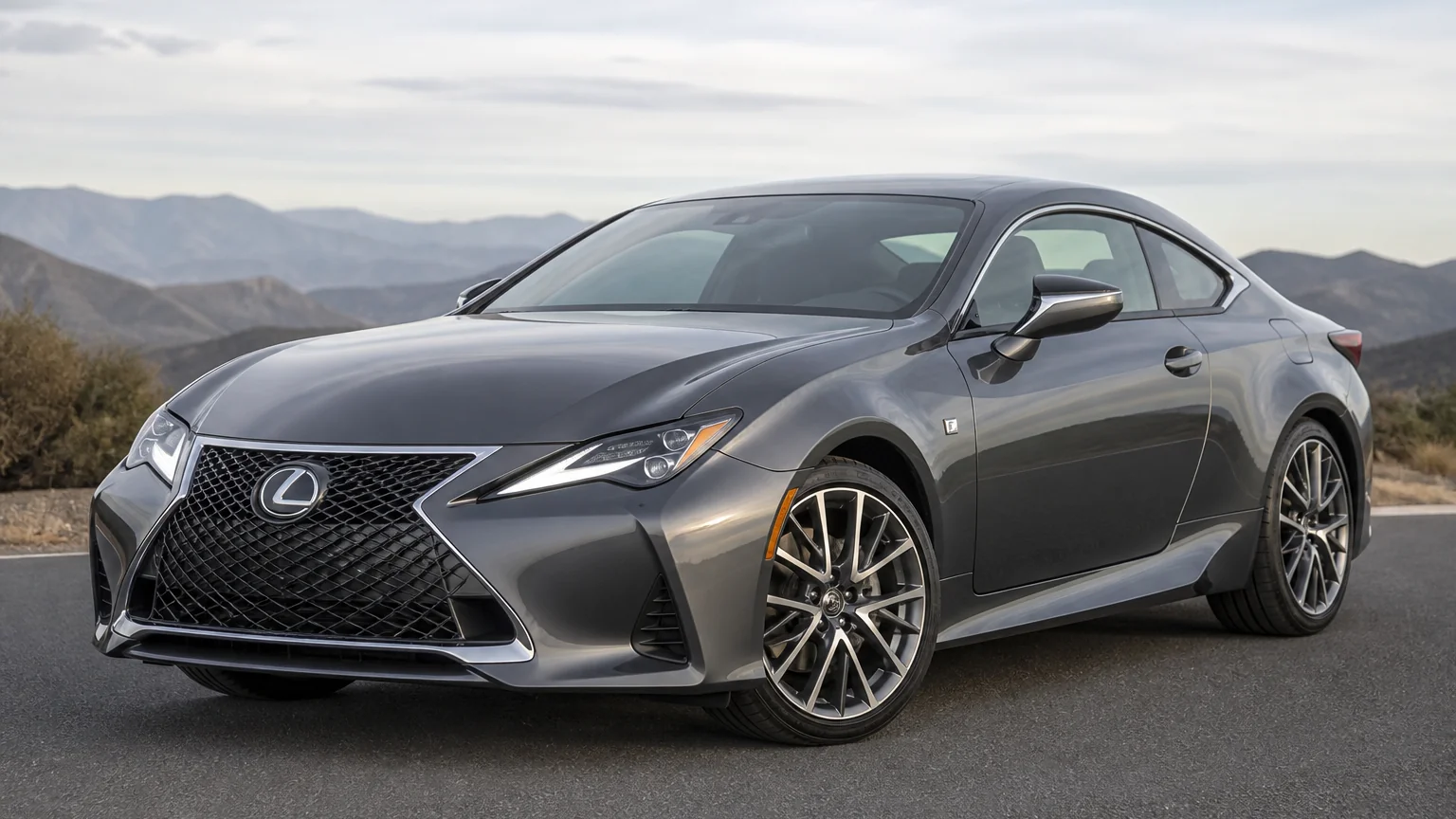
The Lexus RC is a well-built luxury coupe that benefits from Lexus's brand reliability rating of 4.0 out of 5.0, ranking it 7th out of 32 car brands, but a handful of specific model years carry documented complaints that can cost you real money. Your safest path is to know which years to skip and which to target before you visit a dealer. This guide draws on NHTSA complaint data, CarComplaints PainRank scores, and manufacturer recall records. following our editorial guidelines and research methodology — to give you a data-backed verdict on every Lexus RC year.
For generations, engines, and ownership notes in one place, see the Lexus RC hub.
Related: Lexus IS 350 years to avoid, Lexus LC years to avoid.
At a glance
- Worst years
- 2015
- 2019
- Best years
- 2020
- 2021
- 2022
- Top failure
- 2015 RC 350 brake rotor grooving and fuel system faults (CarComplaints / NHTSA)
- Always do before buying
- Run the VIN through NHTSA's recall checker to confirm the fuel pump recall (Toyota numbers 26LB05/26LA05) is closed; on 2019 RC 300s, test the passenger-side A/C before signing anything
How we rated the best and worst Lexus RC years
The 2015 Lexus RC 350 has the most overall complaints, and CarComplaints also rates 2015 as the worst model year on several factors such as repair cost and average mileage when problems occur - with grooved brake rotors as the single most-reported problem. On the RC 300 side, the 2019 Lexus RC 300 has the most overall complaints and CarComplaints rates 2019 as the worst model year, with the passenger A/C blowing warm air as the top complaint. Our ratings pull from NHTSA complaint and recall data, CarComplaints PainRank (which weighs repair cost and mileage at failure), RepairPal for annual maintenance cost, and Consumer Reports reliability surveys. CarComplaints ranks the worst year by repair cost and mileage-at-failure, so its “worst” year often differs from the NHTSA year with the highest raw complaint volume - both sources are cited separately throughout this guide. The Lexus RC has been produced in a single, continuous generation since 2015, with a mid-cycle refresh bringing updated styling and the RC 300 badge for 2019.
| Lexus RC Generation | Best Lexus RC Years | Worst Lexus RC Years |
|---|---|---|
| First gen (2015-present) | 2020, 2021, 2022 | 2015, 2019 |
Every Lexus RC model year ranked
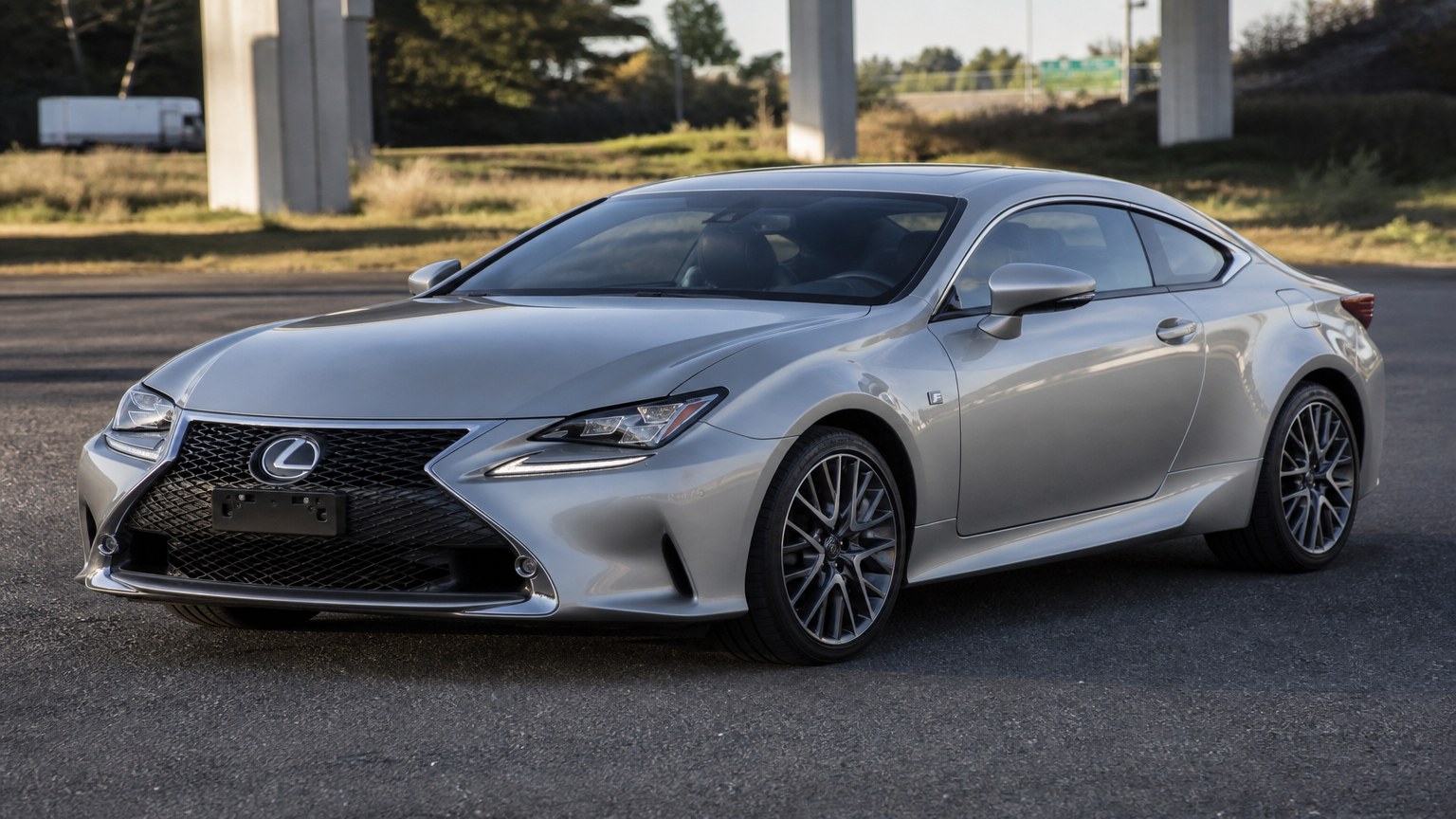
The 2015-2025 Lexus RC has accumulated 44 NHTSA complaints in total, with the most frequently reported problem areas being fuel system, interior, and brakes. The table below uses that complaint picture alongside CarComplaints PainRank data to grade each year.
| Model Year | Generation | Verdict | Notes |
|---|---|---|---|
| 2015 | First gen | Avoid | Most RC 350 complaints; grooved rotors, infotainment faults, fuel pump recall |
| 2016 | First gen | OK/Mixed | RC F high-pressure pump recall; RC 350 brake squeal TSBs |
| 2017 | First gen | OK/Mixed | Low complaint volume; transfer case whine on AWD models noted |
| 2018 | First gen | OK/Mixed | RC F high-pressure pump recall applies; otherwise quiet record |
| 2019 | First gen | Avoid | Most RC 300 complaints; A/C failure as top complaint; CarComplaints worst RC 300 year |
| 2020 | First gen | Best | Low NHTSA complaints; post-refresh; RC F tire-label recall minor |
| 2021 | First gen | Best | Low complaint volume; fuel pump recall closed on most units by now |
| 2022 | First gen | Best | Low complaint volume; low-pressure fuel pump recall applies but dealer-remedied free |
| 2023 | First gen | OK/Mixed | Recent; limited long-term data |
| 2024 | First gen | OK/Mixed | Recent; limited long-term data |
| 2025 | First gen | OK/Mixed | Too new for meaningful complaint record |
Most common Lexus RC problems
The Lexus RC’s most-reported NHTSA problem areas are fuel system, interior, and brakes, with the fuel pump failure being the single most safety-significant fault spanning the widest model-year range.
1. Low-Pressure Fuel Pump Failure (2015-2022)
A Lexus fuel pump recall issued in June 2026 involves about 9,700 vehicles, covering 2015-2022 Lexus RC, 2016-2020 Lexus GS, and 2022 Lexus IS. The fuel pump impeller is made of resin that can swell and interfere with other components, causing damage to the fuel pump. A failed fuel pump will cause warnings to activate and the engine will stall and refuse to restart. The 2015-2022 Lexus RC coupe is named in the recall, covering 5,879 examples produced between June 10, 2014, and February 11, 2022. Toyota’s recall numbers for this campaign are 26LB05 and 26LA05. Dealers will replace the fuel pump assembly free of charge; interim letters notifying owners of the safety risk were mailed June 5, 2026. If you are shopping a 2015-2022 RC, confirming whether this recall has been completed on the specific VIN is the single most important pre-purchase step. A stall at highway speed is the real-world consequence of an unrepaired unit.
2. Grooved Brake Rotors (2015 RC 350, 2013-2020 RC broadly)
The 2015 Lexus RC 350 has the most overall complaints on CarComplaints, and the most-reported problem for that year is brake rotors grooved. Grooved brake rotors develop uneven surfaces that can reduce braking performance and increase stopping distances. Lexus issued multiple TSBs to address brake noise and vibration across the RC lineup. TSBs covering some 2013-2018 Lexus AWD F Sport and non-F Sport models address front brake pad squeal and squeak, along with rear brake vibration and squeak from corrosion on rear brake components, with service parts now available to reduce the likelihood of the condition recurring. A separate TSB (L-SB-0001-16) addresses an AWD transfer case whine on 2015 RC 350 models at 30-50 mph under light throttle. If you inspect a used 2015-2018 RC, have a technician measure rotor thickness and check for grooving or corrosion before purchase. Rotor replacement on a luxury coupe typically runs 600 per axle depending on the shop. A squeaky brake pedal on a test drive is a warning sign worth investigating before signing.
3. Infotainment System Failures (2015 RC 350)
Owners of the 2015 Lexus RC 350 have encountered problems with the infotainment system, with symptoms including the screen freezing, becoming unresponsive, or completely blacking out. This problem generally presents itself at around 6,000 miles, indicating early failure of system components or software issues. This is primarily a first-model-year problem and is less commonly reported on 2016 and later RC 350s. A navigation microSD card error TSB (L-TT-0127-13) addresses a related issue where the card reads an error when missing or swapped from another vehicle. On a pre-purchase test drive, cycle through the navigation, audio, and connected-car menus fully to confirm the screen responds without lag or blackout.
4. Passenger A/C Blowing Warm Air (2019 RC 300)
The most-reported problem on CarComplaints for the 2019 Lexus RC 300 is the passenger A/C blowing warm air even on the coldest setting. This is a dual-zone climate control calibration or actuator fault that leaves the driver’s side cold while the passenger side blows ambient or warm air. A/C blend door actuator replacement typically costs 400 in parts and labor on this platform, though a refrigerant recharge or evaporator sensor fault can produce similar symptoms at lower cost. On any used 2019 RC 300, run both climate zones independently for at least five minutes to verify even cooling across the cabin.
5. High-Pressure Fuel Pump Failure (2015-2018 RC F)
Toyota recalled certain 2015-2018 Lexus RC F vehicles equipped with 5.0L V8 2UR-GSE engines and two high pressure fuel pumps. Specific operating conditions may result in damage to the pulsation damper in one of the high pressure fuel pumps, possibly causing a fatigue crack in the fuel pump cover. A cracked cover may leak fuel which, in the presence of an ignition source, can increase the risk of a fire. Toyota notifies owners and dealers replace the high pressure fuel pumps free of charge. There are no safety recalls for the RC F active spoiler; the recalls for this vehicle pertain to the fuel pump and tire information labels. Confirm both fuel pump campaigns are closed on any used RC F before purchase using the VIN checker at NHTSA.gov/Recalls.
6. Rear Wheel Arch Corrosion (2015 RC 350 and RC F)
Lexus issued a Limited Service Campaign (LSC) covering certain 2015 RC 350 and RC F vehicles for rear wheel arch corrosion. This is a cosmetic-to-structural concern depending on severity: surface rust that spreads under the paint can affect the structural integrity of the wheel arch panel over time. On any used 2015 RC, run your hand along the inner lip of the rear wheel arches and inspect with a flashlight. Rust bubbling under the paint in that specific zone is a documented problem on these cars, not normal wear. Repair costs vary widely by severity, from a $300 touch-up to a $1,500+ panel repair at a body shop.
Which Lexus RC years should you avoid?
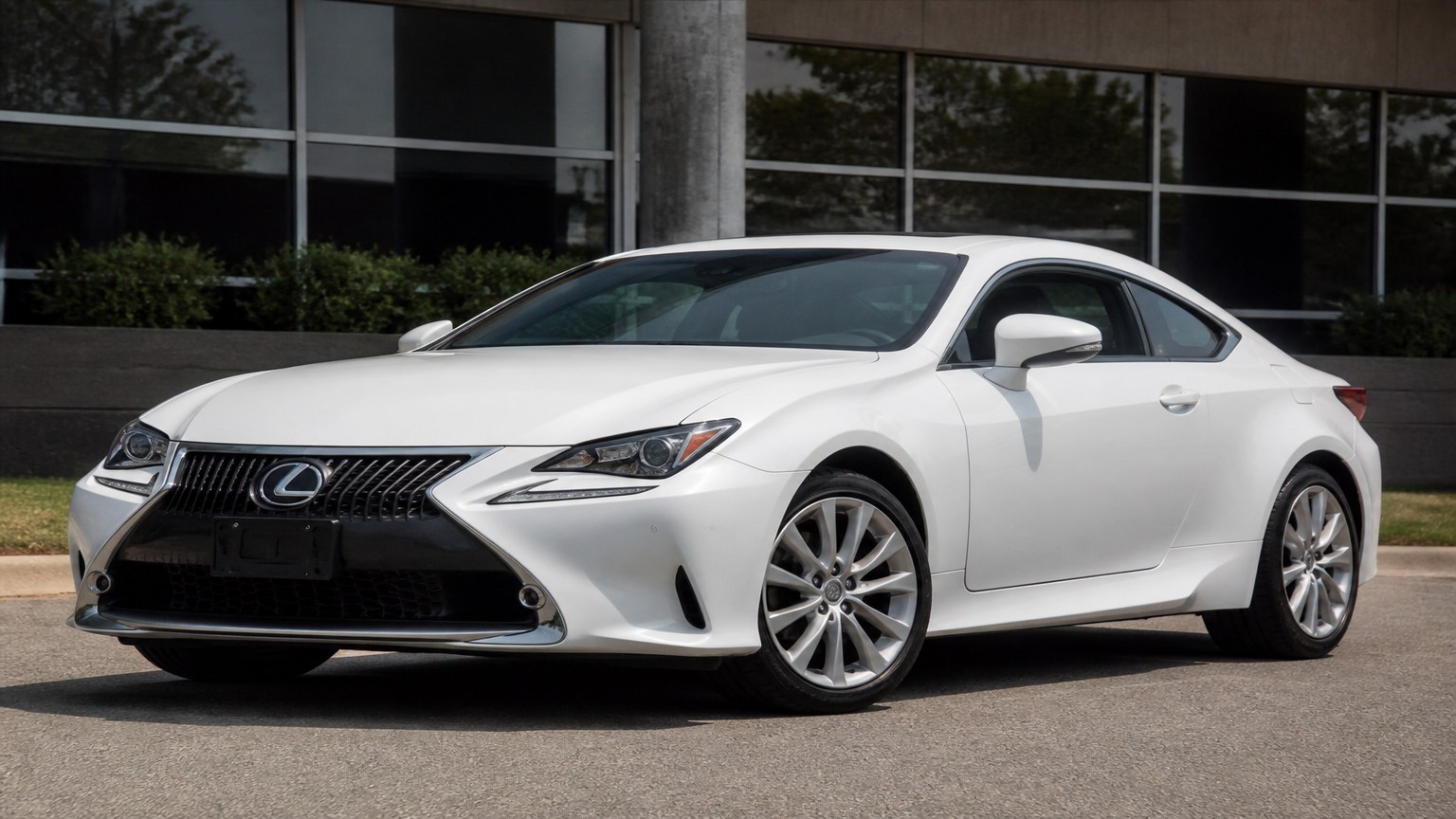
The Lexus RC years to avoid are 2015 and 2019. The 2015 Lexus RC 350 has the most overall complaints, and CarComplaints rates 2015 as the worst model year on factors such as repair cost and average mileage when problems occur. On raw NHTSA complaint volume, the 2015-2025 RC has accumulated 44 NHTSA complaints across its full run, with the launch year drawing the largest share. On the RC 300 side, CarComplaints rates 2019 as the worst year based on repair cost and average mileage when problems occur. Our years to avoid methodology weights both repair cost and mileage at failure, which is why launch-year models like the 2015 RC 350 rank so poorly despite a relatively small overall complaint pool.
| Lexus RC Generation | Model Years | Verdict | Main Issues |
|---|---|---|---|
| First gen (2015-2018) | 2015, 2016, 2017, 2018 | Worst: 2015 | Grooved rotors, infotainment failure, fuel pump recall, rear arch corrosion |
| First gen, post-refresh (2019-present) | 2019, 2020, 2021, 2022, 2023, 2024, 2025 | Worst: 2019 (RC 300) | Passenger A/C blows warm, low-pressure fuel pump recall |
Worst Lexus RC years: 2015, 2019
First-Generation Lexus RC (2015-2018)
The 2015 launch year is the one to skip most firmly. The 2015 Lexus RC has been recalled 3 times by NHTSA. The first-model-year rush brought grooved brake rotors surfacing as a top complaint on CarComplaints, infotainment screens failing at low mileage (around 6,000 miles in some cases), and a rear wheel arch corrosion Limited Service Campaign. The low-pressure fuel pump recall also sweeps in 2015 units. The 2016, 2017, and 2018 models are quieter by comparison. The 2015-2018 RC F carries a separate high-pressure fuel pump fire-risk recall and a brake squeal TSB, but its raw complaint count is low.
Post-Refresh Lexus RC (2019-2022)
The 2019 model brought the RC 300 badge more prominently to market - and with it, the A/C complaint that CarComplaints identifies as its worst-year defining problem. The low-pressure fuel pump recall also applies to 2019 through 2022 RC units, so confirming recall completion is mandatory on any car in this range. The 2020, 2021, and 2022 RC models carry the lowest documented complaint burden. A separate recall covering 2020-2022 Lexus RC F vehicles addresses tire information labels that do not list the vehicle’s weight capacity - a compliance issue rather than a mechanical fault, and easily remedied at a dealership.
What are the best Lexus RC years to buy?
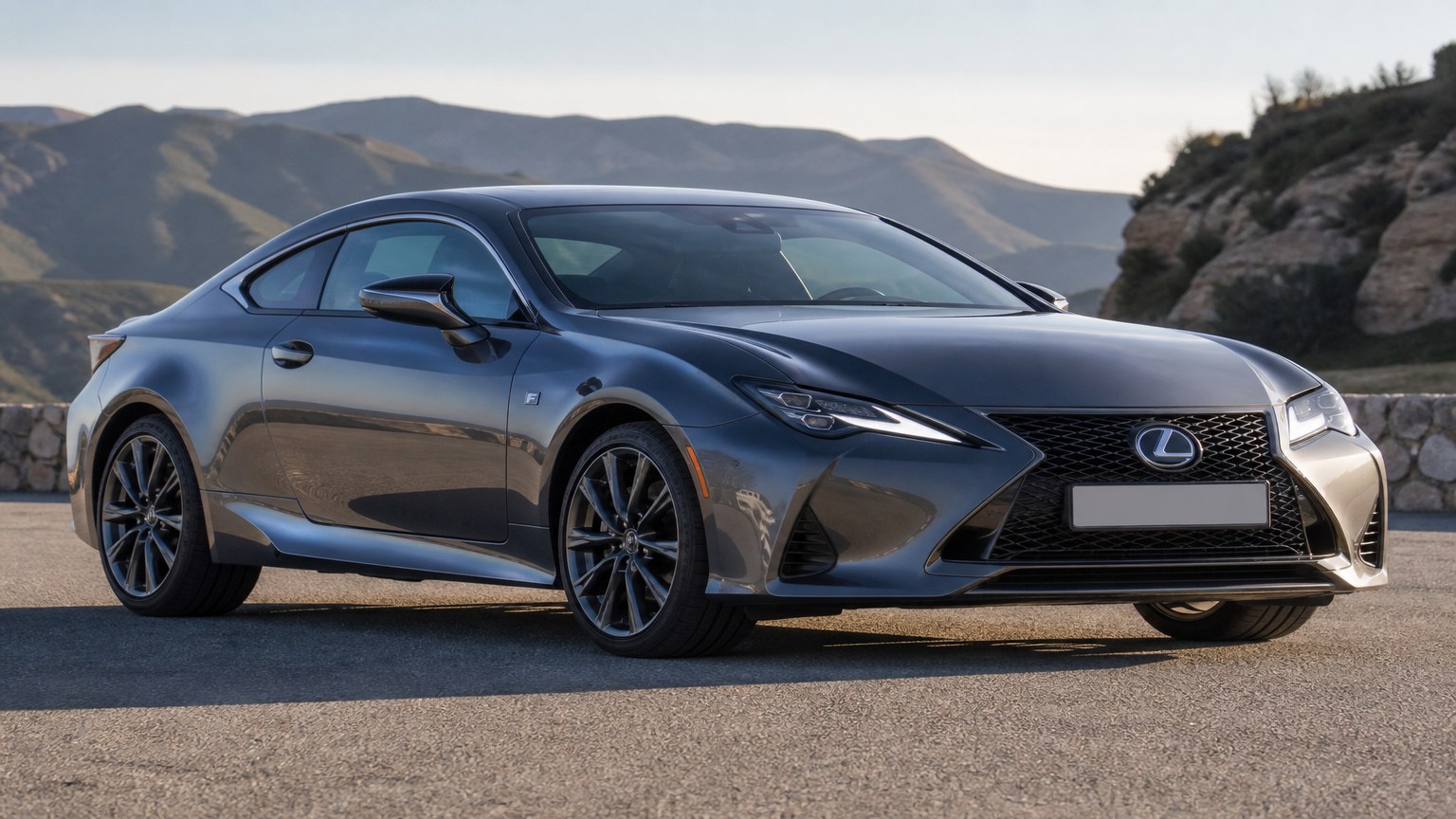
The best Lexus RC years to buy are 2020, 2021, and 2022 - all post-refresh, all carrying the lowest documented complaint volumes and benefiting from corrections made after the 2015 launch-year problems.
| Best Lexus RC Year | Why It's a Strong Buy |
|---|---|
| 2020 | Post-refresh styling and features; low NHTSA complaint count; RC F tire-label recall is trivial |
| 2021 | Very low complaint volume; fuel pump recall actionable by now on most units |
| 2022 | Low complaint volume; Lexus brand reliability rating 4.0/5.0, with only an 8% probability of a repair being severe |
Most reliable Lexus RC years: 2020, 2021, 2022
2020 Lexus RC
The 2020 model sits cleanly past the 2015 brake and infotainment problems and the 2019 A/C complaints. NHTSA complaint data for 2020 shows a minimal count in the overall 44-complaint pool, and the RC F’s tire-label recall (a label swap, not a mechanical repair) is the only notable action. The 2015-2025 Lexus RC can be a sound used car depending on trim, mileage, and maintenance history - and the 2020 gives you the best odds of an uneventful ownership experience.
2021 Lexus RC
The 2021 RC carries essentially the same record as the 2020. The low-pressure fuel pump recall covers 2021 units, but given that owner notification letters were sent in mid-2026, many dealership-maintained cars will have the fix already applied. Ask for the service receipt confirming the fuel pump assembly replacement before purchase.
2022 Lexus RC
The 2022 model rounds out the best-year set with similarly low complaint data. The average annual repair cost for a Lexus is $551, and Lexus owners average only 0.5 visits to a repair shop per year with an 8% probability of a repair being severe - and the 2022 RC tracks right in line with that brand average. It is also the newest year in the best-year set, giving you the most current safety features and infotainment software.
Lexus RC submodel years to avoid
The Lexus RC lineup spans three distinct variants - the RC 300, RC 350, and RC F - each with its own engine, its own model-year span, and its own documented fault pattern. Each is assessed below on its own record.
Lexus RC 300 Years to Avoid
The RC 300 is powered by a turbocharged 2.0-liter inline-four (2GR-FKS on early examples, with a turbocharged 2.0L unit for the 300 badge) paired with an eight-speed automatic, and it carries front-wheel drive or optional AWD. It entered the U.S. market in a more prominent role with the 2019 refresh, making 2019 the year with the most accumulated complaint data. CarComplaints rates the 2019 Lexus RC 300 as the worst model year, with the top-reported problem being the passenger A/C blowing warm air even on the cold setting. No RC 300-specific mechanical recall beyond the broad low-pressure fuel pump campaign (covering 2019 RC 300 units within the 2015-2022 RC recall) applies to this submodel alone. Before buying a used RC 300, confirm:
-
Passenger-side A/C blows cold on a sustained test (minimum five minutes at max cool)
-
VIN is cleared for the low-pressure fuel pump recall (Toyota numbers 26LB05/26LA05)
-
Service records show regular coolant and refrigerant checks
Lexus RC 350 Years to Avoid
The RC 350 uses a naturally aspirated 3.5-liter V6 (2GR-FSE or 2GR-FKS depending on year) producing around 311 horsepower, available in RWD or AWD with a six-speed or eight-speed automatic. It is the core volume model of the RC lineup and carries the largest complaint record. The 2015 Lexus RC 350 has the most overall complaints on CarComplaints and is rated the worst model year on repair cost and average mileage at failure; the most-reported problem is grooved brake rotors. The brake problems and infotainment screen failures described in the main problem sections above were measured primarily on the RC 350 and apply specifically to 2015 units - later RC 350 years are not flagged by CarComplaints. The low-pressure fuel pump recall sweeps in all RC 350 years from 2015 to 2022, and TSB L-SB-0001-16 addresses an AWD-specific transfer case whine on the 2015 RC 350 at 30-50 mph under light throttle. The 2016-2018 RC 350 carries a notably quieter record. The RC 350-specific check any buyer should complete: the annual maintenance cost of a Lexus RC 350 is $721 - budget for that ongoing spend when evaluating total cost of ownership.
Lexus RC F Years to Avoid
The RC F is a dedicated performance variant powered by a naturally aspirated 5.0-liter V8 (2UR-GSE) producing 472 horsepower, paired with an eight-speed automatic and rear-wheel drive only. It ran from 2015 through approximately 2024. Toyota recalled 2015-2018 RC F vehicles equipped with the 5.0L V8 2UR-GSE and two high pressure fuel pumps because specific operating conditions may result in damage to the pulsation damper, possibly causing a fatigue crack in the fuel pump cover - a cracked cover may leak fuel and, in the presence of an ignition source, increase the risk of a fire. This is an RC F-specific fault: the standard RC 300 and RC 350 do not share the twin high-pressure pump configuration. RepairPal has no formal Reliability Rating for the Lexus RC F due to insufficient data. The annual maintenance cost of a Lexus RC F is $754, slightly above the RC 350. The early 2015 RC F also had a documented TSB (L-SB-0018-15) for the active rear spoiler getting stuck in the raised position on pre-VIN JTHHP5BC#F5002927 units, requiring a new spoiler control computer. There are no safety recalls for the RC F active spoiler; recalls for this vehicle pertain to the fuel pump and tire information labels. Confirm both fuel pump campaigns are cleared on any used RC F before purchase.
Lexus RC pre-purchase checklist
Run through these checks on any used Lexus RC before signing:
-
VIN recall check: Enter the VIN at NHTSA.gov/Recalls and confirm the low-pressure fuel pump recall (Toyota numbers 26LB05/26LA05) shows as completed - this covers every 2015-2022 RC
-
Fuel pump service record: Ask for a dealer receipt or service record confirming the fuel pump assembly was replaced; a verbal “it’s been done” is not enough
-
On 2015 RC 350: Check brake rotor surfaces for grooving or deep scoring before purchase; cycle through the infotainment screen fully (navigation, audio, and connected-car menus) to check for freezing or blackout
-
On 2015-2018 RC F: Confirm the high-pressure fuel pump recall is closed on the specific VIN; test the active rear spoiler through its full range of motion on a brief highway run
-
On 2019 RC 300: Run both climate zones at maximum cold for five minutes and confirm the passenger side blows cold air
-
Rear wheel arch check (2015 RC/RC F): Inspect the inner lip of both rear wheel arches with a flashlight for paint bubbling or rust beneath the surface - this is a documented Limited Service Campaign area
-
Service history: Request full service records; a Lexus RC with documented oil changes and brake inspections is the right unit to buy
-
Test drive: Listen for any whining noise when accelerating on AWD models - a transfer case whine at 30-50 mph on light throttle was the subject of TSB L-SB-0001-16 on the 2015 AWD RC 350
Better alternatives to consider
If the Lexus RC years in your budget land on the avoid list, consider these alternatives instead:
-
Lexus IS 350 - the IS 350’s 4.0/5.0 RepairPal rating and $543 average annual repair cost make it a lower-maintenance sedan alternative in the same Lexus ecosystem
-
Lexus GX 460 - a body-on-frame SUV that shares Lexus build quality with a longer durability track record across multiple generations
-
Lexus ES 350 - the ES 350’s front-wheel-drive platform produces one of the lowest average annual repair costs in the Lexus lineup at $468
Is the Lexus RC worth buying?
Yes - the Lexus RC is worth buying, as long as you avoid the 2015 and 2019 model years. Lexus earns a 4.0/5.0 brand reliability rating, ranking 7th out of 32 car brands, with an average annual repair cost of $551 and only a 8% probability of any repair being severe - a strong foundation for a used luxury coupe. The 2020, 2021, and 2022 models carry the lightest complaint records in the lineup and represent the post-refresh design at its most sorted. Before any purchase, run the VIN through NHTSA’s recall database and ask for documented maintenance history - those two steps will tell you almost everything you need to know about the specific car in front of you.