
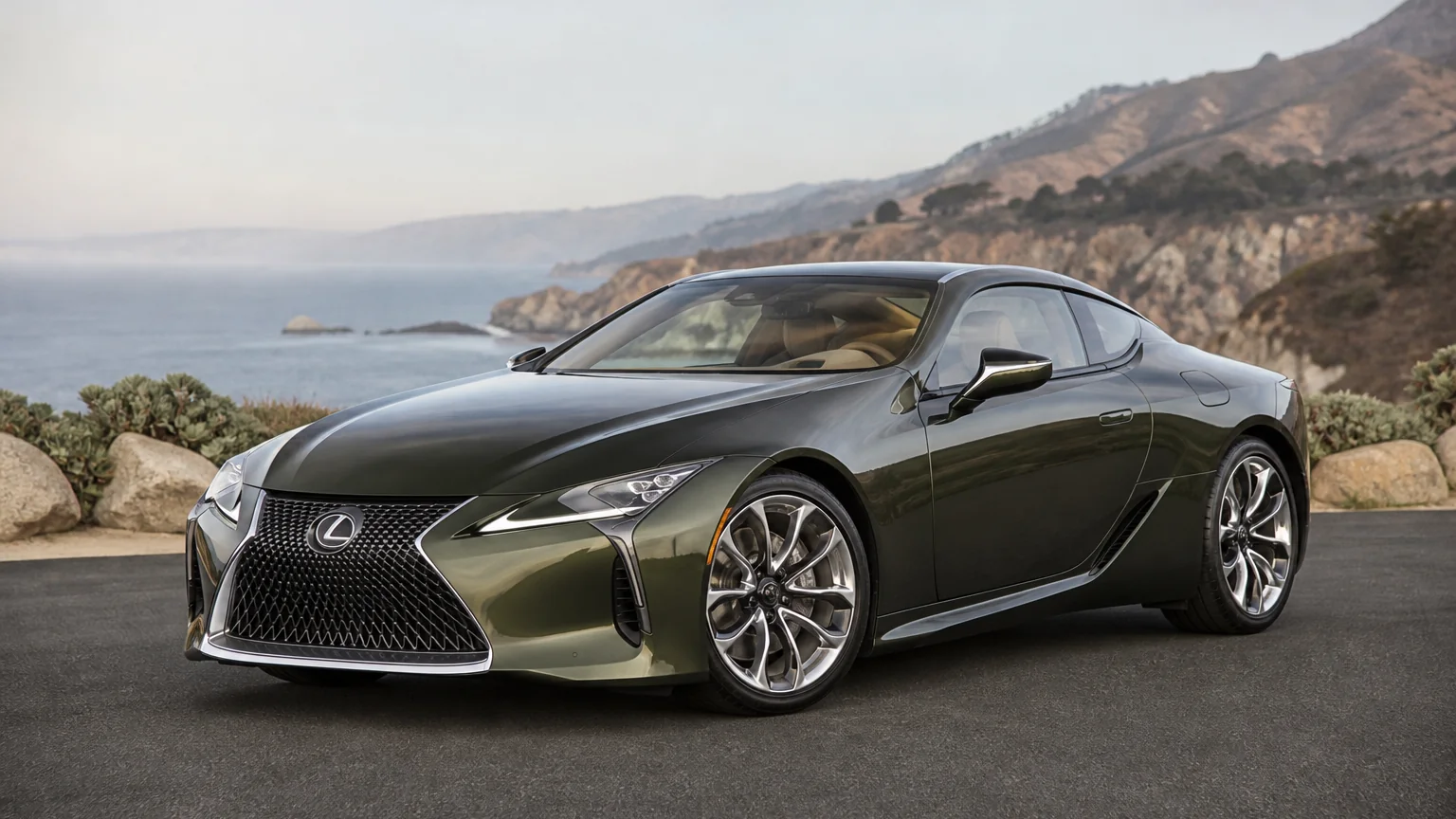
The Lexus LC is one of the brand's most reliable grand tourers, but the 2018 model year arrived with a cluster of fuel pump recalls and the highest complaint count of any LC year on CarComplaints. You don't need to walk away from the LC altogether - you just need to know which years to skip and which to target. This guide ranks every model year using NHTSA complaint data, CarComplaints records, and owner reports from the ClubLexus forum.
For generations, engines, and ownership notes in one place, see the Lexus LC hub.
Related: Lexus RC years to avoid, Lexus IS F years to avoid.
At a glance
- Worst years
- 2018
- 2019
- 2020
- Best years
- 2022
- 2023
- 2024
- Top failure
- Fuel pump failure across 2018-2020 LC 500 and LC 500h (NHTSA recall campaigns 20V-012 and its expansion, Lexus recall number 20LA01)
- Always do before buying
- Run the VIN through NHTSA's recall checker to confirm open recalls are closed, and verify that the fuel pump recall remedy has been performed on any 2018-2020 car
How we rated the best and worst Lexus LC years
The LC’s first model year, 2018, carries the most risk - Consumer Reports flags redesign years as higher-risk because the more extensive or complicated the redesign, the higher the chance of reliability problems. Rating sources used here include NHTSA complaints and recalls, CarComplaints (which ranks the worst year by repair cost and mileage-at-failure via its PainRank system), RepairPal for brand reliability, Consumer Reports, and owner discussions on the ClubLexus forum. CarComplaints and NHTSA measure different things: CarComplaints ranks a year by repair cost and mileage-at-failure, while NHTSA shows raw complaint volume - the two don’t always point to the same year. Our years to avoid methodology follows a consistent framework across rating sources so the same standards apply to every model assessed here.
| Lexus LC Generation | Best Lexus LC Years | Worst Lexus LC Years |
|---|---|---|
| 1st Gen (2018-present) | 2022, 2023, 2024 | 2018, 2019, 2020 |
Every Lexus LC model year ranked
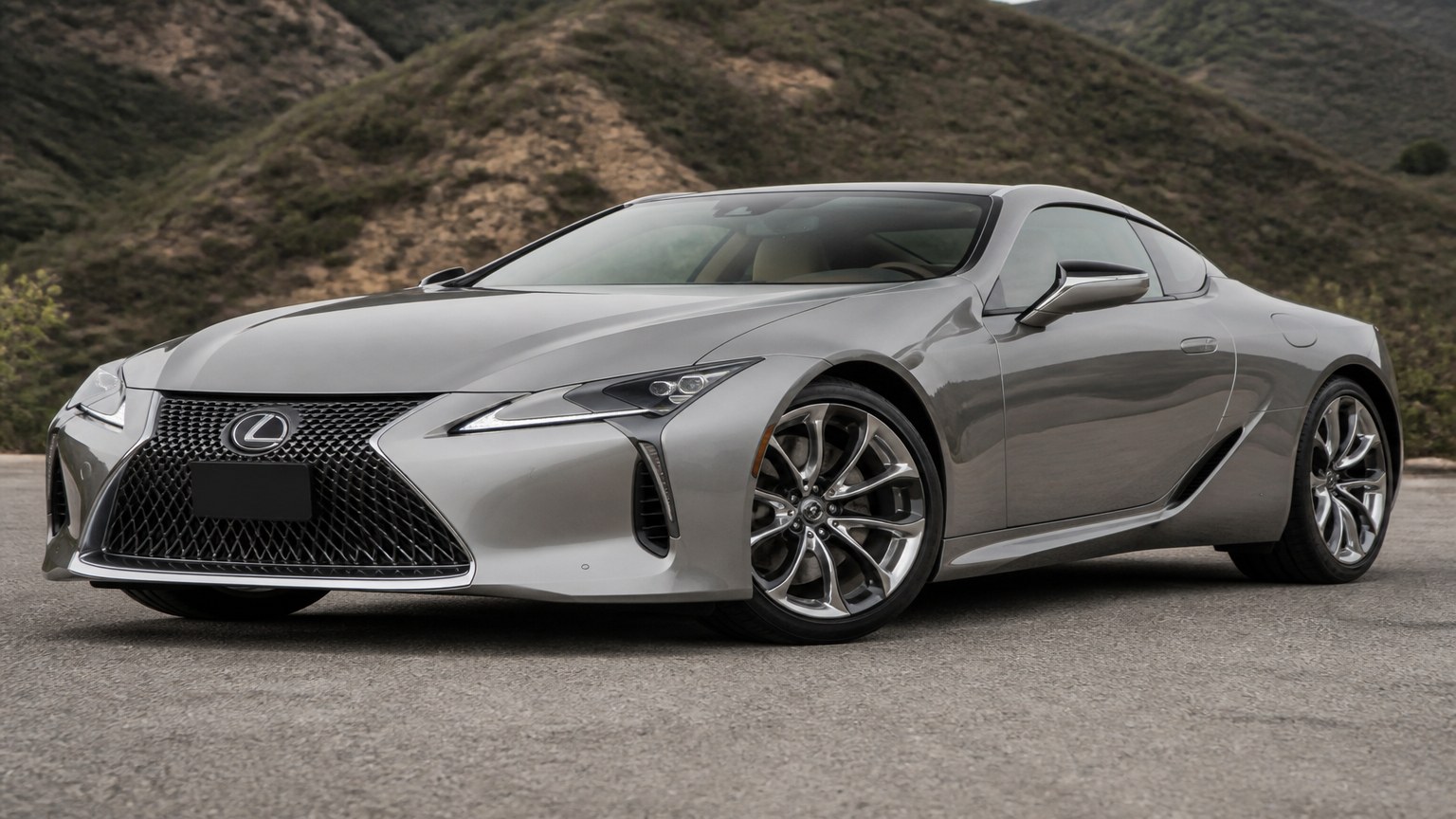
The LC has been sold in a single generation starting in 2018, so every model year is from the same platform - the differences between years come down to recall history, transmission tuning updates, and infotainment revisions.
| Model Year | Generation | Verdict | Notes |
|---|---|---|---|
| 2018 | 1st Gen | Avoid | Most complaints on CarComplaints (7); 3 fuel pump recalls |
| 2019 | 1st Gen | Avoid | Covered by fuel pump recall expansion (20LA01); pre-update transmission |
| 2020 | 1st Gen | Avoid | Covered by fuel pump recall expansion; infotainment complaints |
| 2021 | 1st Gen | OK/Mixed | Brake squeal TSB; 0 NHTSA complaints reported |
| 2022 | 1st Gen | Best | Fewest complaints; high-friction brake pad update; post-recall era |
| 2023 | 1st Gen | Best | Updated safety features; low complaint volume |
| 2024 | 1st Gen | Best | Updated infotainment with wireless Apple CarPlay; low complaint volume |
| 2025 | 1st Gen | OK/Mixed | Too new for meaningful complaint data |
Most common Lexus LC problems
Fuel pump failure is the single biggest documented fault on the Lexus LC, covered by multiple NHTSA recall campaigns across 2018-2020 cars. Beyond that, owners consistently flag rough transmission shifting on pre-update models, infotainment frustrations, body and wind noise, and brake squeal.
1. Fuel pump failure (low-pressure and high-pressure)
The low-pressure fuel pump inside the fuel tank may fail, and if the pump fails, the engine can stall while driving, increasing the risk of a crash. This is the most serious safety issue documented on the LC and triggered multiple recall campaigns. NHTSA recall 18V-107 covered certain 2018 LC 500 vehicles because the high-pressure fuel pumps could become damaged over time, and a cracked cover could lead to a fuel leak - a fuel leak in the presence of an ignition source can increase the risk of a fire. A separate low-pressure pump campaign, NHTSA campaign 20V-012 (Lexus recall number 20LA01), was issued in January 2020 and later expanded. The expansion covered 2018-2020 Lexus LC500 and 2018-2020 Lexus LC500h, among many other Toyota and Lexus models. Toyota/Lexus dealers replace the fuel pump free of charge; the recall began May 4, 2020. Before buying any 2018-2020 LC, confirm with the VIN that both the high-pressure pump recall (18V-107) and the low-pressure pump recall (20V-012 / 20LA01) have been completed. RepairPal notes that the LC500 has 4 known recalls, with the most common being the fuel pump failure causing engine stall while driving. A dealer service record showing pump replacement is the key check.
2. Transmission rough shifting
Some pre-update LCs report roughness or hesitation during gear changes, or delayed gear engagement when pulling away, while later models received updated tuning that makes them more responsive. This affects the 10-speed automatic transmission paired to the V8 in the LC 500. The biggest frustration among used LC 500 owners is problems with the 10-speed automatic transmission that all the V8’s power is sent through. Owners on the ClubLexus forum report that the issue is most noticeable at low speeds and on cold starts, and that it largely eases after the transmission control module software was updated in later production cars. If buying a 2018-2020 example, ask for the service records to confirm a transmission software update was applied.
3. Infotainment system and trackpad
The LC 500 has a finicky infotainment system, with complaints revolving around the trackpad controller in particular. This is one of the most consistent complaints across nearly every LC model year up to the 2023 refresh. The older, pre-update infotainment systems are the main source of complaints; the Remote Touch Interface trackpad arrangement drew frustration even in its updated form. CarComplaints lists a TSB covering 2018 LC 500 and LC 500h vehicles with Panasonic navigation, and a separate TSB on Bluetooth connectivity for 2018-2020 cars. The 2024 model year introduced wireless Apple CarPlay, making it the cleanest infotainment buy. If you’re looking at a pre-2024 car, budget for the possibility that the trackpad feels sluggish and unresponsive.
4. Brake squeal and engine compartment knock
A TSB covers 2018-2021 LC 500 and LC 500h vehicles that may exhibit a squawk or knock noise from the engine compartment when depressing or releasing the brake pedal while stationary or driving. Owners on the ClubLexus forum have separately noted front brake squeal at low-speed stops. A TSB also addresses all 2018-2022 LC 500, LC 500h, and LC 500 Convertible vehicles, which are equipped with high-friction brake pads specifically designed for those models. Brake squeal on these cars is not a safety defect, but it is persistent enough that Lexus issued the bulletin. If you hear a metallic squeal at stops, confirm with a dealer that the correct brake pad specification is in place.
5. Body trim rattles and wind noise
Minor exterior trim rattles have been reported on well-used, high-mileage cars, with the areas around the rear brake lights and roof (on sunroof-equipped cars) generating some complaints - though nothing major to worry about. Squeaky door seals and window seals are a reported concern; when the rubber hardens, owners have noted wind noise and squeaking with movement. These issues are cosmetic and don’t affect reliability, but on a car at this price point they are worth inspecting. Some owners have also had to address a roof body creak, requiring shim additions and C-pillar work. A firm door-seal press and a highway drive test will surface these before you buy.
6. Battery drain
One of the more common complaints among LC 500 owners is unexpected battery drain, which can manifest as a dead battery after the car has been parked for a while. If the vehicle struggles to start or electrical components feel sluggish, the 12V battery may not be holding a charge; owners have also reported infotainment system freezes alongside this symptom. On any LC that has been sitting in inventory or stored for an extended period, have the 12V battery load-tested before purchase.
Which Lexus LC years should you avoid?
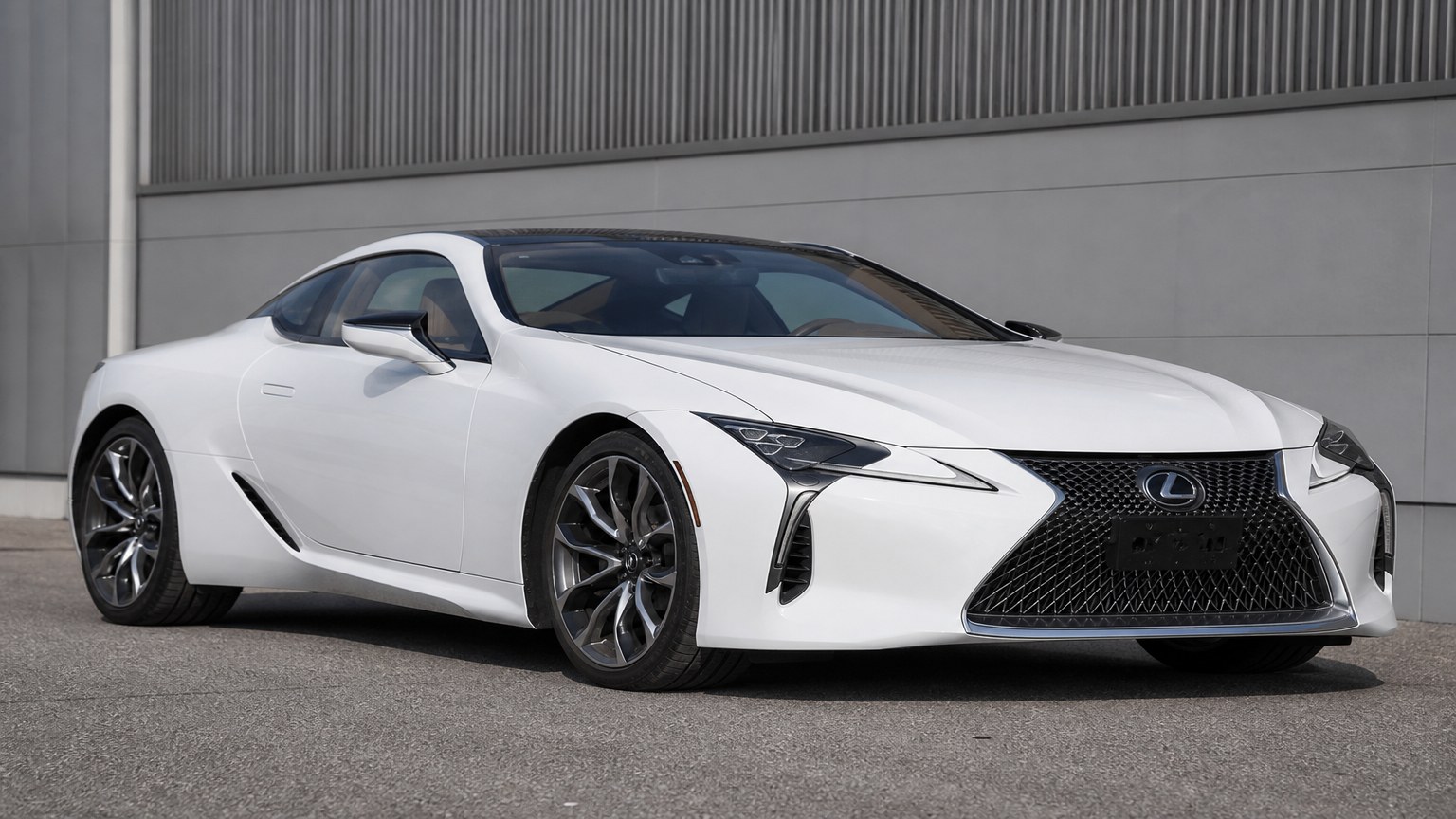
The Lexus LC years to avoid are 2018, 2019, and 2020. The 2018 is the single worst year: CarComplaints records 7 problems and defects reported by LC 500 owners for the 2018 model - the highest total for any LC year on that site - and it also carries 3 fuel pump recalls. NHTSA complaint volume across the 2018-2025 generation is low in absolute terms, with the overall generation accumulating 16 total NHTSA complaints, but the 2018-2020 window is the period when fuel pump recall campaigns were active and unresolved for many cars.
| Lexus LC Generation | Model Years | Verdict | Main Issues |
|---|---|---|---|
| 1st Gen (2018-2020) | 2018, 2019, 2020 | Worst | Fuel pump recalls (18V-107, 20V-012/20LA01), rough transmission shifting, infotainment |
| 1st Gen (2021) | 2021 | Mixed | Brake squeal TSB, engine compartment knock TSB |
| 1st Gen (2022-2024) | 2022, 2023, 2024 | Best | Post-recall, updated transmission tuning, improved infotainment |
Worst Lexus LC years: 2018, 2019, 2020
1st-generation Lexus LC (2018-2020)
The 2018-2025 Lexus LC as a whole accumulated 16 NHTSA complaints, with the most frequently reported problem areas being Body/Trim, Fuel System, and Exterior. The 2018-2020 window concentrates the fuel system issues: both the high-pressure pump fire risk (18V-107, specific to 2018) and the broad low-pressure pump stall risk (20V-012 / Lexus 20LA01, covering 2018-2020 LC 500 and LC 500h) were live or unresolved for owners during this period. The 2018 model alone accounts for 7 CarComplaints defect reports, while the 2020 had just 1 reported on that platform - showing how quickly the complaint volume tapered as recall remedies were completed and production issues were addressed. Pre-update transmission calibration and the old-generation infotainment trackpad are additional friction points on these early cars.
What are the best Lexus LC years to buy?
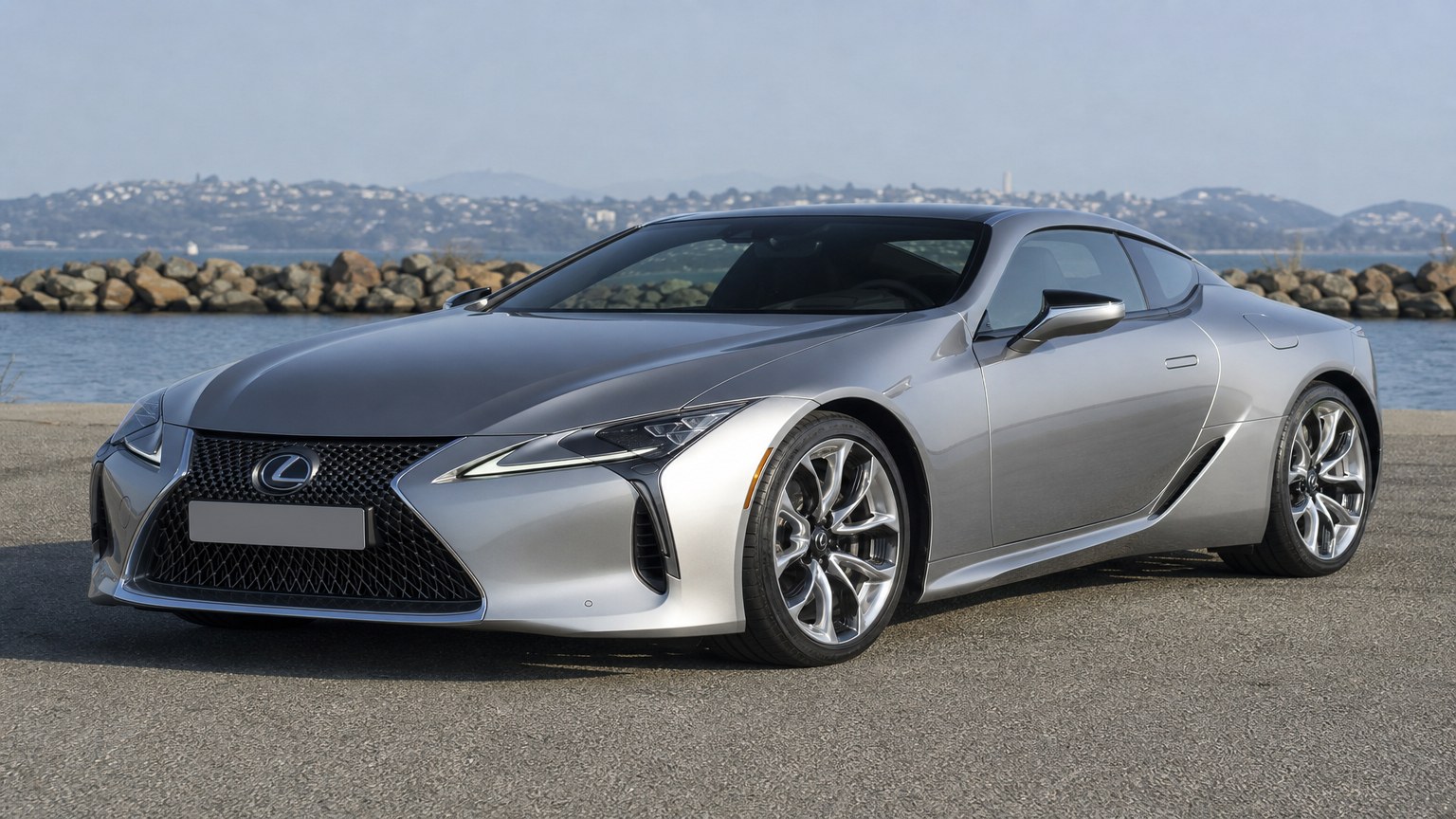
The best Lexus LC years to buy are 2022, 2023, and 2024. These cars sit past the fuel pump recall window, benefit from updated transmission tuning that smoothed out the early rough-shifting complaints, and in the case of the 2024, feature the updated infotainment with wireless Apple CarPlay.
| Best Lexus LC Year | Why It's a Strong Buy |
|---|---|
| 2022 | Post-recall; brake pad TSB resolved; lowest complaint volume in early production era |
| 2023 | Updated safety features; minimal complaint data; improved infotainment |
| 2024 | Wireless Apple CarPlay; latest production revisions; very low complaint volume |
Most reliable Lexus LC years: 2022, 2023, 2024
2022 Lexus LC
The 2022 is the cleanest of the post-recall cars. By this point, the fuel pump remedy parts had been available since early 2021, and the broader Lexus brand earns a RepairPal reliability rating of 4.0 out of 5.0, ranking it 7th out of 32 car brands. The 2022 also received the updated high-friction brake pad specification that addressed the squeal complaints documented in the TSB. If your budget allows, this is the earliest year that ticks all the post-recall, post-update boxes.
2024 Lexus LC
The 2024 model year brought an updated infotainment system with wireless Apple CarPlay and new color options - resolving the single biggest owner gripe across earlier cars. Combined with the very low complaint volume recorded on NHTSA so far, the 2024 is one of the safer picks in the entire LC lineup. It’s also the most feature-complete used buy if you find a low-mileage example.
Lexus LC submodel years to avoid
The LC has been sold in two distinct powertrain variants - the V8-powered LC 500 and the hybrid LC 500h - since launch in 2018. Each is assessed on its own complaint and recall record below.
Lexus LC 500 years to avoid
The LC 500 is Lexus’s halo car, powered by a 5.0-liter V8 generating 471 hp, with power sent to the rear wheels through a 10-speed automatic transmission. Its own worst years are 2018 and 2019. The 2018 LC 500 is the year to avoid most firmly. CarComplaints records 7 problems and defects reported by LC 500 owners for the 2018 model, and it is the only LC 500 year subject to both the high-pressure fuel pump fire risk recall (18V-107, February 2018) and the broader low-pressure pump stall recall (20V-012 / Lexus 20LA01). NHTSA data shows the 2018 LC 500 was recalled for a faulty fuel pump on three separate occasions - twice for pump failure while driving and once for the high-pressure pump crack and fuel leak risk. The pre-update 10-speed transmission calibration (rough shifting at low speeds, covered above) also falls squarely on 2018-2019 cars. No LC 500 model year has accumulated enough complaint data to flag a separate, distinct mechanical defect beyond the fuel system and transmission tuning issues already covered. Before buying a used LC 500, check:
-
VIN confirmation that both fuel pump recalls (18V-107 and 20V-012 / 20LA01) are closed
-
Service record showing transmission software update was applied
-
Test drive for transmission hesitation on cold start and low-speed pull-away
Lexus LC 500h years to avoid
The LC 500h uses a 3.5-liter V6 hybrid drivetrain with several driving modes ranging from docile electric drive to a more spirited character. The multi-stage hybrid system pairs the V6 to both a CVT-like electric motor setup and a conventional 4-speed automatic, giving it a distinct powertrain from the LC 500 V8. The 2018-2020 LC 500h shares the low-pressure fuel pump recall (20V-012 / Lexus 20LA01) with its V8 sibling - the March 2020 expansion of that recall specifically named the 2018-2019 LC 500h among the added vehicles. Some owners have reported battery-related issues with the LC 500h’s hybrid system, which can lead to reduced performance. The high-pressure pump fire-risk recall (18V-107) was specific to the LC 500 V8’s dual high-pressure pump setup and does not apply to the LC 500h’s hybrid drivetrain. No LC 500h model year has accumulated enough NHTSA complaint data on its own to warrant flagging beyond the shared 2018-2020 fuel pump recall window. The hybrid battery in the LC 500h uses a nickel-metal hydride chemistry - more mature and less thermally sensitive than lithium-ion - so long-term battery replacement costs are lower than on many plug-in hybrid alternatives. The pros and cons of hybrid ownership apply here in a mild form: fuel savings are modest, but the hybrid system adds negligible repair burden compared to the V8’s documented fuel pump history. Before buying a used LC 500h, check:
-
VIN confirmation that the low-pressure fuel pump recall (20V-012 / 20LA01) is closed
-
Hybrid battery health check (dealer scan for cell balance and state-of-health)
-
Test for any powertrain warning lights or sluggish electric-only mode engagement
Lexus LC pre-purchase checklist
Run this check before handing over a deposit on any used Lexus LC. Complaint counts and recall histories referenced throughout this guide are cross-checked against editorial guidelines and research verification standards to ensure accuracy before publication.
-
Run the VIN through NHTSA’s recall lookup: Confirm that every open recall, especially the fuel pump campaigns (18V-107 and 20V-012 / 20LA01 on 2018-2020 cars), has been completed and closed.
-
Ask for the fuel pump service record: On any 2018-2020 LC 500 or LC 500h, confirm in writing that both the high-pressure and low-pressure pump recalls have been performed by a Lexus dealer. If the fuel pump problem has not been addressed, it is imperative you do not drive away in the car.
-
Test the transmission cold: On 2018-2020 LC 500 cars, take the car on a cold-start test drive. Hesitation or rough engagement pulling away from rest is the key symptom of the pre-update 10-speed calibration - confirm a software update has been applied.
-
Check infotainment function: Test the trackpad, Bluetooth pairing, and navigation on any pre-2024 car. TSBs exist covering Bluetooth connectivity concerns including difficulty pairing a phone and intermittent connection failures. A dealer can apply the fix if not yet done.
-
Inspect door seals and roof area: Press the door seals and listen for wind noise at highway speed. Check the area around the C-pillar and rear brake lights for rattles on higher-mileage cars.
-
Load-test the 12V battery: On any LC that has spent time in dealership inventory or storage, a 12V battery that is not holding charge can trigger infotainment freezes and hard-start symptoms.
-
Pull full service records: Confirm consistent oil changes, transmission fluid services, and that no track days or high-load events appear without corresponding fluid services. Thermal load and transmission fluid degradation cause most reliability issues on the LC in performance use.
Better alternatives to consider
If the Lexus LC years in your budget land on the avoid list, consider these alternatives instead:
-
Lexus GX 460 - a truck-based Lexus with a stronger per-year reliability record and a longer production history that makes the best-and-worst year picture much clearer
-
Lexus ES 350 - the volume Lexus sedan with a deeper used-car pool, lower running costs, and more data points per model year for reliability research
-
BMW 8 Series - a direct cross-shop in the luxury grand tourer class, with a wider dealer network for used buyers, though its own turbocharged engines carry higher service costs than the LC’s naturally aspirated V8
-
Porsche 911 - a similar price bracket for late-model used examples, with one of the most thoroughly documented model-year reliability records in the enthusiast segment
Is the Lexus LC worth buying?
Yes, the Lexus LC is worth buying - as long as you avoid 2018, 2019, and 2020. The 2018-2025 Lexus LC can be a solid used car purchase depending on trim, mileage, and maintenance history; with 16 total NHTSA complaints on record, prospective buyers should review the known problem areas and check for open recalls before buying. The 2022, 2023, and 2024 cars in particular post a clean complaint record, carry updated transmission and brake calibrations, and benefit from recall remedies that have long been completed. The broader Lexus brand holds a RepairPal reliability rating of 4.0 out of 5.0, ranking 7th out of 32 car brands - a meaningful floor for long-term ownership confidence. Run the VIN through NHTSA’s recall checker and verify complete service records before signing anything.