
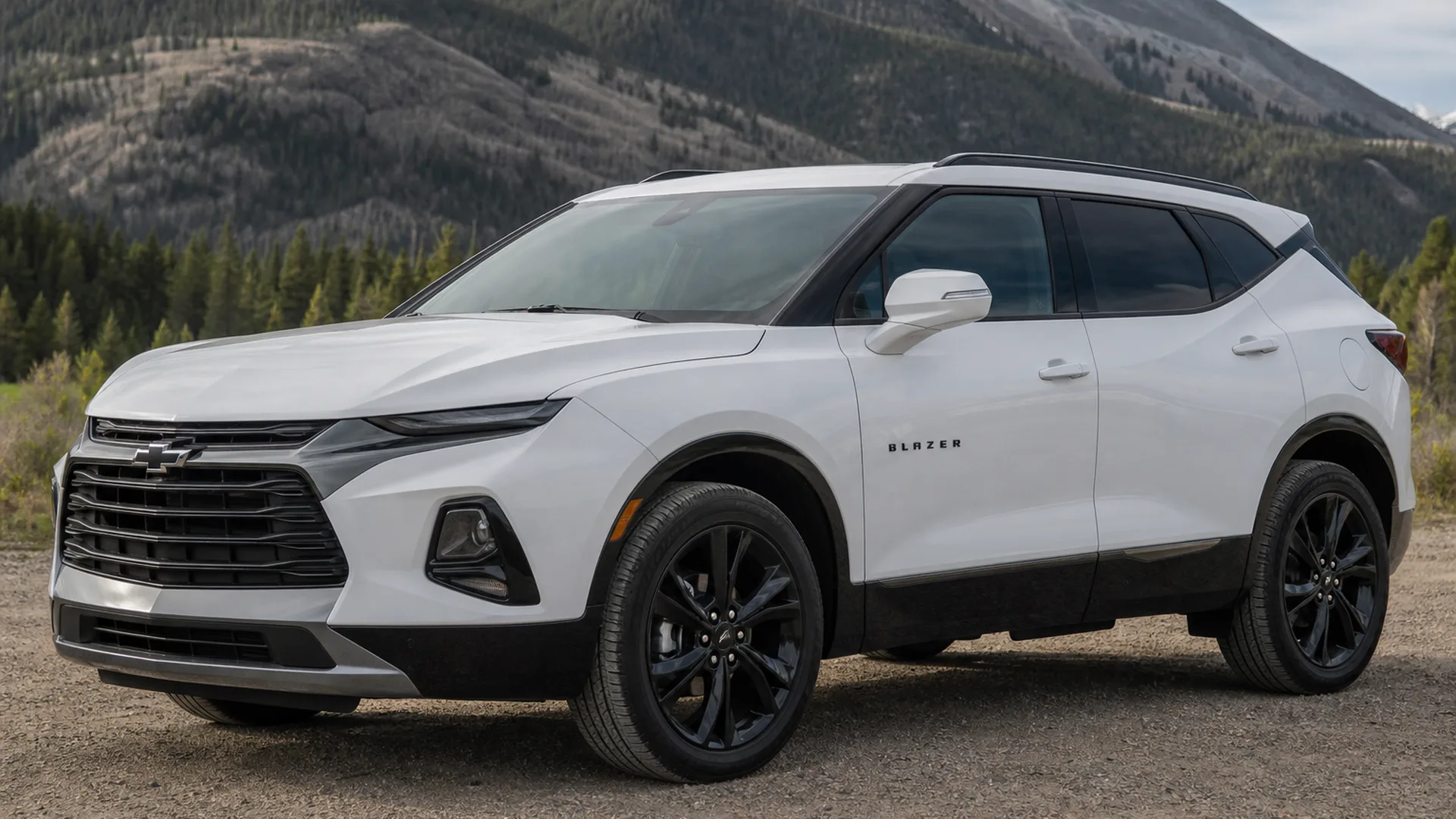
The Chevrolet Trailblazer has lived two completely different lives. First as a rugged, truck-based SUV from 2002–2009, then reborn as a compact crossover starting in 2021. Both versions attracted buyers with their affordable pricing and practical features, but reliability tells a different story. Some model years became money pits for owners, while others proved surprisingly dependable. We’ve analyzed recall data, owner complaints, and repair costs to show you exactly which Trailblazer years will save you headaches—and which ones to run from. If you’re considering purchasing a used Chevy Trailblazer, it’s essential to know which Chevy Trailblazer years to avoid.
How we rated the best and worst Chevrolet Trailblazer years
We pulled information from NHTSA recall databases, consumer complaint websites, and reliability surveys to build a complete picture of Trailblazer ownership. The early 2000s models generated thousands of complaints annually, while later years showed dramatic improvements. We cross-referenced owner forum discussions with official recall notices and tracked repair costs reported by mechanics and parts suppliers. This approach gave us both the hard numbers and real-world experiences that matter when you’re shopping for a used SUV or deciding whether to keep your current one.
Most Common Chevrolet Trailblazer Problems
When considering a used Chevrolet Trailblazer, it’s important to understand the common issues that have plagued various model years. While many owners report years of dependable service, certain problems crop up more frequently than others. In this section, we’ll break down some of the most common and recurring issues across the Trailblazer lineup, so you can make an informed decision before purchasing.
1. Engine and Transmission Issues
One of the most frequent problems with the Trailblazer, especially in the first generation, is related to its engine and transmission. The 4.2L inline-six engine found in earlier models has a tendency to wear out valve seats, causing misfires and power loss. When neglected, engine components such as camshaft actuators can also malfunction, leading to further performance issues.
The 4L60E automatic transmission, particularly in 2002 models, is known to fail prematurely, often at low mileage, which can be a costly repair.
More recent models (2021–2022) have had their own issues, primarily with the turbocharger. Some owners have experienced underboost problems, requiring replacements. Additionally, there have been reports of rough shifting and transmission slipping, especially in the front-wheel-drive versions with continuously variable transmissions (CVTs).
2. Fuel Gauge Problems
A recurring issue in the 2005–2007 Trailblazers is malfunctioning fuel gauges. The gauge may read empty when the tank is full or vice versa, leading to an inaccurate reading of fuel levels. This issue became so widespread that GM launched a special repair program for affected vehicles. The fix requires replacing the entire fuel pump assembly. It’s critical to address this issue, as an unreliable fuel gauge could result in running out of gas unexpectedly.
3. Electrical System Problems
Electrical issues were common in the early Trailblazer models, particularly in the first generation. Owners frequently reported problems with malfunctioning brake lights, faulty instrument clusters, and HVAC blower motors that only worked intermittently due to burned-out resistors.
The 2006–2007 models experienced a particularly serious problem involving water entering the driver’s door module. This could cause short circuits, and in some cases, even lead to fires. GM issued a recall for this issue, so if you’re considering a 2006 or 2007 model, be sure to check if the necessary repairs have been completed.
4. Cooling System Failures
Early Trailblazers, particularly those in the 2002–2005 range, suffered from cooling system issues due to a faulty fan clutch. If the fan clutch fails to engage properly, the engine can overheat, leading to internal damage. In contrast, when the fan clutch remains stuck “on,” it creates a loud roaring noise and reduces fuel efficiency. A fan clutch repair is far cheaper than the engine damage that can follow if you ignore it.
5. Brake System Issues
While the original Trailblazer’s brake system had typical wear-and-tear issues, newer models (2021–2022) have experienced more severe problems. Some owners reported complete brake system failures or significant reductions in braking power, with one case of a brake master cylinder failure occurring at just 3,000 miles. These problems were serious, though not widespread. Nonetheless, it’s essential to test the brakes thoroughly on any Trailblazer from these model years.
Worst Chevrolet Trailblazer years to avoid
Original Trailblazer (2002–2009): The Problem Years
2002: This launch year was rough. With 1,249 NHTSA complaints, 14 separate recalls, transmission failures, engine problems, and even marginal crash test ratings, the 2002 Trailblazer earned its reputation as a vehicle to avoid. First-year production issues combined with design flaws make this a risky purchase even at bargain prices.
2003: GM fixed some 2002 issues but not enough. Owners still faced engine troubles, electrical problems, and the same fan clutch failures. Reliability remained well below average.
2006: This is one of the worst years, with 1,297 NHTSA complaints. Despite being the first year for the SS trim with V8 power, the 2006 models continued having all the previous problems plus the dangerous door module defect that could cause fires. If you find a 2006, verify all recalls were completed—your safety could depend on it.
2005: Here’s the tricky one. Some reliability guides rate 2005 as decent, but it actually had the highest complaint count of any year, 1,466 with NHTSA. The reason? A lot of 2005 owners dealt with fuel gauge failures. If you can find one where this expensive repair was already completed, it might be okay. Otherwise, plan for that repair.
Modern Trailblazer (2021–Present): Launch Year Blues
2021: Like many first-year models, the 2021 Trailblazer had growing pains. A brake recall, turbo replacements, and various electronic glitches made early ownership frustrating. Some owners needed major brake system repairs within the first few thousand miles. Unless you find one with documented repairs and recall completions at a significant discount, look elsewhere.
Best Chevrolet Trailblazer years to Buy
Original Generation: The Late Bloomers
2008–2009: These are your sweet spot years. GM had worked out most of the major problems by then, and the 2008 (193) and 2009 (27) have far fewer NHTSA complaints than earlier years. The fuel gauge issues were resolved, fan clutch problems were largely fixed, and electrical systems became much more reliable.
2007: This represents the turning point year. Still some lingering issues, but complaint volumes dropped significantly compared to 2005–2006 (732 NHTSA complaints). If you find a well-maintained 2007 with service records, it can be a decent buy.
Modern Generation: Post-Launch Improvements
2023–2024: These emerge as the clear winners. Few complaints (75 with NHTSA for the 2023), no major recalls, and refined manufacturing processes make these your best bet for dependable transportation.
2022: Generally acceptable, especially compared to 2021. Most launch-year bugs were fixed, though isolated problems still occurred. If you find a good deal on a 2022, just verify all software updates were completed.
What to Inspect Before Buying Chevy Trailblazer
For any Trailblazer you’re considering:
- Check the VIN for open recalls—this is free and takes minutes
- Test the fuel gauge thoroughly on older models (fill up and watch for accurate readings)
- Listen for fan clutch noise on first-gen models (loud roaring when parked after driving)
- Test all brake functions on newer models, including emergency braking
- Verify electrical systems work properly (lights, HVAC, instruments)
- Budget for known repairs even on “good” years, like blower resistors and fuel sensors
Better Alternatives to Consider
If Trailblazer reliability concerns have you worried, these alternatives offer similar capabilities with better track records:
Toyota 4Runner: For those wanting the original Trailblazer’s truck-based capability, the 4Runner delivers legendary durability. Higher purchase price, but lower long-term costs.
Toyota Corolla Cross: In the modern compact SUV space, this offers similar size and efficiency as the new Trailblazer but with Toyota‘s reputation for reliability. Likely to hold value better long-term too.
Honda HR-V or Subaru Crosstrek: Both compete directly with the current Trailblazer and have earned consistent reliability praise. The HR-V offers Honda’s proven powertrain reliability, while the Crosstrek provides standard all-wheel drive with Subaru’s dependable engineering.
Is the Chevrolet Trailblazer worth buying?
The Trailblazer story really comes down to timing. The early years (2002–2006) and launch year (2021) had serious, expensive problems that make them poor used car choices. But the refined models—2008–2009 from the original generation and 2023+ from the new one—can provide dependable, affordable transportation.
If you’re shopping for a first-generation Trailblazer, stick to 2008–2009 models with maintenance records. For the modern crossover, 2023 or newer gives you the best reliability odds. When in doubt, those Toyota and Honda alternatives we mentioned offer better long-term peace of mind.
Remember: a cheap purchase price doesn’t matter if you’re spending thousands on repairs later. Choose your year wisely, inspect carefully, and you can find a Trailblazer that serves you well—or pick an alternative that’s even more dependable from day one.