
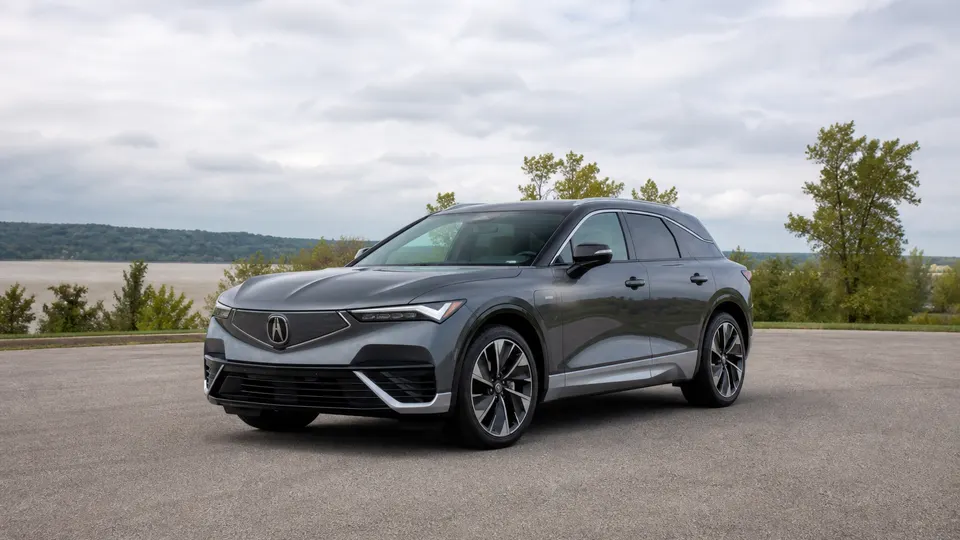
The Acura ZDX is a well-built luxury crossover overall, but two very different generations carry very different risks - and a handful of specific model years carry repair costs and complaint counts that make them genuinely poor used-car buys. This guide uses data from NHTSA, CarComplaints, RepairPal, and Consumer Reports to show you exactly which years to skip and which to target.
For generations, engines, and ownership notes in one place, see the Acura ZDX hub.
Related: Acura MDX years to avoid, Acura RDX years to avoid.
At a glance
- Worst years
- 2010
- 2012
- 2024
- Best years
- 2013
- 2025
- Top failure
- 1st-gen J37 engine oil consumption (2010-2013, CarComplaints / class-action settlement)
- Always do before buying
- run the VIN through NHTSA's recall checker to confirm every open recall is closed, plus check the oil level on any 2010-2013 car and ask for documentation of the Service Bulletin 19-006 warranty-extension repair
Recalls by year
Gray bands mark years the model was not produced.
How we rated the best and worst Acura ZDX years
The first-generation ZDX (2010-2013) carries the most costly mechanical defects, while the revived second-generation (2024) entered the market with the highest raw complaint volume of any single ZDX model year. CarComplaints rates 2012 as the worst model year, ranked on several factors such as repair cost and average mileage when problems occur. NHTSA complaint volume, by contrast, is highest on the 2024 - a different metric measuring raw owner filings, not repair-cost severity.
Data sources used in this guide include NHTSA complaints and recalls, CarComplaints PainRank (which weights repair cost and mileage at failure), RepairPal reliability data, Consumer Reports owner surveys, J.D. Power model history, and owner discussions on AcuraZine. CarComplaints ranks the worst year by repair cost and mileage at failure (its PainRank system), while NHTSA shows raw complaint volume - the two often point to different years, and this guide attributes each claim to the correct source. Our editorial guidelines govern how those sources are weighted and verified before any verdict is published.
| Acura ZDX Generation | Best Acura ZDX Years | Worst Acura ZDX Years |
|---|---|---|
| 1st Gen (2010-2013) | 2013 | 2010, 2012 |
| 2nd Gen (2024-present) | 2025 | 2024 |
Every Acura ZDX model year ranked
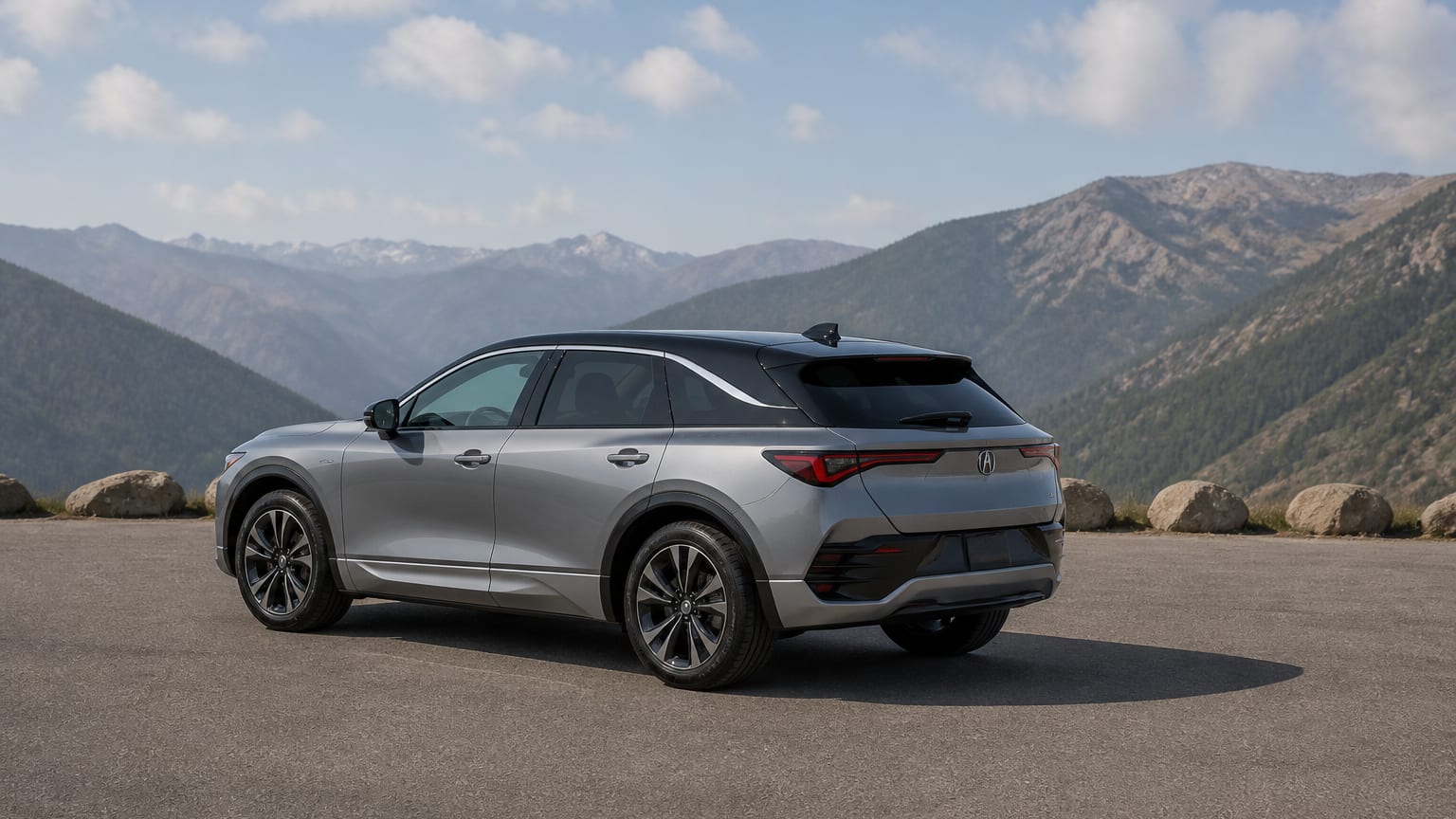
The 2012 first-generation ZDX and the 2024 second-generation ZDX are the two years most worth avoiding, for very different reasons.
Note on the generations: the Acura ZDX was not produced from 2014 through 2023, making it a revived nameplate. The 2024 model is an all-new dedicated electric crossover - Acura’s first EV - and shares almost no similarities with the gasoline model produced over a decade earlier. Because the classic first-generation (2010-2013) and the modern second-generation (2024 onward) are essentially separate vehicles, both generations are covered below so used buyers can make an informed choice.
| Model Year | Generation | Verdict | Notes |
|---|---|---|---|
| 2010 | 1st Gen | Avoid | Most NHTSA recalls (10); top noisy-exhaust complaint on CarComplaints; J37 oil consumption begins |
| 2011 | 1st Gen | OK/Mixed | 8 NHTSA recalls; J37 oil consumption; Takata airbag recall |
| 2012 | 1st Gen | Avoid | CarComplaints worst year - highest repair cost and lowest mileage at failure; engine and transmission complaints |
| 2013 | 1st Gen | Best | Fewest 1st-gen recalls (5); styling refresh; lowest 1st-gen complaint count |
| 2024 | 2nd Gen | Avoid | Highest NHTSA complaint volume of any ZDX year (82 complaints); 4 recalls; Consumer Reports below-average reliability |
| 2025 | 2nd Gen | Best | 0 NHTSA recalls; 0 owner complaints on record |
Most common Acura ZDX problems
The single biggest failure across the first-generation ZDX (2010-2013) is excessive engine oil consumption in the 3.7-liter J37 V6 - a defect serious enough to produce a class-action settlement and a manufacturer warranty extension. The second-generation 2024 ZDX carries a separate set of early-production growing pains centered on its braking and safety systems.
1. Excessive J37 engine oil consumption (1st gen, 2010-2013)
The 3.7-liter J37 V6 engine used across the entire first-generation ZDX can burn oil at a rate far beyond what owners expect. Dealership oil consumption tests reportedly showed 1 quart of oil used every 2,400 to 2,900 miles in documented cases. The symptom is a dipstick that reads low between scheduled oil changes - and if the oil level drops far enough, a carbon-deposit clog can develop and accelerate engine damage.
Acura released TSB B19-006, which describes how carbon deposits can cause clogs leading to consumption issues; if oil levels are lower than they should be and a clog develops, the engine can become significantly damaged. The TSB applies to the 2010-2013 MDX, 2011-2012 RL, 2009-2014 TL, and 2010-2013 ZDX. On January 16, 2019, Acura announced the warranty extension that accompanied this bulletin. Acura announced a warranty extension for certain 2009-2014 Acura vehicles equipped with the 3.7L V6 engine to address client concerns related to excessive oil consumption, extending powertrain warranty coverage from the original 6 years/70,000 miles to 8 years/125,000 miles, whichever comes first.
The class-action settlement covers all U.S. residents who own, lease, or previously owned or leased an Acura MDX (2010-2013), RL (2011-2012), TL (2009-2014), and ZDX (2010-2013) with the J37 engine. If you are buying a used 2010-2013 ZDX, ask the seller for documentation that the oil consumption test was performed and any related engine repair (piston rings, pistons) was completed under the warranty extension. Engine repair related to this defect can reach several thousand dollars out of pocket on vehicles where the warranty extension was not applied.
Buyer takeaway: check the oil level at the test drive; if it is noticeably below the full mark before a scheduled oil change, walk away or price the engine repair into your offer.
2. Takata airbag inflator recalls (1st gen, 2010-2013)
Honda recalled the 2010 and 2012 ZDX (among many other vehicles) because driver frontal airbag inflators assembled as recall remedy parts or replacement service parts may explode due to propellant degradation from long-term exposure to high absolute humidity, temperature, and temperature cycling - an inflator explosion may result in sharp metal fragments striking the driver or other occupants, causing serious injury or death.
A separate recall covering 2010-2013 ZDX vehicles addresses passenger frontal airbag inflators assembled as recall remedy or replacement service parts that may also explode due to the same propellant degradation issue. These Takata campaigns were among the largest automotive recalls in history, and the NHTSA recall page for the ZDX lists each campaign by number. The 2010 ZDX alone carries 10 recorded NHTSA recall campaigns, many of them Takata-related, while the 2011 has 8 and the 2012 has 8.
Buyer takeaway: run the VIN through NHTSA’s recall checker before you hand over any money. Any open Takata airbag campaign on a used ZDX is a safety emergency, not a negotiating chip.
3. Sticking exhaust harmonic valve / noisy exhaust (1st gen, primarily 2010)
The most-reported problem on CarComplaints for the ZDX is the 2010 model year’s noisy exhaust. Owners describe a harmonic valve inside the muffler assembly that was sticking, producing an abnormal exhaust drone that was noticeably louder than other ZDX units. The noise was especially pronounced on cold starts. CarComplaints shows an average mileage of 21,950 miles for this problem, with repair cost data listed as unavailable.
Some owners report the issue returned after an initial warranty repair. One owner describes a repeat of the same original problem after the first replaced part was three years old, and was told to “just live with it” as it was not considered a safety issue. This is largely a nuisance issue rather than a mechanical failure, but it confirms the 2010 requires extra pre-purchase inspection of the exhaust note.
Buyer takeaway: start a 2010 ZDX cold and listen for an abnormal drone or rattle before it fully warms up.
4. ABS unexpected activation and brake system concerns (2nd gen, 2024)
The 2024 second-generation ZDX carries early-production brake system issues that resulted in a safety recall. Acura recalled certain 2024 ZDX All-Wheel Drive vehicles because the anti-lock brake system (ABS) may activate unexpectedly and release brake pressure in the vehicle’s service brake system. The remedy is an over-the-air software update or a dealer visit, at no charge.
The top three reported problems for the 2024 ZDX on NHTSA are Forward Collision Avoidance: Automatic Emergency Braking (18 complaints), Brakes (12 complaints), and Electrical Faults (9 complaints). The median mileage at the time of the forward-collision avoidance complaint is 390 miles, meaning issues were surfacing on nearly new vehicles. Consumer Reports rates the 2024 ZDX as less reliable than other cars from the same model year. Unexpected ABS activation sits alongside bad brake booster symptoms as one of the more disorienting brake-system failures a driver can encounter, since both involve brake pressure behaving contrary to pedal input.
Buyer takeaway: on any used 2024 ZDX, confirm the ABS software recall has been completed, and test the brakes and forward-collision warning system thoroughly during the test drive.
5. Stabilizer bar bracket bolts and high-voltage cable risk (2nd gen, 2024)
Honda recalled certain 2024 ZDX vehicles because the passenger-side front stabilizer bar bracket bolts may have been improperly tightened, allowing them to loosen and separate from the vehicle frame; a detached stabilizer bar or bracket can damage the vehicle’s high-voltage cables or EV battery coolant lines, resulting in a vehicle shutdown and loss of drive power, increasing the risk of a crash.
This is a unique electric-vehicle risk - high-voltage cable damage is not a minor repair. Dealers inspect and tighten the bolts free of charge, so confirming completion of this recall via the VIN is straightforward.
Buyer takeaway: verify via the VIN on NHTSA’s recall checker that this campaign is closed before driving the vehicle.
6. Rearview camera and instrument panel software failure (2nd gen, 2024)
A software error in certain 2024 ZDX vehicles may cause the instrument panel display to fail; additionally, a software error may cause the rearview camera to display a blank screen when the vehicle is in reverse. A blank backup camera violates federal motor vehicle safety standards for rear visibility. American Honda recalled certain 2024-2025 Honda Prologue and 2024 Acura ZDX vehicles for this issue; dealers will replace the rearview camera, free of charge.
Buyer takeaway: put the vehicle in reverse during the test drive and confirm the backup camera displays a clear image before purchasing.
Which Acura ZDX years should you avoid?
The Acura ZDX years to avoid are 2010, 2012, and 2024. CarComplaints rates the 2012 as the worst model year, ranked on several factors such as repair cost and average mileage when problems occur - making it the single worst pick for cost-conscious used buyers. For raw NHTSA complaint volume, the 2024 leads all ZDX model years: the 2024 Acura ZDX has 82 NHTSA complaints, 6 crash-related incidents, and 4 recall campaigns.
| Acura ZDX Generation | Model Years | Verdict | Main Issues |
|---|---|---|---|
| 1st Gen (2010-2013) | 2010, 2012 | Worst | J37 oil consumption, Takata airbag recalls, exhaust valve noise, 8-10 recalls per year |
| 1st Gen (2010-2013) | 2011 | OK/Mixed | J37 oil consumption, Takata airbag recalls, 8 recalls |
| 1st Gen (2010-2013) | 2013 | Best | Fewest first-gen recalls (5), lowest first-gen complaint count, styling refresh |
| 2nd Gen (2024-present) | 2024 | Worst | ABS recall, rearview camera recall, high NHTSA complaint volume, below-average Consumer Reports score |
| 2nd Gen (2024-present) | 2025 | Best | 0 recalls, 0 complaints |
Worst Acura ZDX years: 2010, 2012, 2024
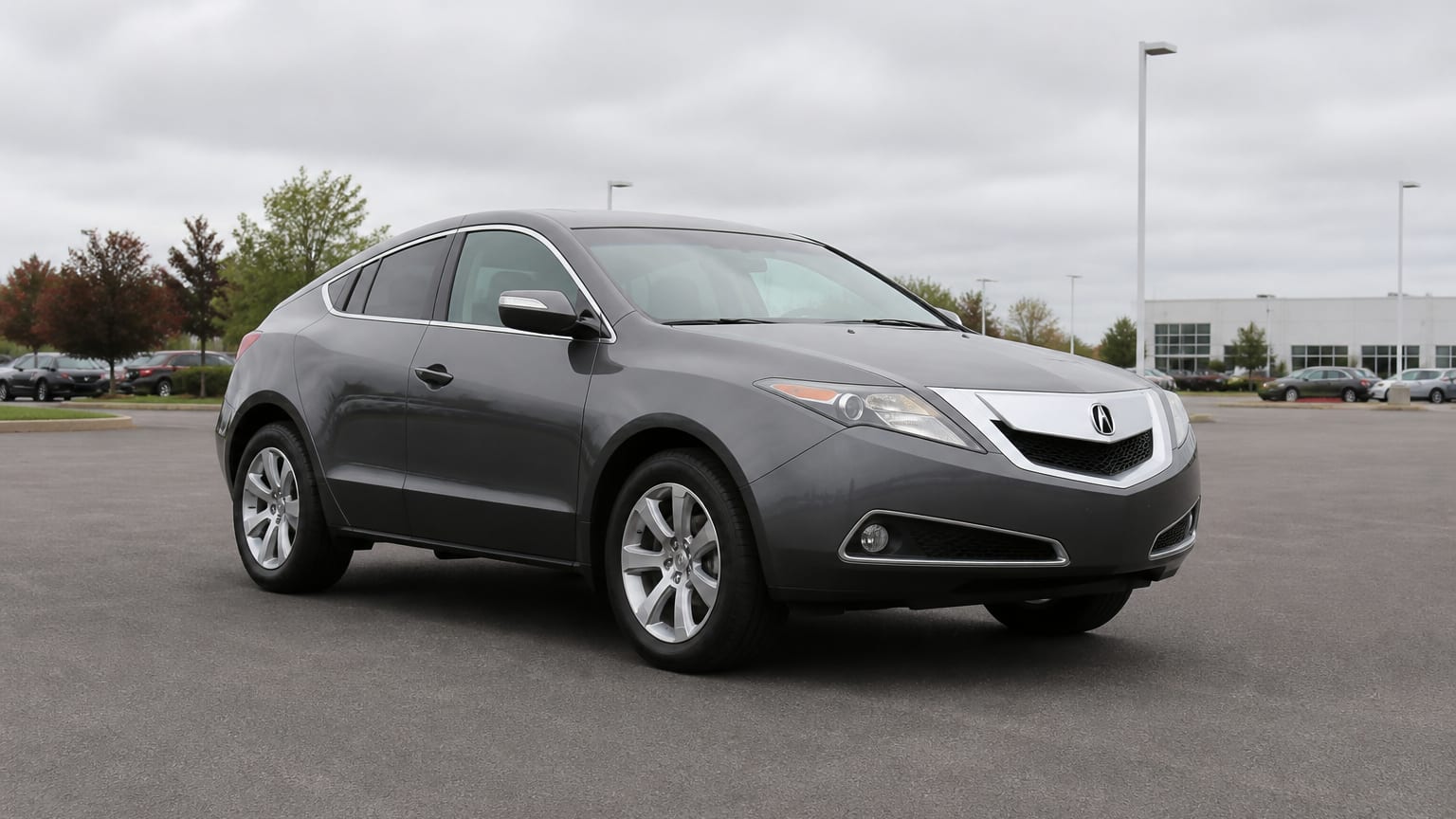
First-generation Acura ZDX (2010-2013)
The 2010 ZDX came standard with a 300-horsepower 3.7-liter V-6 engine and Super Handling All-Wheel Drive, and that same J37 engine carried oil consumption problems through the entire first-generation run. The 2010 ZDX has 14 problems and defects reported by owners on CarComplaints, with the worst complaints in the exhaust system category. The 2010 also drew the most recall campaigns of any first-gen year: the largest recall count of the model came in 2010, with 10 recorded issues.
The 2012 ZDX has 5 problems and defects reported by owners on CarComplaints, with the worst complaints in the engine and transmission categories. While the raw count is modest, CarComplaints rates this the worst year because those problems occurred at lower mileage and carried higher repair costs than any other ZDX year. The 2011 sits between the 2010 and 2012 in severity - it carries 8 NHTSA recalls (mostly Takata campaigns shared with the 2010 and 2012) and is subject to the same J37 oil consumption defect, but its CarComplaints count is lower.
Second-generation Acura ZDX (2024)
The 2024 ZDX is an all-new dedicated electric crossover, and Acura’s first EV - it was built in collaboration with General Motors and shares almost no similarities with the first-generation gasoline model. Its first model year brought a cluster of early-production issues: 82 NHTSA complaints, 6 crash-related, and 4 recall campaigns. The recall set includes the ABS activation defect, the stabilizer bar bracket bolt issue, and two rearview camera and instrument panel software failures. All four recalls have dealer-performed or over-the-air remedies at no charge, so a used 2024 ZDX with all recalls confirmed closed is a materially safer buy than one with open campaigns.
What are the best Acura ZDX years to buy?
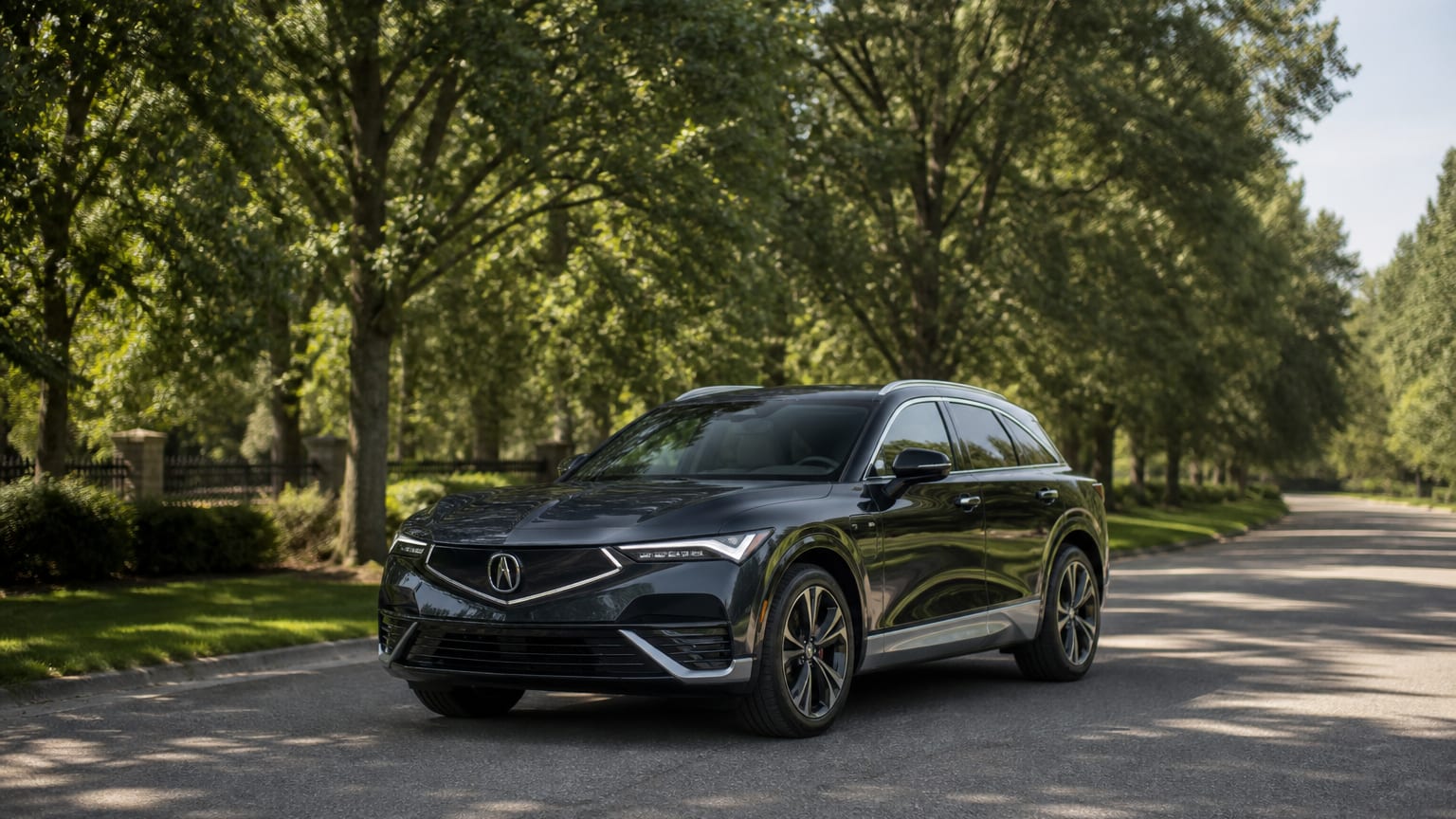
The best Acura ZDX years to buy are 2013 (first generation) and 2025 (second generation). The 2013 is the cleanest of the gasoline-era cars, and the 2025 electric ZDX is the cleanest model year on record for the entire nameplate.
| Best Acura ZDX Year | Why It's a Strong Buy |
|---|---|
| 2013 | Fewest first-gen recalls (5); lowest first-gen complaint count; styling refresh with standard parking sensors |
| 2025 | 0 NHTSA recalls; 0 owner complaints; 5-star NHTSA safety rating |
Most reliable Acura ZDX years: 2013, 2025
2013 Acura ZDX
For 2013, the Acura ZDX received a new front grille along with revised front and rear bumpers that integrate parking sensors; power-folding side mirrors complete the exterior updates, while a high-contrast interior option is new - the ZDX continues to offer strong performance to the luxury buyer. The 2013 carries only 5 NHTSA recall campaigns (the fewest of the first generation), and while the J37 oil consumption concern still applies, fewer overall recall burdens mean less exposure to open campaigns at time of purchase.
If you are buying a 2013, the oil consumption check and warranty-extension documentation review from the TSB B19-006 program still apply. That said, the 2013 is the most straightforward first-generation ZDX to evaluate and own.
2025 Acura ZDX
Based on available data, the 2025 Acura ZDX is the most reliable ZDX with a score of 88/100 (“Excellent”) and has 0 recalls and 0 owner complaints. Both the 2024 and 2025 ZDX receive a 5/5 NHTSA safety rating, but the 2025 carries none of the early-production recall baggage of the 2024. For buyers shopping the second-generation electric ZDX, the 2025 is the cleaner choice by a significant margin.
The 2025 also benefits from the software and hardware refinements that addressed the 2024’s ABS and rearview camera recalls, meaning those specific failure modes are far less likely to appear.
Acura ZDX pre-purchase checklist
Before buying any used Acura ZDX, run through these model-specific checks. Among the Acura MDX years to avoid - a platform sibling to the first-gen ZDX - the same J37 oil consumption concern appears, so the checklist below applies to both. The years to avoid methodology behind these verdicts weights recall count, complaint volume, repair cost, and mileage at failure together rather than treating any single metric as definitive.
- Run the VIN on NHTSA’s recall checker at nhtsa.gov/recalls before your test drive. Any open Takata airbag campaign on a 2010-2013 car, or any open brake/camera recall on a 2024, is a day-one priority.
- Check the oil level on any 2010-2013 ZDX. Pull the dipstick before the engine warms up. A significantly low level before a scheduled oil change is a red flag for the J37 consumption problem.
- Ask for TSB B19-006 warranty-extension documentation. On 2010-2013 cars, ask the seller to produce a repair order showing the oil consumption test and any related engine work (piston rings, pistons) was completed under the Acura warranty extension program.
- On a 2024 ZDX, test the brakes firmly at low speed. The ABS unexpected-activation recall (Acura recall number UJE) involved the brake control module; confirm it has been addressed via OTA update or dealer visit.
- On a 2024 ZDX, put it in reverse and watch the backup camera. A blank or distorted image means the rearview camera software/hardware recall has not been completed.
- On a 2024 ZDX, visually inspect the front stabilizer bar bracket. Ask the dealer or seller to confirm the torque-inspection recall for the stabilizer bar bracket bolts is closed.
- On a 2010 ZDX, start the engine cold and listen for exhaust drone. A harmonic valve inside the muffler assembly that was sticking is the most-reported single problem for the 2010. A loud exhaust on a cold start that disappears when warm suggests this issue.
- Request full service records. On the first generation, regular oil changes (within the manufacturer-specified intervals) are the strongest indicator that the J37 engine was properly maintained. Gaps in service history on a high-consumption engine are a meaningful risk.
Better alternatives to consider
If the ZDX years in your budget land on the avoid list, consider these alternatives in the same luxury midsize crossover class:
- Acura RDX - a smaller but well-sorted Acura crossover with a longer production run and a more detailed year-by-year reliability record across its generations
- Acura MDX - the three-row platform sibling to the first-gen ZDX, available in far greater numbers on the used market with more documented service histories
- Lexus RX - the benchmark luxury midsize crossover for long-term dependability, with a clear record of low repair costs across most model years
- BMW X3 - a strong cross-shop at the luxury performance end of the segment, though it carries its own year-specific pitfalls worth reviewing before buying
Is the Acura ZDX worth buying?
Yes - provided you avoid the 2010, 2012, and 2024 model years, or buy those years only after confirming every open recall is closed and every known defect has been documented and repaired. The 2024 ZDX earned an overall 5-star NHTSA safety rating, with 5 stars in frontal crash, side crash, and rollover categories, which speaks to the platform’s structural quality even if early software and hardware issues affected early production. The best picks remain the 2013 Acura ZDX for the gasoline generation and the 2025 for the electric generation. Run the VIN through NHTSA’s recall database before any purchase, and verify the maintenance history on any first-gen car with the J37 engine.