
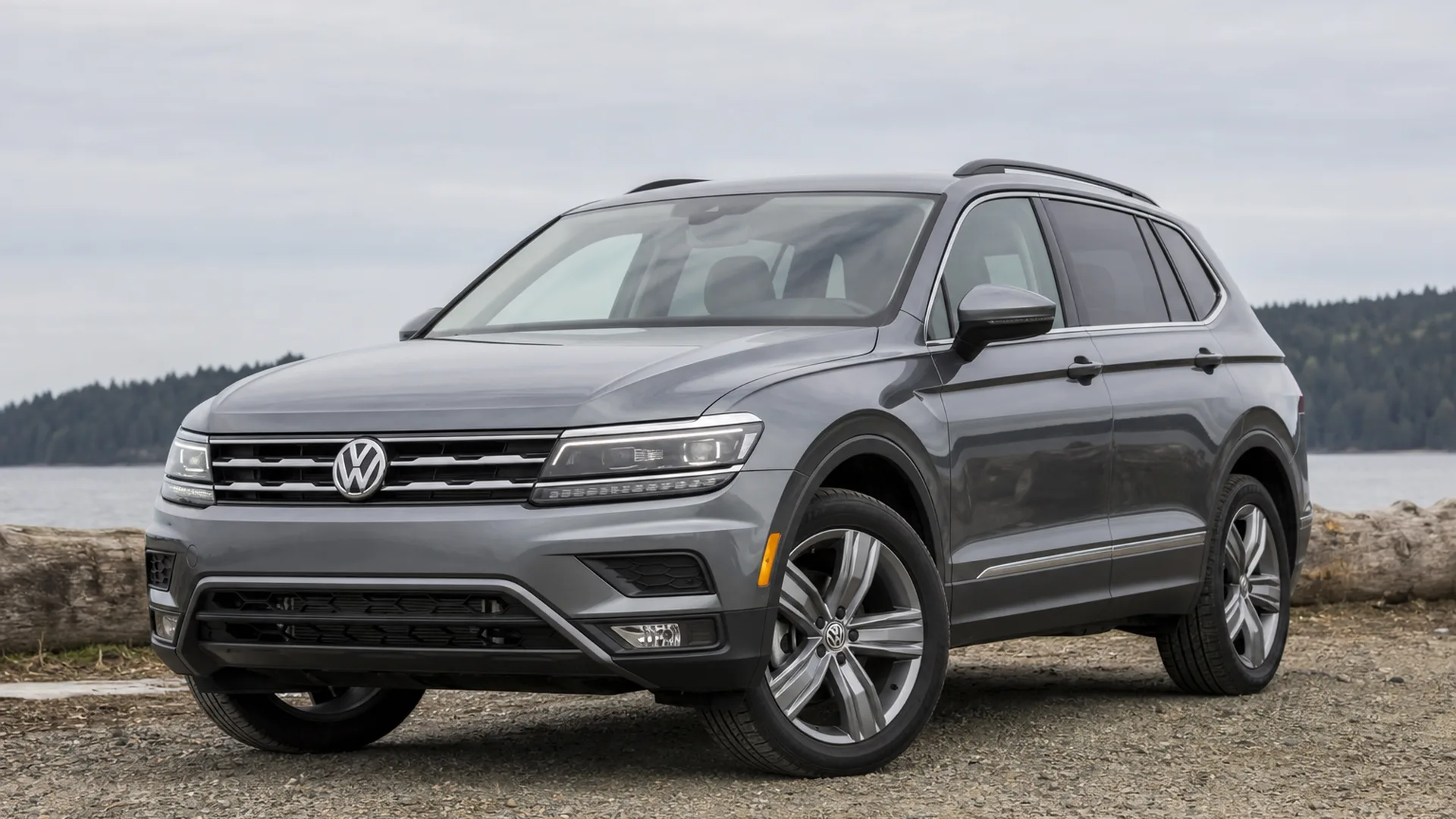
The VW Tiguan looks great on paper. You get European styling, punchy turbocharged power, and a cabin that feels more upscale than the price tag suggests. Since its 2009 debut, over a million Tiguans have found homes worldwide, and it’s easy to see why—this compact SUV delivers a premium vibe without the luxury-car payment.
But here’s the catch: certain Tiguan years are absolute money pits. We’re talking timing chains that self-destruct, infotainment screens that freeze mid-commute, and oil consumption so bad you’ll think your engine has a drinking problem. Some owners have faced repair bills north of $8,000, wiping out any savings from buying used. So before you sign on the dotted line, you need to know which VW Tiguan years to avoid—and which ones are actually worth your hard-earned cash.
How we rated the best and worst VW Tiguan years
We didn’t just skim a few forum threads and call it a day. Our team pulled data from NHTSA complaint databases, combed through VW technical service bulletins, and cross-referenced recall notices from both U.S. and European safety agencies. We studied class-action lawsuit filings (yes, there’s a big one about timing chains), analyzed RepairPal‘s average repair costs by model year, and spent hours on VWVortex and Tiguan owner forums listening to real-world horror stories.
We also interviewed independent mechanics who’ve spent years wrenching on these SUVs, mapped out which EA888 engine generation came in which year, and tracked how VW’s 8-speed automatic performed versus the older DSG dual-clutch setup. By combining official recall data with grassroots owner feedback, we’ve built a clear picture of which Tiguan years you should run from—and which ones might actually treat you right.
Most Common VW Tiguan Problems
1. Engine Problems That’ll Make You Cry
Let’s start with the big one: timing chain tensioner failure. Early 2009–2011 Tiguans used plastic tensioners that wear out prematurely. When they fail, the chain slips, valves collide with pistons, and your engine transforms into a very expensive paperweight. Repair costs? Try $4,000 to $8,000 for a full rebuild or replacement. A class-action lawsuit confirms this wasn’t just bad luck—it was a design flaw.
Even after VW “fixed” the timing chain issue, oil consumption became the next nightmare. The 2.0L TSI engine (both EA888 Gen2 and Gen3 variants) burns oil at alarming rates. Owners report adding a quart every 500 miles, and VW’s official stance is “that’s normal.” Spoiler alert: it’s not normal, and it’s caused by worn piston rings and cylinder seals.
Then there’s carbon buildup. Direct-injection engines are prone to this, and the Tiguan is no exception. Between 2009 and 2015, intake valves get gunked up with carbon deposits, leading to rough idle, misfires, and power loss. The fix? A $500–$800 walnut-blasting service that needs repeating every 40,000–60,000 miles.
Don’t forget the cooling system. Plastic water pump housings crack, thermostats fail, and hoses split—often leading to overheating. This is especially common on 2009–2014 models. Ignition coils and throttle bodies also fail regularly, causing hesitation and check-engine lights that never seem to stay off.
2. Transmission Troubles
The 2018 Tiguan marked the second generation’s North American debut—and it came with a new 8-speed automatic that wasn’t quite ready for prime time. Owners report jerky shifts, hesitation from a stop, and delayed throttle response, particularly at low speeds. VW issued software updates, but many drivers still feel the clunkiness.
Older Tiguans with the DSG dual-clutch gearbox have their own issues: clutch packs wear prematurely, and the mechatronic unit (the brain of the transmission) can fail, leading to $3,000+ repair bills. The Haldex all-wheel-drive system also needs regular fluid changes—skip them, and you’ll feel binding, clunking, or even complete AWD failure.
3. Electrical Gremlins Everywhere
Volkswagen and electrical problems go together like peanut butter and jelly—unfortunately. Tiguan owners deal with blown fuses for exterior lights (2009–2011 models had a recall for this), dead ignition coils, and instrument clusters that freeze or reboot randomly. The 2018–2019 Tiguan suffered a particularly nasty recall: the instrument cluster could fail completely, leaving you without a key-in-ignition warning. That’s a dead-battery magnet.
Infotainment systems in late-model Tiguans freeze, reboot mid-drive, or refuse to connect to your phone. Touchscreens lag, Bluetooth drops calls, and software glitches require dealer updates that don’t always stick. Sensors for parking assist, lane-keep, and rain-sensing wipers also malfunction, triggering false warnings or shutting off entirely. Some owners report battery drain after parking overnight, usually traced to a faulty module that never goes to sleep.
4. Brakes, Suspension, and Climate Control
Brakes are generally solid, but 2018+ models have shown premature rotor cracking and uneven pad wear. A few unlucky owners have experienced caliper failures or ABS system faults (no ABS or traction control), though these are less common.
Suspension components wear faster than expected. First-gen Tiguans eat CV boots—those rubber covers on the drive axles tear, letting grease escape and dirt get in. Struts and bushings clunk and rattle after five years or 60,000 miles. In 2022, VW recalled certain Tiguans because suspension knuckles could bend and fracture—a serious safety risk.
The HVAC system usually works fine, but AC compressor failures and condenser leaks pop up on 2016–2020 models. Some owners needed heater-control software updates to fix bugs that left them shivering in winter. A handful of 2020 models had AC systems that shut down when ambient temps hit 100°F, which is less than ideal if you live somewhere hot.
5. Safety Recalls You Can’t Ignore
The Tiguan has been hit with some heavy-duty recalls. The Takata airbag crisis affected 2008–2014 models—those inflators can explode, so check if yours has been replaced. Early Tiguans had recalls for cruise-control wiring, electronic stability control glitches, and an engine computer update to prevent unintended acceleration.
More recent recalls (2021–2022) include exterior-headlamp fuse blocks, brake-hose corrosion, ADAS software updates, and body-wire loom issues. Diesel Tiguans faced emissions recalls under the “Dieselgate” scandal, with software tweaks to fix illegal emissions levels. Crash-test safety is solid (Euro NCAP gave five stars in 2009 and 2016), but you need to verify that all recalls have been completed before buying any used Tiguan.
Worst VW Tiguan Years to Avoid
2009–2011: The Catastrophic Launch Years
If you’re shopping for a used Tiguan, run—don’t walk—away from 2009–2011 models. These first-gen launch years are plagued by the infamous timing chain tensioner failure. The plastic tensioner wears out, the chain slips, and the engine grenades itself. We’re not exaggerating: a class-action lawsuit confirmed this was a widespread defect, not isolated bad luck.
Owners also dealt with cracked plastic intake manifolds (heat cycling causes them to split), leaking water pumps, blown head gaskets, and oil leaks from valve covers and seals. The cooling system is a ticking time bomb—plastic housings crack, hoses fail, and thermostats stick. Electrical problems are rampant, with frequent blown fuses for headlamps and taillights (VW issued a recall for the fuse block). One owner guide flat-out calls 2009–2011 Tiguans “one of the riskiest options on the used market.”
Unless you find a 2009–2011 Tiguan with a fully rebuilt engine and documented timing-chain replacement, skip it. Even then, the electrical and cooling issues remain.
2012–2014: Better, But Still Risky
VW addressed the timing chain disaster for 2012, but don’t pop the champagne yet. These mid-cycle first-gen models still suffer from heavy carbon buildup (direct-injection engines clog intake valves), persistent coolant leaks, and electrical gremlins. Oil consumption remains a problem—expect to add oil between changes.
Maintenance costs are high. If you’re looking at a 2012–2014 Tiguan, demand proof of intake-valve cleaning, water pump replacement, and any related TSBs being addressed. These years are “questionable” buys—acceptable only if the owner has meticulous service records and you’re prepared for ongoing upkeep.
2018: First-Year Redesign Blues
The second-generation Tiguan launched in 2018 with a roomier body, updated tech, and a new 8-speed automatic. Unfortunately, it also brought transmission hesitation, rough shifting at low speeds, and buggy infotainment that froze or rebooted mid-drive. Owners flooded forums with complaints about the laggy throttle response and touchscreen glitches.
VW issued software updates, but many drivers report the problems never fully went away. If you’re eyeing a 2018 Tiguan, make sure it has the latest transmission and infotainment software—and maybe just buy a 2019 or 2020 instead.
2022: Facelift Growing Pains
The 2022 model year brought a mid-cycle refresh with updated styling and tech. As usual with first-year updates, software bugs and sensor issues cropped up. Touchscreens lagged, driver-assist systems triggered false warnings, and adaptive cruise control acted unpredictably. Most of these glitches were ironed out by 2023, so unless you’re getting a smoking deal on a 2022, opt for a 2023 or 2024 model.
Checking a used Volkswagen?
Scan for hidden fault codes from your phone in minutes — before you buy.
REREV may earn a commission if you sign up through this link. Learn more.
Best VW Tiguan Years to Buy
2015–2016: Late First-Gen Solid Picks
By 2015, VW had sorted out the worst first-gen issues. The EA888 Gen3 engine arrived with an updated timing chain design, and electronics were more stable. You’ll still need to watch for carbon buildup and cooling system maintenance, but catastrophic failures are far less common. Check for intake cleaning history and confirm the water pump has been replaced—if not, budget for it.
2019–2021: The Sweet Spot
These years represent the second generation after VW fixed the 2018 bugs. The 2019–2021 Tiguan offers a spacious interior, refined engine performance, and stable software. Yes, there are minor issues—sunroof drains can clog (hello, water leaks), some 2020 models had AC glitches, and a 2021 oil-leak bulletin exists—but these are manageable hiccups, not deal-breakers.
Recalls (like the lights fuse and brake pipe corrosion) have been addressed, and oil consumption rates dropped compared to earlier years. If you’re buying used, 2019–2021 models are your best bet. Bonus points if you can find a certified pre-owned (CPO) Tiguan with VW’s extended warranty.
2023–2024: The Safest New Choices
If you’re buying new or lightly used, 2023 and 2024 Tiguans are the most refined. VW has had years to polish the second-gen platform, and all the major software updates are baked in. Modern safety features work correctly, infotainment is stable, and the drivetrain feels sorted. These are the Tiguans that deliver the experience VW promised back in 2009.
Shopping Smart: What to Check Before Buying
No matter which Tiguan year you’re considering, dig into the service history. Has the timing chain been replaced or updated? What about the water pump? Has carbon buildup been addressed? Pull a vehicle history report and run the VIN through NHTSA’s recall database—make sure every recall has been completed.
For 2009–2014 models, insist on proof of intake-valve cleaning and cooling-system overhauls. For 2018+ models, verify that transmission and infotainment software are up to date. If you’re looking at an AWD model, ask when the Haldex fluid was last changed (it should be every 30,000–40,000 miles, though many owners neglect this).
CPO Tiguans come with extended warranties that cover many common issues—worth considering if you’re nervous about repair costs. And if the seller is dodging service questions or the records are spotty, walk away. A cheap Tiguan with no maintenance history is a financial trap.
Better Alternatives If You’re Feeling Skittish
Let’s be honest: the Tiguan’s reliability record isn’t stellar, especially compared to its Japanese competitors. If you want fewer headaches and lower long-term costs, check out these alternatives:
Toyota RAV4: The gold standard for reliability. The 2016–2018 fourth-generation models are rock-solid, and the 2020–2023 years combine modern tech with Toyota’s legendary durability. Yes, early 2019–2020 hybrids had some infotainment bugs, but they pale in comparison to Tiguan engine disasters.
Honda CR-V: The 2015–2016 fourth generation is one of the most dependable SUVs ever built. The fifth-gen (2017+) is also excellent if you keep up with maintenance. The CVT is solid, and Honda’s engines are bulletproof. Just avoid the 2018 hybrid if you can—it had some early roughness.
Mazda CX-5: Consistently praised by mechanics for build quality and reliability. The 2017–2021 models are nearly flawless, with minimal recalls and low repair costs. Mazda’s engineering is tight, and owners rave about the driving experience. If you want something fun and dependable, the CX-5 is tough to beat.
Hyundai Tucson: The 2016–2019 third-gen Tucson is solid and affordable. Hyundai’s long warranty (often transferrable to second owners) adds peace of mind. The 2020+ models pack more tech while maintaining good reliability. You’ll save money upfront and pay less over time compared to a Tiguan.
Other strong contenders include the Subaru Forester, Toyota Highlander, Lexus NX, Kia Sportage, and Honda HR-V. All offer better long-term reliability and lower ownership costs than most Tiguan model years.
Final Word: Know Before You Buy
The VW Tiguan can be a good SUV—if you choose the right year. Avoid 2009–2011 at all costs. Be cautious with 2012–2014 and 2018. If you’re buying used, target 2015–2016 or 2019–2021 models with solid service records. If you’re buying new, 2023–2024 models are your safest bet.
Don’t let a low sticker price fool you. A cheap 2011 Tiguan could cost more in repairs than a slightly pricier CR-V or RAV4 that’ll run for 200,000 miles without breaking a sweat. Check recalls, demand maintenance records, and consider a CPO warranty if you’re going the used route.
Armed with this guide, you can confidently skip the nightmare years and either find a dependable Tiguan or jump to a more reliable alternative. Your wallet—and your sanity—will thank you.