
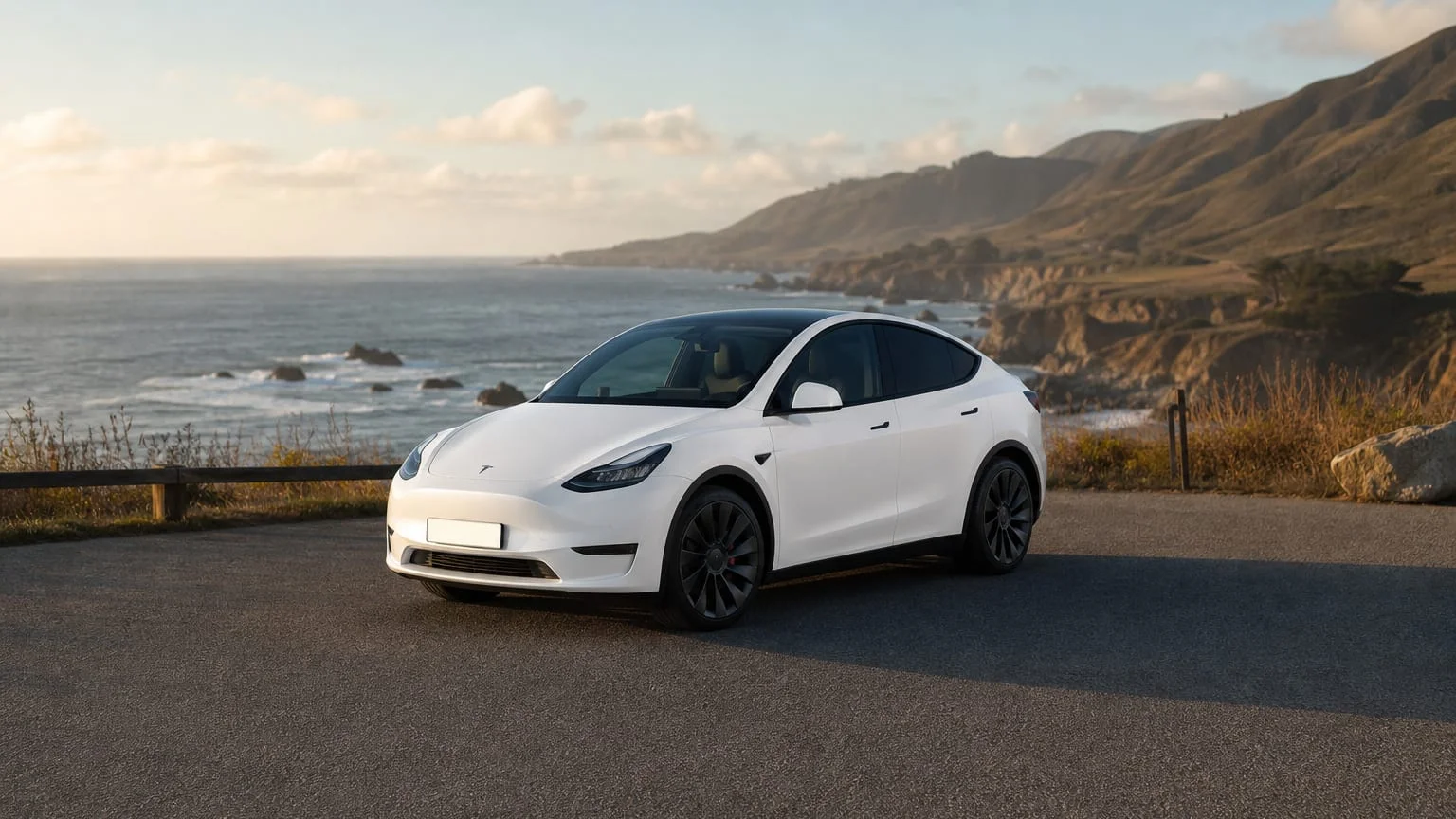
The Tesla Model Y is one of the best-selling electric SUVs in the US, and across most of its production run it has proven to be a dependable daily driver. That said, a few specific model years carry noticeably higher complaint volumes, recall tallies, and documented assembly issues that you'll want to avoid when shopping used. This guide ranks every Model Y year on real NHTSA complaint data and CarComplaints reliability scores so you can buy with confidence.
For generations, engines, and ownership notes in one place, see the Tesla Model Y hub.
Related: Tesla Model S years to avoid, Tesla Model 3 years to avoid.
At a glance
- Worst years
- 2020
- 2021
- Best years
- 2024
- 2025
- Top failure
- Phantom braking / forward collision avoidance malfunction - 2021-2022 (NHTSA investigation PE22-002; CarComplaints rates 2021 as the worst year on repair cost and mileage-at-failure)
- Always do before buying
- Run the VIN through NHTSA's recall checker to confirm every open campaign is closed, and verify the heat pump / Octovalve recall (NHTSA 22V-050) has been remedied on 2020-2022 cars
Recalls by year
Gray bands mark years the model was not produced.
How we rated the best and worst Tesla Model Y years
The 2021 Tesla Model Y carries the most overall complaints, and CarComplaints rates 2021 as the worst model year ranked on repair cost and average mileage when problems occur. That is CarComplaints’ PainRank methodology - it is not a raw complaint count. By raw NHTSA complaint volume, the years with the most complaints are 2021 (3,111 complaints), 2022 (1,658 complaints), and 2023 (1,097 complaints). Those are different measures, so this guide attributes each claim to the correct source.
Data sources used here include NHTSA complaints and recalls, CarComplaints for PainRank and per-year complaint counts, RepairPal for repair-cost context, and owner community feedback. CarComplaints ranks the worst year by repair cost and mileage-at-failure (its PainRank system), while NHTSA shows raw complaint volume - the two often point to different years, and they do here too. Our editorial guidelines govern how we apply each source and handle conflicts between datasets.
| Tesla Model Y Generation | Best Tesla Model Y Years | Worst Tesla Model Y Years |
|---|---|---|
| Gen 1 (2020-2024) | 2024 | 2020, 2021 |
| Gen 2 (2025 - present) | 2025 | None |
Every Tesla Model Y model year ranked
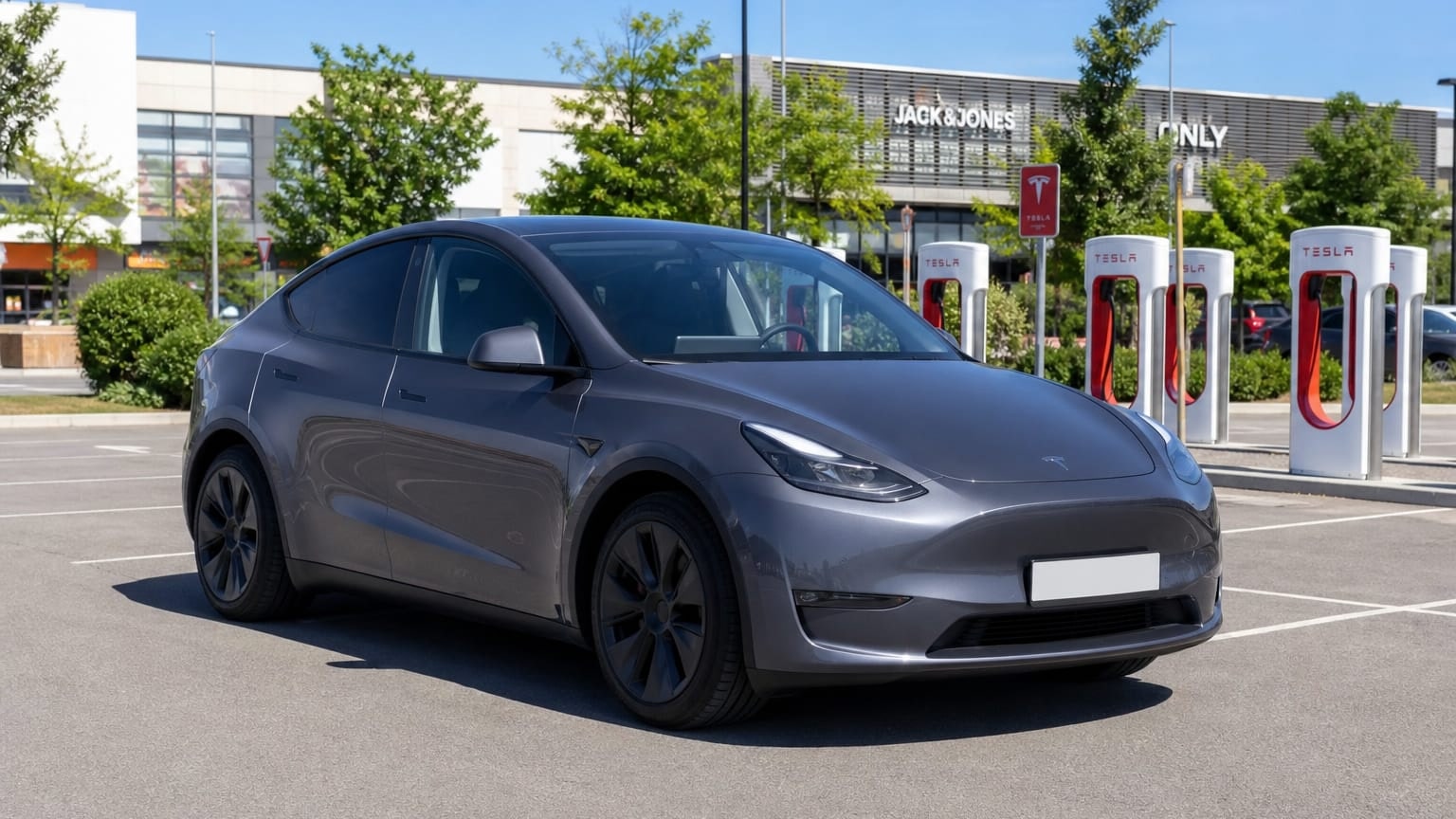
By NHTSA data, the 2021 drew the most complaints of any Model Y model year, while the 2025 drew the fewest. The table below gives a verdict for every year in the lineup.
| Model Year | Generation | Verdict | Notes |
|---|---|---|---|
| 2020 | Gen 1 | Avoid | First-year build issues, 22 recalls, high complaint rate per unit sold |
| 2021 | Gen 1 | Avoid | Most complaints (3,111 NHTSA), worst CarComplaints PainRank, phantom braking |
| 2022 | Gen 1 | OK/Mixed | Elevated complaints (1,658 NHTSA), heat pump and suspension issues, mid-run quality variance |
| 2023 | Gen 1 | OK/Mixed | Forward collision avoidance tops complaints, 1,097 NHTSA complaints, 15 recalls |
| 2024 | Gen 1 | Best | 254 NHTSA complaints, 5 recalls, reliability score 63/100 |
| 2025 | Gen 2 | Best | Fewest complaints, 2-3 recalls, 5-star NHTSA + IIHS TSP+, score 70/100 |
Most common Tesla Model Y problems
The single biggest documented failure pattern across the Model Y’s production run is phantom braking - the Autopilot and Traffic-Aware Cruise Control system applying the brakes unexpectedly at highway speed - with forward collision avoidance topping NHTSA complaint categories across every model year. The problems below are ordered most serious first.
1. Phantom braking / forward collision avoidance malfunction
Federal safety regulators opened an investigation into the 2021 and 2022 Tesla Model 3 and Model Y because of reports that the vehicles unexpectedly brake while in motion - known as “phantom braking” - when Autopilot or other ADAS systems are engaged. NHTSA received 354 complaints from drivers who said their vehicles applied the brakes without warning at highway speeds with adaptive cruise control or Autopilot turned on.
NHTSA opened investigation PE22-002 on February 16, 2022, covering 2021-2022 Tesla Model 3 and Model Y vehicles, after complaint volume climbed quickly. NHTSA closed the four-year probe after incident reports fell sharply. Tesla’s February and March 2022 firmware updates, and the company’s mid-2021 shift from radar-vision fusion to vision-only sensing, coincided with the incident decline.
Across all Model Y years, forward collision avoidance accounts for 3,481 NHTSA complaints, making it the single largest complaint category in the dataset. A prior, narrower AEB recall (NHTSA campaign 21V-846) was issued in November 2021 and addressed via a free over-the-air software update. More than 66% of all NHTSA complaints about the 2021 Tesla Model Y are listed as forward collision-control problems. Before buying a 2021 or 2022 Model Y, confirm that the firmware is current, and test Autopilot on an open highway.
2. Heat pump / Octovalve failure in cold weather
Starting in 2020, Tesla introduced a highly integrated heat pump and Octovalve thermal management system in the Model Y, replacing older PTC resistive heaters. On 2021-2022 Model Y vehicles, the heat pump’s Electronic Expansion Valve (EXV) in the Octovalve supermanifold can stick open if controller communication is interrupted, causing total loss of cabin heat and defrost in sub-freezing temperatures.
Tesla recalled approximately 26,681 vehicles under NHTSA recall 22V-050 (February 2022) across Model S, X, 3, and Y running firmware 2021.44 through 2021.44.30.6 for the software-related issue, but hardware failures also occur, especially in extreme cold. The remedy was an OTA firmware update to 2021.44.30.7 or later. If the software is current and heat loss continues, the problem is likely a hardware failure, such as the common pressure-temperature sensor issue (TSB SB-21-18-002) or a mechanical problem with the compressor or Supermanifold.
Out-of-warranty hardware repair is expensive. A Model Y with an out-of-warranty heat pump valve failure averages about $1,800 to fix, and full Supermanifold or Octovalve replacement can reach $3,000 - $5,000. Buyers targeting any 2020-2022 Model Y should verify recall 22V-050 is closed on the VIN and ask about the car’s cold-weather history. Since electric cars have no engine oil to check, the heat pump is the thermal subsystem that demands the most scrutiny on these years.
3. Front suspension lateral link separation
NHTSA opened a preliminary evaluation into roughly 1.2 million Tesla Model 3 and Model Y vehicles after 156 complaints of front suspension links detaching. If ODI finds a safety-related defect, it can escalate to an engineering analysis and, eventually, force a recall. According to investigation documents, the front lower lateral link has detached in affected cars - a core suspension piece. When it lets go, the vehicle can lose steering control, become undriveable, and need to be towed.
The front suspension lateral link bolts loosening, causing separation risk, was covered by recall 21V-835 on earlier Model 3 vehicles. NHTSA says the failures it is now investigating go beyond the scope of those earlier recalls and do not appear to be the same production issue. Early models between 2020 and 2022 are more prone to suspension wear than newer ones. Budget $300 to $700 per side for control arm or fore-link work if a front-end clunk is present on a pre-owned 2020-2022 car.
4. Build quality - panel gaps and water intrusion
Among the most common complaints on earlier Model Ys are build-quality issues, particularly misaligned panels and inconsistent paint. Tesla has been improving build quality over the years. The 2020 Model Y, as the first production year, saw many reports of panel gaps, paint defects, and trim issues, plus early hardware and software bugs.
Water intrusion through the liftgate is a documented issue with a published Tesla service bulletin. TSB SB-23-10-003 covers liftgate lamp gasket replacement and polymer sealant application to stop water from entering the rear cargo area and sub-trunk. Owners also report intermittent touchscreen reboots, phantom braking on Autopilot, and Bluetooth dropouts, most of which Tesla addresses through over-the-air software updates at no cost. A physical inspection of panel gaps, door seals, and the sub-trunk for moisture is a must on any used 2020-2022 Model Y.
5. 12V battery failures and electronic door handle faults
NHTSA investigation PE25-010 covers electronic door handles becoming inoperative on low 12V voltage, with the risk of occupants being trapped inside the vehicle. A 12V battery service trip can cost around $400. The 12V system in the Model Y powers low-voltage accessories including door handles, and a depleted 12V battery can lock occupants inside because the door release mechanism loses power.
Owners experiencing a dead 12V condition can use the exterior emergency low-voltage terminals to power the front trunk and access the cabin. If you’re buying a used Model Y with higher mileage, ask about 12V battery service history and confirm the current charge holds voltage properly.
6. Service brakes and vehicle speed control complaints
The most commonly reported problem areas for the Tesla Model Y in NHTSA complaint data across all years are forward collision avoidance, vehicle speed control, and service brakes. Service brakes account for 1,049 NHTSA complaints and vehicle speed control 1,014 complaints across all Model Y years - the second and third largest categories after forward collision avoidance. Many brake complaints overlap with the phantom braking pattern described in section 1, but some owners report brake pedal feel degradation and ABS activation on dry roads independent of Autopilot use. On a test drive, check for brake pedal firmness and any unusual vibration through the pedal when braking over bumps.
Which Tesla Model Y years should you avoid
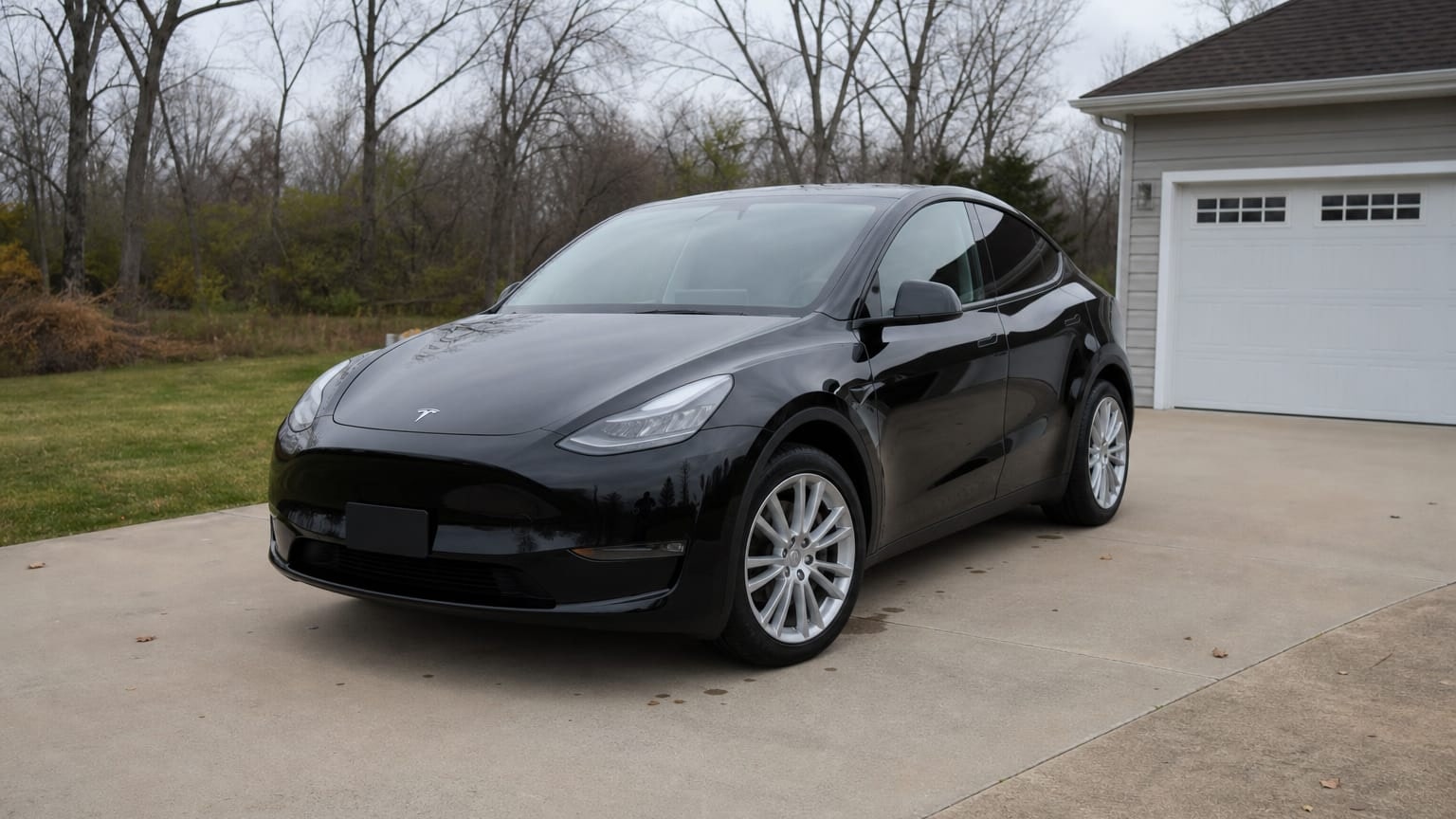
The Tesla Model Y years to avoid are 2020 and 2021. CarComplaints rates the 2021 as the worst model year, ranked on repair cost and average mileage when problems occur. By raw NHTSA complaint volume, the 2021 also drew the most complaints of any single year at 3,111 - meaning both measures point to 2021 as the single worst year. Years with the most recall activity in NHTSA data are 2020 (22 recalls) and 2021 (21 recalls). Our years to avoid methodology combines these complaint and recall signals into a single verdict rather than relying on any one measure alone.
| Tesla Model Y Generation | Model Years | Verdict | Main Issues |
|---|---|---|---|
| Gen 1 | 2020, 2021 | Worst | Phantom braking, heat pump failures, suspension recalls, build quality |
| Gen 1 | 2022, 2023 | Mixed | Forward collision avoidance, some suspension and software issues |
| Gen 1 | 2024 | Best | Low complaint volume, good reliability score |
| Gen 2 | 2025 | Best | Fewest complaints, 5-star NHTSA, IIHS TSP+ |
Worst Tesla Model Y years: 2020, 2021
First-generation Tesla Model Y (2020-2021)
Early Model Y models, particularly 2020 and 2021, report frequent issues with forward collision avoidance and vehicle speed control, with high complaint rates of 66 and 61.4 per 10,000 vehicles sold, respectively. The 2021 Model Y has 21 recalls and 991 owner complaints on file, including 84 crash-related complaints and 6 fire-related complaints.
The 2020, as the first-year production model, combines early-build mechanical quality issues - suspension bolts, panel gaps, paint - with the full complement of first-generation software growing pains. The worst-rated structural recalls - suspension knuckles, control arms, lateral links, and brake caliper bolts - concentrate on 2020-2022 builds. If you’re evaluating a 2020 or 2021 car specifically, verify all 22 or 21 applicable NHTSA recall campaigns have been completed on that VIN before committing to a purchase.
What are the best Tesla Model Y years to buy
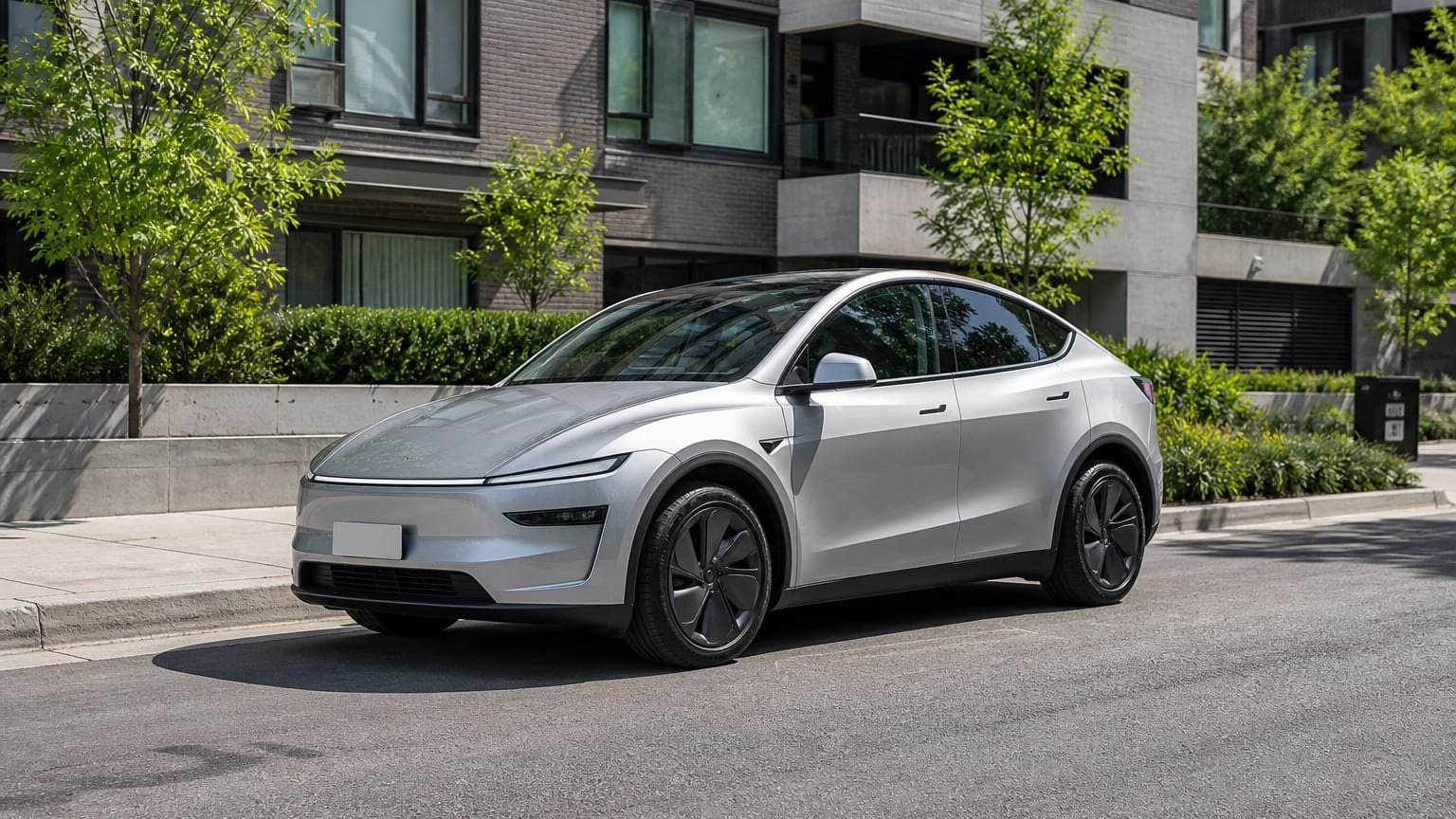
The best Tesla Model Y years to buy are 2024 and 2025, both of which score at or well above the model average on reliability. The best year for the Tesla Model Y is 2025, with a reliability score of 70/100 (“Good”), with only 2 recalls and 69 owner complaints on file. The 2024 Tesla Model Y has good reliability, with 5 recalls and 254 owner complaints on file.
| Best Tesla Model Y Year | Why It's a Strong Buy |
|---|---|
| 2024 | 254 NHTSA complaints, 5 recalls, reliability score 63/100, well past early-build issues |
| 2025 | Fewest complaints (69), 5-star NHTSA, IIHS TSP+, lowest recall count (2), score 70/100 |
Most reliable Tesla Model Y years: 2024, 2025
2025 Tesla Model Y
The 2025 Tesla Model Y earns a 5-star NHTSA safety rating and an IIHS Top Safety Pick+ designation, making it one of the safest compact electric SUVs in the market. Improvements are noted in the 2025 model, which achieves a score of 98/100 on some reliability metrics and shows significantly reduced complaint rates, suggesting increased reliability and fewer reported issues with electrical systems and safety features.
The 2025 is the first full year of the second-generation refresh, which brought revised exterior styling, an updated interior, and a re-engineered suspension. How far the 2025 Model Y can go on one charge improved over the Gen 1 cars, and early owner reports reflect a noticeably tighter build.
2024 Tesla Model Y
The most commonly reported problem areas for the 2024 Model Y are electrical system (47 complaints), forward collision avoidance (42), and unknown/other (26). Compared to the 2021’s 3,111 NHTSA complaints, the 2024’s 254 represents a dramatic improvement. The 2023 and later cars get the giga-cast Austin underbody and cleaner mechanical assembly, though those years carry some software-era recalls covering rearview camera issues, FSD safety, and electronic power steering circuit overstress. The 2024 is the pick if the 2025’s new-car price premium is a concern on the used market.
Tesla Model Y submodel years to avoid
The Tesla Model Y has been offered in Long Range and Performance configurations since launch, alongside the base Standard Range / RWD trim. Each variant is assessed on its own documented record below.
Tesla Model Y Long Range years to avoid
The Long Range variant has been available across the full 2020 - present production run and is the most commonly purchased Model Y configuration. Its dual-motor all-wheel-drive system is mechanically identical to the standard dual-motor Model Y in most model years; it differs primarily in battery size and software-unlocked range, not in a distinct motor or inverter design. Because it shares the same platform, recall campaigns - including the heat pump recall 22V-050, the lateral link investigation, and the phantom braking NHTSA investigation PE22-002 - apply to Long Range VINs in exactly the same way they apply to other dual-motor Model Ys.
By raw NHTSA volume, the years to treat with extra scrutiny are 2021 (3,111 complaints), 2022 (1,658 complaints), and 2023 (1,097 complaints) - and Long Range is the dominant trim in that dataset. No Long Range-specific fault, distinct from the broader Model Y record, has surfaced in available NHTSA complaint data. The Long Range’s larger battery pack does not appear to drive a meaningfully different failure rate, but its added range makes it more attractive on the used market, which means pricing on clean 2024-2025 examples is competitive.
Before buying a used Long Range:
- Confirm recall 22V-050 (heat pump software) is closed on the VIN
- Run a battery health check: charge to 100% and compare the displayed range to the EPA-rated figure for that year
- Verify the 8-year/120,000-mile battery and drive-unit warranty has transferred to you
Tesla Model Y Performance years to avoid
The Performance trim has been offered since the 2020 model year and is mechanically distinguished from the Long Range by a higher-output rear motor, a lowered suspension with firmer tuning, and upgraded brakes. That firmer suspension is the detail that matters for a used buyer: the combination of high curb weight, strong acceleration, and firm suspension tuning puts extra load on bushings, links, and components, and early models between 2020 and 2022 are more prone to this issue than newer ones. A Performance model that has been driven hard compounds the already-elevated suspension wear documented on 2020-2022 builds.
The phantom braking pattern covered above - NHTSA investigation PE22-002 - applied to both the Long Range and Performance across 2021-2022. No Performance-only NHTSA complaint category or separate recall campaign was identified in research that does not also apply to the wider Model Y population. If a Performance trim in your budget falls on 2020 or 2021, apply the same “Avoid” guidance as for the standard lineup and pay particular attention to suspension wear on a test drive.
Before buying a used Performance:
- Test the sport-tuned suspension on rough roads for clunks or shimmy (control arm work runs $300 - $700 per side per the 2022 data above)
- Confirm brake pad and rotor wear - Performance models brake harder and wear consumables faster
- Check that open recall campaigns from the 2020-2021 window are closed on that VIN
Tesla Model Y pre-purchase checklist
Before handing over a deposit on any used Tesla Model Y, run through these model-specific checks:
- Run the VIN through NHTSA’s recall lookup. Confirm every open campaign - including heat pump recall 22V-050, lateral link recall 21V-835, and any current open campaigns - has been closed on that specific car.
- On 2020-2022 cars, verify the heat pump recall. Ask for the service record confirming the firmware update to 2021.44.30.7 or later (NHTSA 22V-050). If the car lives in a cold climate, also ask whether any heat loss was reported and repaired under TSB SB-21-18-002.
- Test Autopilot and Traffic-Aware Cruise Control on a highway. The phantom braking pattern that dominated 2021-2022 complaints is still detectable on unfixed firmware. Engage TACC at highway speed and monitor for unexpected deceleration events.
- Inspect panel gaps, door seals, and the sub-trunk for moisture. Water intrusion through the liftgate (addressed by TSB SB-23-10-003) leaves staining or mildew in the sub-trunk area.
- Check the 12V battery. Ask about service history; a failing 12V system can render the door handles inoperative (NHTSA investigation PE25-010). A replacement runs about $400.
- On 2020-2022 cars, drive over rough pavement. Any front-end clunk points to control arm or lateral link wear; budget $300 - $700 per side if a clunk is present.
- Request the full service record and confirm battery health. Charge the car to 100% and compare the displayed range to EPA-rated figures. A significant gap suggests battery degradation.
- Confirm the 8-year/120,000-mile battery and drive-unit warranty transfers. This is the most valuable remaining coverage on any used Model Y.
Better alternatives to consider
If the Tesla Model Y years in your budget land on the avoid list, consider these alternatives instead:
- Hyundai Ioniq 5 - a well-regarded electric crossover with a shorter complaint history and widely praised build consistency
- Hyundai Kona Electric - a more compact EV option with a cleaner early-generation reliability record in the same price bracket as used early Model Ys
- Ford Mustang Mach-E - a direct Model Y competitor with its own growing used-market track record and a broad dealer service network for out-of-warranty repairs
- Toyota bZ4X - Toyota’s conservative engineering approach produces a more traditional reliability baseline for buyers who prioritize low-drama ownership
Is the Tesla Model Y worth buying
Yes - as long as you avoid the 2020 and 2021 model years, the Tesla Model Y is a reasonable used buy. The 2025 Model Y carries a 5-star NHTSA safety rating and an IIHS TSP+ designation, and the 2024 posts a solid 63/100 reliability score with only 254 NHTSA complaints. The Gen 2 cars (2025-on) benefit from a refreshed platform and the fewest complaints of any Model Y year. Stick to 2024 or 2025 if your budget allows, run every VIN through NHTSA’s recall checker, and verify the service history before signing - those three steps eliminate most of the documented risk. Understanding the hidden costs of EV ownership - particularly out-of-warranty heat pump and suspension work - will also help you budget accurately for a used Model Y purchase.
Frequently asked questions
What are the best Tesla Model Y years to buy
The best Tesla Model Y years to buy are 2024 and 2025. The 2025 is the top pick with a reliability score of 70/100, only 2 recalls, and 69 NHTSA owner complaints on file. The 2024 is a strong alternative with good reliability, 5 recalls, and 254 NHTSA owner complaints.
What are the worst years for the Tesla Model Y
The worst years for the Tesla Model Y are 2020 and 2021. CarComplaints rates the 2021 as the worst model year on repair cost and average mileage when problems occur. NHTSA data shows 2020 had the most recall campaigns (22) and 2021 had 21 recall campaigns - the two highest totals of any Model Y year.
Which year Tesla Model Y is most reliable
The 2025 Tesla Model Y is the most reliable pick in the lineup, scoring 70/100 with only 2 recalls and 69 NHTSA owner complaints - the fewest of any Model Y year on record. If you need a used car that’s had more time for reliability data to accumulate, the 2024 is the next-best option.
What year Tesla Model Y has the worst phantom braking problems
The phantom braking investigation focused on 2021 and 2022 Tesla Model 3 and Model Y vehicles, after hundreds of complaints about unexpected braking events. A related AEB recall (NHTSA 21V-846) also covered 2021 Model Y vehicles running a specific software version. If you’re buying a 2021 or 2022 Model Y, confirm the firmware is current and that NHTSA recall 21V-846 is closed on the VIN.
How long does a Tesla Model Y last
The Tesla Model Y’s electric drivetrain is built for high mileage, and many owners report crossing 150,000-200,000 miles with only routine maintenance. The factory battery and drive-unit warranty runs 8 years or 120,000 miles, whichever comes first, and that coverage transfers to subsequent owners. The Model Y’s electric drivetrain is relatively low-drama, and the most frequent “repairs” owners encounter are wear items and minor fixes rather than major failures. A detailed breakdown of how many miles a Tesla can last shows that battery health, not drivetrain wear, is the primary long-term variable to monitor on any used Model Y.
Toyota
Corolla Cross