
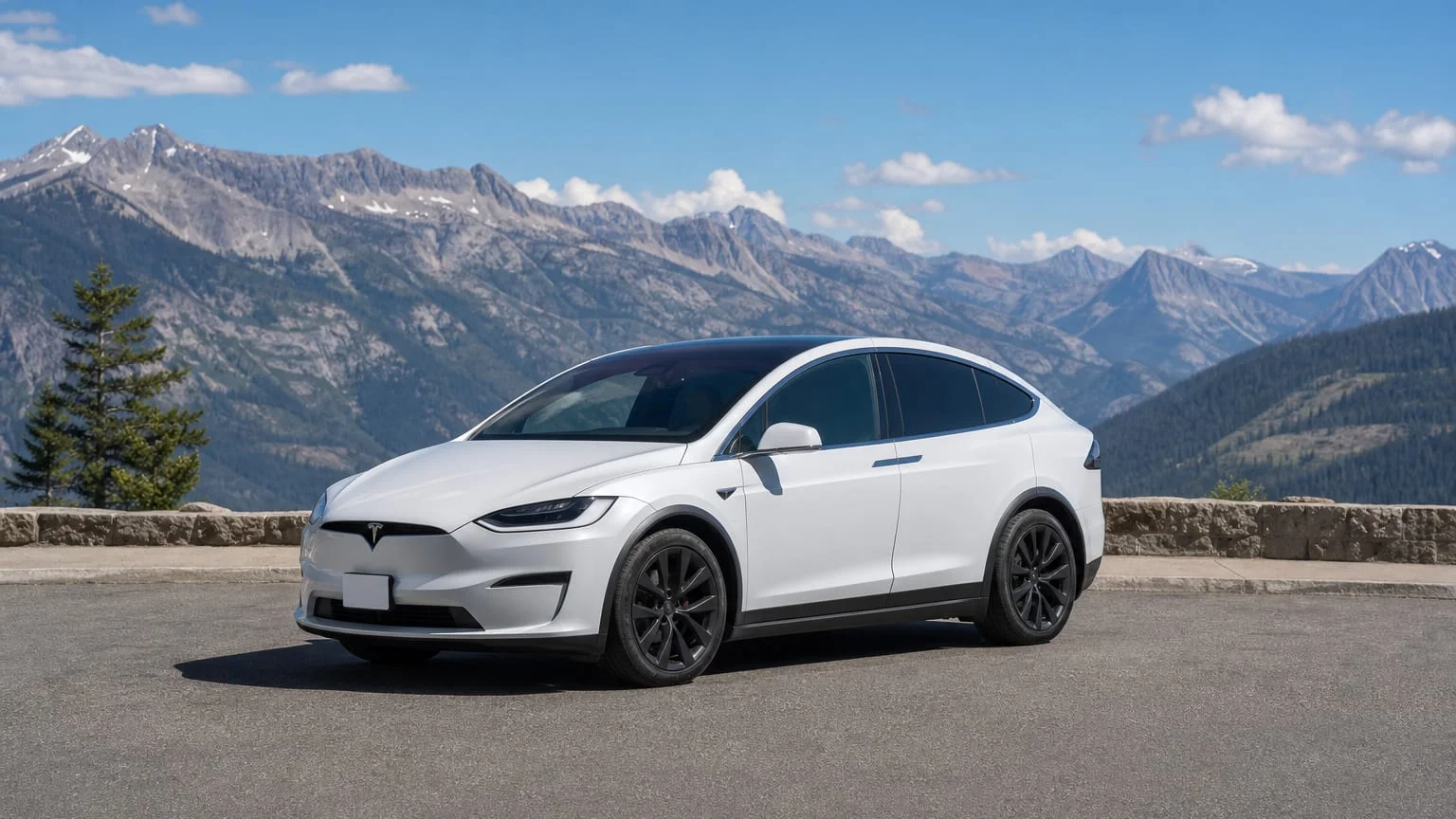
The Tesla Model X is a capable, high-performance electric SUV with a strong NHTSA crash-test record, but a handful of model years carry a significantly higher complaint and recall burden than the rest of the lineup. If you shop used, picking the right year is the difference between a smooth ownership experience and an expensive repair bill. This guide uses NHTSA complaint data, CarComplaints rankings, Consumer Reports reliability verdicts, and owner forum input to give you a clear, year-by-year picture of what to buy and what to skip.
For generations, engines, and ownership notes in one place, see the Tesla Model X hub.
Related: Tesla Model S years to avoid, Tesla Model Y years to avoid.
At a glance
- Worst years
- 2016
- 2017
- 2018
- 2023
- Best years
- 2019
- 2020
- 2022
- Top failure
- Falcon Wing door malfunctions and build-quality defects (first generation, 2016-2018, per NHTSA complaint volume and Consumer Reports reliability ratings)
- Always do before buying
- Run the VIN through NHTSA's recall checker to confirm all open campaigns are closed; on 2016-2018 cars specifically, test every Falcon Wing door cycle and inspect all suspension components before purchase
Recalls by year
Gray bands mark years the model was not produced.
How we rated the best and worst Tesla Model X years
The first-generation Model X (2016-2020) is the problem generation: early cars were plagued with suspension and build quality issues, and the Falcon Wing doors were particularly troublesome, with NHTSA recording its highest complaint volumes for the 2016-2018 model years.
This article draws on NHTSA complaint and recall data, CarComplaints (which ranks the worst year by repair cost and mileage at failure via its PainRank algorithm), Consumer Reports predictive reliability scores, RepairPal cost estimates, and owner discussion at the Tesla Motors Club forum. CarComplaints PainRank and NHTSA complaint volume measure different things and often point to different years - every figure below is attributed to its actual source.
Our years to avoid methodology weights complaint volume, recall count, and repair cost by mileage at failure rather than treating all data sources equally.
| Tesla Model X Generation | Best Tesla Model X Years | Worst Tesla Model X Years |
|---|---|---|
| 1st Gen (2016-2020) | 2019, 2020 | 2016, 2017, 2018 |
| 2nd Gen (2021 - present) | 2022 | 2023 |
Every Tesla Model X model year ranked
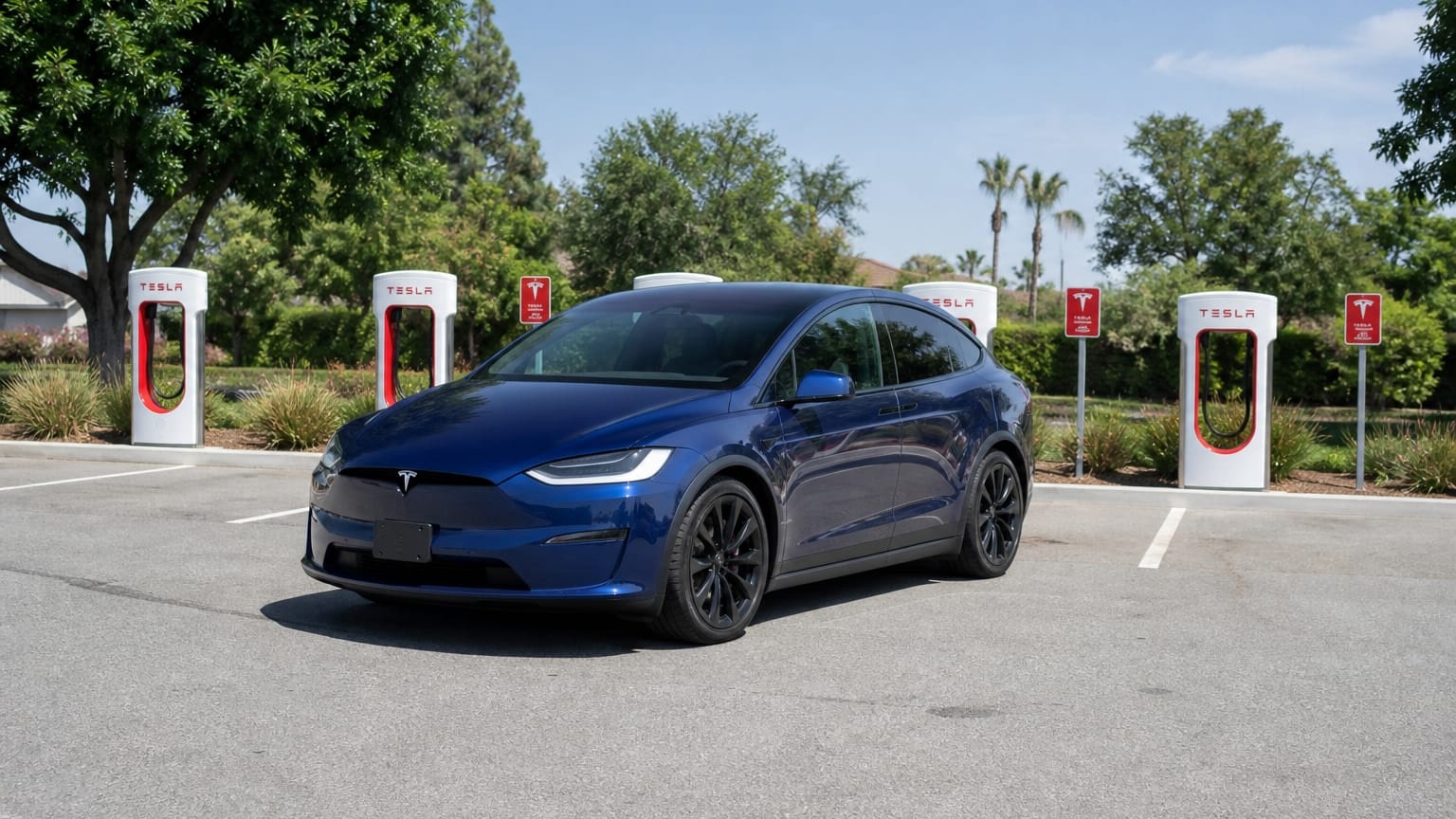
NHTSA complaint data shows a clear split: early years (2016-2018) carry the heaviest complaint and investigation burden, while later model years trend toward fewer complaints and recalls.
| Model Year | Generation | Verdict | Notes |
|---|---|---|---|
| 2016 | 1st Gen | Avoid | 391 NHTSA complaints; most complaints of any Model X year |
| 2017 | 1st Gen | Avoid | 9 recalls, 215 NHTSA complaints, 11 investigations |
| 2018 | 1st Gen | Avoid | Significant suspension and electrical complaints |
| 2019 | 1st Gen | Best | Relatively few complaints and recalls |
| 2020 | 1st Gen | Best | Among lowest complaint counts of 1st-gen cars |
| 2021 | 2nd Gen | OK/Mixed | 23 recalls, 38 NHTSA complaints; refresh-year teething issues |
| 2022 | 2nd Gen | Best | 0 NHTSA complaints on record; 72/100 reliability score |
| 2023 | 2nd Gen | Avoid | 16 recalls, 183 NHTSA complaints; lowest reliability score (47/100) |
| 2024 | 2nd Gen | OK/Mixed | 8 recalls, 17 NHTSA complaints; scores 61/100 |
| 2025 | 2nd Gen | OK/Mixed | 3 recalls, 13 NHTSA complaints; scores 66/100 |
Most common Tesla Model X problems
The single biggest recurring failure category across the Model X’s life is Falcon Wing door malfunctions, followed closely by suspension wear, electrical and software glitches, steering complaints, and airbag recall actions. Here is a breakdown of the top five.
1. Falcon Wing door malfunctions
The Falcon Wing doors are a Model X signature feature and one of the most common sources of noise, leaks, and repair bills. Common issues include doors that don’t close flush, squeaks and rattles, false obstacle detections that prevent the doors from opening fully, and water leaks around the seals.
The 2016 and 2017 model years - the earliest production cars - had the most build-quality complaints, Falcon Wing door failures, and suspension wear. These issues are more frequent on earlier models, and Tesla improved door software over time. No single NHTSA recall exclusively covers the Falcon Wing door mechanism; Tesla addressed many door faults through over-the-air software updates rather than a formal recall campaign.
Poorly aligned Falcon Wing doors can damage seals and hinges over time and may hint at prior collision damage. If a used Model X shows uneven gaps or noisy door operation, budget for repairs or walk away if the seller can’t document proper fixes. Repair costs for door-seal and hinge work at a Tesla service center can range into the hundreds of dollars per door and higher if structural realignment is needed.
2. Suspension wear and air-suspension failures
The Model X runs an air suspension that provides a smooth ride but can develop leaks or other issues. Repairing or replacing air suspension components costs between $1,000 and $3,000 depending on the specific problem. Major suspension work - control arms, air struts, compressor - can easily add $2,000 - $4,000 at a Tesla service center if you are out of warranty.
NHTSA opened a formal investigation into around 115,000 Tesla vehicles covering certain 2015-2017 Model S and 2016-2017 Model X vehicles over a front suspension safety issue. Front suspension components like control arms and ball joints tend to wear prematurely, and owners on the Tesla Motors Club forum have reported front suspension replacements costing $10,000 or more on older out-of-warranty cars.
Across all model years in NHTSA data, suspension is one of the top three reported problem areas at 89 complaints. Buyers of any 2016-2018 car should budget for suspension inspection and potential component replacement before purchase.
3. Electrical system faults and infotainment failures
CarComplaints data lists electrical problems as the most pressing concern for the 2017 Model X. NHTSA also received the most complaints regarding electrical issues, centered on the central touchscreen: owners experienced screens freezing or going black, unresponsive controls, and random system reboots.
The large touchscreen controls everything from navigation to climate control. If it malfunctions or fails, it is a major inconvenience. Replacing the touchscreen can cost between $1,000 and $2,000.
A 2022 recall (NHTSA campaign 22V-296) covered 2021-2022 Model S and Model X vehicles: fast charging could cause the infotainment computer to overheat, making the center screen lag or fail to display. Tesla fixed this with a free over-the-air software update. The hidden costs of owning an electric car include out-of-warranty software and electronics repairs that can be difficult to source outside the Tesla service network.
4. Autopilot and self-driving software recalls
A December 2023 recall (NHTSA campaign 23V-838) covered 2016-2023 Model X vehicles equipped with Autosteer. In certain circumstances when Autosteer is engaged, the system’s controls may not be sufficient to prevent driver misuse of the SAE Level 2 feature. Tesla fixed this with a free over-the-air software update.
A February 2023 recall (NHTSA campaign 23V-085) covered certain 2016-2023 Model X vehicles with Full Self-Driving Beta software. Issues with FSD Beta could result in unsafe driving practices, and the remedy was an over-the-air software update.
Both campaigns were resolved remotely at no cost, but buyers of any 2016-2023 car should confirm via the NHTSA VIN checker that these campaigns are marked closed on their specific vehicle. The investigation found the feature didn’t do enough to prevent drivers from using Autopilot in situations where they are not in control of the vehicle; Tesla did not concur with the agency’s analysis but agreed to administer the recall voluntarily.
5. Airbag-related recalls
Tesla issued a recall (NHTSA campaign 22V-843) for 2021-2023 Model X SUVs because the front passenger airbag might not meet a specific federal vehicle safety standard. The fix was an over-the-air software update that Tesla said it had already released free of charge.
In 2024, 487 units were recalled for potential airbag tears during deployment, and 2022 alone saw two airbag-related recalls - one for 7,289 units and one for 28,348 units. According to RepairPal, Tesla X vehicles have 39 known recalls in total, with the most common being font size of instrumentation warnings too small.
These airbag recalls apply mostly to 2021-2023 cars. A separate recall covers 2021-2025 Model S and Model X vehicles where the driver’s airbag could tear during deployment. Confirm all airbag campaigns are resolved before purchasing any 2021-2023 example.
Which Tesla Model X years should you avoid
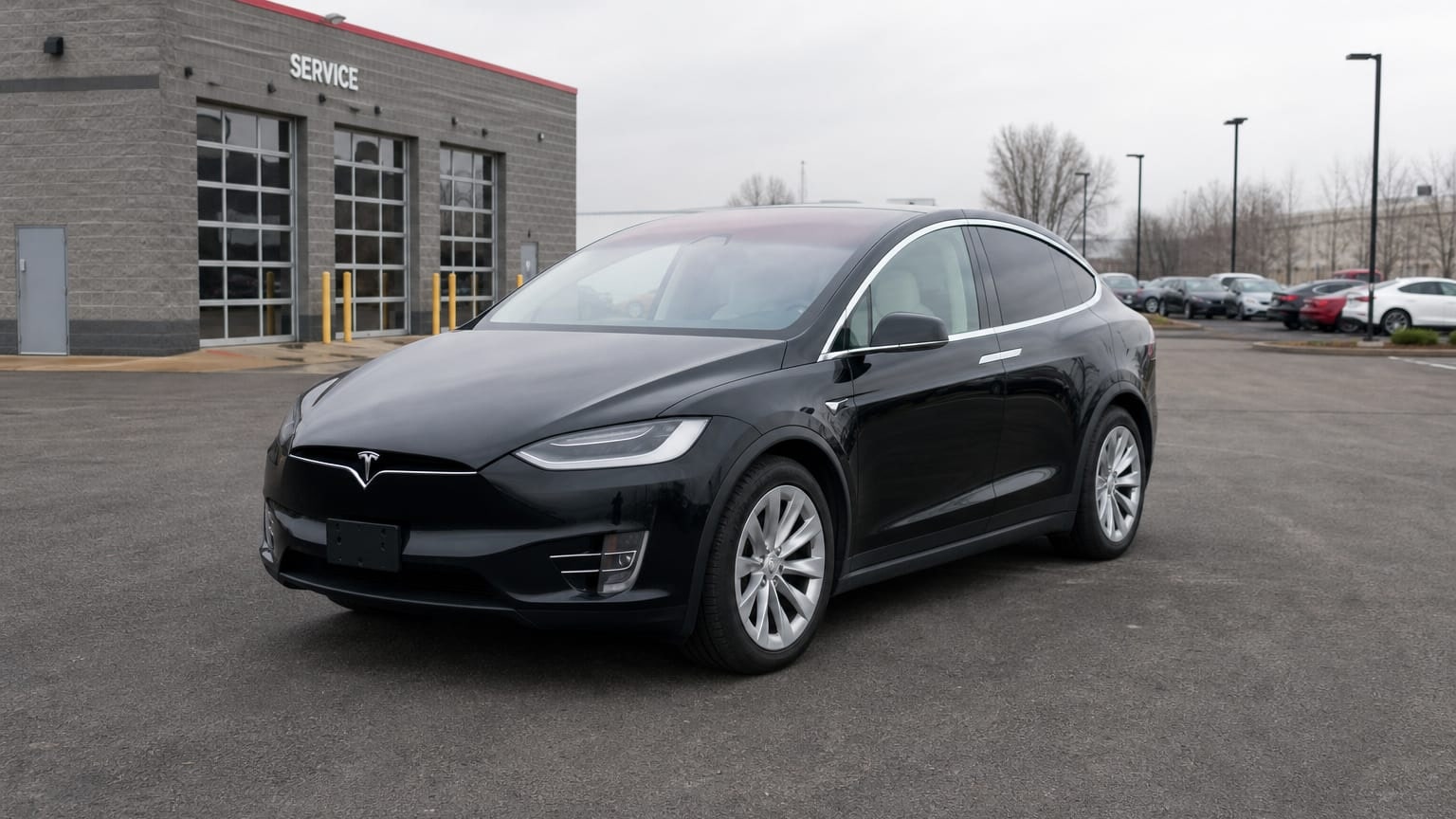
The Tesla Model X years to avoid are 2016, 2017, 2018, and 2023. The 2016 Tesla Model X’s 391 NHTSA complaints led to 12 investigations and 10 recalls, making it the highest-complaint year by raw NHTSA volume. CarComplaints identifies the 2017 Model X as the worst Tesla Model X year based on its PainRank algorithm, which weighs repair cost and mileage at failure - a separate metric from raw complaint volume. The 2023 is the weakest second-generation year by reliability score.
| Tesla Model X Generation | Model Years | Verdict | Main Issues |
|---|---|---|---|
| 1st Gen (2016-2020) | 2016, 2017, 2018 | Worst | Falcon Wing door failures, suspension wear, electrical faults, high recall count |
| 1st Gen (2016-2020) | 2019, 2020 | Best | Fewer complaints, improved build quality |
| 2nd Gen (2021 - present) | 2021 | Mixed | 23 recalls, steering and electrical complaints |
| 2nd Gen (2021 - present) | 2022 | Best | Zero NHTSA complaints, 72/100 reliability score |
| 2nd Gen (2021 - present) | 2023 | Worst | 16 recalls, 183 NHTSA complaints, 47/100 reliability score |
| 2nd Gen (2021 - present) | 2024, 2025 | Mixed | Moderate complaint counts, good scores overall |
Worst Tesla Model X years: 2016, 2017, 2018, 2023
First-generation Tesla Model X (2016-2018)
According to NHTSA, the 2016 to 2018 model years received the most complaints and had more investigations than any later models. The 2017 Tesla Model X was recalled nine times with 215 NHTSA complaints resulting in 11 investigations. Consumer Reports gave these early years low predictive reliability scores, citing poor ratings for paint and trim, body integrity, in-car electronics, and body hardware. All figures here follow editorial guidelines and research verification standards that require attribution to the original data source rather than secondary summaries.
Early Model X years saw more door, trim, and suspension complaints than later builds. The combination of a brand-new platform, complex Falcon Wing door hardware, and an air suspension system prone to early wear made 2016-2018 cars the most expensive to own used. Check NHTSA complaint data for the 2016 Model X directly before purchasing.
Second-generation Tesla Model X (2023)
The 2023 Tesla Model X has mixed reliability. There are 16 recalls and 183 owner complaints on file. The most commonly reported problem areas are unknown or other (69 complaints), steering (45 complaints), and electrical system (16 complaints), with severity signals including 16 crash-related and 2 fire-related complaints.
Complaint rates peaked at 74.1 complaints per 10,000 vehicles sold in 2023, the highest rate of the modern lineup. The 2023 scores 47/100 on reliability - well below the model average of 57/100. If your budget targets a second-generation car, skip 2023 and look at 2022 or 2024 instead.
What are the best Tesla Model X years to buy
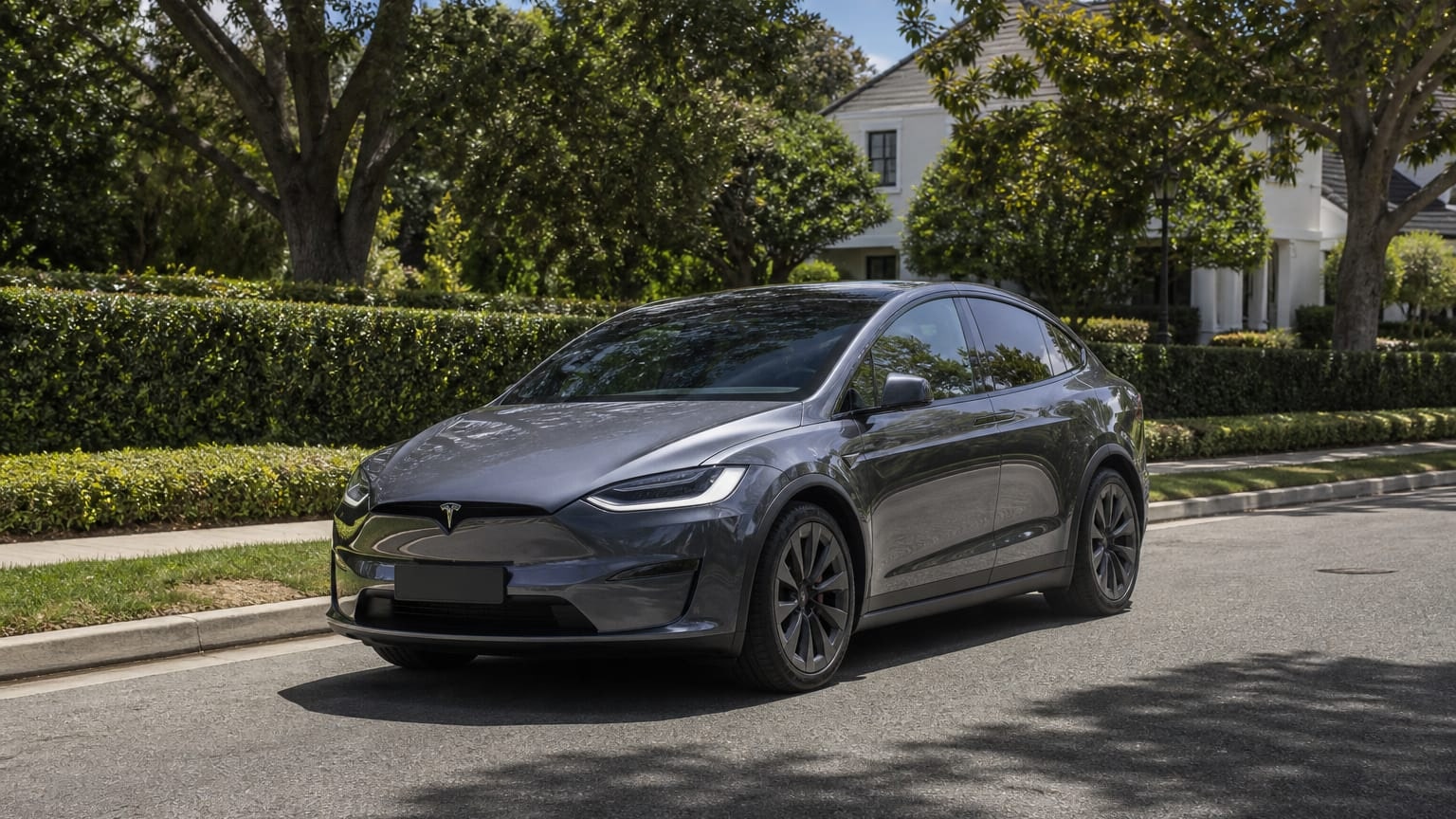
The best Tesla Model X years to buy are 2019, 2020, and 2022. 2019 examples are a sweet spot in the used market, with relatively few recalls and consumer complaints. The 2022 Tesla Model X has good reliability with zero recalls and zero owner complaints on record.
| Best Tesla Model X Year | Why It's a Strong Buy |
|---|---|
| 2019 | Few recalls, low complaint count, improved build quality over 2016-2018 |
| 2020 | Among the lowest complaint totals of any 1st-gen year; range exceeds 300 miles |
| 2022 | Zero NHTSA complaints, 72/100 reliability score - the strongest year in the lineup |
Most reliable Tesla Model X years: 2019, 2020, 2022
2022 Tesla Model X
The best Tesla Model X year is 2022, with a reliability score of 72/100, rated good. There are zero recalls and zero owner NHTSA complaints on file for this model year - a stand-out data point in a lineup that averages 57/100. The only notable change for 2022 was the dropping of the Long Range name on the base trim. CarComplaints does not have a single report on file for any Tesla Model X since the Plaid trim was launched for the 2022 model year.
2019 Tesla Model X
If you are looking for an older, cheaper Model X, 2019 examples are a sweet spot, with relatively few recalls and consumer complaints. The 2019 benefits from several years of Falcon Wing door hardware and software refinement over the troubled 2016-2017 cars. It also gained the Long Range Plus powertrain capable of exceeding 300 miles per charge - roughly 30 miles more range than the base 2016 car.
2020 Tesla Model X
Tesla Model X models from 2020 are among the years with the least number of complaints in the first generation. The 2020 carried the refined air-suspension hardware from the late-2019 production run and benefited from over-the-air software maturity. It is one of the last opportunities to buy a first-generation car before the 2021 refresh raised prices significantly on the used market.
Tesla Model X submodel years to avoid
The Tesla Model X Plaid is the submodel most used-car shoppers ask about. Here is what the data actually shows for this variant specifically.
Tesla Model X Plaid years to avoid
The Model X Plaid was introduced for the 2021 model year as part of the second-generation refresh. The 2021 lineup included Long Range Plus, Performance, Long Range, and Plaid trim levels. The Plaid is powered by a tri-motor all-wheel-drive powertrain - mechanically distinct from the dual-motor Long Range - delivering a claimed 0-60 mph time under 2.5 seconds, making it one of the quickest production SUVs available.
CarComplaints has not recorded a single complaint for any Tesla Model X since the Plaid launched for 2022, meaning the Plaid specifically has not yet accumulated a complaint record large enough to flag a worst year. No Plaid-specific NHTSA recall campaign has surfaced in research that does not also cover the Long Range variant of the same model year. Most of the major recall actions affecting 2021-2023 cars - the airbag software campaign (22V-843), the Autopilot campaign (23V-838), and the FSD Beta campaign (23V-085) - cover the full Model X lineup rather than the Plaid trim alone.
If you are buying a used Plaid, the pre-purchase checks that matter most are:
- Confirm all open recall campaigns are closed via the NHTSA VIN checker (the Plaid shares all recall actions with non-Plaid Model X cars of the same year)
- Test the tri-motor drivetrain across the full acceleration range - any hesitation or uneven torque delivery warrants inspection
- Verify the Falcon Wing doors cycle through a full open-close sequence, as door hardware is shared with the standard car
- Note that a full battery replacement for a Plaid-spec pack carries the same $12,000 - $18,000 out-of-warranty cost exposure as the rest of the lineup
Tesla Model X pre-purchase checklist
Before handing over money for a used Model X, run through each of these model-specific checks.
- Run the VIN through NHTSA’s recall checker at nhtsa.gov/recalls. Confirm recall campaigns 23V-838 (Autopilot), 23V-085 (FSD Beta), and 22V-843 (airbag) are marked closed for your specific VIN. Any open campaign costs you nothing to fix - but it should be resolved before you drive the car.
- Cycle every Falcon Wing door fully at the test drive, including in a tight parking space to trigger the obstacle-detection sensors. Uneven gaps, squeaks, or doors that won’t open fully signal pending repair costs.
- Inspect the air suspension on any 2016-2020 car. Ask for documentation of suspension service history. Listen for clunking over bumps and check for the car sitting unevenly at rest - classic signs of a failing air strut or compressor.
- Verify infotainment and software version. Tap through the main menu of the center screen and confirm Autopilot is functional. A malfunctioning or slow touchscreen can cost $1,000 - $2,000 to replace, and older firmware versions may be ineligible for over-the-air updates.
- Check battery health. Ask the seller to display the battery health screen. A full battery replacement on a Model X, if needed outside the 8-year warranty, can cost $12,000 - $18,000. Understanding how many miles a Tesla can last helps set realistic expectations for used battery range.
- Request full service records. Out-of-warranty Model X repairs can reach $10,000 for suspension alone, per owner reports. A complete service history is the only way to confirm prior failures have been addressed.
- On any 2016-2018 car, have an independent mechanic inspect the front suspension before purchase, given the NHTSA investigation covering those years for front suspension aft link failures.
Better alternatives to consider
If the Tesla Model X years in your budget land on the avoid list, consider these alternatives instead:
- BMW X3 - a premium mid-size SUV with a clearer year-by-year reliability record and wider third-party service network
- Audi Q5 - a comparable luxury SUV with competitive repair infrastructure and a longer proven track record in the used market
- Rivian R1S - a direct large-format electric SUV competitor at a similar price point with a growing service network and strong owner satisfaction scores
- Volvo EX90 - a seven-seat electric SUV that avoids the Falcon Wing door complexity while offering comparable luxury and modern driver-assistance technology
Is the Tesla Model X worth buying
Yes, the Tesla Model X is worth buying as long as you avoid the 2016, 2017, 2018, and 2023 model years. The Model X was the first SUV ever to receive a five-star NHTSA rating in every crash-test category, and that structural safety advantage persists across the entire lineup regardless of model year. Drivers and passengers in the Model X have a 93% probability of walking away from a crash without a serious injury, per NHTSA data.
The 2019, 2020, and 2022 model years offer the strongest combination of low complaint counts, solid reliability scores, and reasonable used pricing. The 2023-2025 Tesla Model X gets the highest predictive reliability scores on Consumer Reports, so a 2024 or 2025 example is also a solid choice if your budget allows. Run the VIN through NHTSA’s recall checker and ask for a full service history before signing.
Frequently asked questions
What are the best Tesla Model X years to buy
The best Tesla Model X years to buy are 2019, 2020, and 2022. The 2022 is the standout pick, with zero NHTSA recalls and zero owner complaints on file and a reliability score of 72/100. The 2019 and 2020 are the strongest affordable options in the first-generation lineup.
What are the worst years for the Tesla Model X
The worst years for the Tesla Model X are 2016, 2017, 2018, and 2023. The 2016 drew 391 NHTSA complaints and triggered 10 recalls and 12 investigations - the highest raw complaint volume of any Model X year. CarComplaints ranks the 2017 as the single worst year by its PainRank metric, which factors in repair cost and mileage at failure.
Which year Tesla Model X is most reliable
The 2022 Tesla Model X is the most reliable year, scoring 72/100 - the highest reliability score in the lineup. It is the only Model X year on record with zero NHTSA complaints and zero active recalls, making it the safest used-market pick regardless of generation.
What year Tesla Model X has the most Falcon Wing door problems
The Falcon Wing door problems are worst on 2016 and 2017 cars, the first two production years of the Model X. Early 2016-2017 production had the most build-quality complaints, Falcon Wing door failures, and suspension wear. Tesla addressed many door faults through over-the-air software updates over the following years, so later cars are meaningfully improved, though no formal TSB number covering the full door-failure window was confirmed in research.
How long does a Tesla Model X last
Most Model X battery packs carry an 8-year, mileage-limited battery and drive unit warranty, and many owners report battery performance remaining strong past 100,000 miles. One owner noted their 2017 Model X battery was still performing well after 120,000 miles, which aligns with broader Tesla fleet data suggesting the electric drivetrain itself is durable. The greatest long-term cost risks are out-of-warranty suspension, door hardware, and - in a worst-case scenario - battery pack replacement, which can reach $12,000 - $18,000.