
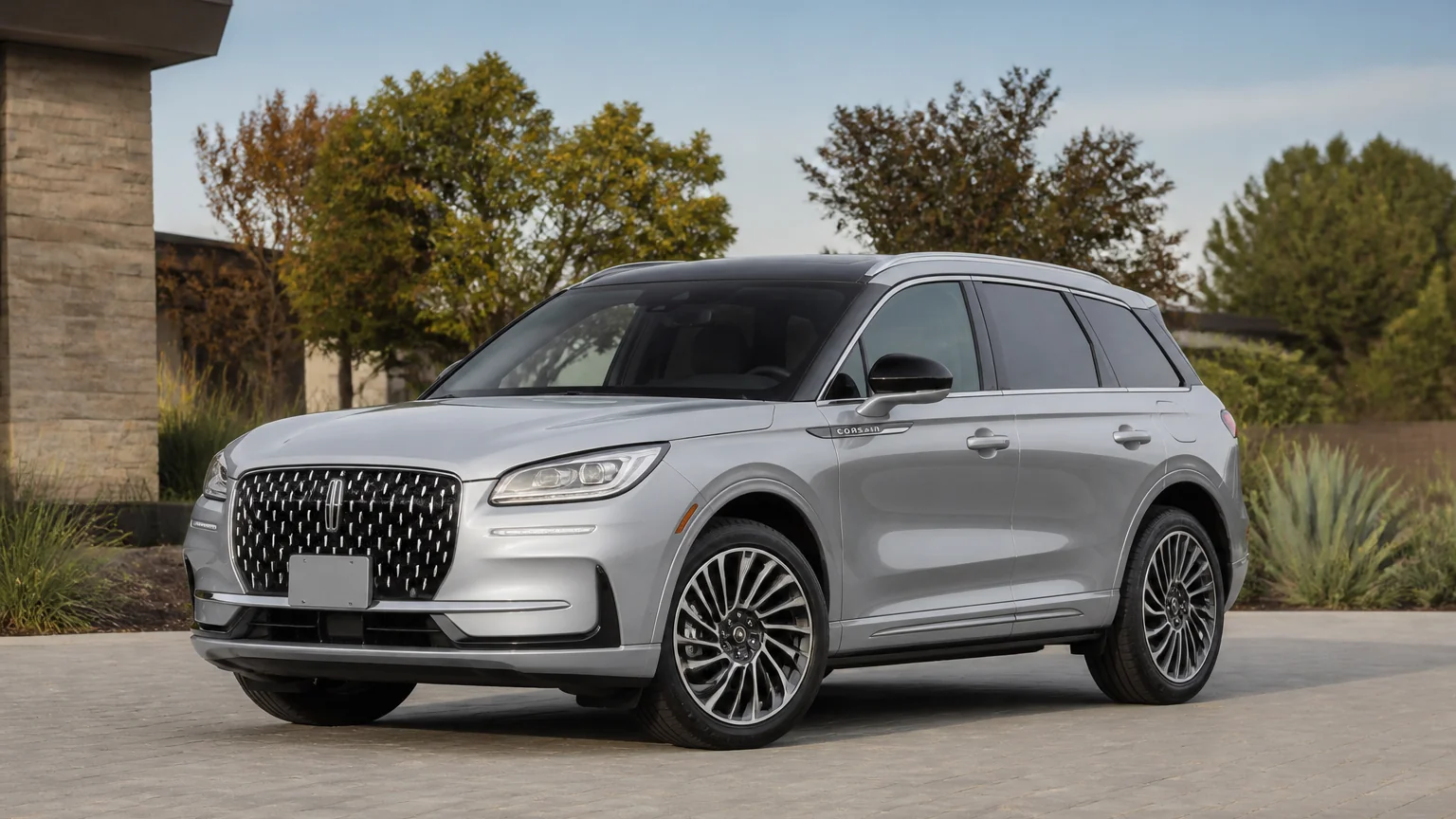
The Lincoln Corsair is a comfortable, well-appointed compact luxury SUV that replaced the MKC in 2020, and for most model years it delivers a solid ownership experience. A handful of early model years, though, carry a disproportionate share of complaints and recall campaigns that used-car shoppers should know about before signing anything. This guide uses data from NHTSA, CarComplaints, Consumer Reports, RepairPal, J.D. Power, and owner forums to show you exactly which years to skip and which ones are worth your money.
For generations, engines, and ownership notes in one place, see the Lincoln Corsair hub.
Related: Lincoln MKC years to avoid, Lincoln Aviator years to avoid.
At a glance
- Worst years
- 2020
- 2021
- Best years
- 2023
- 2024
- Top failure
- Rearview/360-degree camera system failure on 2020-2022 Corsairs (CarComplaints rates 2020 the worst model year on repair cost and mileage-at-failure)
- Always do before buying
- Run the VIN through NHTSA's recall checker to confirm all open campaigns are closed; on 2020-2022 cars, verify the camera recall remedy has actually been performed (not just initiated)
How we rated the best and worst Lincoln Corsair years
The first generation of the Lincoln Corsair, covering 2020 to the present, has a clear weak spot: the 2020 model year, which CarComplaints rates as the worst model year, ranked on several factors including repair cost and average mileage when problems occur, and which also leads in raw NHTSA complaint volume. That distinction matters because CarComplaints ranks a worst year by repair cost and mileage-at-failure (its PainRank system), while NHTSA tracks raw complaint volume - both metrics point to 2020 as the problem year, but for different reasons.
Data for this guide was drawn from NHTSA complaints and recalls, CarComplaints (PainRank / repair-cost ranking), RepairPal (repair cost and brand reliability), Consumer Reports owner surveys, J.D. Power quality scores, and owner discussion at Lincoln Forums. Our years to avoid methodology weighs complaint rate, recall volume, repair cost, and mileage-at-failure together rather than using any single metric alone.
| Lincoln Corsair Generation | Best Lincoln Corsair Years | Worst Lincoln Corsair Years |
|---|---|---|
| First generation (2020 - present) | 2023, 2024 | 2020, 2021 |
Every Lincoln Corsair model year ranked
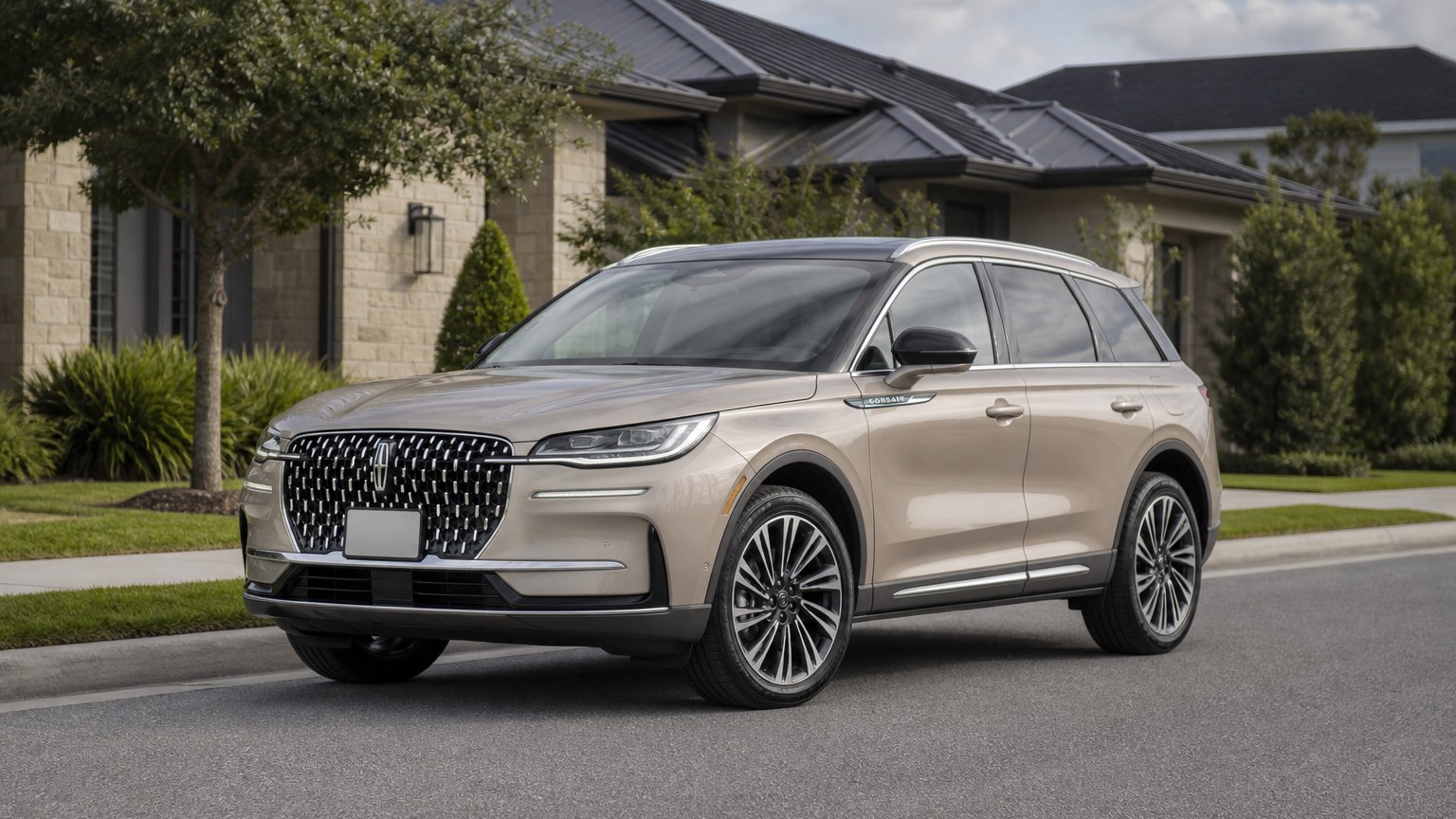
The Lincoln Corsair has only one generation so far, launched for the 2020 model year as a direct replacement for the Lincoln MKC. The table below covers every model year for which meaningful complaint data exists.
| Model Year | Generation | Verdict | Notes |
|---|---|---|---|
| 2020 | 1st gen | Avoid | Most complaints, most recalls (16), worst PainRank on CarComplaints |
| 2021 | 1st gen | Avoid | Second-highest NHTSA complaint count, fuel delivery module recall, ADAS issues |
| 2022 | 1st gen | OK/Mixed | Third-highest complaint count; camera recall still applies; 5-star NHTSA safety rating |
| 2023 | 1st gen | Best | Significantly fewer complaints; 2.3L turbo dropped; strong J.D. Power score |
| 2024 | 1st gen | Best | Low complaint count (18 per NHTSA); below-class-average complaint rate |
Note: The Lincoln Corsair name was also used on a classic 1963-1965 Ford/Lincoln-branded vehicle. That era represents a separate collector market with entirely different considerations and is not ranked here.
Most common Lincoln Corsair problems
The most commonly reported problem areas across all Corsair model years are electrical system, back-over prevention (rearview camera), and forward collision avoidance. The rearview and 360-degree camera system failure is the single most documented defect, triggering multiple recall campaigns and the highest concentration of NHTSA complaints on the 2020 model year.
1. Rearview and 360-degree camera failure
The most reported problem for the 2020 Lincoln Corsair is the failure of the rearview and 360-degree camera system. Owners frequently report a blue or black screen when shifting into reverse, which renders the camera useless. Some owners also experienced distorted images. This is a safety defect under federal visibility standards, not merely a convenience issue.
The rearview camera proved especially problematic, as four recalls were issued for it on the 2020 Corsair under NHTSA recall numbers 20V-575, 21V-735, 23V-022, and 23V-342. The recall covering 2020-2022 Corsairs equipped with a 360-degree camera (NHTSA 23V-022, Ford recall 23S02) found that the video output may fail, preventing the rearview camera image from displaying. That campaign expanded and replaced earlier software-only work, and vehicles previously repaired under 23V-022 were required to have the new remedy performed.
Dealers updated the image processing module (IPMB) software free of charge under earlier campaigns; the final expansion (NHTSA 23V-342, Ford 23S23) required dealers to replace the 360-degree camera itself, free of charge. Buyer takeaway: before buying a 2020-2022 Corsair, confirm with the dealer or via NHTSA’s VIN recall lookup that the final remedy under 23V-342 has been completed - not just the earlier software update.
2. Electrical system glitches and infotainment failures
The most common Lincoln Corsair problem across all model years is electrical faults, with 37 NHTSA complaints logged. A significant portion of consumer complaints filed with NHTSA are electrical, with owners citing screens going blank while driving and safety sensors like blind-spot monitoring giving false alerts.
One of the recurring concerns that some Corsair owners have encountered is electrical glitches, including faults with the infotainment system, touchscreen responsiveness, or issues with various sensors. Although the infotainment system is generally user-friendly, it was found to be glitch-prone in some vehicles. On a Lincoln Corsair, the early trouble concentrates in the electrical system and back-over prevention, typically reported at around 2.1 years of age - meaning a car still within its 4-year/50,000-mile warranty is the one to watch for these problems most closely.
The 2020 Corsair alone has 8 NHTSA complaints for the electrical system at an average of 41 miles - pointing to brand-new cars experiencing failures. If you are looking at a higher-mileage 2020 or 2021, ask the dealer to demonstrate every screen, sensor, and driver-assist function during a thorough test drive.
3. Transmission roughness and auto start-stop issues
Some owners of the 2020 Corsair recounted issues associated with the transmission. A number of drivers experienced jerky shifts, delayed responses, and rough engagement when accelerating or decelerating, which impacted driving comfort and raised reliability concerns.
The 2021 Corsair, while seeing some improvements, still experienced several reported issues. While engine and transmission problems were less frequent, customers reported problems with advanced driver-assistance systems (ADAS), such as lane-keeping assist and adaptive cruise control malfunctioning. Within a federal cluster of 4 transmission complaints across 2020, one owner-reported repair cost reached $6,500.
Checking transmission behavior is straightforward: during a test drive, accelerate from a stop, coast to a near-stop in traffic, and confirm the auto start-stop restart is smooth before committing to a 2020 or 2021 car.
4. Fuel delivery module leak (2021 PHEV/gasoline models)
A recall issued on August 9, 2021, involves the 2021 Lincoln Corsair. The issue is related to a potential fuel delivery module leak inside the fuel tank, which leads to low fuel pressure and, therefore, engine stalls. Ford recalled certain 2021 Escape, Lincoln Corsair, and 2021-2022 Bronco Sport vehicles because the fuel delivery module may leak inside the fuel tank, causing low fuel pressure which could result in an engine stall.
An unexpected engine stall at highway speed is a genuine safety risk. Confirm this recall has been completed before buying any 2021 Corsair by checking the VIN on NHTSA’s website.
5. PHEV high-voltage battery cell defect (2021-2024 Grand Touring PHEV)
Ford recalled certain 2020-2024 Ford Escape and 2021-2024 Lincoln Corsair plug-in hybrid vehicles because a manufacturing defect in one or more of the high-voltage battery cells may result in an internal short circuit and battery failure, which can cause a loss of drive power and increase the risk of a crash or fire.
If the Corsair you are considering is the Grand Touring PHEV trim, this recall is especially relevant. A separate but related campaign (NHTSA 26V-091) covers 2023-2025 Ford Escape and 2023-2026 Lincoln Corsair PHEV vehicles for the same high-voltage battery cell defect. Verify via VIN lookup that whichever PHEV campaign applies to your specific car has been completed.
6. Brake system concerns
Brake system malfunctions have been reported in the Lincoln Corsair, with one 2022 owner informing NHTSA that while driving at roughly 20 mph and engaging the brakes, the vehicle continued to move forward instead of slowing down. Brake-related complaints are less common than electrical or camera issues, but they carry serious safety implications. A soft brake pedal or unexpected brake fade during a pre-purchase test drive is a hard stop - walk away and have any brake complaint confirmed by an independent mechanic.
The worst complaints on the 2020 Lincoln Corsair span AC/heater, accessories (exterior), and brakes. Testing all of these systems during an extended test drive is the simplest way to catch a problem before purchase.
Which Lincoln Corsair years should you avoid?
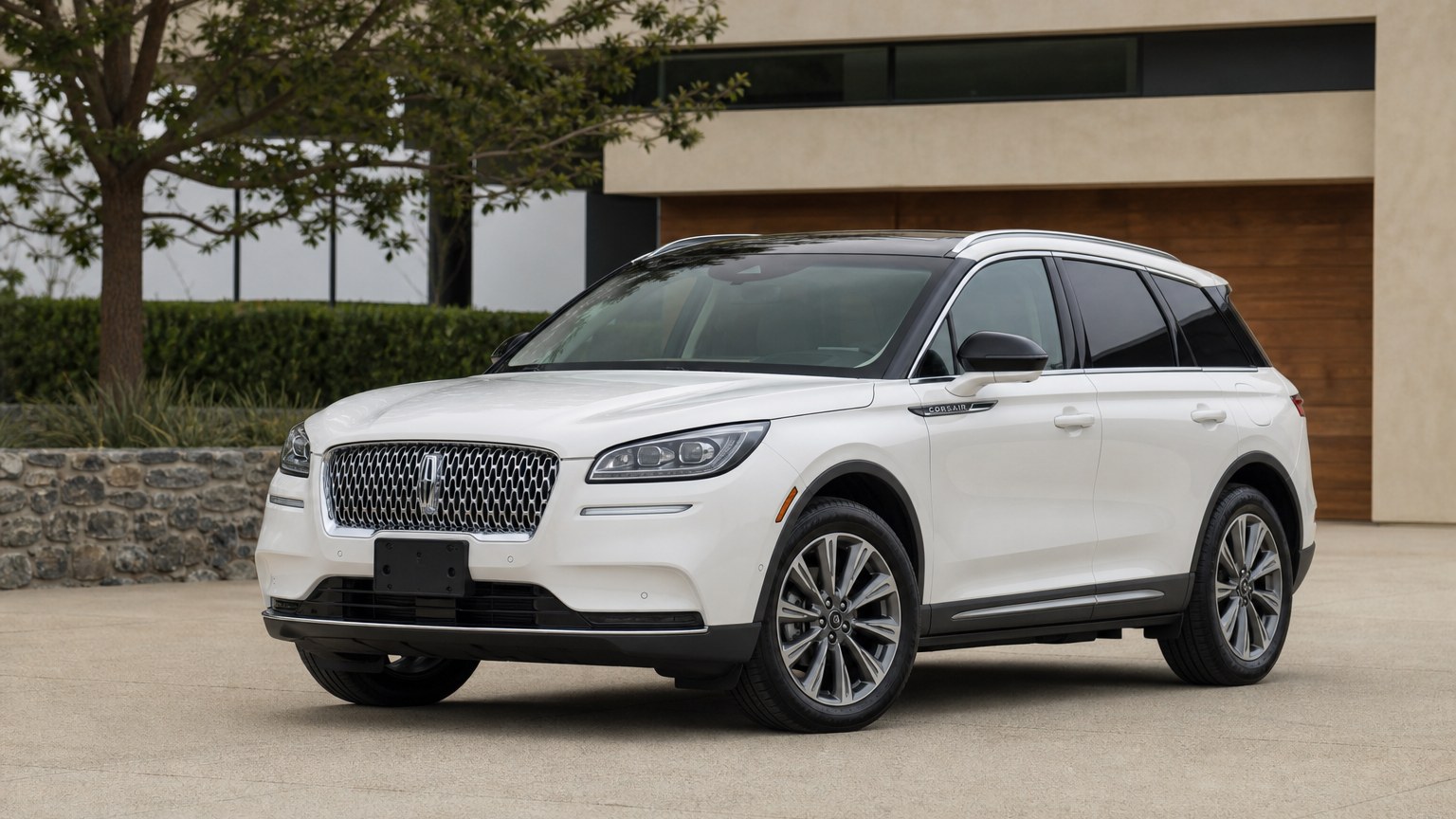
The Lincoln Corsair years to avoid are 2020 and 2021. CarComplaints rates 2020 as the worst model year on repair cost and average mileage when problems occur, while NHTSA complaint volume is highest on the 2020 (66 complaints) and 2021 (40 complaints) model years - making 2020 the clear outlier by both measures and 2021 the second-worst.
| Lincoln Corsair Generation | Model Years | Verdict | Main Issues |
|---|---|---|---|
| First generation | 2020, 2021 | Avoid | Camera failures, electrical glitches, transmission roughness, fuel module recall |
| First generation | 2022 | OK/Mixed | Camera recall still applies; fewer complaints; strong safety rating |
| First generation | 2023, 2024 | Best | Low complaint counts, strong J.D. Power and NHTSA safety records |
Worst Lincoln Corsair years: 2020, 2021
First-generation Lincoln Corsair (2020-2021)
The “first year of a new generation” effect is real, and the 2020 model has significantly more recorded complaints than the 2021 or 2022 model years. Consumer Reports also found that the 2020 Corsair is less reliable than other cars from the same model year. The 2020 Lincoln Corsair was recalled 16 times by NHTSA, the highest recall count across any Corsair model year. NHTSA complaint volume by model year: 2020 logged 60 complaints, 2021 logged 34 complaints, and 2022 logged 30 complaints.
The 2021 improved on some mechanical issues but kept the camera defect and added the fuel delivery module recall, making it only marginally safer than the 2020. The 2021 Corsair, while seeing some improvements, still experienced several reported issues, with problems persisting with the vehicle’s electronics and ADAS systems.
What are the best Lincoln Corsair years to buy?
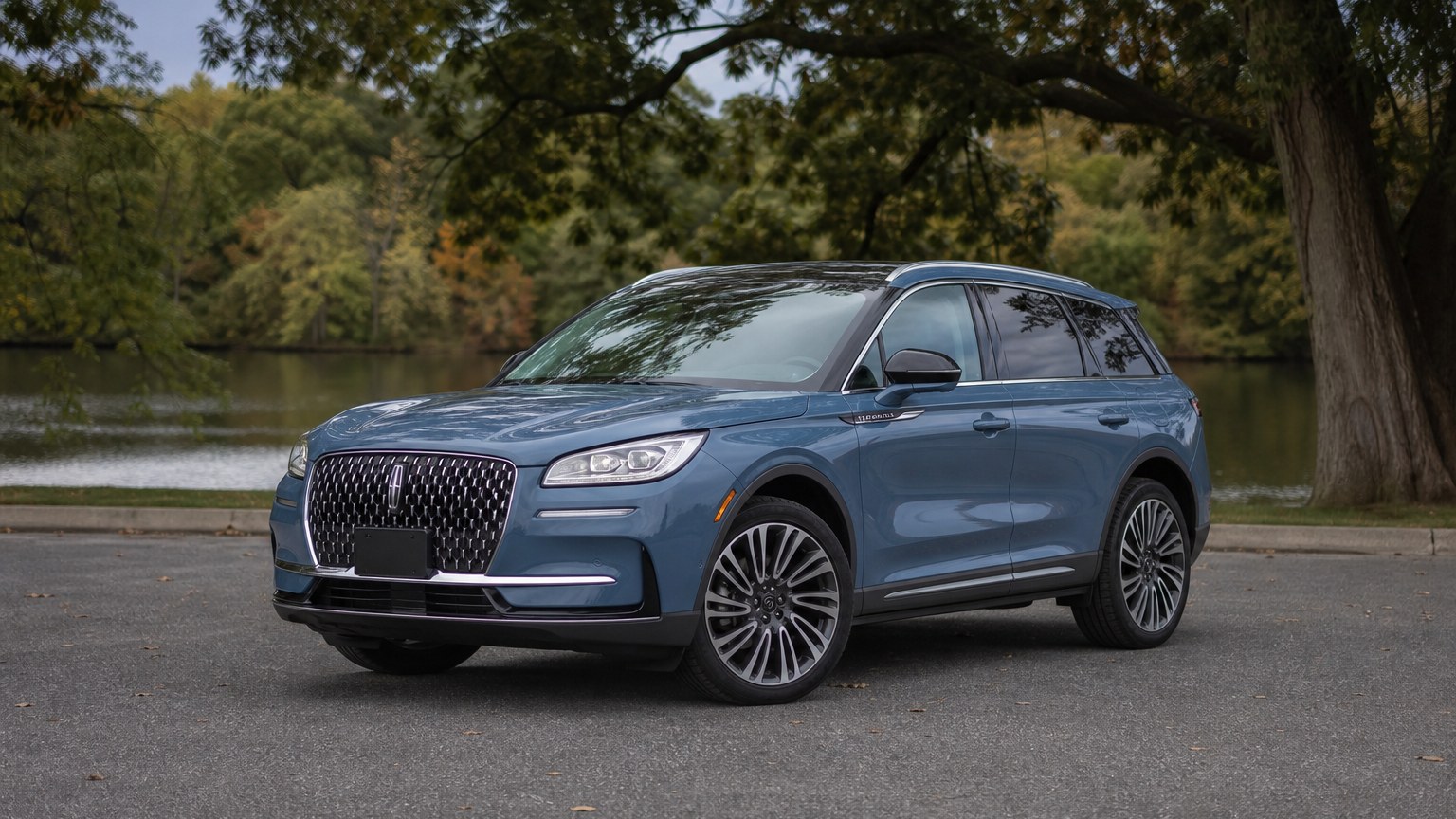
The best Lincoln Corsair years to buy are 2023 and 2024. The 2023 Lincoln Corsair has 17 problems and defects reported by owners on CarComplaints - less than half the 41 complaints logged on the 2020. The 2024 Lincoln Corsair has 18 NHTSA complaints and 0 crash reports, which is below the class average - a positive sign for reliability.
| Best Lincoln Corsair Year | Why It's a Strong Buy |
|---|---|
| 2023 | Fewest CarComplaints complaints of any mature model year; 2.3L turbo dropped, simplifying the engine lineup |
| 2024 | Below-class-average NHTSA complaint count; strong J.D. Power quality score; refined infotainment |
Most reliable Lincoln Corsair years: 2023, 2024
2023 Lincoln Corsair
The 2023 Lincoln Corsair has 17 problems reported by owners, with the worst complaints in drivetrain, accessories (interior), and electrical - a significant improvement from 2020. The 2025 model garnered an 83/100 for quality and reliability from J.D. Power, suggesting the post-2022 refinements carried forward. The 2.3-liter turbocharged engine was discontinued for the 2023 model year, simplifying the powertrain choice to the proven 2.0-liter turbo and the PHEV - owners who choose the 2023 gas model avoid some of the higher-strung engine’s quirks.
2024 Lincoln Corsair
The 2024 Lincoln Corsair has 18 complaints and 0 crash reports filed with NHTSA, which is below the class average. The 2022 Corsair already earned a 5-star overall NHTSA safety rating, and that strong crash-test performance carried forward into 2023 and 2024. The 2024 also benefits from IIHS ratings data that owners and prospective buyers can verify before purchase. If you want to stay away from the PHEV battery recall, a 2024 gas-only 2.0L trim is the cleanest choice available.
Lincoln Corsair pre-purchase checklist
Run through these steps before you buy any used Corsair, and pay extra attention to the ones marked for specific years, following the Editorial Guidelines that govern how complaint data and recall severity are weighted:
- Run the VIN through NHTSA’s recall checker: Confirm every open campaign, particularly the camera recalls (20V-575, 21V-735, 23V-022, 23V-342), the fuel module recall, and both PHEV battery campaigns, is fully remedied on that specific VIN.
- On 2020-2022 models, verify the camera remedy is the final fix: Earlier campaigns only updated software; the final remedy under 23V-342 (Ford 23S23) required physical camera replacement. Ask the dealer for the repair order proving the hardware swap was completed.
- Test every screen and sensor: On 2020-2021 cars, cycle the infotainment system, test blind-spot monitoring, adaptive cruise, and lane-keep assist on a real road - electrical glitches surface quickly during use.
- Check brake feel and transmission behavior: Accelerate from a stop, brake firmly from 30 mph, and hold at low speed to confirm the auto start-stop restart is smooth. Any hesitation, delayed re-engagement, or brake fade warrants a pre-purchase inspection. A whining noise when accelerating can also point to drivetrain wear worth investigating.
- On 2021-2024 Grand Touring PHEV trims, confirm the battery recall status: Both the 2021-2024 campaign and the 2023-2026 campaign (NHTSA 26V-091) involve a high-voltage battery cell short circuit risk. Verify which campaign applies and that the remedy is complete.
- Request full service records: Look for evidence of oil changes at correct intervals, any dealer-initiated software updates, and confirmation of recall work. The Corsair’s 4-year/50,000-mile basic warranty covers most electrical failures that appear early, so knowing the ownership timeline matters.
- Get an independent pre-purchase inspection: Have a non-Lincoln mechanic check for coolant leaks around the 2.0L EcoBoost block heater connection - a recall covers 2020-2022 Corsairs for an engine block heater that may crack and develop a coolant leak, and not all vehicles have had this remedied.
Better alternatives to consider
If the Lincoln Corsair years in your budget land on the avoid list, consider these alternatives instead:
- Ford Edge - a larger platform-sibling with a longer reliability dataset, giving you more model years to choose from and a clearer record of which years to skip
- Acura RDX - frequently cited as one of the compact luxury SUV benchmark buys, with stronger long-term reliability data across multiple generations
- Lexus UX - Toyota group build quality with a well-documented hybrid option and a lower cost of ownership over time compared to most European alternatives
- Volvo XC40 - competitive on safety ratings and interior quality in the same price bracket, with a PHEV option that has a longer track record than the Corsair’s
Is the Lincoln Corsair worth buying?
Yes, the Lincoln Corsair is worth buying as long as you avoid the 2020 and 2021 model years. The 2020 Lincoln Corsair is considered to have average reliability, earning a score of 76 out of 100 for quality and reliability from J.D. Power, which places it mid-pack in the compact luxury SUV segment. Newer model years improve on that baseline: the 2025 model garnered an 83/100 for quality and reliability from J.D. Power, making it the best year for the Corsair from a consumer-satisfaction perspective. The 2023 and 2024 Corsairs inherit that trajectory, with below-average complaint counts and a 5-star NHTSA crash-test structure. Run the VIN through NHTSA’s recall checker and confirm the full service history before purchase - a well-maintained Corsair from 2023 onward is one of the more refined options in the compact luxury crossover class.