
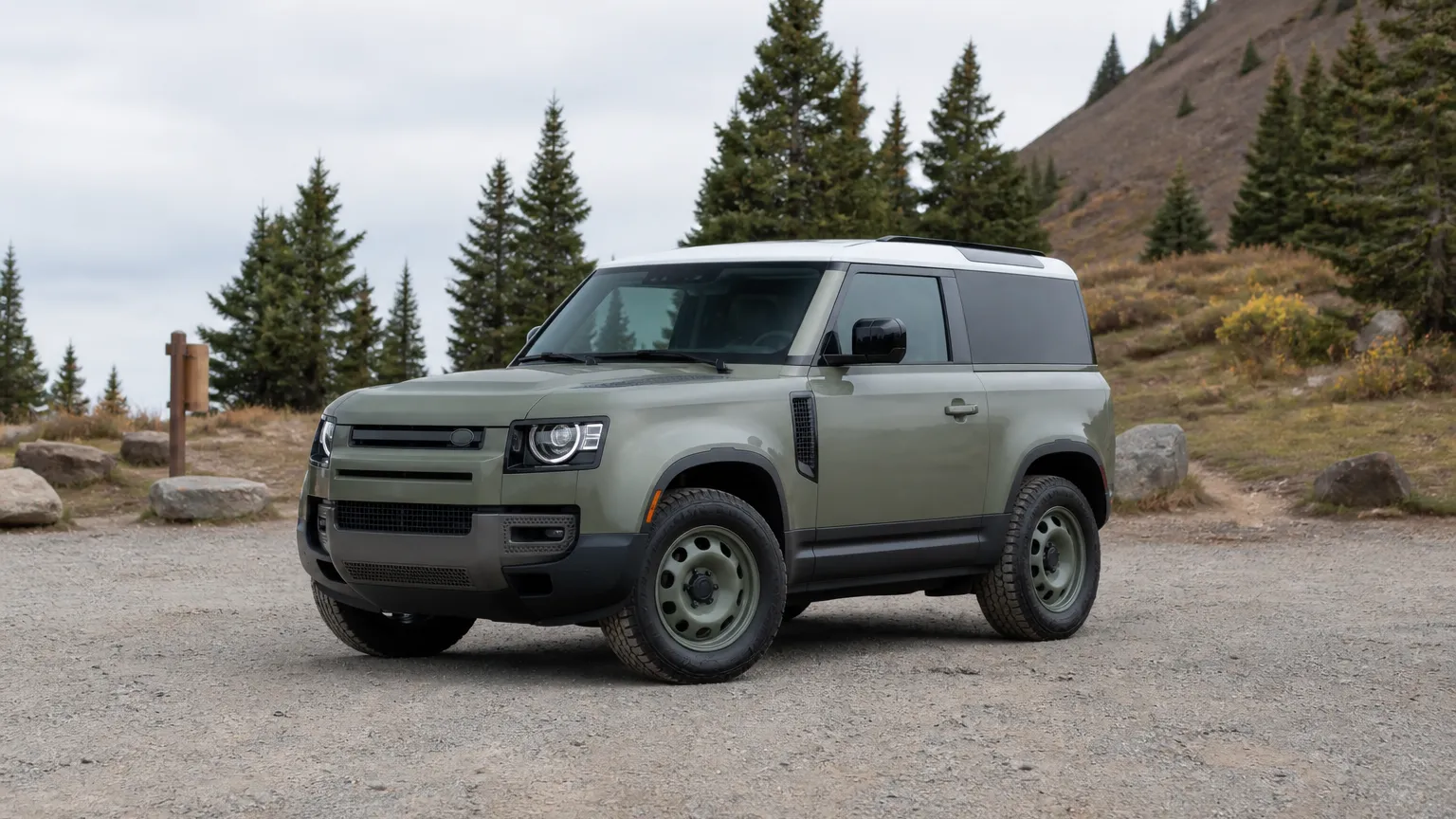
The revived Land Rover Defender is a genuinely capable off-roader, but a handful of early production years carry documented problems that can cost you thousands before the warranty expires. CarComplaints rates the 2024 Land Rover Defender as the worst model year on repair cost and average mileage at failure using its PainRank system, while NHTSA complaint volume tells a different story for the 2020 model year. This guide uses data from both sources to show you exactly which years to avoid and which to target.
For generations, engines, and ownership notes in one place, see the Land Rover Defender hub.
Related: Range Rover years to avoid, Land Rover LR3 years to avoid.
At a glance
- Worst years
- 2020
- 2022
- Best years
- 2023
- 2024
- Top failure
- DC-DC converter failure on 2020-2024 MHEV models (NHTSA recall 26V-248, remedy still under development as of mid-2026)
- Always do before buying
- run the VIN through NHTSA's recall checker to confirm every open recall is closed, and on any 2020-2022 car, inspect the windshield carefully and ask about the cam carrier oil-leak recall N763
How we rated the best and worst Land Rover Defender years
The modern L663 generation Defender launched in 2020, switching to integrated bodywork and fully independent suspension after production of the original classic-era Defender ended in January 2016 - so the practical used-car market for the nameplate today is entirely the 2020-and-later generation. The 2020 model year carries the highest raw NHTSA complaint volume of any single year in the modern generation, making it the year to treat most cautiously.
Ratings were drawn from NHTSA complaints and recalls, CarComplaints per-year defect counts and PainRank, and RepairPal reliability data. CarComplaints ranks a “worst year” by repair cost and mileage-at-failure - its PainRank - while NHTSA shows raw complaint volume; the two often point to different model years and are attributed separately throughout this article.
Our years to avoid methodology weights both sources without letting either one dominate the final verdict.
| Land Rover Defender Generation | Best Land Rover Defender Years | Worst Land Rover Defender Years |
|---|---|---|
| Classic (1983-1997 US, to 2016 globally) | - (separate collector market) | - (separate collector market) |
| Modern L663 (2020-present) | 2023, 2024 | 2020, 2022 |
Every Land Rover Defender model year ranked
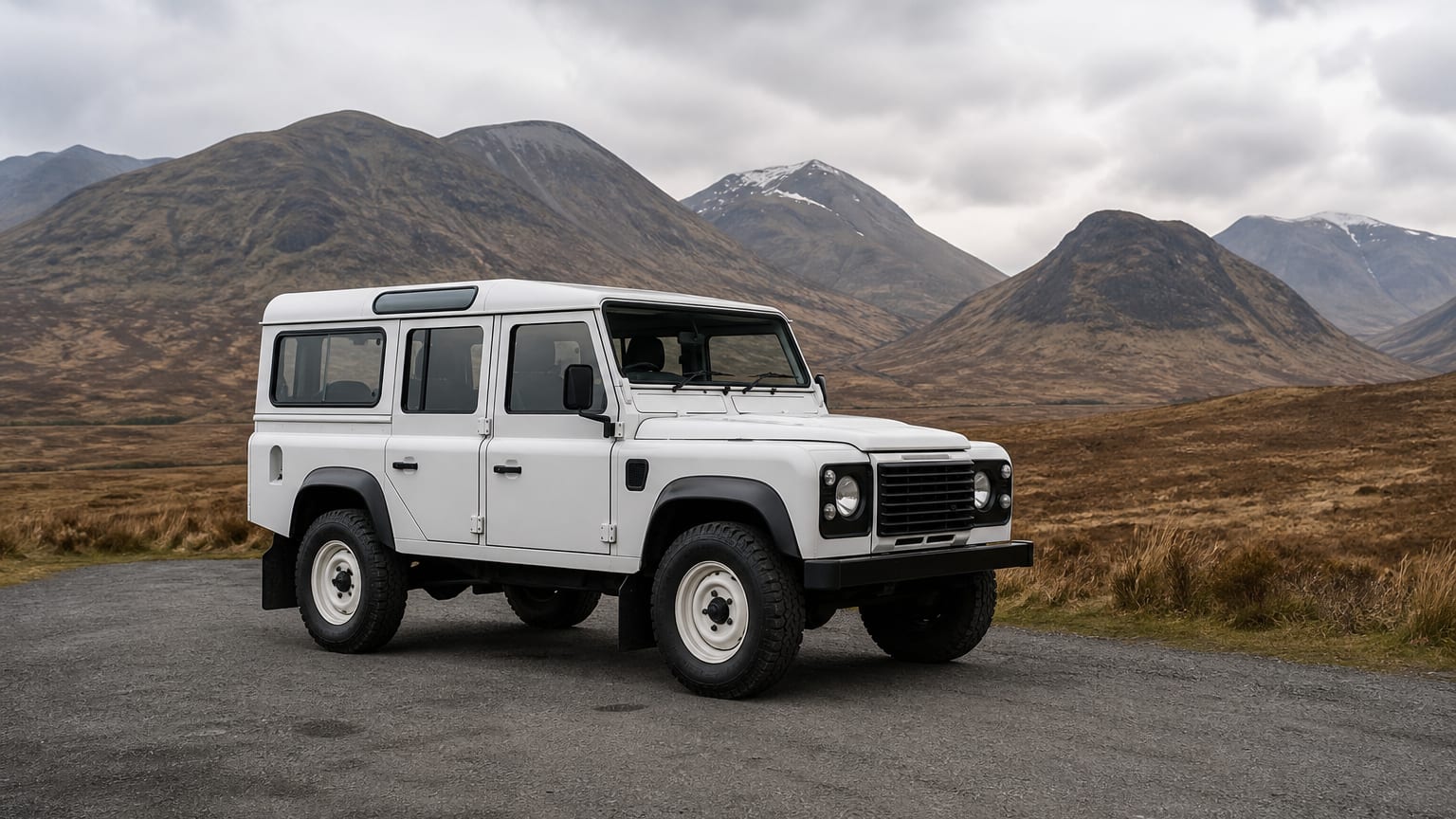
The modern L663 generation is the only generation used buyers in the US realistically shop today. The Defender exited the US market in 1997 due to changing regulations and was taken off the global market in 2016, with an all-new 2020 model then released - the classic-era years are a separate collector market and are assessed differently.
| Model Year | Generation | Verdict | Notes |
|---|---|---|---|
| Pre-1997 (classic US) | Classic L316 | OK/Mixed | Separate collector market; assess individually |
| 1997-2019 | Not sold in US | OK/Mixed | Not available; global classic ended 2016 |
| 2020 | Modern L663 | Avoid | Highest NHTSA raw complaint volume; windshield, lighting, engine stall |
| 2021 | Modern L663 | OK/Mixed | 7 recalls but 0 CarComplaints owner reports; seat-track and cam-carrier recalls |
| 2022 | Modern L663 | Avoid | 43 CarComplaints complaints; DC-DC converter + windshield cracking peak |
| 2023 | Modern L663 | Best | 35 CarComplaints complaints, recall N763 remedy underway; fewer windshield cases |
| 2024 | Modern L663 | Best | CarComplaints PainRank "worst" but lowest raw complaint count (17); recalls being addressed |
Most common Land Rover Defender problems
The single most pervasive fault in the modern Defender is DC-DC converter failure, where an internal fault in the boost control microchip causes a loss of 12-volt system charging and can lead to complete loss of drive power and exterior lighting. The problems below cover the range of documented, recurring issues found in NHTSA data and owner complaint records, all evaluated under our editorial guidelines to ensure claims are tied to verifiable sources rather than anecdote.
1. DC-DC converter failure (MHEV 2020-2024)
The recall covers certain 2020-2024 Defenders with MHEV powertrains - the 48-volt mild-hybrid architecture that uses a DC-DC converter in place of a conventional 12V alternator. When the converter fails, the 12V system stops charging. The first warning is a red “Stop Safely Electrical Fault Detected” message, followed by progressive warnings as the 12V system discharges - Lane Keep Assistance disabled, Suspension Fault, Stability Control Fault - then the vehicle shifts to Neutral and displays a gearbox fault.
JLR received 5,952 field reports involving DC-DC converter replacement in the US between July 2019 and April 2026. NHTSA issued recall 26V-248 covering 2020-2024 MHEV Defenders. The remedy for this recall is currently under development, with interim letters notifying owners of the safety risk mailed June 17, 2026, and additional letters to follow once the remedy is available. If you are shopping a 2020-2024 MHEV Defender right now, confirm with your dealer whether the remedy has been released and applied to your specific VIN.
2. Spontaneous windshield cracking (2020-2022)
The Defender’s windshields allegedly chip, crack, or break from the smallest pebbles hitting the glass, and owners also report cracking with no impact at all. Of 24 NHTSA complaints filed between November 2021 and January 2023, 10 were specifically about windshields randomly cracking with no impact.
A class action lawsuit alleges a recall should have been issued long ago, and Land Rover forces owners to pay up to $2,000 to replace the glass, even under warranty. In some cases, complaints report that it took months for a replacement windshield to become available. No recall has been issued for the windshield defect as of mid-2026. Before buying any 2020-2022 Defender, inspect the windshield for chips or hairline cracks and factor a potential $2,000 replacement into your offer.
3. Engine cam carrier oil leak (2020-2023)
Jaguar Land Rover recalled certain 2020-2023 Range Rover Sport, Defender, and related vehicles because the engine cam carrier oil channel may be blocked, leading to an oil leak. An oil leak in the presence of an ignition source increases the risk of fire.
Land Rover’s recall number for this campaign is N763 (NHTSA 23V-044). Dealers inspect and replace the engine cam carrier and related components free of charge, with owner notification letters mailed March 29, 2023. Ask for documentation that N763 has been completed before finalizing any purchase of a 2020-2023 Defender.
4. Powertrain Control Module (PCM) engine stall (2020-2021)
JLR recalled certain 2020-2021 Defenders equipped with 6-cylinder engines because the Powertrain Control Module may unexpectedly switch off while the vehicle is in motion, resulting in an engine stall with no warning - a situation that increases the risk of a crash. The remedy was to disable Connected Diagnostic Services and Over-the-air diagnostics functionality, either by a dealer or via OTA update, free of charge. Confirm this recall is closed on any 2020 or 2021 six-cylinder Defender by running the VIN at nhtsa.gov/recalls.
5. Airbag clockspring connector corrosion (2020-2026)
JLR is recalling certain 2020-2026 Land Rover Defenders because the driver’s airbag clockspring connector may corrode, which can cause the airbag not to deploy as intended - increasing the risk of injury in a crash. Dealers apply a protective lubricant gel to the driver’s airbag connector terminals free of charge, with interim owner letters expected to be mailed August 7, 2026. Land Rover’s recall number for this campaign is D120. Because the remedy is still being distributed, this is an open risk on any 2020-2026 Defender on the used market right now.
6. Electrical system and exterior lighting faults
The most commonly reported problem areas for the Defender 110 across the modern generation are Electrical System, Visibility/Wiper, and Exterior Lighting. A separate recall covered 2020-2022 Defender X vehicles with smoked rear light assemblies, where a voltage spike could cause the turn signals, brake lights, and tail lights to fail. These electrical faults are not isolated to a single year, so a pre-purchase inspection of all lighting circuits is standard practice on any modern Defender.
Which Land Rover Defender years should you avoid?
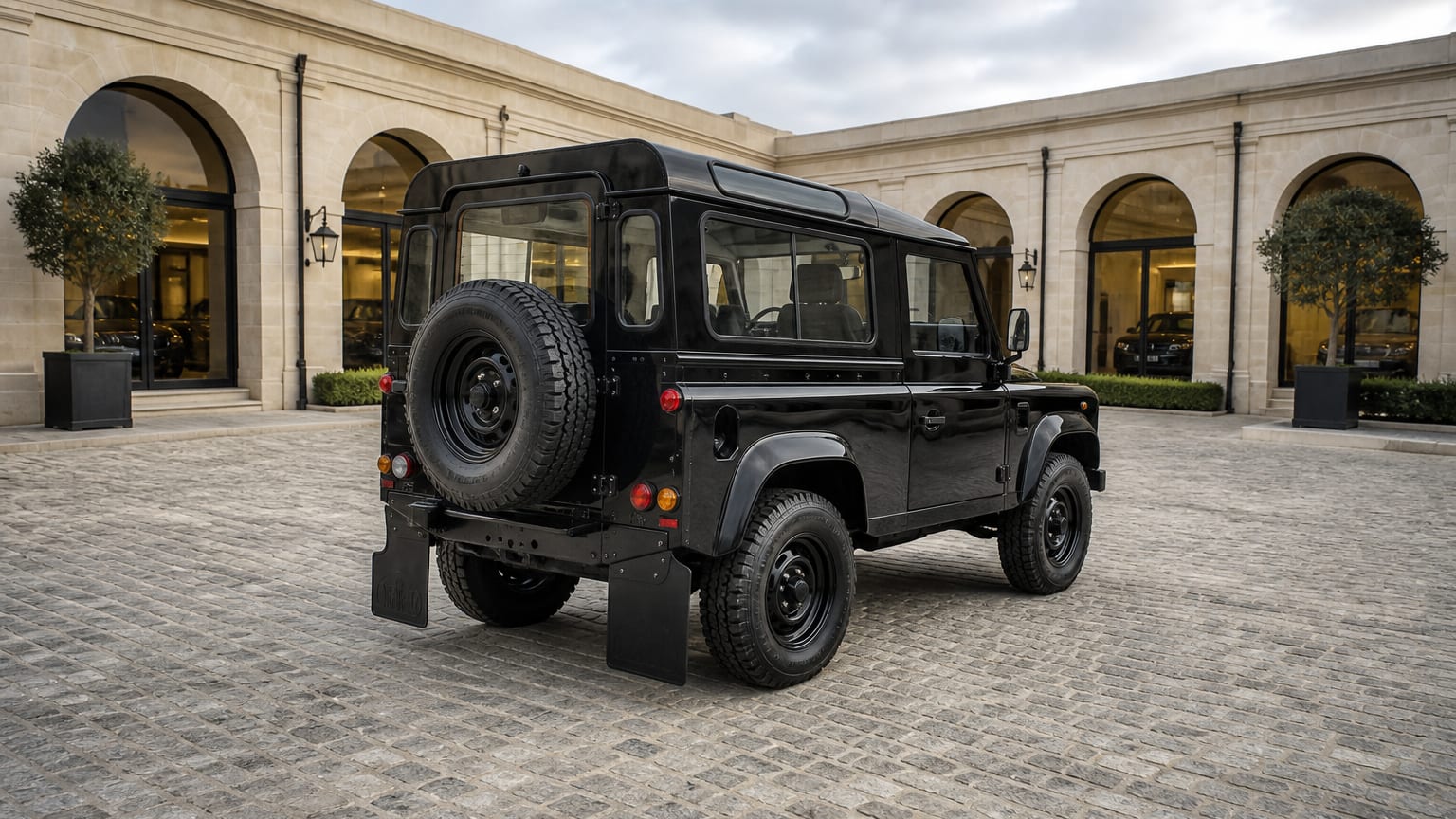
The Land Rover Defender years to avoid are 2020 and 2022. NHTSA records show the 2020 model carries the highest raw complaint volume of the early production years, making it the year to treat with the most caution from an NHTSA perspective. CarComplaints separately rates the 2024 as worst on its PainRank (repair cost and mileage at failure), though the 2024’s raw complaint count of 17 is the lowest of any modern Defender year and that dataset is still accumulating - the 2022, with 43 CarComplaints complaints and peak DC-DC converter and windshield reports, is the more practically problematic avoid year.
| Land Rover Defender Generation | Model Years | Verdict | Main Issues |
|---|---|---|---|
| Modern L663 | 2020 | Avoid | Engine stall, windshield cracking, cam-carrier oil leak |
| Modern L663 | 2022 | Avoid | DC-DC converter, windshield cracking, lighting |
| Modern L663 | 2023, 2024 | Best | Recalls being addressed; fewer windshield complaints |
Modern L663 generation Land Rover Defender (2020-2024) The 2020 Defender on CarComplaints shows 46 total complaints, with NHTSA complaint categories spanning lights, engine, exterior accessories, body/paint, and steering - all with multiple filings. The first production year of any redesigned model typically carries teething issues, and the 2020 Defender is no exception: the windshield defect, the PCM engine stall, and the cam-carrier oil leak all appear in this year.
The 2022 Defender carries 43 CarComplaints complaints, concentrated heavily in electrical system, visibility/wiper, and exterior lighting categories. Owners of the 2022 frequently report DC-DC converter issues leading to complete vehicle shutdowns, with symptoms including loss of electrical power, “Stop Safely Electrical Fault Detected” warnings, and an inability to restart without external assistance.
What are the best Land Rover Defender years to buy?
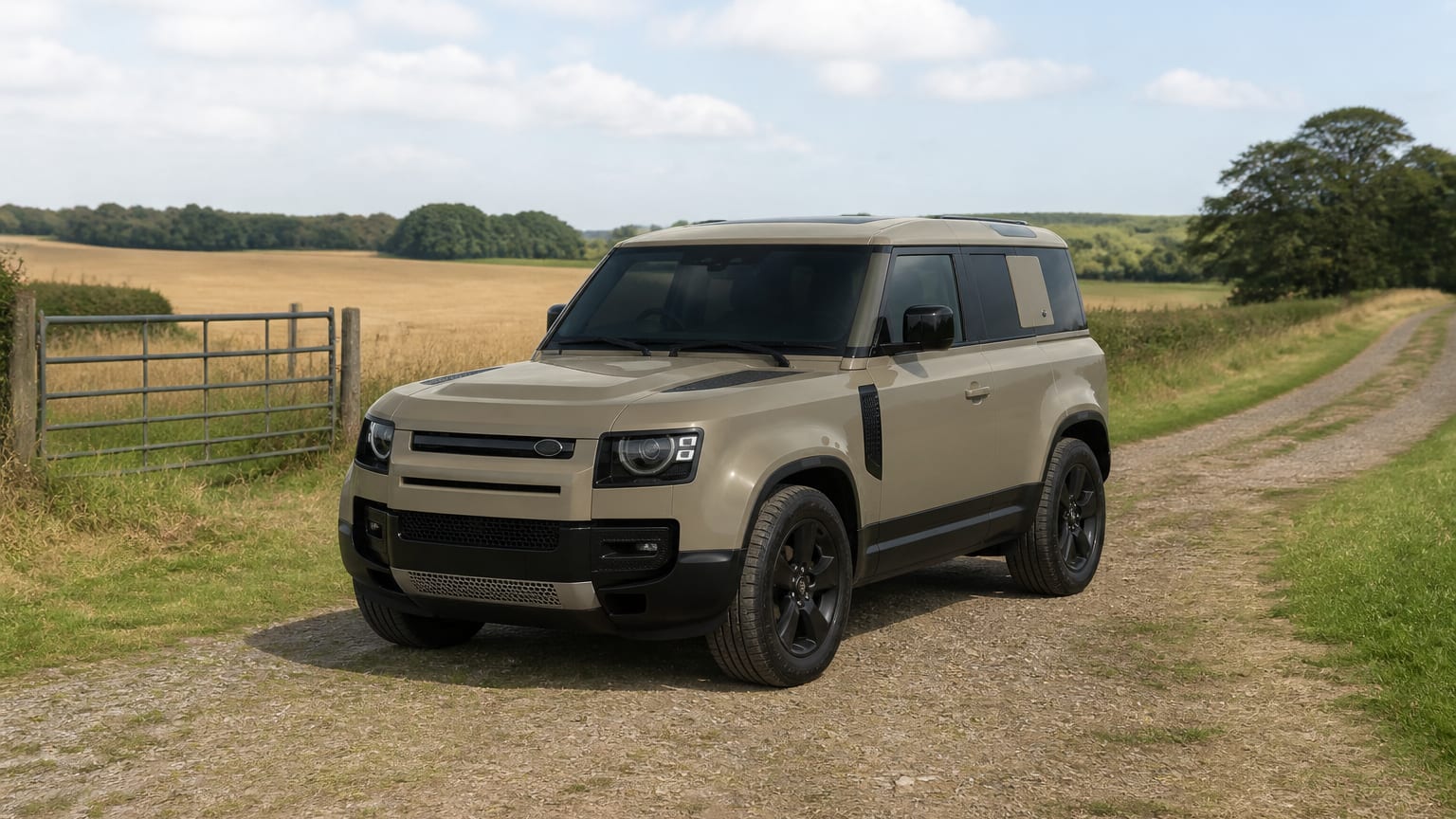
The 2023 and 2024 Land Rover Defenders are the strongest picks in the modern generation. The 2023 Defender has 35 CarComplaints complaints on file, with 7 NHTSA recall campaigns - fewer owner-reported problems than the 2020 or 2022, and the cam-carrier recall N763 was already being remedied. The 2024 carries just 17 complaints on CarComplaints with 4 recalls, the lowest raw counts of any modern Defender year.
| Best Land Rover Defender Year | Why It's a Strong Buy | 2023 |
|---|---|---|
| Fewer windshield complaints; N763 cam-carrier recall already underway; stop/start issues reduced | 2024 | Lowest CarComplaints complaint count (17); rearview camera and NFSM recalls being addressed |
Most reliable Land Rover Defender years: 2023, 2024
2023 Land Rover Defender
The 2023 Defender has 35 problems and defects reported by owners on CarComplaints - a meaningful improvement over the 2020 and 2022 model years. The cam-carrier oil-leak recall N763 was issued in March 2023 and covers 2020-2023 Defenders, so a 2023 car that has already had this recall completed is a cleaner buy. The stop-start complaints that dominated early 2023 owner reports were the most common powertrain concern, but these fall well below the severity of the DC-DC converter shutdowns that affect MHEV variants.
2024 Land Rover Defender
The 2024 Defender has 17 CarComplaints complaints and 4 recalls, the fewest of any modern generation year. CarComplaints does rate the 2024 worst on its PainRank - driven by high repair cost and early mileage at failure - which is a meaningful flag, but the dataset is still growing. The airbag clockspring (D120) and DC-DC converter (26V-248) recalls affect the 2024 and are still being remedied, so verifying those are closed on any specific 2024 VIN is non-negotiable.
Land Rover Defender submodel years to avoid The modern Defender comes in two primary body configurations - the two-door 90 and the four-door 110 - each with its own production-year record on NHTSA and CarComplaints.
Land Rover Defender 90 years to avoid A specific recall covered 2021 Defender 90 vehicles equipped with manually adjustable front seats, where the front seat track end-stop bracket could become deformed and prevent the seat from locking into place - a fault that can cause the seat to move during a crash; dealers replaced the front seat tracks free of charge. This recall is unique to the 90 body style and does not apply to the 110.
RepairPal has no reliability rating for the Defender 90 due to insufficient data. The most commonly documented RepairPal problem is an oil leak at the front of the engine due to a leaking front crankshaft seal. Beyond that specific recall and the crankshaft seal, the Defender 90 shares the same MHEV powertrain as the 110 on equipped variants, meaning the DC-DC converter fault covered earlier applies equally - though the 90’s lower sales volume means its complaint record on CarComplaints and NHTSA is thinner than the 110’s. No Defender 90 model year has accumulated enough complaint data to flag a single avoid year on its own record; the 2020 and 2022 caution from the parent model remains the most relevant guidance.
Pre-purchase checks specific to the Defender 90:
- Verify the 2021 seat-track recall is closed (if buying a 2021 90 with manual seats)
- Confirm the DC-DC converter recall 26V-248 status on any MHEV-equipped 90
- Check the front crankshaft area for oil seepage at idle Land Rover Defender 110 years to avoid The 110 is the higher-volume variant and has the most developed complaint record of the two body styles. The 2021 Defender 110 carries 7 recalls and 32 owner complaints on NHTSA, with the most commonly reported problem areas being Visibility/Wiper, Exterior Lighting, and Electrical System. The 2022 Defender 110 has 4 recalls and 61 owner complaints on file, the highest complaint count of any single modern-Defender submodel year in this dataset - making 2022 the year to be most cautious about in the 110 lineup specifically.
Owners of the 2022 110 report windshields cracking without any noticeable impact, often while the vehicle is stationary or after minor pebble strikes, with some experiencing multiple replacements within a few months. The DC-DC converter fault (26V-248) covered in the problems section is shared across 110 variants with MHEV powertrains. The 2023 and 2024 110 years show reduced complaint volumes and are the safer picks.
Pre-purchase checks specific to the Defender 110:
- Confirm 61-complaint 2022 profile: inspect windshield for chips and confirm DC-DC converter recall status
- Verify cam-carrier recall N763 is completed (affects 2020-2023 110 variants)
- Test the airbag clockspring by confirming D120 remedy has been applied
Land Rover Defender pre-purchase checklist
Before signing on any used modern Defender, work through these model-specific checks.
- Run the VIN through NHTSA’s recall checker. The DC-DC converter recall 26V-248, the cam-carrier oil-leak recall N763, and the airbag clockspring recall D120 are all active or recently active campaigns - confirm each is closed on your specific VIN.
- On 2020-2022 cars, inspect the windshield closely. A class action lawsuit alleges Land Rover forces owners to pay up to $2,000 to replace the windshield even under warranty; factor this into your negotiation on any early Defender.
- On any MHEV-equipped car (2020-2024), ask about DC-DC converter history. Owners report complete vehicle shutdowns with “Stop Safely Electrical Fault Detected” warnings and an inability to restart - a prior replacement is not disqualifying if the recall remedy has since been applied, but document it.
- Confirm cam-carrier recall N763 is complete. A blocked cam-carrier oil channel can cause an oil leak, and an oil leak near an ignition source increases the risk of fire.
- On a 2021 Defender 90 with manual seats, verify the seat-track recall is closed. The deformed bracket fault is specific to this submodel and year.
- Ask for full service records. The annual maintenance cost of a Defender 110 runs about $904, and a clean service history tells you whether that cost was actually being met.
- Check all exterior lighting circuits. The 2020-2022 Defender X smoked-rear-light recall and broader wiper/lighting complaints make a full lighting test a meaningful step on early cars.
Better alternatives to consider
If the Defender years in your budget land on the avoid list, consider these alternatives instead:
- Jeep Grand Cherokee - a longer production run with a wider dealer network and a clearer year-by-year reliability record in the US
- Toyota Land Cruiser - legendary off-road capability with a significantly stronger long-term durability record than any modern Defender year
- Range Rover - if you want to stay within the JLR family, the Range Rover shares some Defender underpinnings but has a longer used-market history to evaluate
- Jeep Grand Wagoneer - a similarly premium domestic alternative with comparable pricing and a growing reliability dataset
Is the Land Rover Defender worth buying?
Yes, the modern Land Rover Defender is worth buying - as long as you avoid the 2020 and 2022 model years and confirm every active recall is closed on your VIN before purchase. The Defender (2020-present) leads the Land Rover lineup with a 96.3% reliability rating, with common issues limited to engine and infotainment faults - a sign that the underlying platform is sound even if specific components have drawn recall campaigns. The 2023 and 2024 model years represent the sweet spot: fewer accumulated complaints, most major recalls already remedied, and the same capable hardware.
The Land Rover brand carries a RepairPal reliability rating of 2.5 out of 5.0, ranking 31st out of 32 for all car brands - so budget accordingly for maintenance and use an independent Land Rover specialist for your pre-purchase inspection. Run the VIN through NHTSA’s recall database and verify the full service history before any offer.