
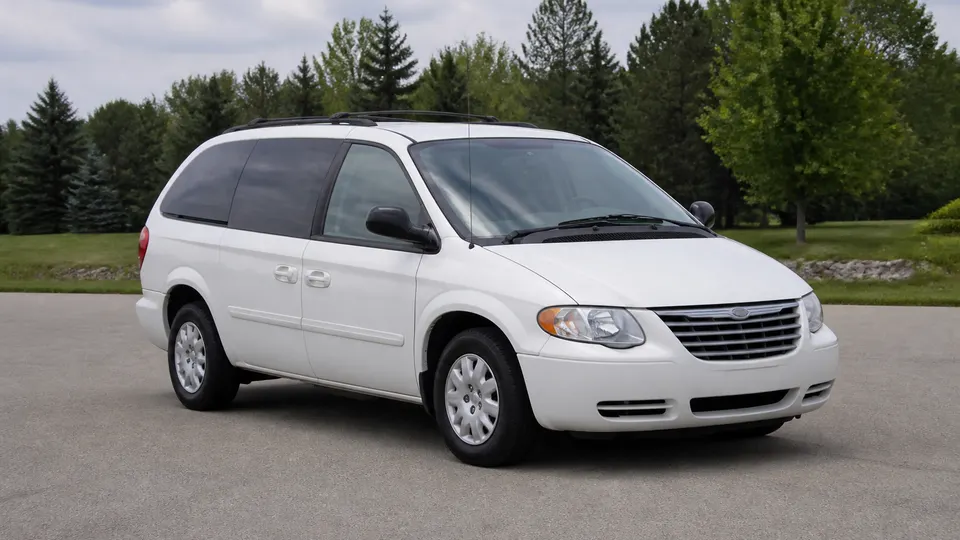
The Chrysler Voyager is a capable family minivan that, in the right model years, delivers solid space and value. A few specific model years stand out as genuinely problematic, driven by transmission failures, costly repairs, and elevated complaint volumes. This guide ranks every Voyager year using data from NHTSA, CarComplaints, RepairPal, and Consumer Reports, so you can shop with confidence.
For generations, engines, and ownership notes in one place, see the Chrysler Voyager hub.
Related: Chrysler Pacifica years to avoid, Honda Odyssey years to avoid.
At a glance
- Worst years
- 2001
- 2002
- Best years
- 2022
- 2023
- Top failure
- 4th-gen (2000-2003) automatic transmission failure, especially 41TE slipping and complete failure (CarComplaints PainRank)
- Always do before buying
- run the VIN through NHTSA's recall checker to confirm every open recall is closed, plus check the transmission for slipping or delayed engagement on any 2000-2002 Voyager
How we rated the best and worst Chrysler Voyager years
The 4th-generation Chrysler Voyager (2000-2003) produces the worst reliability data by a wide margin, anchored by automatic transmission failures and high repair costs that span the entire generation.
CarComplaints rates the 2002 Chrysler Voyager as the worst model year, ranked on several factors including repair cost and average mileage when problems occur. That is a repair-cost and mileage-at-failure ranking, meaning failures hit early and cost more to fix. NHTSA’s complaint database records 319 total consumer complaints across all Voyager model years, with airbags and automatic transmission topping the category list. NHTSA raw complaint volume is a separate metric from CarComplaints’ PainRank, and the two sources do not always point to the same year. Our years-to-avoid methodology cross-references both datasets alongside RepairPal, Consumer Reports, and owner forums to arrive at each year’s verdict.
| Chrysler Voyager Generation | Best Chrysler Voyager Years | Worst Chrysler Voyager Years |
|---|---|---|
| 4th gen (2000-2003) | None | 2001, 2002 |
| 5th gen (2020-present) | 2022, 2023 | None |
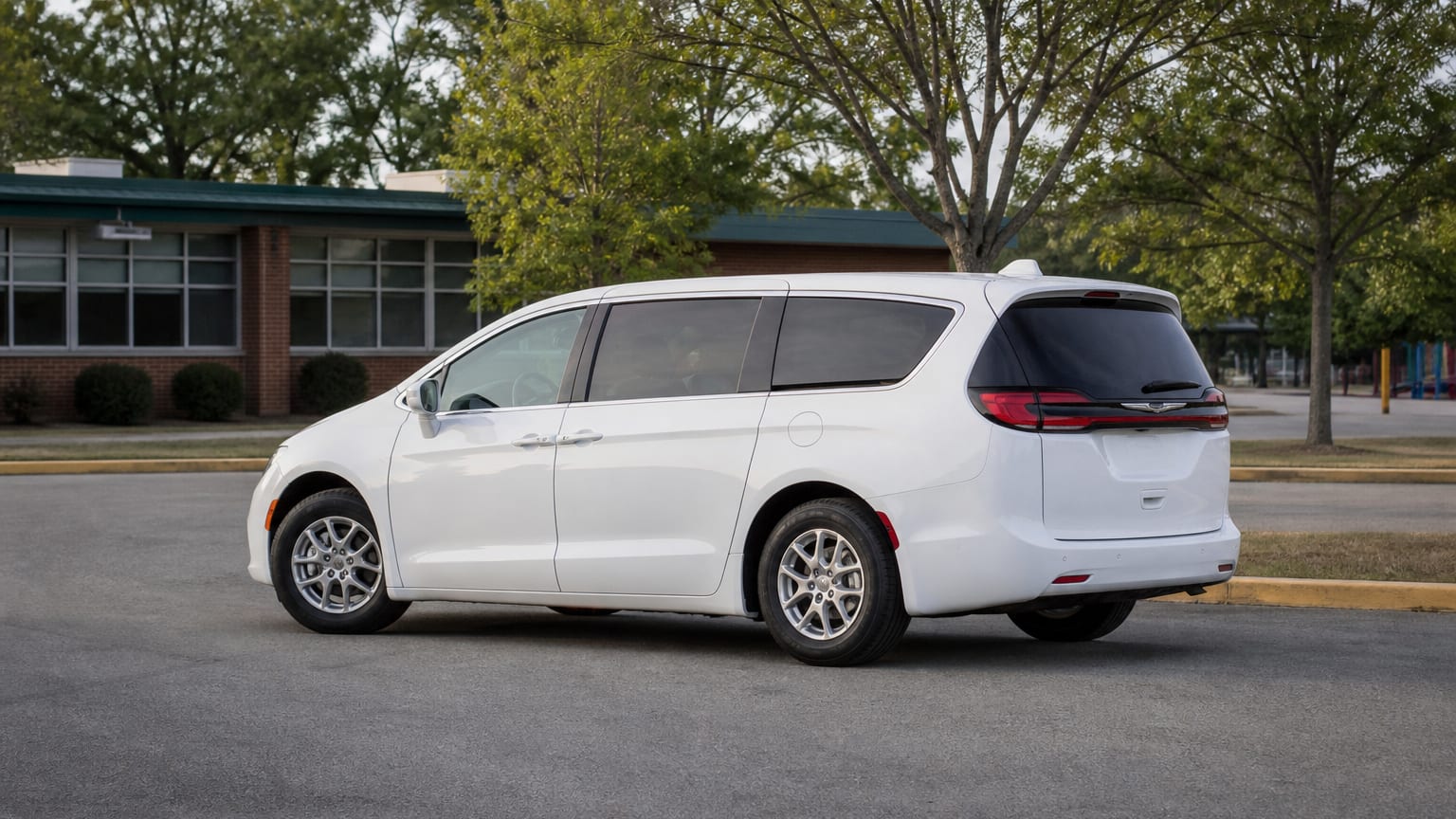
Every Chrysler Voyager model year ranked
The 4th-gen years carry the most documented problems while the revived 5th-gen (2020-present) is a materially different vehicle with a much cleaner complaint record.
Note: The Chrysler Voyager was not produced from 2004 through 2019. The classic-era Plymouth Voyager (1984-2000) is a separate nameplate and collector market, assessed differently; those years are not included in the best/worst sets here.
| Model Year | Generation | Verdict | Notes |
|---|---|---|---|
| 2000 | 4th gen | OK/Mixed | High NHTSA complaint volume; top problem is transmission failure |
| 2001 | 4th gen | Avoid | 99 CarComplaints reports; worst complaints: transmission, brakes |
| 2002 | 4th gen | Avoid | Highest complaint count (136); CarComplaints worst-year by PainRank |
| 2003 | 4th gen | OK/Mixed | 45 CarComplaints reports; AC/heater top issue; relatively cleaner |
| 2020 | 5th gen | OK/Mixed | 12 CarComplaints reports; 14 NHTSA complaints; airbag recall open |
| 2021 | 5th gen | OK/Mixed | 10 CarComplaints reports; about average reliability (Consumer Reports) |
| 2022 | 5th gen | Best | 2 CarComplaints reports; 5-star NHTSA safety rating |
| 2023 | 5th gen | Best | 3 CarComplaints reports; low complaint density |
Most common Chrysler Voyager problems
Automatic transmission failure is the single biggest documented failure across the Chrysler Voyager’s production history, concentrated in the 4th-generation (2000-2003) vehicles. Four additional problem categories recur across both generations and are worth checking on any used example.
1. Automatic transmission failure (41TE)
The automatic transmission is one of the biggest weaknesses; owners often report rough gear changes, slipping, or complete failure to engage, and the 41TE gearbox is especially prone to valve body wear and solenoid pack issues.
The most-reported single problem on CarComplaints is transmission failure on the 2000 Chrysler Voyager. The 2002 Voyager alone logged 11 transmission complaints on CarComplaints, with the worst issues including transmission slipping and powertrain automatic transmission failures. The 2001 Voyager recorded 7 CarComplaints transmission complaints, with the worst including a broken torque converter and complete transmission failure. If you want to understand what a failing torque converter feels like before you test drive, the shudder and slip at highway speed are the clearest early warnings.
Transmission replacement on a Voyager of this era typically runs $1,500-$3,000 depending on whether a remanufactured unit or full rebuild is used. One owner reported a whistling sound appearing around 40,000 miles, after the warranty expired, before the transmission ultimately failed to shift. On any 2000-2002 Voyager, have a transmission specialist inspect and test for slipping in first gear and reverse before purchase.
2. Side curtain airbag failures (5th gen)
Stellantis recalled approximately 178,246 units of its 2022 to 2026 Chrysler Pacifica and Voyager minivans because the right and left side curtain airbags may have insufficient pressure retention from improperly sealed seams. NHTSA issued recall 26V-189 (Stellantis campaign 06D) covering approximately 253,481 model year 2022-2026 Pacifica and Voyager minivans, an expansion of earlier campaigns. Dealers will inspect and replace one or both side curtain airbags for free.
A separate recall covers certain 2020-2023 Pacifica and 2020-2021, 2023 Voyager vehicles where an improperly secured connector for the side curtain airbags may prevent them from deploying, failing to comply with Federal Motor Vehicle Safety Standard numbers 214 and 226. Dealers secured the connector free of charge, and all vehicles under that earlier campaign have been remedied. Always run your VIN through NHTSA’s recall lookup to confirm whether your specific vehicle’s airbag recall is open or closed, since individual VINs vary.
3. Oil filter adapter oil leak
The most commonly reported Chrysler Voyager problem on RepairPal is an oil leak from the oil filter adapter. The 2003 Voyager lists this among its top problems, and Chrysler released a revised oil filter adapter to address it. The leak typically appears as an oily residue around the front of the engine and can be mistaken for a more severe failure. A revised adapter is the standard fix, costing roughly $150-$300 in parts and labor. Check underneath any 4th-gen Voyager for fresh oil staining around the front of the engine block.
4. Electrical system and sliding door faults
The Voyager is fitted with many electrical features that are known to give trouble, with sliding door motors, central locking, dashboard clusters, and power windows being common failure points. On the 5th-gen (2020-present), the top NHTSA-reported problems include engine concerns (6 complaints on the 2020), steering defects (3), and electrical faults (2). Repair costs for a sliding door motor replacement run $300-$600. Test both sliding doors through multiple open-close cycles during any pre-purchase inspection.
5. Front suspension wear
The most commonly reported 2000 Chrysler Voyager problem on RepairPal is worn sway bar bushings or sway bar end links causing a rattling or clunking noise from the front suspension. This pattern repeats on the 2003 as well. On 5th-gen models, control arm bushings and sway bar links commonly degrade by 60,000 miles, especially in cold climates or on salted roads, with symptoms including clunking over bumps, vague steering response, and uneven inner-edge tire wear. Replacement parts run $85-$140 per side, with labor at $220-$340. Listen for front-end clunks over speed bumps during any test drive.
6. AC and heater system failures
The 2002 Chrysler Voyager logged 136 CarComplaints problems, with AC/heater issues ranking among the worst complaint categories alongside brakes and fuel system concerns. The 2003 Voyager similarly lists AC/heater problems as its worst complaint category, with 45 total issues reported. AC compressor replacement on these vehicles typically runs $600-$1,200. Ask for service records showing AC work on any 4th-gen Voyager before you commit.
Which Chrysler Voyager years should you avoid?
The Chrysler Voyager years to avoid are 2001 and 2002. CarComplaints rates the 2002 as the worst model year on repair cost and average mileage when problems occur, meaning failures arrive early and cost more. The 2001 Voyager carries 99 reported problems on CarComplaints, with the worst complaints in transmission, accessories/interior, and brakes.
| Chrysler Voyager Generation | Model Years | Verdict | Main Issues |
|---|---|---|---|
| 4th gen | 2001, 2002 | Worst | Transmission failure, AC/heater, oil filter adapter leak |
| 5th gen | 2020-present | Mixed | Airbag recalls, electrical, minor suspension wear |
Worst Chrysler Voyager years: 2001, 2002
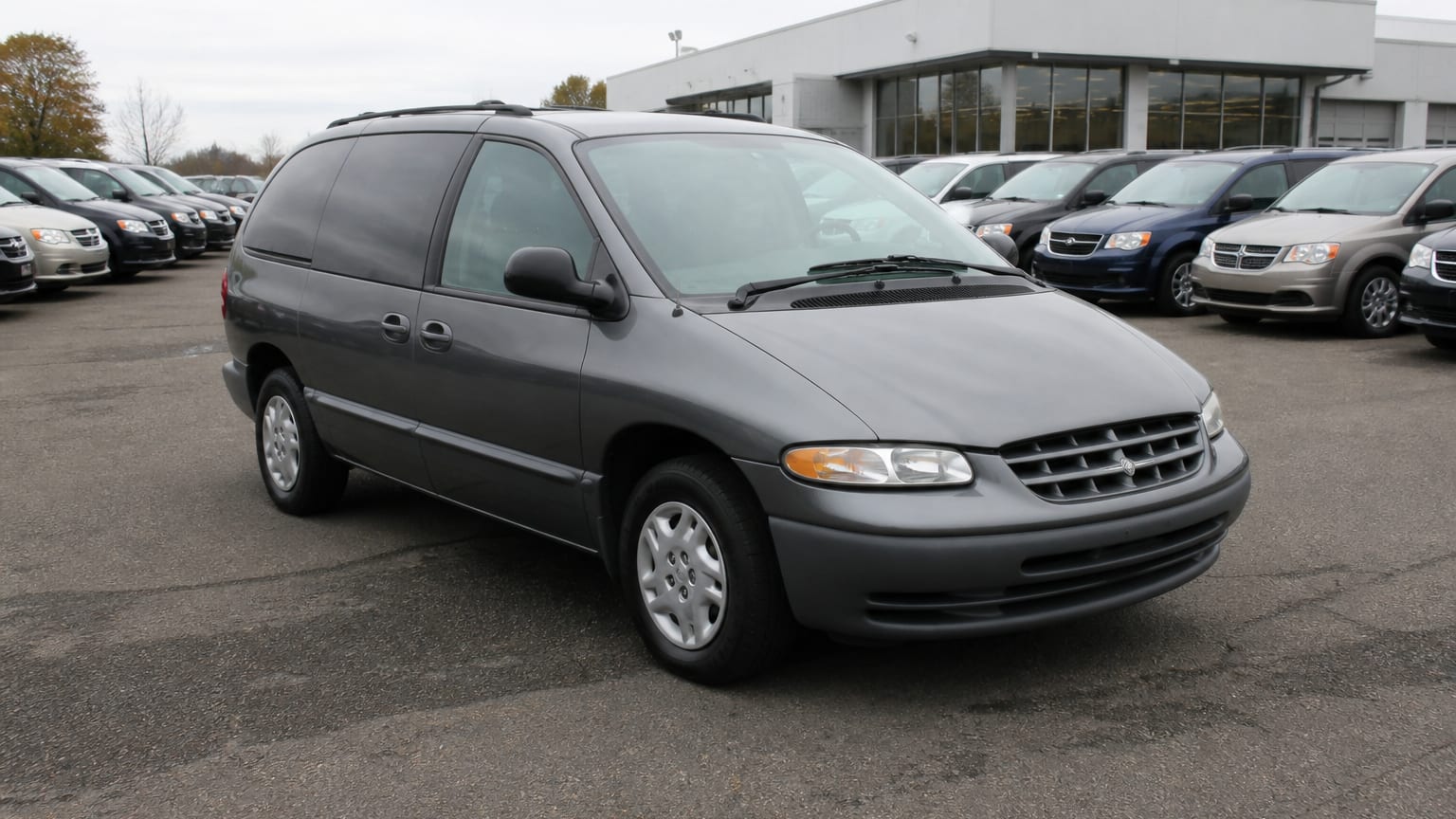
4th-generation Chrysler Voyager (2000-2003)
The Voyager has two generations, and using CarComplaints’ PainRank system, you are better off avoiding the 4th generation (2000-2003) as a whole. Within it, 2001 and 2002 are the specific years with the clearest data to avoid.
The 2002 Voyager has 136 problems reported on CarComplaints, the highest total of any model year. Transmission slipping, AC failures, and brake problems dominate the complaint register. According to NHTSA, the 2000 Voyager recorded 171 complaints and eight recalls, making it the highest-volume NHTSA year for this nameplate. The 2000 and 2003 fall into an “OK/Mixed” verdict because their complaint counts are meaningfully lower, though both generations still carry the 41TE transmission risk.
You can review NHTSA complaint data for all Voyager model years directly on NHTSA’s site.
What are the best Chrysler Voyager years to buy?
The best Chrysler Voyager years to buy are 2022 and 2023, which combine the lowest complaint counts of any model year with a 5-star NHTSA safety rating.
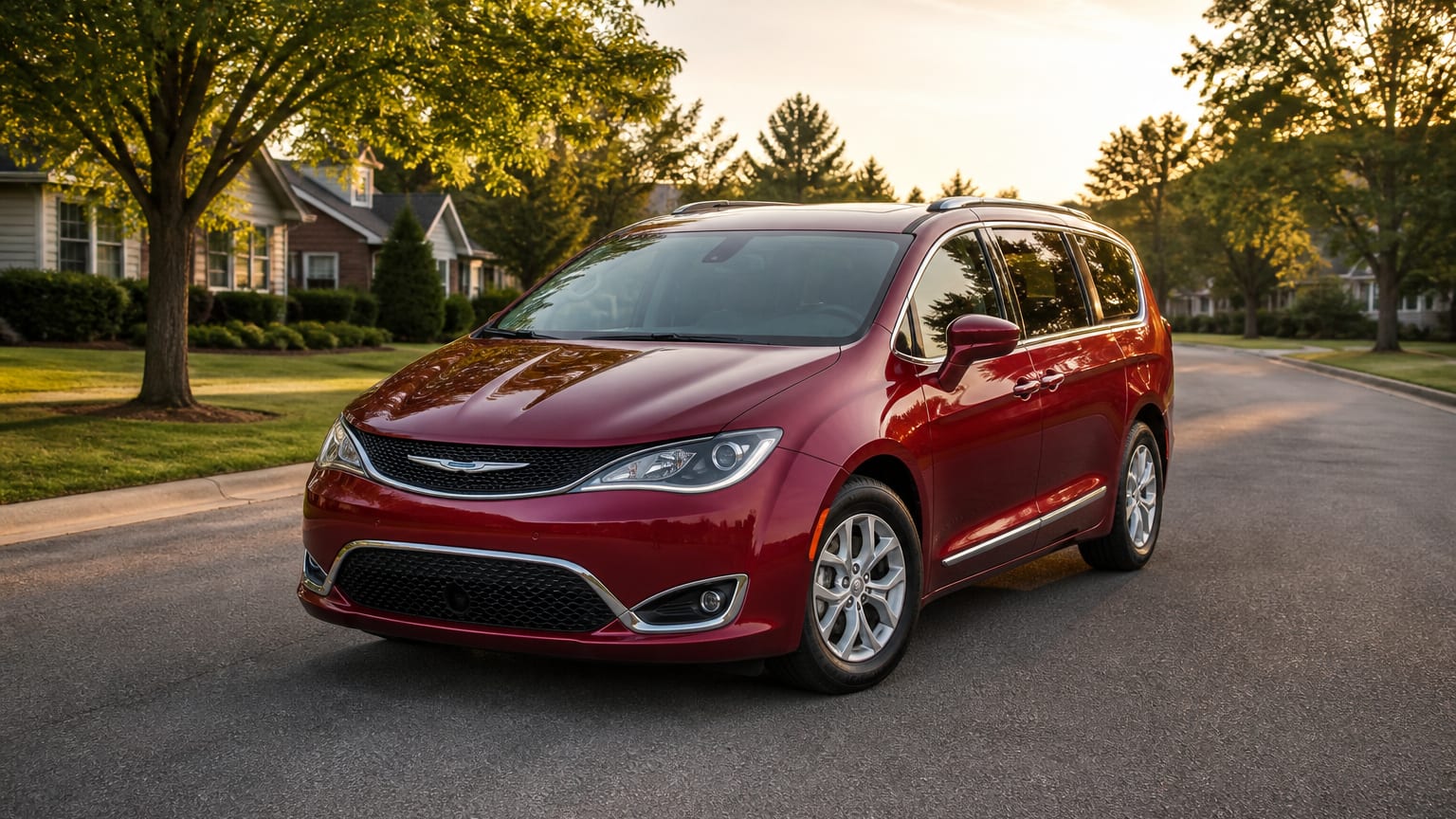
| Best Chrysler Voyager Year | Why It's a Strong Buy |
|---|---|
| 2022 | Only 2 CarComplaints reports; 5-star NHTSA overall safety rating |
| 2023 | Only 3 CarComplaints reports; lowest complaint density of any tracked year |
Most reliable Chrysler Voyager years: 2022, 2023
2022 Chrysler Voyager
The 2022 Chrysler Voyager received an overall 5-star NHTSA safety rating, with 5 stars in frontal crash, 5 stars in side crash, and a 4-star rollover rating with an 11.6% rollover probability. The 2022 model has only 2 problems reported by owners on CarComplaints, the lowest count across all tracked years. If you are shopping a modern used Voyager, the 2022 is one of the safer picks in the revived generation.
2023 Chrysler Voyager
The 2023 Chrysler Voyager has just 3 problems reported on CarComplaints by Voyager owners, keeping it close to the 2022 in overall cleanliness. The 5th-gen platform shares its architecture with the Chrysler Pacifica, which means repair infrastructure and parts availability are both strong. Consumer Reports rates the 2021 Voyager as having about average reliability compared to other cars from the same model year, a pattern that continues into 2022-2023 as complaints drop further.
Chrysler Voyager pre-purchase checklist
Before buying any used Chrysler Voyager, run through these model-specific checks in addition to the standard pre-purchase inspection.
- Run the VIN through NHTSA’s recall lookup at nhtsa.gov/recalls to confirm whether the curtain airbag recall (26V-189 or the earlier connector recall) is open or already repaired on that specific vehicle.
- On 2001-2002 models, test the transmission carefully. Shift through all gears, including reverse, and listen for slipping, shuddering, or delayed engagement. The 41TE transmission is known to slip in first gear or reverse and to exhibit delayed or total loss of gear engagement.
- Check under the engine for oil staining on 4th-gen (2000-2003) models. The oil filter adapter is a known leak source on 2003 Voyagers, and Chrysler released a revised adapter to address it - ask whether the fix has been completed.
- Test both sliding doors multiple times on any year. Cycle them open and closed at least three times each to reveal any hesitation or motor strain from the known sliding door motor fault.
- Listen for front-end clunks over speed bumps to detect worn sway bar bushings or control arm bushings. Control arm bushings and sway bar links can degrade by 60,000 miles on 5th-gen models.
- Ask for full service records, particularly for transmission fluid changes on 4th-gen models. The 41TE requires ATF+4 fluid; using the wrong type accelerates valve body wear.
- On 2022-2025 models, verify the airbag recall repair has been completed by checking with a Chrysler dealer using the VIN, since recall coverage and completion status vary by individual vehicle.
Better alternatives to consider
If the Chrysler Voyager years in your budget land on the avoid list, consider these alternatives instead:
- Toyota Sienna - a consistently top-rated minivan with a stronger long-term reliability record and a hybrid powertrain standard since 2021
- Honda Odyssey - a direct class rival with lower annual repair costs and a longer documented history of reliability data across its generations
- Kia Sedona - a budget-friendly minivan alternative with competitive warranty coverage and a simpler transmission setup than the 4th-gen Voyager’s 41TE
- Chrysler Town & Country - the Voyager’s upmarket sibling, which shares the platform but comes with a longer reliability dataset and more model-year options to shop
Is the Chrysler Voyager worth buying?
Yes, the Chrysler Voyager is worth buying as long as you avoid the 2001 and 2002 model years and approach any 4th-gen example with extra transmission scrutiny. The 2022 Chrysler Voyager earned an overall 5-star NHTSA safety rating, and the revived 5th-gen platform benefits from modern crash-safety engineering shared with the Pacifica. The 2020-2022 Chrysler Voyager can be a solid used car purchase depending on trim, mileage, and maintenance history.
The best picks remain the 2022 and 2023 models for a modern used buy, or the 2003 if you need a lower-priced 4th-gen option and are willing to accept the transmission and AC risks. Before finalizing any purchase, run the VIN through NHTSA’s recall checker and verify full service history with a pre-purchase inspection from an independent mechanic.