
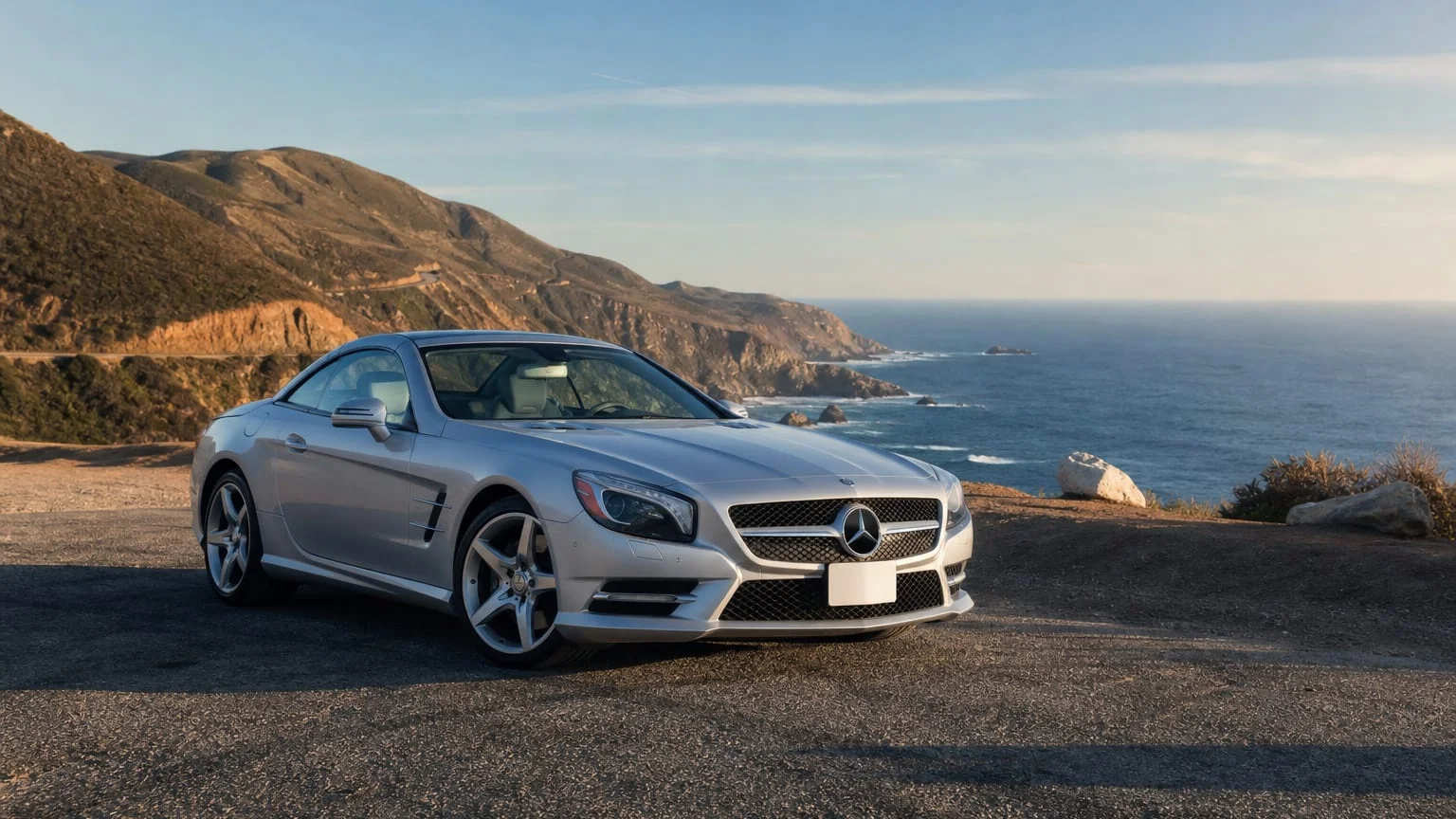
The Mercedes-Benz SL is one of the most enduring luxury grand tourers on the road, and most model years deliver the combination of performance and refinement you'd expect from the nameplate. A handful of years, mainly from the early R230 generation, carry a documented pattern of expensive failures that can turn a dream purchase into a costly project. This guide uses NHTSA complaint and recall data alongside CarComplaints' PainRank system to show you exactly which years to skip and which to target.
For generations, engines, and ownership notes in one place, see the Mercedes-Benz SL hub.
Related: Mercedes-Benz S-Class years to avoid, Mercedes-Benz E-Class years to avoid.
At a glance
- Worst years
- 2003
- 2004
- 2005
- 2006
- 2019
- Best years
- 2009
- 2010
- 2011
- 2013
- 2014
- 2017
- 2018
- Top failure
- R230 Active Body Control (ABC) suspension failure (CarComplaints worst-year ranking, 2003 SL500)
- Always do before buying
- run the VIN through NHTSA's recall checker, plus check the ABC suspension for uneven ride height and fluid leaks on any 2002-2011 car before signing
How we rated the best and worst Mercedes-Benz SL years
The early R230-generation cars (2002-2011) are the most documented problem years, with the 2003 and 2004 model years standing out on two separate measures. CarComplaints rates the 2003 Mercedes-Benz SL500 as the worst model year based on repair cost and average mileage when problems occur. On raw complaint volume, the 2004 SL500 logged 88 NHTSA complaints - the highest single-year volume in the dataset - while the 2003 SL500 accumulated 182 total NHTSA complaints, with suspension problems leading at 47 complaints, brakes at 23, and electrical at 18. These two numbers come from different datasets: CarComplaints’ worst-year designation is based on its PainRank algorithm (repair cost plus mileage at failure), while the complaint volumes are raw NHTSA-reported figures; the two sources agree that 2003-2004 are the priority years to avoid, but they measure different things.
Data sources used in this guide include NHTSA complaints and recalls, CarComplaints’ PainRank and per-year complaint counts, RepairPal annual maintenance costs, and owner discussions on BenzWorld and MBWorld.
| Mercedes-Benz SL Generation | Best Mercedes-Benz SL Years | Worst Mercedes-Benz SL Years |
|---|---|---|
| R129 (1990-2001) | None | None |
| R230 (2002-2011) | 2009, 2010, 2011 | 2003, 2004, 2005, 2006 |
| R231 (2012-2020) | 2013, 2014, 2017, 2018 | 2019 |
| R232 (2022-present) | None | None |
Every Mercedes-Benz SL model year ranked
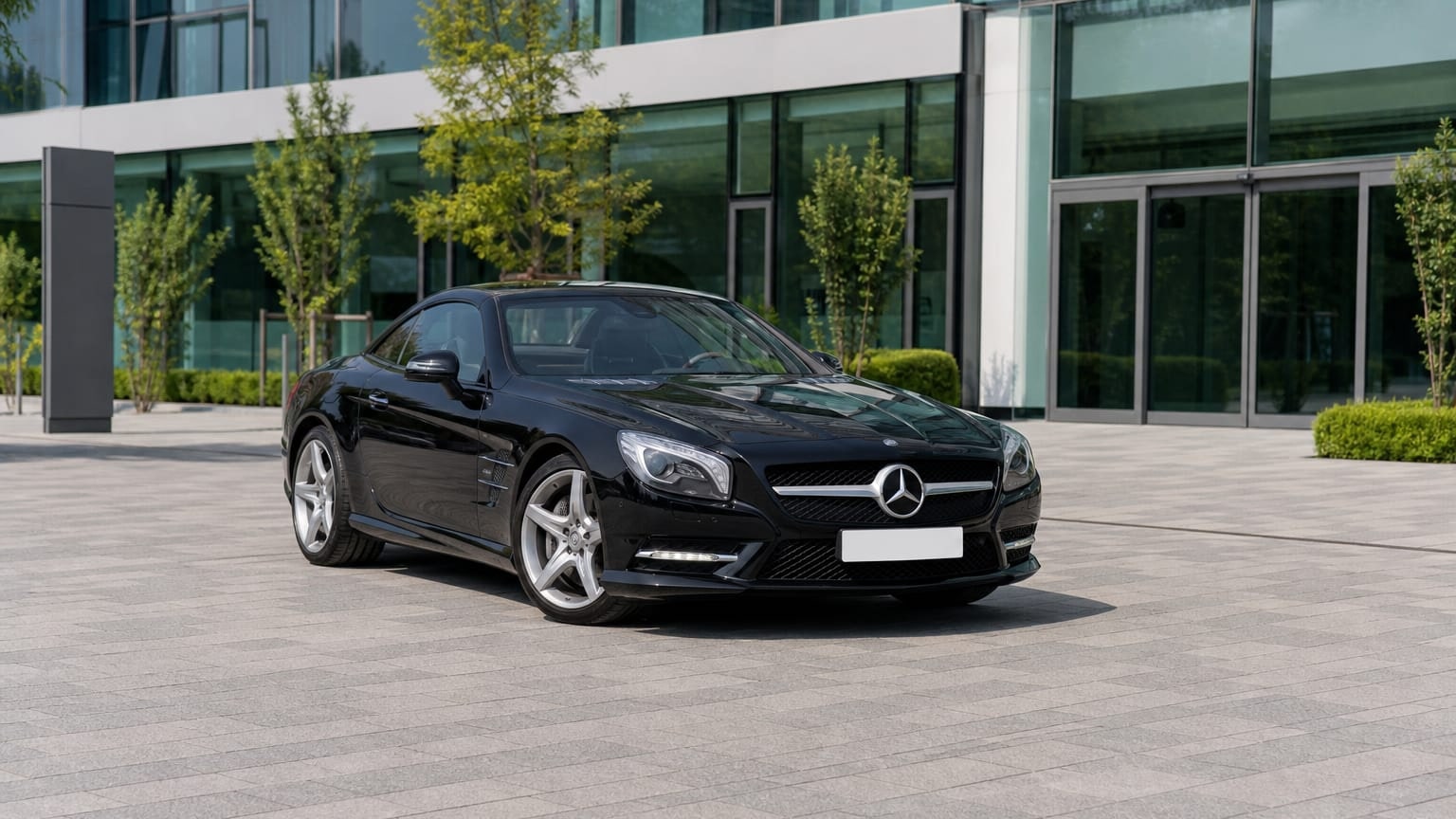
The 2003-2012 R230-series SL is the most problematic version of the modern nameplate. The table below covers the R230 and R231 generations, which represent the cars most used buyers are actually shopping. The R129 (1990-2001) is a separate collector-market vehicle assessed differently; those years are marked OK/Mixed to distinguish them from the data-backed best/avoid designations. Mercedes-Benz did not offer an SL in the U.S. for the 2021 model year between the R231 and the new R232 generation.
| Model Year | Generation | Verdict | Notes |
|---|---|---|---|
| 1990 | R129 | OK/Mixed | Classic collector era; separate market |
| 1991 | R129 | OK/Mixed | Classic collector era; separate market |
| 1992 | R129 | OK/Mixed | Classic collector era; separate market |
| 1993 | R129 | OK/Mixed | Classic collector era; separate market |
| 1994 | R129 | OK/Mixed | Classic collector era; separate market |
| 1995 | R129 | OK/Mixed | Classic collector era; separate market |
| 1996 | R129 | OK/Mixed | Classic collector era; separate market |
| 1997 | R129 | OK/Mixed | Classic collector era; separate market |
| 1998 | R129 | OK/Mixed | Classic collector era; separate market |
| 1999 | R129 | OK/Mixed | Classic collector era; separate market |
| 2000 | R129 | OK/Mixed | Classic collector era; separate market |
| 2001 | R129 | OK/Mixed | Classic collector era; separate market |
| 2002 | R230 | OK/Mixed | Launch year; fewer complaints than 2003-2004 |
| 2003 | R230 | Avoid | CarComplaints worst year; ABC/SBC failures; 182 NHTSA complaints |
| 2004 | R230 | Avoid | Highest NHTSA complaint volume (88 filed); ABC suspension leads |
| 2005 | R230 | Avoid | 29 NHTSA complaints; SBC brake and ABC issues continue |
| 2006 | R230 | Avoid | Pre-facelift; ABC/SBC era; elevated complaint pattern continues |
| 2007 | R230 | OK/Mixed | Mid-cycle refresh; ABC sensor recall resolved |
| 2008 | R230 | OK/Mixed | Post-refresh; complaints drop noticeably |
| 2009 | R230 | Best | Lower complaint count; pre-facelift era mostly behind it |
| 2010 | R230 | Best | No U.S. SL sold; clean slate - confirm any VIN carefully |
| 2011 | R230 | Best | Final R230 year; mature platform, reduced complaints |
| 2012 | R231 | OK/Mixed | Launch year R231; limited complaint data |
| 2013 | R231 | Best | R231 reliability established; low NHTSA complaint count |
| 2014 | R231 | Best | Consistent low complaint record across R231 generation |
| 2015 | R231 | OK/Mixed | Power steering recall (2013-2015 SL550) covers some VINs |
| 2016 | R231 | OK/Mixed | Post-recall resolution; complaint volume low |
| 2017 | R231 | Best | Post-facelift; lowest problem count of the generation |
| 2018 | R231 | Best | Strong overall record; airbag recall closed |
| 2019 | R231 | Avoid | Airbag seam recall; rear suspension mounting complaints |
| 2020 | R231 | OK/Mixed | Final R231 year; low volume, limited data |
| 2021 | - | OK/Mixed | No U.S. SL offered this year |
| 2022 | R232 | OK/Mixed | Revived generation; early data insufficient to flag |
| 2023 | R232 | OK/Mixed | Fuse recall affects some 2023 AMG SL models |
Most common Mercedes-Benz SL problems
The single biggest failure across the SL’s modern history is the Active Body Control (ABC) hydraulic suspension system found on R230-generation cars (2002-2011), which can produce cascading repair bills exceeding $5,000. Beyond the ABC system, four other recurring issues show up across the complaint record: SBC brake system pump failure, retractable hardtop malfunctions, electric power steering failure (R231), and airbag-related recalls.
1. Active Body Control (ABC) Suspension Failure
The ABC system uses a hydraulic tandem pump to continuously adjust suspension damping, keeping the body level through corners and over bumps. When the pump wears or develops a leak, you’ll notice the car sitting uneven when parked, an illuminated ABC warning light, and in severe cases a message reading “too low to drive.” The most significant known issue is cascading failure: when the tandem pump fails, it can shed metal debris throughout the entire hydraulic system, destroying expensive valve blocks and struts and turning a single component failure into a full system replacement costing over $5,000.
The 2003 Mercedes-Benz SL500 has the most overall complaints on CarComplaints, with ABC suspension failure being the most commonly reported problem for that year. Owner-reported repair costs range from around $3,200 for hydraulic component work to $6,400 for a full hydraulic pump replacement, based on NHTSA complaint filings and owner accounts. The problem typically surfaces between 50,000 and 80,000 miles.
A related NHTSA recall, campaign 08V-405, covered some 2003-2007 SL-Class models. That campaign affected some 2003-2007 SL-Class vehicles in which the acceleration sensors on the front struts could fail due to improper soldering, impairing the ABC system’s ability to level the vehicle. Mercedes also issued TSB P-32_50-24 in March 2005 to address humming or buzzing noises from the ABC suspension related to the pulsation damper. Buyer takeaway: on any 2002-2011 SL, check ride height from all four corners before purchase and ask for ABC service records.
2. Sensotronic Brake Control (SBC) Hydraulic Pump Failure
The R230’s SBC system (Sensotronic Brake Control) replaces a conventional vacuum booster with an electro-hydraulic brake unit. When the hydraulic pump inside the SBC fails, the brake pedal can feel spongy or require dramatically more force, and in the worst cases braking performance degrades significantly. This was most common on 2002-2006 models.
The 2003 SL500 logged 23 NHTSA brake-related complaints - the second-largest complaint category for that year after suspension. Mercedes extended the warranty on the hydraulic pump within the SBC/electro-hydraulic brake system to 10 years with unlimited miles from the vehicle’s warranty start date, with this extension applying to the vehicle regardless of ownership. If you’re buying a pre-2007 R230, confirm whether the SBC pump has been replaced under that warranty extension and ask for documentation. A soft or spongy brake pedal on a pre-2007 SL should be treated as a likely SBC pump warning.
3. Retractable Hardtop Malfunctions
The SL’s electrohydraulic retractable hardtop (Vario-Roof) is a signature feature on both the R230 and R231 generations, but it relies on a hydraulic cylinder system that can develop leaks as the cars age. Symptoms include the top stopping mid-cycle, the trunk failing to close when the top is open, or error messages appearing on the instrument cluster.
Pre-2008 R230 cars are specifically known for leaky roofs, rust, and problems with the ABC and SBC systems. Repair costs for a roof hydraulic rebuild can run into the hundreds to low thousands of dollars depending on how many cylinders have failed. For R230 and R231 models, checking the retractable hardtop carefully before purchase is essential; for the R232, inspect the fabric top, seals, latches, and surrounding trim. On any used SL, cycle the roof fully open and fully closed during inspection and look for fluid staining inside the trunk.
4. Electric Power Steering Failure (R231, 2013-2015 SL550)
On certain R231-generation SL550s, improperly soldered contacts inside the electric power steering control unit can cause the power steering to cut out without warning while driving. MBUSA recalled certain 2013-2015 SL550 and 2013-2014 SL63 AMG vehicles manufactured August 23, 2012 to August 14, 2015, because the electric power steering system may have had improperly soldered contacts inside the control unit, potentially resulting in the power steering system deactivating while driving.
If the control unit pins lose connection, the result is loss of electric power steering assist, increasing crash risk; the increase in pin contact resistance can also increase the risk of fire even while the vehicle is parked and the ignition is off. MBUSA’s remedy was replacement of the power steering control unit at no charge. Buyers of 2013-2015 SL550 models should verify this recall was completed using the VIN. Owner complaints show the failure mileage at approximately 60,000 miles. A sudden heavy or unresponsive steering wheel is the clearest symptom to watch for.
5. Front Passenger Airbag Defects and eCall Recalls (R231, 2018-2019)
Two distinct airbag and safety-system recalls affected late R231 production. MBUSA recalled certain 2018 SL65 AMG, 2019 SL63 AMG, and 2018-2019 SL450 and SL550 vehicles because the front passenger airbag may have been improperly sewn, allowing the seam to tear during deployment, which can decrease airbag performance and increase injury risk. Separately, MBUSA recalled certain 2013-2017 vehicles due to a software fault that may cause the date and time for the emergency call system (eCall) to differ from actual date and time, potentially relaying an inaccurate vehicle location to emergency responders. Both recalls were resolved through dealer repairs at no charge to owners, but VIN verification is still necessary to confirm completion on any specific car.
6. Hydraulic Fluid Leaks and Pneumatic System Issues (SL550 / SL500)
Beyond the ABC system’s headline failures, broader hydraulic and pneumatic leaks are a known maintenance pattern on R230-era SLs. The most commonly reported problem on the SL500 across RepairPal’s database is the Active Body Control system leaking hydraulic fluid from numerous areas, including the tandem pump and hydraulic lines; the second most common issue is hard/soft top problems that develop due to age. On the SL550, the most commonly reported problem on RepairPal is also ABC system hydraulic leaks, with a second common issue being pneumatic system leaks that cause problems with the dynamic seats and trunk/door closing assist. RepairPal places the annual maintenance cost of a Mercedes-Benz SL500 at $959. Budget accordingly if you’re shopping an R230-era car.
Which Mercedes-Benz SL years should you avoid
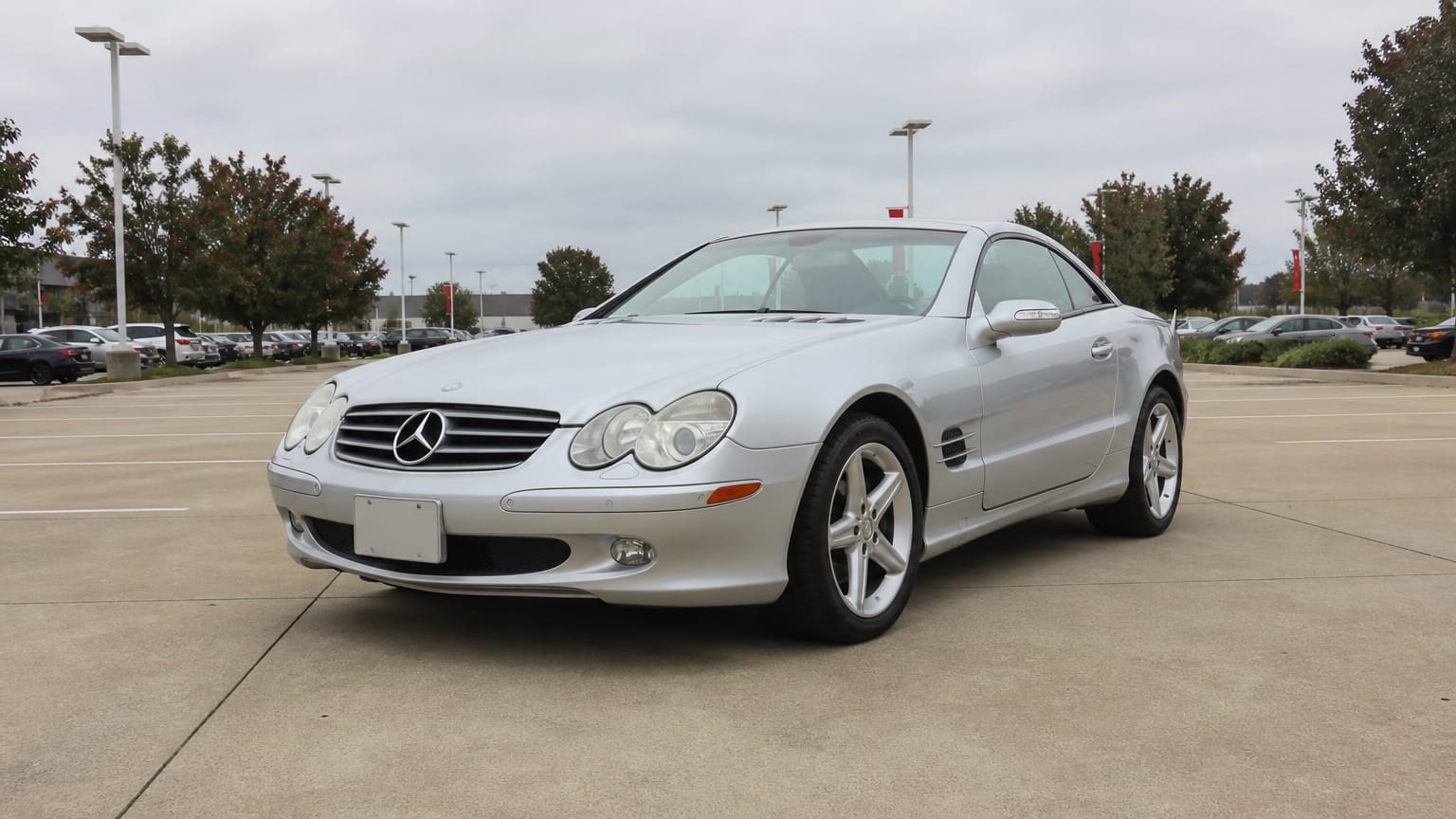
The Mercedes-Benz SL years to avoid are 2003, 2004, 2005, 2006, and 2019. CarComplaints rates the 2003 as the worst model year by its PainRank measure of repair cost and mileage at failure, while the 2004 carries the highest raw NHTSA complaint volume in the dataset at 88 filed complaints. The 2019 earns its avoid designation on a separate basis: an improperly sewn passenger airbag recall and documented rear suspension mounting concerns during the final R231 production run.
| Mercedes-Benz SL Generation | Model Years | Verdict | Main Issues |
|---|---|---|---|
| R129 (1990-2001) | 1990-2001 | Mixed | Collector era; wiring harness aging, head gaskets on early sixes |
| R230 (2002-2011) | 2003, 2004, 2005, 2006 | Worst | ABC suspension, SBC brake pump, roof leaks |
| R231 (2012-2020) | 2013, 2014, 2017, 2018 | Best | Low complaint volume; strong platform reliability |
| R231 (2012-2020) | 2019 | Worst | Airbag seam recall; rear suspension mounting defects |
| R232 (2022-present) | 2022-2023 | Mixed | Insufficient complaint data; one fuse recall on AMG models |
Worst Mercedes-Benz SL years: 2003, 2004, 2005, 2006, 2019
Early R230 Mercedes-Benz SL (2003-2006)
The 2003-2012 R230-series SL is the most problematic modern SL; pre-2008 examples are specifically known for leaky roofs, rust, and problems with the ABC and SBC systems. The 2003 and 2004 model years bear the heaviest documented burden. The 2003 SL500 alone logged NHTSA suspension complaints totaling 47, brake complaints at 23, and electrical complaints at 18. The 2004 SL500’s 88-complaint NHTSA total is led by 27 suspension complaints, 14 brake complaints, and 9 fuel system complaints. Both years carry 5-6 recalls. The 2005 and 2006 model years show lower counts but share the same underlying ABC and SBC architecture, with the 2005 SL500 showing 29 NHTSA complaints and 2 recalls.
2019 R231 Mercedes-Benz SL
The 2019 model year presents severe rear suspension mounting defects in owner complaint filings. That problem coincides with the separate airbag seam recall affecting 2019 SL63 AMG and 2018-2019 SL450/SL550 vehicles. While the R231 is otherwise one of the more reliable SL generations, the 2019 accumulated a confluence of documented issues in its final production run that make it a weaker pick than the 2017-2018 cars immediately preceding it.
What are the best Mercedes-Benz SL years to buy
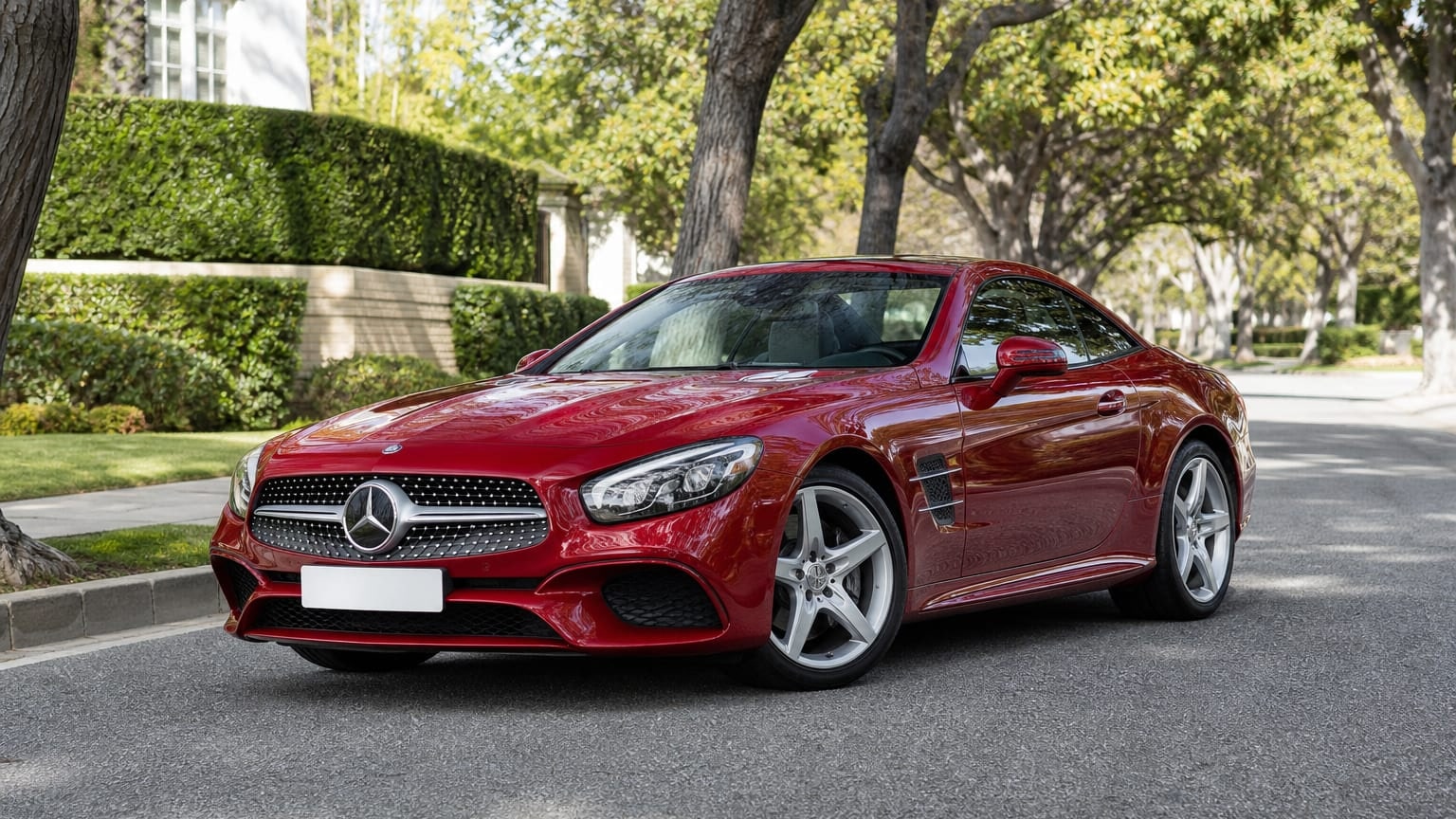
The best Mercedes-Benz SL years to buy are 2017, 2018, 2013, and 2014. According to the BenzWorld forum, the R231 has been more reliable than both the R230 and the subsequent R232 series. The post-2016 facelift cars (2017-2018) benefit from a mature, refined platform with the lowest documented complaint counts of any SL generation, while the 2013-2014 cars represent the early R231’s strong debut reliability.
| Best Mercedes-Benz SL Year | Why It's a Strong Buy |
|---|---|
| 2009 | Lower complaint count; pre-facelift R230 era mostly behind it |
| 2010 | Clean slate R230 final years; confirm any VIN carefully |
| 2011 | Final R230 year; mature platform, reduced complaints |
| 2013 | R231 launch reliability confirmed; well-documented by this point in the fleet |
| 2014 | Early R231 low complaint era; power steering recall closed on properly serviced VINs |
| 2017 | Post-facelift R231; lowest problem count for the generation per owner forums |
| 2018 | Airbag recall resolved; strong NHTSA record; mature 9G-Tronic gearbox |
Most reliable Mercedes-Benz SL years: 2009, 2010, 2011, 2013, 2014, 2017, 2018
2017 Mercedes-Benz SL
Among R231 owners on BenzWorld, the 2017-2020 post-facelift SL400 is a frequent recommendation as the most refined and reliable pick from the generation. The 2013-2020 R231 generation as a whole has only 34 total NHTSA complaints filed across all model years - a very low figure for a generation spanning nearly a decade. The 2017 sits at the sweet spot: all early R231 recalls closed, the power steering recall resolved, and the post-facelift interior and tech updates in place.
2018 Mercedes-Benz SL
The 2018 model year carries the same low-complaint profile as the 2017 and avoids the airbag seam issue that hit 2019 production. Forum members on MBWorld note that the R231 improves on the lessons learned from the R230, which had significant reliability problems with the roof, the ABC suspension, and the SBC braking system. By 2018, those system architectures had long since been replaced and refined. The annual maintenance cost for a Mercedes-Benz SL550 is $1,055 per RepairPal - high by mass-market standards but consistent with a low-volume grand tourer of this class.
2013 Mercedes-Benz SL
The 2013 was the first full model year of the R231 and quickly established a clean complaint record. Forum discussions on MBWorld confirm that the R231 has far fewer issues than previous generations. On 2013 SL550s, confirm the power steering recall (covering January-April 2013 production) was completed at the dealer before purchase. A fully serviced 2013 with its recall closed is one of the better-value entries into the R231 generation.
Mercedes-Benz SL submodel years to avoid
The two most searched SL submodels - the SL500 and SL550 - each have their own production history, engine, and complaint record. Each is assessed here on its own data, not carried over from the parent SL lineup summary.
Mercedes-Benz SL500 Years to Avoid
The SL500 was offered in two distinct eras: the R129 generation (roughly 1990-2001, with the M113 V8) and the R230 generation (2002-2006, also using the naturally aspirated M113 5.0-liter V8, before Mercedes renamed the badge to SL550 for 2007). For used buyers, the R230-era SL500 is the relevant vehicle, and its worst years are 2003 and 2004.
CarComplaints rates the 2003 SL500 as the worst model year on repair cost and mileage-at-failure, with the worst complaint category being suspension problems - specifically Active Body Control system failure. The 2004 SL500 logged 88 total NHTSA complaints (the highest of any year in the dataset), with 6 recalls and 27 suspension complaints at an average mileage of 81,335 miles. The 2005, by comparison, shows 29 complaints and 2 recalls - a meaningful drop, though the same ABC/SBC architecture applies.
The SL500’s M113 V8 itself is not the source of most complaints. The failures cluster around the ABC hydraulic system and the SBC brake pump, both shared with all R230-generation variants. If you buy a 2003-2006 SL500:
- Confirm ABC recall 08V-405 and any related sensor work was completed
- Ask whether the SBC hydraulic pump was replaced under the 10-year/unlimited-mile warranty extension
- Inspect for hydraulic fluid staining under the car and around the rear subframe
Mercedes-Benz SL550 Years to Avoid
The SL550 replaced the SL500 badge for the 2007 model year and ran through the end of R231 production in 2020. It uses a twin-turbocharged M278 4.7-liter V8 (R231, 2012-2020), replacing the naturally aspirated V8 of the SL500. This powertrain change brought meaningfully different failure modes compared to the earlier cars.
RepairPal records 22 reported problems for the SL550 as a whole, with the most common issue still being ABC hydraulic fluid leaks (on 2007-2011 R230-era SL550s), and a second concern being pneumatic system leaks causing problems with dynamic seats and door/trunk closing assist. The 2007-2011 SL550 inherits the same ABC and SBC architecture as the R230 SL500, so those documented risks above apply to it as well, though overall complaint counts are lower than the 2003-2004 cars.
The R231-era SL550 (2012-2020) has its own distinct concern: the electric power steering recall covering 2013-2015 production. MBUSA recalled certain 2013-2015 SL550 vehicles because the electric power steering system may have had improperly soldered contacts inside the control unit, potentially resulting in power steering deactivating while driving. For 2019 SL550s specifically, the improperly sewn airbag recall also applies. The 2017-2018 SL550 years are the cleanest picks in the submodel’s run. RepairPal gives the SL550 a reliability rating of 2.0 out of 5.0, ranking it 22nd out of 30 for luxury full-size cars.
Mercedes-Benz SL pre-purchase checklist
Before buying any used Mercedes-Benz SL, work through these model-specific checks:
- Run the VIN through NHTSA’s recall checker to confirm every open recall has been resolved on your specific car - campaign numbers vary by production date, so the VIN lookup is the only definitive test.
- On 2003-2006 cars, inspect the ABC suspension from all four corners: look for uneven ride height, hydraulic fluid pooling under the car, and an illuminated ABC warning light. A transmission fluid leak when parked should also be investigated, as some R230 hydraulic fluid can pool similarly.
- Confirm the SBC warranty extension was used on pre-2007 R230 cars: ask for the dealer repair order showing the SBC hydraulic pump was replaced under the 10-year/unlimited-mile warranty extension documented in NHTSA’s 2005 recall file.
- On 2013-2015 SL550 models, verify the power steering recall was completed: the remedy is replacement of the electric power steering control unit. No paperwork or confirmation = walk away or get it done before purchase.
- Cycle the retractable hardtop fully open and fully closed during inspection. Any hesitation, grinding, or mid-cycle stop signals a failing hydraulic cylinder in the roof mechanism, which can be expensive to rebuild.
- Request full service records covering oil changes, transmission fluid intervals, coolant system work, and any documented recall or campaign completions.
- On 2018-2019 cars, verify the passenger airbag recall was completed: MBUSA replaced the passenger airbag module on affected VINs free of charge, and any unresolved example is a safety issue.
- Run a pre-purchase inspection with a Mercedes-Benz specialist (not a general mechanic) who can read ABC/SBC system fault codes - a clear dashboard can still hide stored faults in these hydraulic systems.
Better alternatives to consider
If the Mercedes-Benz SL years in your budget land on the avoid list, consider these alternatives in the same luxury roadster class:
- Porsche 991 - a rear-engine sports car in the same price band with a stronger reliability record across its 2012-2019 run and a more focused driving character
- Mercedes-Benz S550 - shares the R231’s platform DNA and powertrain family; a practical four-seat alternative if grand touring mileage matters more than open-air driving
- Mercedes-Benz ML350 - for buyers who want the brand’s V6/V8 refinement with a simpler hydraulic architecture than the R230 SL
- Jaguar F-Type - a direct cross-shop in the two-seat luxury roadster segment, with a cleaner early-generation complaint record than the R230 era SL
Is the Mercedes-Benz SL worth buying
Yes - the Mercedes-Benz SL is worth buying as long as you stay clear of the 2003, 2004, 2005, 2006, and 2019 model years. The R231 generation (2012 to 2020) is generally considered extremely reliable while offering the same traditional blend of luxury, performance, and technology as its predecessors. R231 owners on Mercedes-Benz forums note that it is far more reliable, with little to no discussion of significant recurring problems compared to the R230. The 2017 and 2018 are the strongest picks: post-facelift, all major recalls closed, and a mature powertrain. Run the VIN through NHTSA’s recall checker and verify complete maintenance history before any purchase.
Frequently asked questions
What are the best Mercedes-Benz SL years to buy
The best Mercedes-Benz SL years to buy are 2009, 2010, 2011, 2013, 2014, 2017, and 2018. The 2013, 2014, 2017, and 2018 all fall within the R231 generation, which forum owners and complaint data consistently identify as the most reliable modern SL. The entire 2013-2020 R231 generation accumulated only 34 NHTSA complaints across all model years, making any of these years a strong choice compared to the R230 era. The 2009, 2010, and 2011 round out the best years as the mature, lower-complaint final stretch of the R230 generation.
What are the worst years for the Mercedes-Benz SL
The worst Mercedes-Benz SL years are 2003, 2004, 2005, 2006, and 2019. CarComplaints rates 2003 as the single worst year by repair cost and mileage at failure, and 2004 carries the highest raw NHTSA complaint volume. The 2019 earns its avoid status from a documented airbag seam recall and rear suspension mounting complaints in the final R231 production run.
Which year Mercedes-Benz SL is most reliable
The 2017 Mercedes-Benz SL is the most reliable pick, based on the lowest problem count among post-facelift R231 models. BenzWorld forum members specifically point to the SL400/SL450 variant of this era as the most reliable in the bunch, with mechanical failures considered quite rare. The 2018 is a close second with an equally clean record.
What year Mercedes-Benz SL has the worst ABC suspension problems
The 2003 Mercedes-Benz SL500 has the most overall complaints on CarComplaints, with Active Body Control suspension failure as the most commonly reported problem for that year. The 2004 follows closely with 27 NHTSA suspension complaints at an average of 81,335 miles. NHTSA recall 08V-405 covered ABC sensor failures on some 2003-2007 cars, and Mercedes extended the SBC brake pump warranty to 10 years/unlimited miles - verify both were resolved on any R230 you consider.
How long does a Mercedes-Benz SL last
A well-maintained Mercedes-Benz SL can last well beyond 150,000 miles, particularly on the R231 generation where forum members note that a 10-year-old R231 driven without issues is a genuine indicator of reliability. The which Mercedes class is the best question often circles back to the SL’s longevity when properly serviced. R230-era cars can also reach high mileage, but ongoing ABC and SBC maintenance costs mean total ownership cost is considerably higher than an equivalent R231 at the same odometer reading. RepairPal gives the Mercedes-Benz brand a reliability rating of 3.0 out of 5.0, ranking 27th out of 32 car brands based on an average across 345 unique models.