
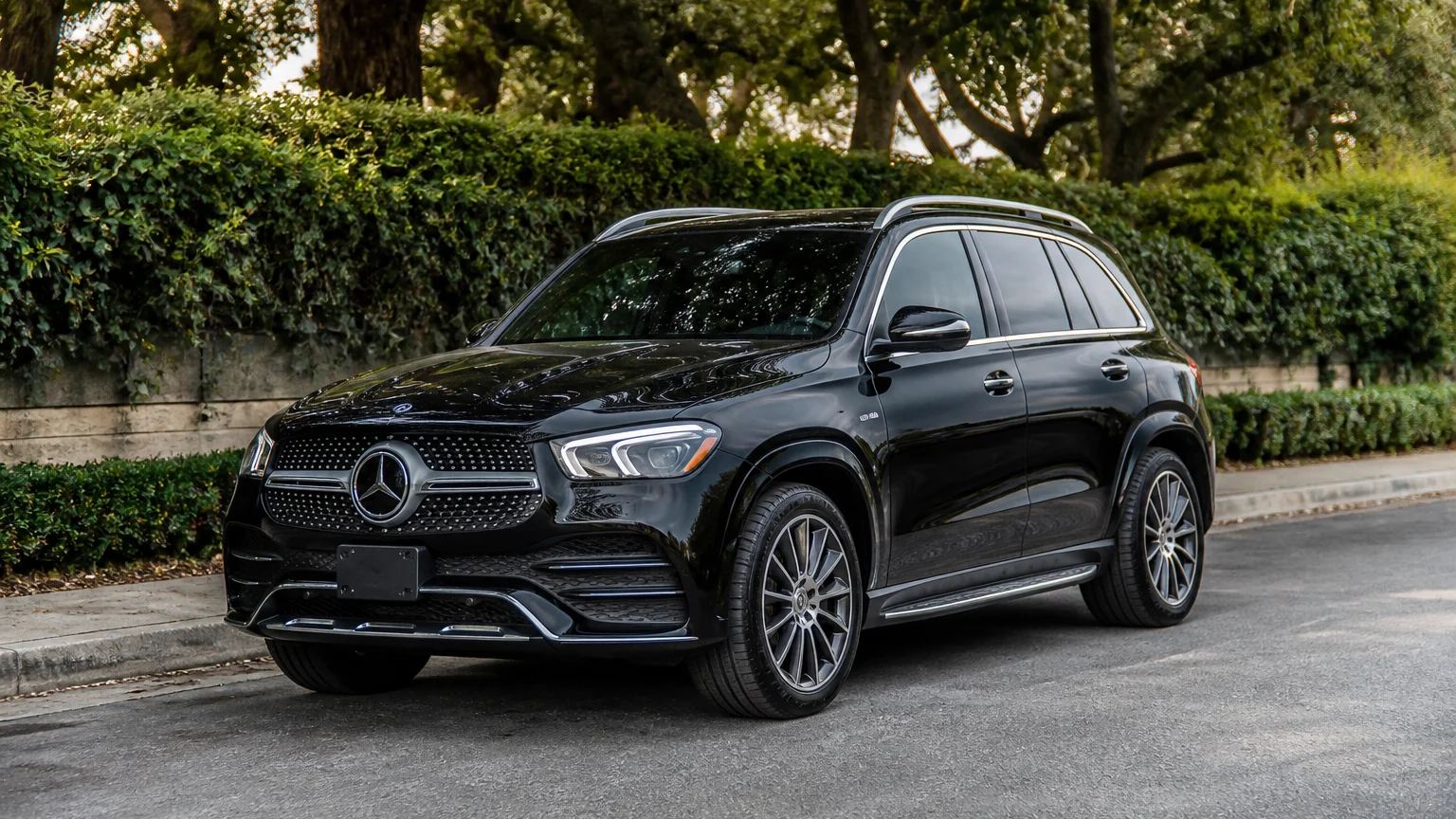
The Mercedes-Benz GLE is a well-regarded mid-size luxury SUV that can cover 200,000 miles or more with proper maintenance, but a handful of model years carry disproportionate costs and complaint records that you'll want to steer clear of. The GLE is a very reliable, mid-size SUV that can last between 200,000 to 250,000 miles when properly maintained and driven conservatively. This guide uses NHTSA complaint and recall data, CarComplaints PainRank ratings, RepairPal cost estimates, and real owner reports to give you a data-backed ranking of which years to buy and which to skip.
For generations, engines, and ownership notes in one place, see the Mercedes-Benz GLE hub.
Related: Mercedes-Benz GLS years to avoid, Mercedes-Benz GLC years to avoid.
At a glance
- Worst years
- 2016
- 2020
- 2021
- Best years
- 2018
- 2019
- 2023
- 2024
- Top failure
- AIRMATIC air suspension compressor failure and A/C drain hose water intrusion (W167, 2020-2021, CarComplaints / NHTSA)
- Always do before buying
- Run the VIN through NHTSA's recall checker to confirm every open recall is closed; on 2020-2021 cars, physically check the front footwells for any sign of water staining or musty smell before purchase
Recalls by year
How We Rated the Best and Worst Mercedes-Benz GLE Years
The W167-generation 2020 model year is the single worst of the modern GLE lineup, and the first-year W166 GLE (2016) is the worst of its generation, driven by elevated complaint volumes and repair costs. To build these rankings, we cross-referenced four primary data sources: NHTSA complaint and recall counts (raw volume), CarComplaints PainRank (which weighs repair cost and mileage at failure, not raw complaint count), RepairPal reliability ratings, and owner reports aggregated from forums and third-party complaint databases. CarComplaints rates a model year’s severity by how much repairs cost and how early in the car’s life the problem appears - it often flags a different year as “worst” than NHTSA’s raw complaint volume does.
Our years to avoid methodology cross-references repair cost, average mileage at failure, recall volume, and owner complaint density to produce a single ranked verdict per model year. For the GLE, CarComplaints rates the 2016 GLE350 as the worst model year, ranking it on factors such as repair cost and average mileage when problems occur. By contrast, NHTSA complaint volume is highest on the 2020 model year, which drew the most complaints - 121 - followed by 2021 with 82 complaints and 2017 with 73.
| Mercedes-Benz GLE Generation | Best Mercedes-Benz GLE Years | Worst Mercedes-Benz GLE Years |
|---|---|---|
| W166 GLE (2016-2019) | 2018, 2019 | 2016 |
| W167 GLE (2020 - present) | 2023, 2024 | 2020, 2021 |
Every Mercedes-Benz GLE Model Year Ranked

In 2015, Mercedes-Benz marked a symbolic shift in its SUV lineup, rebranding the second-generation M-Class (W166) as the GLE-Class. The table below covers all modern GLE model years that used buyers can realistically shop - note that the M-Class predecessor (sold as the ML350, ML550, etc.) is a separate collector and used-car market assessed in the submodel section below.
| Model Year | Generation | Verdict | Notes |
|---|---|---|---|
| 2016 | W166 GLE | Avoid | Highest CarComplaints PainRank for W166; exhaust, A/C, and exterior accessory complaints |
| 2017 | W166 GLE | OK/Mixed | 73 NHTSA complaints; eCall software recall affected multiple years |
| 2018 | W166 GLE | Best | 9 recalls, 51 NHTSA complaints; reliability score 69/100 |
| 2019 | W166 GLE | Best | Only 1 recall, 7 NHTSA complaints; lowest documented problem score for W166 |
| 2020 | W167 GLE | Avoid | 36 recalls, 112 NHTSA complaints; worst reliability score (61/100); A/C drain hose, AIRMATIC, and ESP recalls |
| 2021 | W167 GLE | Avoid | 22 recalls, 76 NHTSA complaints; A/C drain hose and 48V system issues persist |
| 2022 | W167 GLE | OK/Mixed | 11 recalls, 58 NHTSA complaints; sunroof and electrical complaints flagged |
| 2023 | W167 GLE | Best | 5 recalls, 29 NHTSA complaints; fewest complaints of any current-gen year |
| 2024 | W167 GLE | Best | Reliability score 70/100; 8 recalls, 59 NHTSA complaints; highest score in lineup |
Most Common Mercedes-Benz GLE Problems
The single most serious recurring failure across the modern GLE lineup is AIRMATIC air suspension compressor failure, which appears on both generations but is most acute on the 2020-2021 W167. Below are the five most documented problem categories, ordered most serious first.
1. AIRMATIC Air Suspension Compressor Failure
The AIRMATIC system uses pressurized air springs instead of conventional coil springs to control ride height and damping. When one or more air springs develop slow leaks, the compressor runs continuously trying to maintain pressure and burns itself out. The AIRMATIC compressor fails prematurely on the GLE, typically after one or more air springs develop slow leaks; the heavy SUV puts more stress on the compressor than sedan applications, accelerating wear. Repairs typically run $600 - $2,500.
Vehicles equipped with air suspension systems can experience issues with air springs, compressors, or height sensors; leaks or component failures lead to uneven ride height, a harsh ride, or complete system collapse. On the W167 (2020 - present), the problem appeared early enough that NHTSA issued a safety recall. Mercedes-Benz recalled 2020 GLE450, GLS450, and GLS580 vehicles under NHTSA Campaign Number 20V-329; the piston seals within the front struts and rear shock absorbers might not meet specifications, a defect that could lead to premature wear and failure, affecting vehicle handling, and increasing the risk of a crash. Dealers were instructed to replace the front strut assemblies and rear shock absorbers on affected vehicles free of charge.
A sagging corner - especially one that drops overnight - is the clearest warning sign. If you’re buying a 2020 GLE450 or GLE580, verify that recall 20V-329 has been completed before handing over any money. On cars with the optional E-Active Body Control, TSB LI32.50-P-074719 addresses a fault message reading “Suspension Malfunction, Max 80 km/h,” caused by a communication fault due to outdated software; the fix requires a dealer to flash the system with updated software.
2. A/C Drain Hose Water Intrusion (2020-2021, Recall 23V-177)
On certain 2020-2021 GLE and GLS vehicles (167 platform), the air conditioning drain hoses might be incorrectly installed in the vehicle; vehicles outside the specified recall population have air conditioning drain hoses installed according to current production specifications. Instead of draining outside the car, condensation flows into the front footwells. If a significant volume of condensation water enters the driver and passenger footwells, it might cause corrosion and/or short circuits to the electrical components installed in this area, which could increase the risk of fire.
Owners report soaked carpets, fogged windows, a musty smell, and standing water in the footwells; trapped water can corrode and short the floor-mounted electrical/control modules, which can disable the eCall emergency-call feature, prevent the doors from unlocking, and cause the engine to not start or enter limp-home mode. NHTSA recall campaign 21V-288, an expansion of 19V-587, addressed this, with the recall later expanded again in 2023 under campaign 23V-177. The production process was updated in February 2021, so models built after that date are not expected to have this problem.
On any 2020-2021 GLE you’re considering, smell the front carpets and check for water staining around the floor modules. A damp footwell is a red flag even if the recall paperwork says it was completed - have a technician verify the hose routing. Repair costs if water damage has already occurred range from nothing (if caught early) up to several thousand dollars for electrical shorts and module damage.
3. Electrical System Faults and 48V Mild-Hybrid Malfunctions
The most common Mercedes-Benz GLE problems across all model years, based on NHTSA owner complaint data, are electrical system (76 complaints), engine (50 complaints), and power train (43 complaints). On W167 cars equipped with the 48V mild-hybrid system (GLE 450 and GLE 580), the ISG (integrated starter-generator) draws very high electrical currents. On certain GLE and GLS vehicles (167 platform), the 48V ground connection under the passenger seat might have become loose. A loose ground lug increases electrical resistance which, combined with the very high currents the 48V starter-alternator draws, can cause the connection to overheat, melt surrounding components and, in the worst case, start a fire. This prompted NHTSA recall 24V-207.
One of the most common issues in the GLE 350 involves the electrical system; owners report infotainment malfunctions, sensor failures, and problems with electronic modules. The MBUX system, responsible for navigation and entertainment, can freeze or become unresponsive; software updates can resolve some glitches, but deeper faults may require module replacements. Repair costs for electrical faults range from a few hundred dollars for software flashes to $4,500 or more for module replacements.
4. M264 Engine Timing Chain Tensioner Wear
The 2.0L turbocharged M264 four-cylinder engine (used in GLE 350 models from the W167 generation onward) has a documented timing chain tensioner wear issue. At approximately 87,000 miles, a 2021 GLE350 with the M264 2.0T engine experienced a severe engine misfire resulting in a flashing check engine light, rough idle, engine shaking, significant loss of power, and near-stall condition; all four ignition coils and spark plugs were replaced at a total cost of approximately $635. This failure pattern is consistent with the documented M264 exhaust valve seat wear issue acknowledged by Mercedes-Benz technicians.
A Mercedes dealer service report on an identical 2021 GLE350 explicitly states: “COMMON ISSUE FOR EXHAUST VALVE SEATS TO WEAR - KNOWN ISSUE WITH 260 AND 264 MOTORS.” Mercedes-Benz has extended the warranty on the M260 engine (transverse variant) for this identical failure mode but has not extended it for the longitudinally-mounted M264 despite the same defect being present. Full cylinder head failure on the M264 can cost $6,000 - $13,000. If you’re shopping for a 2020-2023 GLE 350 with the M264 engine, ask for records showing the timing components have been inspected and listen for any chain rattle on a cold start - a symptom that can signal metal shavings in oil from worn tensioner guides.
5. Transmission Control Unit Software and Rear Water Intrusion
On certain 2020-2023 GLE/GLS vehicles (167 platform) equipped with the 6-cylinder gasoline engine and 9-speed transmission, the transmission control unit software might not meet current specifications. NHTSA recall 24V-118 required dealers to reflash the transmission control unit software at no cost to owners. Separately, on 2012-2020 GLE/ML (166 platform) and GLE Coupe (292 platform) vehicles, water might intrude into the rear area of the vehicle and, over time, accumulate in the spare wheel well. In certain driving situations, the accumulated water could intermittently contact the fuel pump control unit, and the fuel supply to the engine could be interrupted, leading to a loss of propulsion without warning. This was addressed under NHTSA recall 22V-955, which covered the wide span of 2012-2020 W166 and C292 vehicles. If you’re buying any W166-era GLE, verify this recall has been remedied on the specific VIN.
Which Mercedes-Benz GLE Years Should You Avoid
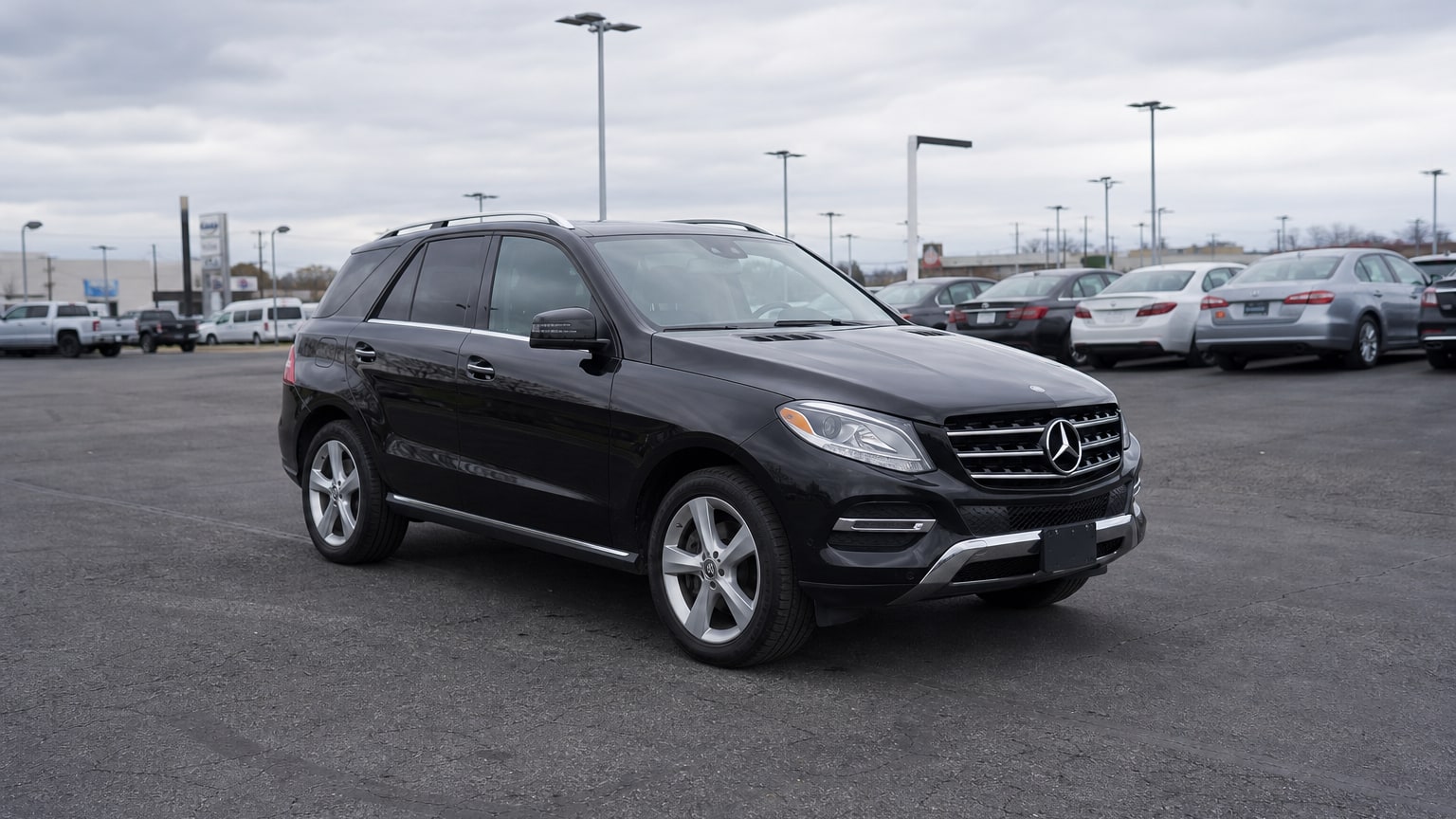
The Mercedes-Benz GLE years to avoid are 2016, 2020, and 2021. CarComplaints rates the 2016 GLE350 as the worst model year by repair cost and average mileage when problems occur, while NHTSA’s complaint volume is highest on the 2020 model year, which carries 36 recalls and 112 owner complaints on file. The 2020 and 2021 years mark the launch of the W167 platform, when assembly-quality issues (misrouted A/C drain hoses, loose 48V ground connections, and AIRMATIC strut seal defects) were concentrated before the production line was corrected.
| Mercedes-Benz GLE Generation | Model Years to Avoid | Verdict | Main Issues |
|---|---|---|---|
| W166 GLE | 2016 | Avoid | Highest CarComplaints PainRank; exhaust, A/C, exterior accessories |
| W167 GLE | 2020, 2021 | Avoid | A/C drain hose fire risk, AIRMATIC recall, 48V ground fault, ESP software |
Worst Mercedes-Benz GLE years: 2016, 2020, 2021
First-Generation GLE - W166 (2016-2019)
The 2016 Mercedes-Benz GLE350 has 76 problems and defects reported by owners, with the worst complaints in the exhaust system, A/C/heater, and accessories - exterior categories. CarComplaints ranks this as the worst year in the W166 range on the combination of repair cost and the mileage at which problems appear - meaning owners are getting hit with bills earlier in the car’s useful life. The 2017 year carries 73 NHTSA complaints and is OK/Mixed - not bad enough to outright avoid, but not the best pick either. By 2018-2019, the platform had matured significantly.
Second-Generation GLE - W167 (2020 - present)
Common issues reported by owners on the 2020 and 2021 models include problems with the electrical system, power train, and vehicle speed control; these model years have higher complaint rates and recall numbers than others in the W167 lineup. The 2020 year scored 61/100 - the lowest in the lineup - primarily due to 28 electrical system complaints. The 2021 carries 22 recalls and 76 NHTSA complaints per the NHTSA complaint database, making it only marginally better. From 2022 onward, recall counts drop sharply and reliability scores climb back toward the lineup average.
What Are the Best Mercedes-Benz GLE Years to Buy
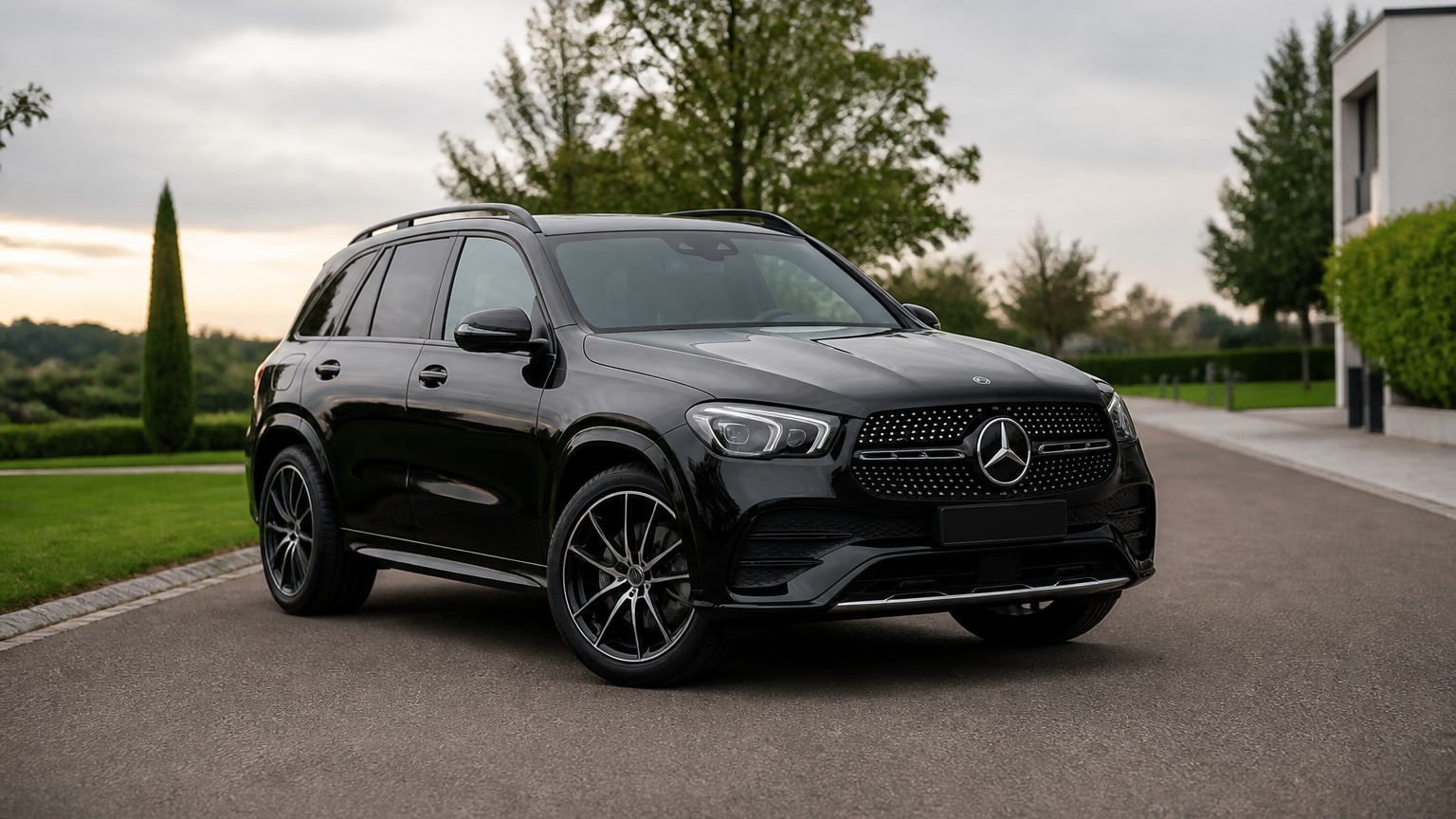
The best Mercedes-Benz GLE years to buy are 2018, 2019, 2023, and 2024 - the mature years of each generation, after initial platform problems were ironed out. The 2019 Mercedes-Benz GLE is among the lowest-risk years in the lineup, with only 1 recall and 7 complaints on record with NHTSA.
| Best Mercedes-Benz GLE Year | Why It's a Strong Buy |
|---|---|
| 2018 | 9 recalls, 51 NHTSA complaints; 69/100 reliability score; mature W166 platform |
| 2019 | Only 1 recall, 7 NHTSA complaints; lowest documented problem score of any GLE year |
| 2023 | 5 recalls, 29 NHTSA complaints; fewest complaints of any W167 year |
| 2024 | 70/100 reliability score; highest score in lineup; 8 recalls, 59 NHTSA complaints |
Most reliable Mercedes-Benz GLE years: 2018, 2019, 2023, 2024
2019 Mercedes-Benz GLE
The 2019 Mercedes-Benz GLE is the lowest-risk year in the lineup, with a problem score of 10, and only 1 recall and 7 complaints on record with NHTSA. It is the last year of the W166 platform and benefits from four model years of continuous refinement since the 2016 rebranding. If your budget allows for a used W166, this is the year to target.
2023 Mercedes-Benz GLE
The 2023 Mercedes-Benz GLE has good reliability, with 5 recalls and 29 owner complaints on file. That complaint count is the lowest of any current-generation W167 year with sufficient data, and it benefits from the production-line corrections Mercedes implemented for the A/C drain hose and 48V ground cable issues. It also carries the MBUX infotainment upgrades introduced across the W167’s production run.
2024 Mercedes-Benz GLE
The best Mercedes-Benz GLE year is 2024, with a reliability score of 70/100; other strong picks include 2023 (70/100) and 2019 (70/100). The 2024 Mercedes-Benz GLE has good reliability, with 8 recalls and 59 owner complaints on file. The higher recall count versus 2023 is largely driven by a 2024 GLE350/GLE450 fuel pump screw recall (addressed under 24V-118), not systemic failures - dealer software updates cover the bulk of open campaigns.
Mercedes-Benz GLE Submodel Years to Avoid
The GLE family spans several distinct engine variants that shoppers search for individually. Each is assessed below on its own complaint record, engine, and fault pattern - not carried over from the parent’s data.
Mercedes-Benz GLE350 Years to Avoid
The GLE350 has been offered across both the W166 (2016-2019) and W167 (2020 - present) generations, always using a naturally aspirated or turbocharged six-cylinder or four-cylinder gasoline engine depending on the platform. On the W166, it ran a 3.5L V6 (M276); the W167 switched to the 2.0L turbocharged M264 four-cylinder as the base engine.
CarComplaints rates the 2016 GLE350 as the worst model year for the GLE350 nameplate, ranking it on repair cost and average mileage when problems occur. The 2016 GLE350 has 76 problems and defects reported by owners at CarComplaints. On the W167, the 2022 GLE 350 has the most overall complaints among new-gen models in the CarComplaints database, with the most-reported problem being the sunroof shattering when opened. The M264 engine’s exhaust valve seat wear and timing chain tensioner issue (covered above) is specific to the GLE350 trim from 2020 onward, as it is the only W167 trim to use that engine.
- Avoid: 2016 GLE350 (CarComplaints worst-year rank) and 2020-2021 GLE350 (M264 timing/valve wear window plus A/C drain hose recall 23V-177)
- Check: verify NHTSA recalls 21V-288 / 23V-177 (A/C drain) and 20V-329 (AIRMATIC) are closed on any 2020 GLE350 you inspect
Mercedes-Benz GLE450 Years to Avoid
The GLE450 is the W167’s mid-level trim, powered by the 3.0L turbocharged inline-six M256 with a 48V mild-hybrid ISG - a meaningfully different powertrain from the GLE350’s M264 four-cylinder. The GLE 450 produces 362 hp from its mild-hybrid 3.0L turbo-I6, connected to a nine-speed automatic transmission with AWD as standard.
The 48V architecture that distinguishes the GLE450 from the base GLE350 is the source of the 48V ground cable fire-risk recall (24V-207) and the 48V battery malfunction fault covered earlier. Both apply specifically to GLE450 and GLE580 models from 2020 onward, not to the GLE350. Recall 24V-118 directly covers 2020-2023 GLE 450 vehicles (32,308 units); the transmission control unit software might prevent a proper operational response. The GLE450 also falls inside the AIRMATIC strut recall (20V-329) for the 2020 model year. No specific CarComplaints GLE450 model year has yet accumulated enough complaint data to produce a standalone PainRank verdict separate from the broader GLE lineup, but the 2020 GLE450 is the highest-risk year given that all three major W167 launch recalls apply to it simultaneously.
- Avoid: 2020 GLE450 (AIRMATIC recall 20V-329, A/C drain recall, 48V ground recall 24V-207, and TCU software recall 24V-118 all converge on this model year)
- Check: confirm all four open campaign numbers are closed via NHTSA’s recall checker before purchase
Mercedes-Benz ML550 Years to Avoid
The ML550 was offered on the W164 platform (2008-2011) and the W166 platform (2012-2015), using the 5.5L M273 V8 on the W164 and the 4.7L M278 twin-turbo V8 on the W166. The V8 powertrain is what differentiates the ML550 from its siblings - and it introduces a specific failure pattern not shared with the ML350. Among documented GLE/ML issues, the M278 4.7L twin-turbo V8 (GLE 550 / ML550) has a known timing chain tensioner and camshaft adjuster cold-start rattle - a distinct fault from the M264’s valve-seat wear, and one that can escalate to cam phaser failure if oil changes are delayed.
CarComplaints carries a modest total complaint file for the ML550 nameplate, and no single ML550 model year has accumulated enough data to generate a standalone PainRank ranking separate from the broader ML family. The 2012-2013 W166 ML550 years share the oil-seal and timing-chain-cover problems documented on the ML350 of the same generation (covered in detail above) - those faults belong to the W166 platform rather than the V8 specifically. The V8’s own cold-start timing chain rattle is the additional check unique to this variant.
- Check: on any W166 ML550, a cold-start tick that disappears at operating temperature is an early warning of timing chain tensioner wear; have a shop pull codes before purchase
- The W164 ML550 is now well past 100,000 miles on most examples; budget for cam adjuster and timing service as a likely near-term expense
Mercedes-Benz GLE Pre-Purchase Checklist
Before signing on any used GLE, run through these model-specific checks:
- Run the VIN through NHTSA’s recall database at nhtsa.gov/recalls and confirm every open campaign is closed; the 2020-2021 GLE carries up to four simultaneous open recalls (A/C drain hose 21V-288/23V-177, AIRMATIC strut 20V-329, 48V ground 24V-207, TCU software 24V-118)
- Smell and press the front carpets on any 2020-2021 GLE - a musty odor, water stain, or spongy feel under the mat indicates the A/C drain hose defect was not caught in time and water has already damaged floor modules
- Test the AIRMATIC suspension on all four corners: park on level ground, engage the suspension setting, and watch whether any corner sags more than an inch overnight - a sagging corner means a leaking air spring and impending compressor failure
- On 2020-2021 GLE450 and GLE580: ask a technician to check the 48V ground cable lug under the passenger seat for secure torque; recall 24V-207 is a free dealer fix but not all owners have brought their cars in
- On 2020-2023 GLE350 with M264 engine: listen for timing chain rattle on a cold start and ask to see oil-change records - missed intervals accelerate tensioner and valve-seat wear. An illuminated SRS light during the test drive can indicate a prior water-intrusion short, which is a serious red flag on these years
- On any W166 GLE (2016-2019): verify recall 22V-955 (rear water intrusion / fuel pump control unit) has been completed; check the spare wheel well for any signs of standing water or rust
- Request full service records: GLE maintenance costs are above average, and a car without documented oil changes (especially on M264 or M278 engines) is a higher-risk purchase
- Get a pre-purchase inspection from an independent Mercedes-Benz specialist, not a general shop, before buying any GLE with more than 60,000 miles; the AIRMATIC, 48V, and timing components are not easily assessed in a road test alone
Better Alternatives to Consider
If the GLE years in your budget land on the avoid list, these alternatives in the same mid-size luxury SUV class are worth pricing out:
- BMW X5 - a direct rival with its own well-documented year-by-year complaint record and a similarly wide range of engine choices, including a plug-in hybrid; shoppers cross-shopping it should note the worst BMW X5 years to avoid before committing to a specific model year
- GMC Acadia - a lower-cost non-luxury alternative with a longer production run and a well-established reliability record at mainstream service centers
- Ford Escape - a more affordable, compact SUV option if the GLE’s maintenance costs in your target year are a concern
- Lexus RX - consistently one of the highest-rated mid-size luxury SUVs for long-term dependability, with lower average annual repair costs than the GLE
Is the Mercedes-Benz GLE Worth Buying
The Mercedes-Benz GLE is worth buying - as long as you stick to 2018, 2019, 2023, or 2024 and confirm every open recall is closed on the specific VIN. The Mercedes-Benz GLE has an average reliability score of 67/100 across all model years, rated “good” - and overall it is a reliable vehicle, though some model years perform better than others. The 2024 model year earns the highest score in the lineup at 70/100. The 2020 and 2021 launch years carry legitimate structural concerns - multiple fire-risk recalls and the highest complaint counts in the range - but those concerns are addressable if the recall work has been done. Run the VIN through NHTSA’s recall database and verify full maintenance history before any purchase.
Frequently Asked Questions
What are the best Mercedes-Benz GLE years to buy
The best Mercedes-Benz GLE years to buy are 2018, 2019, 2023, and 2024. The 2019 model is among the lowest-risk years, with only 1 recall and 7 complaints on record with NHTSA. The 2024 leads the lineup with a 70/100 reliability score, joined by the 2023 at 70/100.
What are the worst years for the Mercedes-Benz GLE
The worst years for the Mercedes-Benz GLE are 2016, 2020, and 2021. CarComplaints rates the 2016 GLE350 as the worst model year by repair cost and mileage at failure, while the 2020 GLE carries 36 recalls and 112 NHTSA owner complaints - the highest raw complaint count of any model year.
Which year Mercedes-Benz GLE is most reliable
The 2019 Mercedes-Benz GLE is the lowest-risk model year, carrying a problem score of 10 with only 1 recall and 7 NHTSA complaints. If you need a current-generation W167, the 2023 and 2024 are the most reliable picks.
What year Mercedes-Benz GLE has the worst water intrusion problems
The 2020 and 2021 Mercedes-Benz GLE have the most documented water intrusion problems. On 2020-2021 GLE and GLS vehicles (167 platform), the air conditioning drain hoses might be incorrectly installed, meaning condensation water from the air conditioning might enter the passenger compartment. NHTSA recall campaign 21V-288, an expansion of 19V-587, addressed this, with the recall expanded again in 2023 under campaign 23V-177. Verify all three campaign numbers are closed before buying a 2020-2021 GLE.
How long does a Mercedes-Benz GLE last
The Mercedes-Benz GLE is a very reliable mid-size SUV that can last between 200,000 to 250,000 miles when properly maintained and driven conservatively; if you drive 15,000 miles a year, this equates to 13-17 years of service before requiring uneconomical repairs. Longevity depends heavily on staying current with Mercedes-specified oil-change intervals and addressing AIRMATIC service before compressor failure turns an air-spring leak into a much larger repair bill. For guidance on how the which Mercedes class is the best question factors into long-term cost, the GLE sits in the middle of the lineup on both price and complexity.