


The next-generation Toyota Corolla beats every other upcoming car under $50K. In July 2026, we ranked the top 10 most anticipated models that are worth waiting for before you buy your next vehicle.
We looked at upcoming vehicles priced under $50K that are not yet available to buy or order in the US. Each car was scored on capability (horsepower, 0–60 mph) and starting price. We also evaluated how much better the upcoming car is than its main competitor on the market, as well as the new features each model brings. These factors were combined to create a Wait-Worthiness Score. For better context, we included monthly search interest and media mentions of each model.
Here’s what we found:
- The next-gen Toyota Corolla leads with a Wait-Worthiness Score of 73
- Ford’s $30K EV pickup outperforms the Maverick on power and range
- The redesigned Honda Civic adds 33% more horsepower at the same price
- The Rivian R3 hits 60 mph in 5 seconds and costs $7K less than a Model 3
- The 2027 Kia Seltos gets its first hybrid option and a major power bump
- See the full top 10 rankings table
Toyota Corolla (next-generation) is the best car to wait for
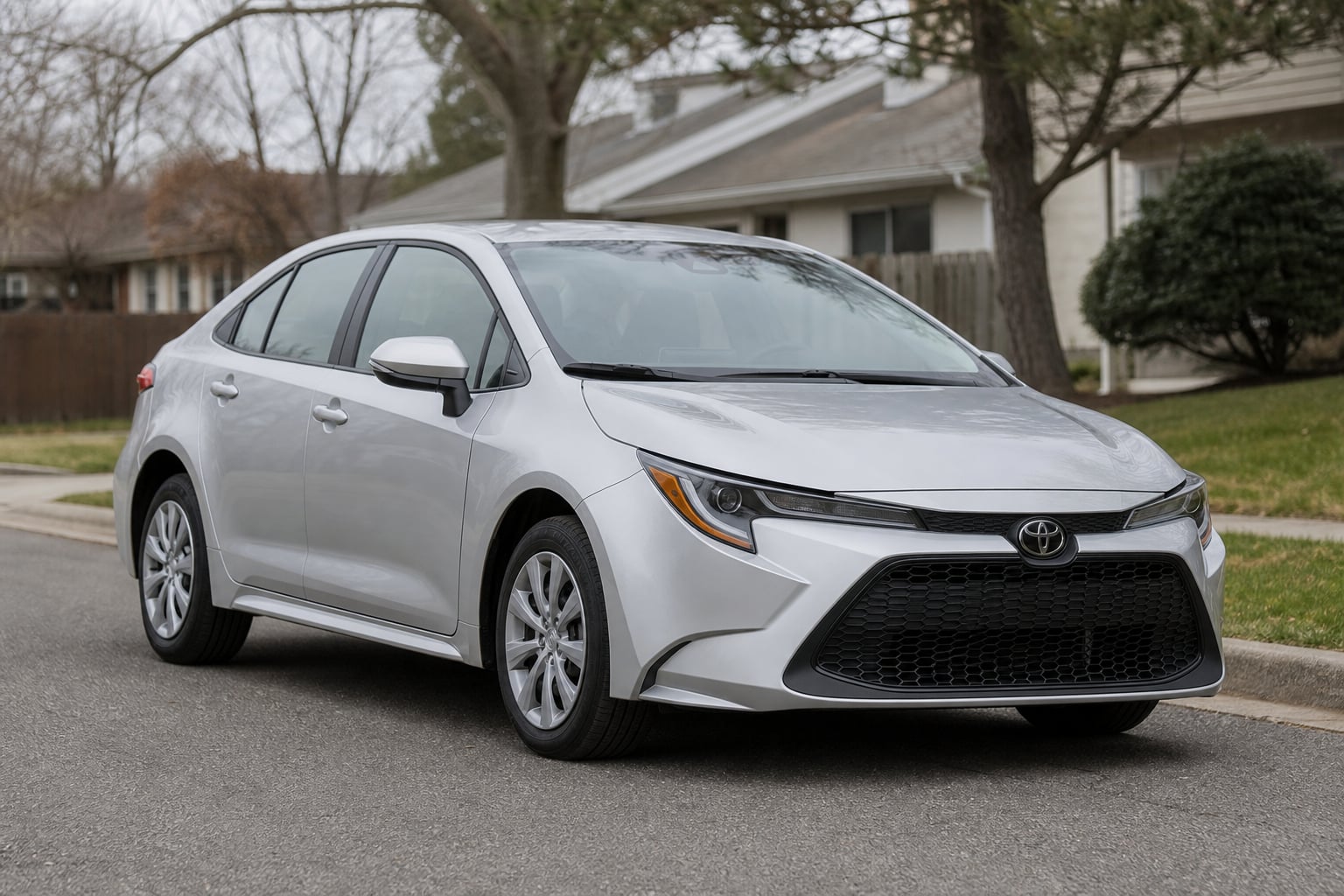
Expected price: ~$25K
Horsepower: 196 hp
Fuel efficiency: 50 mpg (hybrid)
Wait-Worthiness Score: 73.0
Monthly searches: 20,190
The next-gen Corolla is the best car to wait for among upcoming models. At around $25K, it will be one of the cheapest cars on the market, and its hybrid powertrain is expected to return 50 mpg, up from 34 mpg in the current version. That’s nearly 50% better fuel economy for roughly the same money.
The redesign also brings updated safety systems, so buyers will be getting a meaningfully newer car on top of better efficiency. For context on the model already on the road, see our guide to Toyota Corolla years to avoid.
Ford EV pickup outperforms the Maverick on power and range
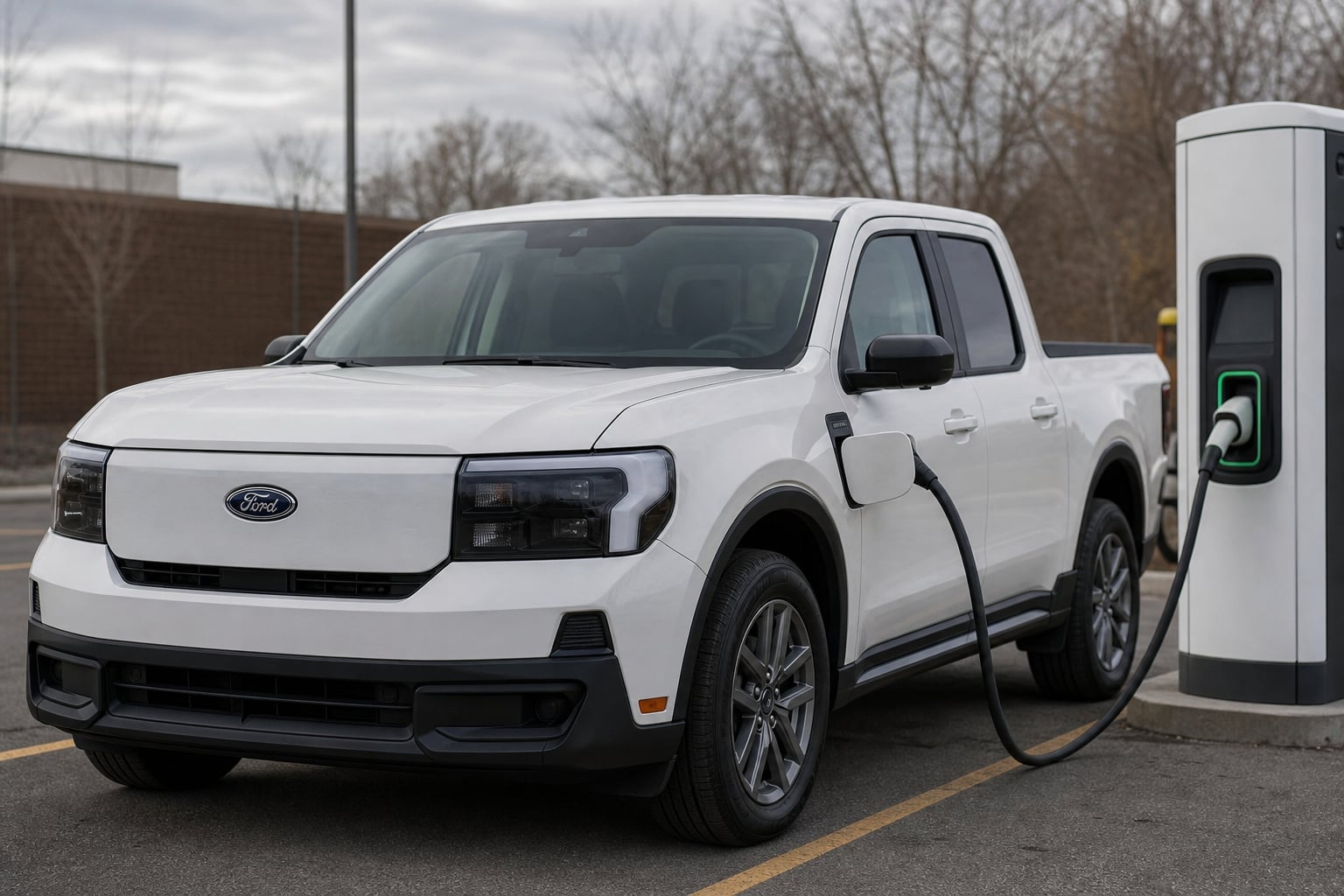
Expected price: ~$30K
Horsepower: 250 hp
Range: 250 mi
Wait-Worthiness Score: 72.0
Monthly searches: 61,170
Ford’s compact EV pickup takes second place, and at around $30K, it’s expected to be one of the most affordable trucks in America. The Maverick hybrid is its closest rival today, but the Ford EV will likely outperform it on both power and driving distance.
It will have nearly 60 extra horsepower and a 0–60 drop from 8.4 to 6.5 seconds. Plus, Ford promises the model will offer 250 miles of range — a meaningful step up for buyers who want a small truck without a gas engine.
Honda Civic (next-generation) is the most overlooked upgrade on the list
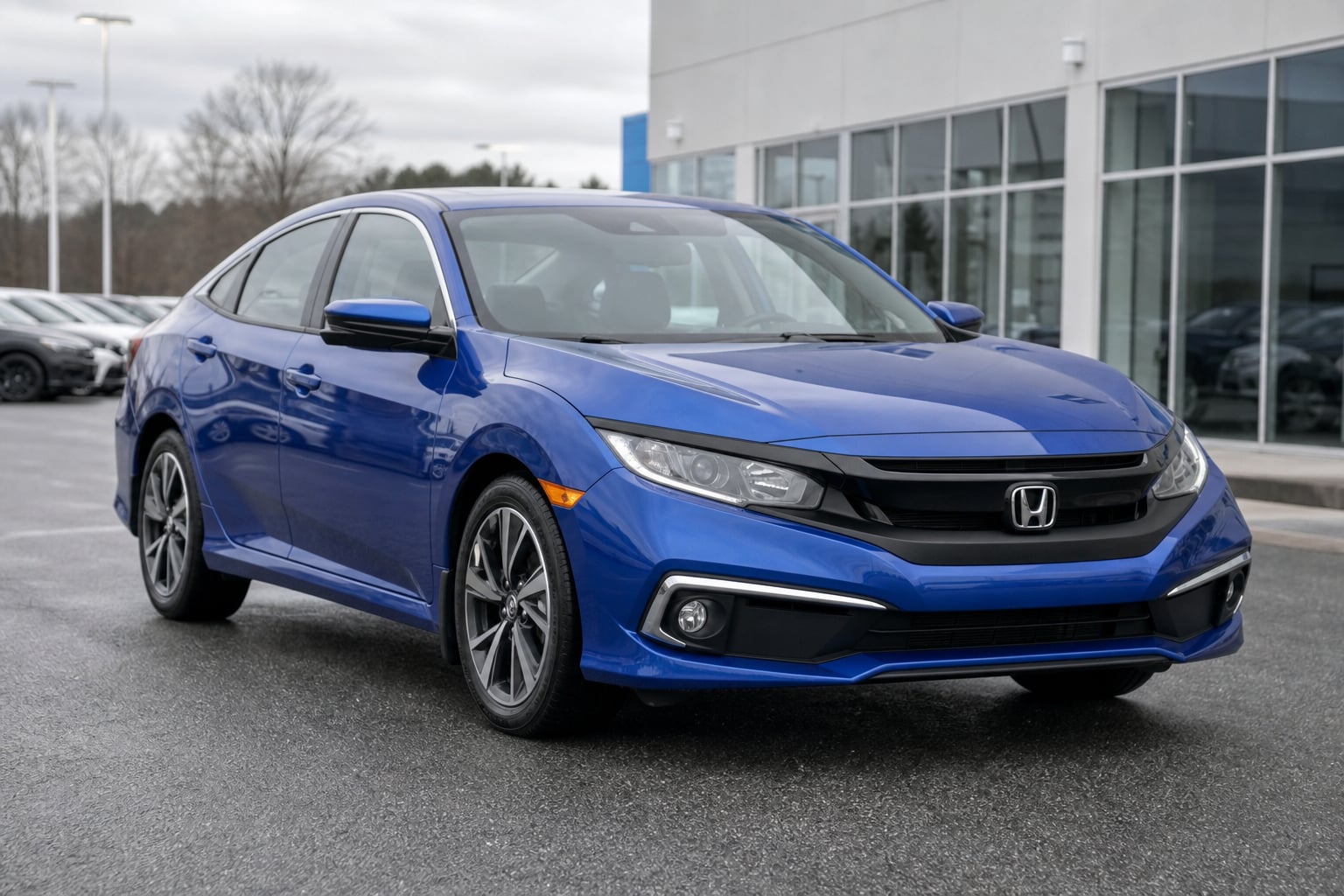
Expected price: ~$28K
Horsepower: 200 hp
Fuel efficiency: 49 mpg
Wait-Worthiness Score: 69.0
Monthly searches: 2,700
The next-generation Civic is the most overlooked car on this list. The redesigned version should deliver 200 horsepower and 49 mpg, versus 150 hp and 36 mpg in the car currently on sale. This is a 33% horsepower gain and a big jump in fuel economy, with no price increase.
So while most buyers aren’t actively tracking it (only 2,700 online lookups per month), it will probably get much more attention once it’s actually listed on the market. For a look at the current generation’s track record, see Honda Civic years to avoid.
Rivian R3 delivers Model 3 speed at a $7K discount
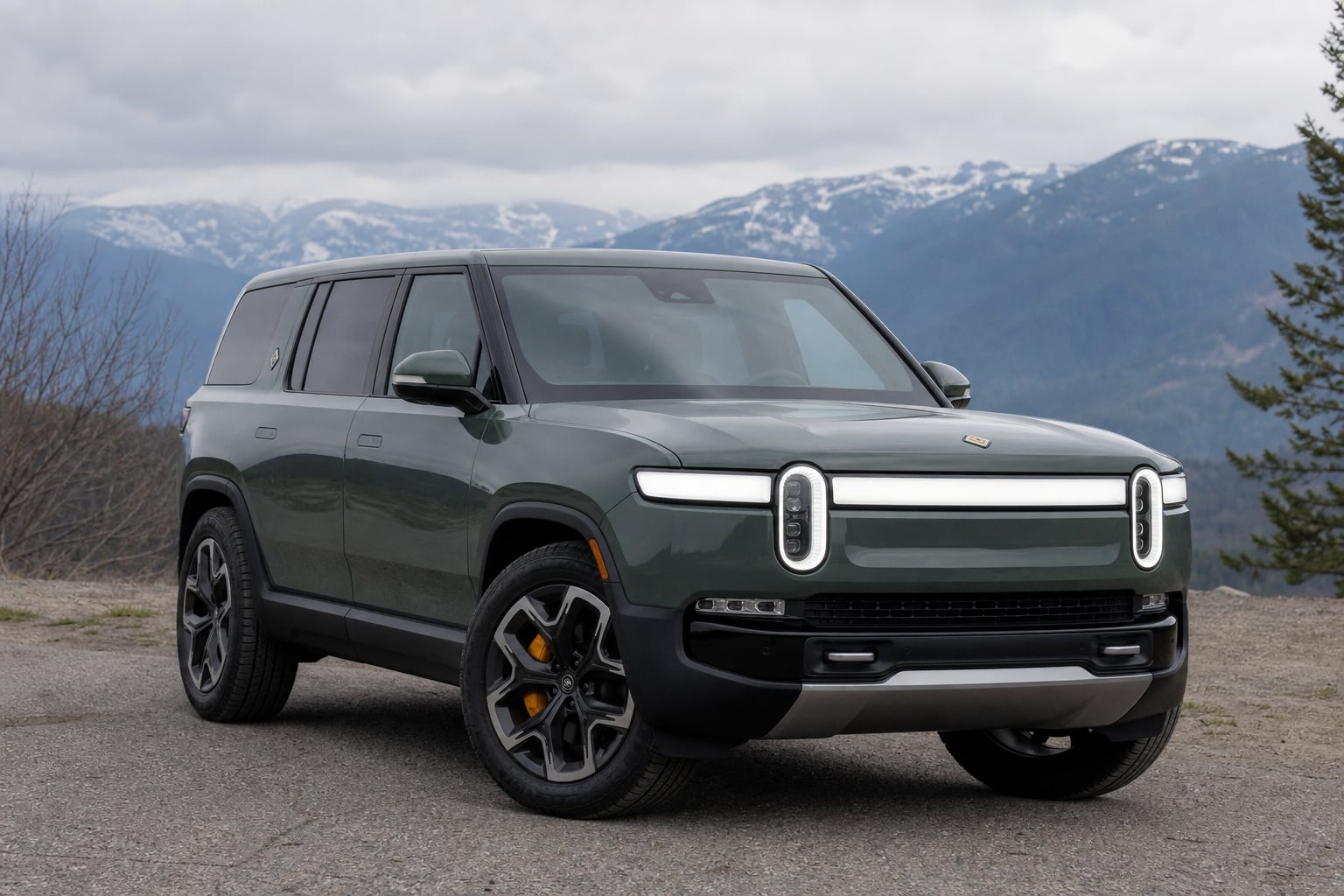
Expected price: ~$37K
Horsepower: 250 hp
Range: 300 mi
Wait-Worthiness Score: 68.0
Monthly searches: 40,760
The new R3 will soon be one of the quickest cars on American roads. The compact crossover is believed to accelerate to 60 mph in 5 seconds flat and will offer around 300 miles of range. Plus, starting at $37K, it will also cost $7,000 less than a Tesla Model 3.
That’s why the anticipation is big, and more than 40K people are looking for updates about its release every month.
Kia Seltos (2027 redesign) adds hybrid power and a bigger body
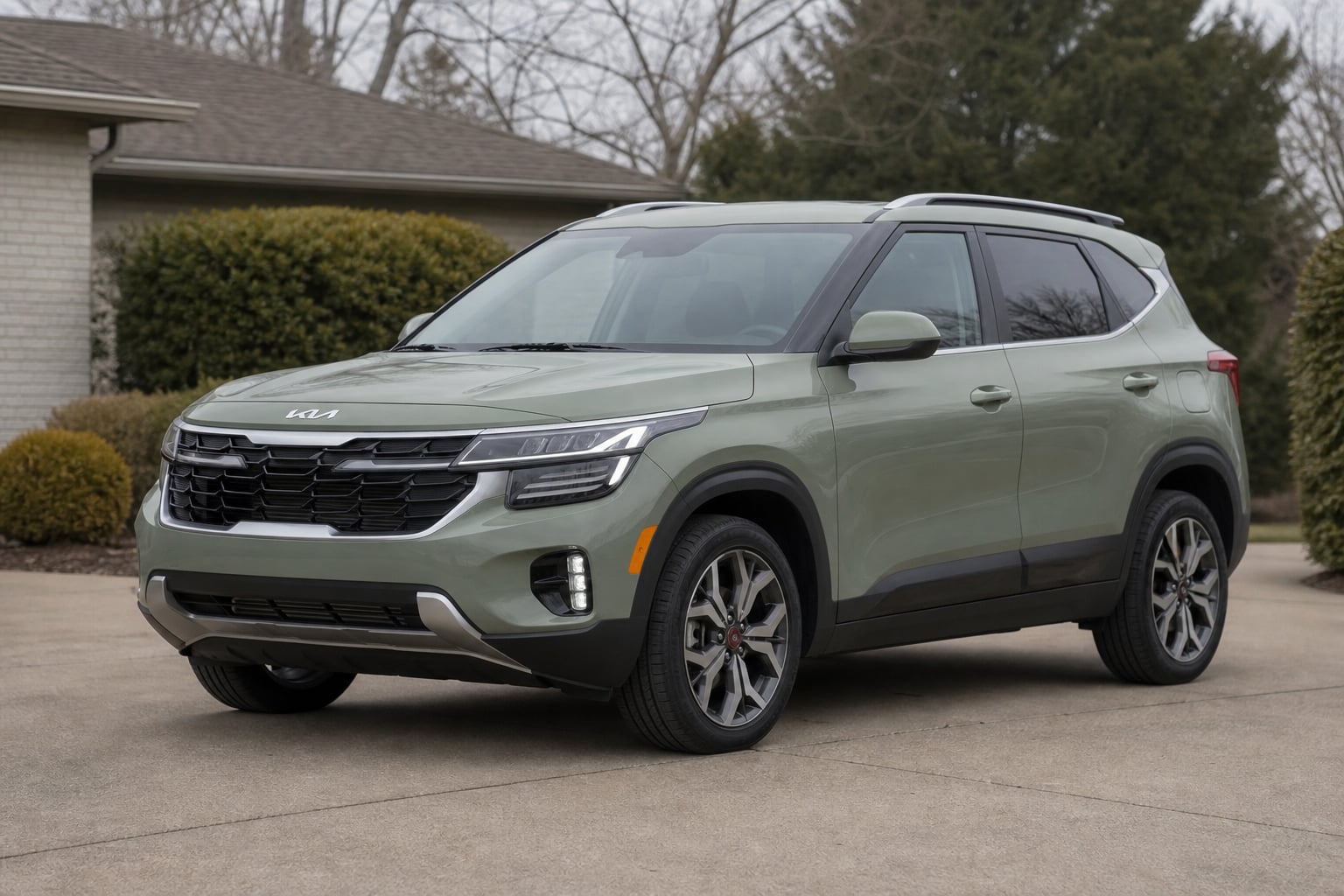
Expected price: ~$30K
Horsepower: 195 hp
Fuel efficiency: 35 mpg
Wait-Worthiness Score: 64.0
Monthly searches: 22,200
The 2027 Seltos rounds out the top five upcoming cars under $50K. The redesigned version will add 49 horsepower over the outgoing Seltos, which is one of the largest power jumps of any gas-powered car in the study.
Beyond that, the model is also getting a first-ever hybrid option and a larger body. And at around $30K, it will offer 35 mpg in a segment where rivals often deliver closer to 29 mpg.
What the data says about waiting to buy
Our take:
What we’re heading into is an unusual period in the auto industry. Gas cars are getting serious hybrid upgrades: the Corolla, Elantra, and Seltos are all improving their fuel economy with big jumps. At the same time, more and more EVs are arriving at an affordable price under $30K. A buyer shopping in late 2026 or 2027 is going to have genuinely better options at the same price than someone buying today. So the wait is really worth it.
The pattern is clear across the top 10: hybrid sedans are closing in on 50 mpg, affordable EVs are pushing past 250 miles of range, and compact trucks are about to get their first all-electric options under $30K.
Full top 10 rankings
The remaining models in the top 10 show how the affordable market is splitting between serious hybrid upgrades and new entry-level EVs:
Hyundai Elantra (next-gen) — Score: 63. Expected at around $26K with 150 hp and 50 mpg, the redesigned Elantra follows the same playbook as the Corolla: better efficiency without a higher sticker price. Monthly search interest sits at 5,640. See Hyundai Elantra years to avoid for how the current model has held up.
Mazda CX-5 Hybrid (2027) — Score: 55. Mazda’s first hybrid CX-5 is expected near $35K, with 190 hp and 38 mpg. It draws the highest search volume outside the Slate Truck at 80,440 monthly lookups, even though its Wait-Worthiness Score lands mid-table. Browse Mazda CX-5 years to avoid for context on the outgoing generation.
Slate Truck — Score: 54. The Slate is the study’s most-searched model at 201,510 monthly lookups, reflecting intense interest in a sub-$25K EV pickup. Starting at $24,950 with 201 hp and 150 miles of range, it targets buyers who want electric utility at the lowest possible price.
Kia EV3 — Score: 52. Kia’s compact EV is expected at $35K with 201 hp and 260 miles of range. With 40,520 monthly searches, it sits in the same anticipation tier as the Rivian R3 — though the R3 scores higher on performance per dollar.
Mazda MX-5 (next-gen) — Score: 44. The next Miata is projected at $32K with 184 hp and 30 mpg. Enthusiasts are watching it closely (20,980 monthly searches), but it ranks last in the top 10 because the performance and efficiency gains are smaller relative to today’s Miata.
| Vehicle | Expected Price ($) | Horsepower | Efficiency (EV mi / MPG) | Monthly Searches | Wait-Worthiness Score |
|---|---|---|---|---|---|
| Toyota Corolla (next-gen) | $25,000 | 196 | 50 mpg | 20,190 | 73 |
| Ford EV pickup | $30,000 | 250 | 250 mi | 61,170 | 72 |
| Honda Civic (next-gen) | $28,000 | 200 | 49 mpg | 2,700 | 69 |
| Rivian R3 | $37,000 | 250 | 300 mi | 40,760 | 68 |
| Kia Seltos (2027 redesign) | $30,000 | 195 | 35 mpg | 22,200 | 64 |
| Hyundai Elantra (next-gen) | $26,000 | 150 | 50 mpg | 5,640 | 63 |
| Mazda CX-5 Hybrid (2027) | $35,000 | 190 | 38 mpg | 80,440 | 55 |
| Slate Truck | $24,950 | 201 | 150 mi | 201,510 | 54 |
| Kia EV3 | $35,000 | 201 | 260 mi | 40,520 | 52 |
| Mazda MX-5 (next-gen) | $32,000 | 184 | 30 mpg | 20,980 | 44 |
Methodology
In July 2026, we ranked upcoming vehicles priced under $50K that are not yet available to buy or order in the US. We identified models announced or widely reported for the American market, then gathered expected starting prices, horsepower, efficiency figures, and 0–60 mph estimates from manufacturer disclosures, industry reporting, and analyst forecasts.
Each vehicle was scored on capability (horsepower and acceleration) and starting price. We also evaluated how much better the upcoming car is than its main competitor currently on sale, as well as the new features each model brings. These factors were combined to create a Wait-Worthiness Score. For additional context, we included monthly search interest and media mentions of each model.
Expected prices and specifications reflect pre-launch estimates and may change when vehicles reach showrooms. Figures should be read as informed projections rather than confirmed production specs.
When using this data, please credit https://rerev.com/.