

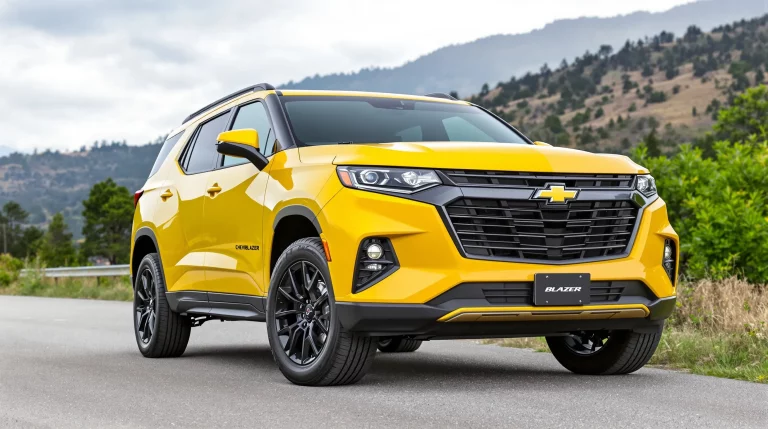
How we rated the best and worst Chevy Blazer years
We didn’t just pull these recommendations out of thin air. Our team spent hours combing through NHTSA complaint databases, studying recall campaigns from 2019 through 2022, and reading real owner experiences on platforms like CarComplaints.com, Cars.com, and Edmunds. We also checked out GM’s Technical Service Bulletins to see what mechanics were dealing with in the shop, and we looked at long-term reliability data for competing SUVs like the Passport, Murano, and Venza.
What we found was pretty clear: the first couple of years had the most issues, while later models showed real improvement. We focused on problems that actually matter—things that affect safety, cost serious money to fix, or just make daily driving a pain. We cross-referenced complaints with recall data, repair costs, and how often these issues popped up across different model years. The result? A straightforward picture of which Blazers you should steer clear of and which ones are solid bets.
Shopping for a used Chevrolet?
 Ask a Mechanic about your Chevrolet →
REREV may earn a commission if you sign up through this link. Learn more.
Most Common Chevy Blazer Problems
Before we get into specific years, let’s talk about what’s been going wrong. Not every Blazer has every problem, but these issues pop up often enough that you need to know about them.
1. Electronics That Act Up
The most talked-about gremlin is the “Shift to Park” error. Your Blazer won’t recognize it’s in Park, so you can’t turn it off or lock the doors. Imagine sitting in a parking garage, trying to leave for a meeting, and your SUV just won’t cooperate. Some owners also get random warning lights for systems that are working fine, or the instrument cluster goes black while they’re driving—which means no speedometer, no fuel gauge, nothing. These aren’t just annoying glitches; they can affect safety features and leave you stranded.
2. Transmission and Engine Headaches
The 9-speed automatic transmission in the Blazer sometimes shifts like it’s learning on the job—rough, jerky, or hesitating when you need power. A few drivers reported sudden acceleration or the transmission hunting for the right gear. On the engine side, there’ve been cases of overheating, unexpected power loss, and even the engine revving at idle like it’s ready to race. GM issued a recall for missing bolts in the transmission’s Start/Stop accumulator, which could leak fluid and create a fire risk. That’s not something you want to discover the hard way.
3. Steering That Gets Scary
Several Blazer owners have seen a “Reduced Steering Assist” message pop up, and suddenly the steering wheel feels heavy. Power steering is kind of important, so when it cuts out or acts unpredictably, it becomes a real safety concern. One 2019 owner reported the error multiple times with no permanent fix from the dealer. This problem often shows up alongside electrical issues, which suggests the systems might be connected.
4. Brakes and Suspension Noise
Brake complaints include grinding, squealing, and soft pedals—especially in 2020 and 2021 models. Some owners found their brake pads and rotors wearing out way too fast. On the suspension side, early Blazers developed clunks and creaks from the front or rear. GM acknowledged a rear suspension squeak caused by a jounce bumper pin and released a service bulletin to fix it. Another thing: the optional 21-inch tires wear unevenly and quickly, which hints at alignment or suspension tuning issues that Chevy didn’t quite nail down at first.
5. Air Conditioning Fails
This one’s less common but still worth mentioning. A handful of owners—mostly with 2019 models—had their A/C fail repeatedly. One person spent over $6,000 in a single year dealing with air conditioning and other defects. When it’s 95 degrees outside and your crossover’s blowing hot air, that’s not just uncomfortable—it’s a deal-breaker. Later years seem to have this sorted, but it’s a red flag for early models.
Worst Chevy Blazer Years to avoid
If you’re shopping used, the 2019 and 2020 Blazers are the ones to avoid. These first two years had the highest complaint counts, multiple recalls, and the most expensive repair bills.
2019: The Rocky Launch
The 2019 Blazer was the debut year, and it shows. Owners reported the Shift-to-Park bug, A/C breakdowns, power steering failures, and all kinds of electrical weirdness. GM issued two safety recalls, including one for missing transmission bolts that could cause oil leaks and fires (NHTSA Campaign #20V668000). NHTSA logged 178 complaints for this year alone, covering everything from engine stalls to instrument cluster failures. One frustrated owner summed it up: “AC has gone out twice, electrical work faulty, engine issues… I will never recommend this vehicle to anyone.” When you’re looking at potential repair costs in the $2,000–$5,000 range just to deal with factory defects, it’s easier to walk away.
2020: Not Much Better
The 2020 model didn’t fix the 2019’s problems—it repeated them. Owners kept reporting the Shift-to-Park error, harsh transmission shifts, and unintended acceleration. NHTSA complaints actually increased in some categories compared to 2019, which is the opposite of what you want to see. GM recalled 194,000 vehicles (including the 2020 Blazer) for the same transmission oil leak issue. There was also a recall for faulty tire bead seating on Continental tires that could cause rapid air loss. By the time these SUVs hit 40,000 miles, some owners were dealing with serious, repeat visits to the dealer. Unless you find a 2020 with an immaculate service history and a price that reflects the risk, it’s smarter to pass.
2021: Starting to Turn the Corner
The 2021 Blazer represents a turning point. Complaints dropped noticeably, and most of the early electrical bugs were ironed out. GM improved the design to reduce the Shift-to-Park incidents, and owners reported far fewer transmission issues. There was one recall for incorrect seat-belt fastener bolts, but once that was addressed at no cost, the 2021 has been solid. If you’re shopping for a used Blazer, 2021 is where things start looking acceptable—but you’ll still want to verify that any recalls are complete and ask about software updates.
Best Chevy Blazer Years to Buy
Assuming you’re set on a Chevy Blazer, aim for 2021 or 2022. These are the years that finally delivered on the promise of a stylish, reliable crossover.
2021: Improved and More Dependable
By year three, Chevrolet had worked out most of the kinks. The electrical gremlins quieted down, the transmission shifted smoother, and the steering system behaved. Other than the seat-belt recall (which dealers fixed quickly), there were no major systemic problems. Owner feedback has been mostly positive, with many drivers saying their 2021 Blazers have been trouble-free. If you’re buying used, a 2021 with full service records is a smart choice—you get the updated tech and styling without the early-year drama.
2022: The Cleanest Slate Yet
The 2022 Blazer has the best reliability track record so far. As of now, there are no safety recalls reported, NHTSA complaint numbers are low, and the infotainment and A/C systems have proven stable. GM made minor feature updates while keeping the mechanical improvements from 2021. If you can find a 2022 at a reasonable price, that’s your best bet. The 2023 models are also solid—they’re nearly identical to the 2022 in design and haven’t shown any new red flags. Plus, any issues that do come up would likely still be covered under the original warranty.
What to Look for When Buying
If you’re serious about a Blazer, here’s what to prioritize:
- Full service history from a Chevy dealer
- Confirm all recalls are complete, especially the transmission and seat-belt fixes
- Ask about software updates, particularly for the steering module
- Check for uneven tire wear if it has the 21-inch wheels
- Consider an extended warranty covering the electronics and transmission—just in case
The 2022 is your safest choice overall, but a well-maintained 2021 with a clean history can also work if the price is right.
Better Options That Won’t Give You as Many Headaches
Look, we get it—the Blazer has style. But if you’re prioritizing reliability over looks, there are a few midsize SUVs that deliver similar features without the early-year headaches.
Honda Passport (2020–2022)
The Passport is a solid alternative. It uses Honda’s proven 3.5L V6, has a spacious interior, and doesn’t have the long list of electronic issues that plagued the early Blazers. The 2019 Passport had a couple of recalls (fuel pump, brake software), but by 2020 those were sorted out. A 2020 or 2021 Passport gives you standard safety features, better long-term reliability, and strong resale value. If you want a worry-free midsize SUV, this is one of the top picks.
Nissan Murano (2018–2022)
The Murano might not be as flashy as the Blazer, but it’s comfortable and dependable. Consumer Reports gave the 2019 Murano a 4 out of 5 for reliability, and the CVT transmission—often a weak point in Nissans—has been refined over the years. Stick with 2018 or newer models for updated safety tech and fewer complaints. Owners who keep up with CVT fluid changes report crossing 100,000 miles with nothing but routine maintenance. If a plush, quiet ride is more your thing than sporty handling, the Murano fits the bill.
Toyota Venza (2021–2023)
The Venza came back in 2021 as a hybrid-only crossover, and it’s been a reliability star. Built on the RAV4 platform and using Toyota’s proven hybrid system, the Venza delivers excellent fuel economy and rock-solid dependability. Toyota’s hybrids routinely hit 200,000+ miles without major issues. All 2021–2023 models are recommended—there haven’t been any significant trouble spots. Toyota did recall early 2021 models for a wiring harness prone to corrosion, but 2022 and later were unaffected. If you want hassle-free ownership and don’t need serious towing power, the Venza is hard to beat.
Each of these alternatives gives you a midsize two-row SUV with modern features and fewer reliability red flags. If you’re open to slightly different sizes, the Toyota 4Runner offers bulletproof truck-based reliability, and the Mazda CX-5 or CX-50 provide a more upscale feel in a compact package.
Final Takeaways
Here’s the short version: avoid the 2019 and 2020 Chevy Blazers. They had too many systemic problems—especially electronics, transmission, and steering—that led to expensive repairs and frustrated owners. The 2021 model is acceptable if you’re careful, but 2022 and newer are your best bets if you’re set on a Blazer. Make sure any used Blazer you consider has a clean service history, all recalls completed, and ideally a remaining warranty or extended coverage.
If you test drive a Blazer and see any warning lights, hear strange noises, or feel anything weird with the steering or brakes, walk away. Even a great deal on a 2019 isn’t worth the headache if you’re spending thousands on repairs within the first year. On the flip side, a used 2022 Blazer with clean history is a smarter buy than rolling the dice on an early model with chronic issues.
And if reliability is your top priority? Consider the Honda Passport, Nissan Murano, or Toyota Venza instead. They offer similar space and features with stronger track records for quality. Do your homework, check vehicle history reports, and don’t be afraid to bring a mechanic along for a pre-purchase inspection. The Blazer can be a great SUV if you choose the right year—just make sure you’re not buying someone else’s problem.