
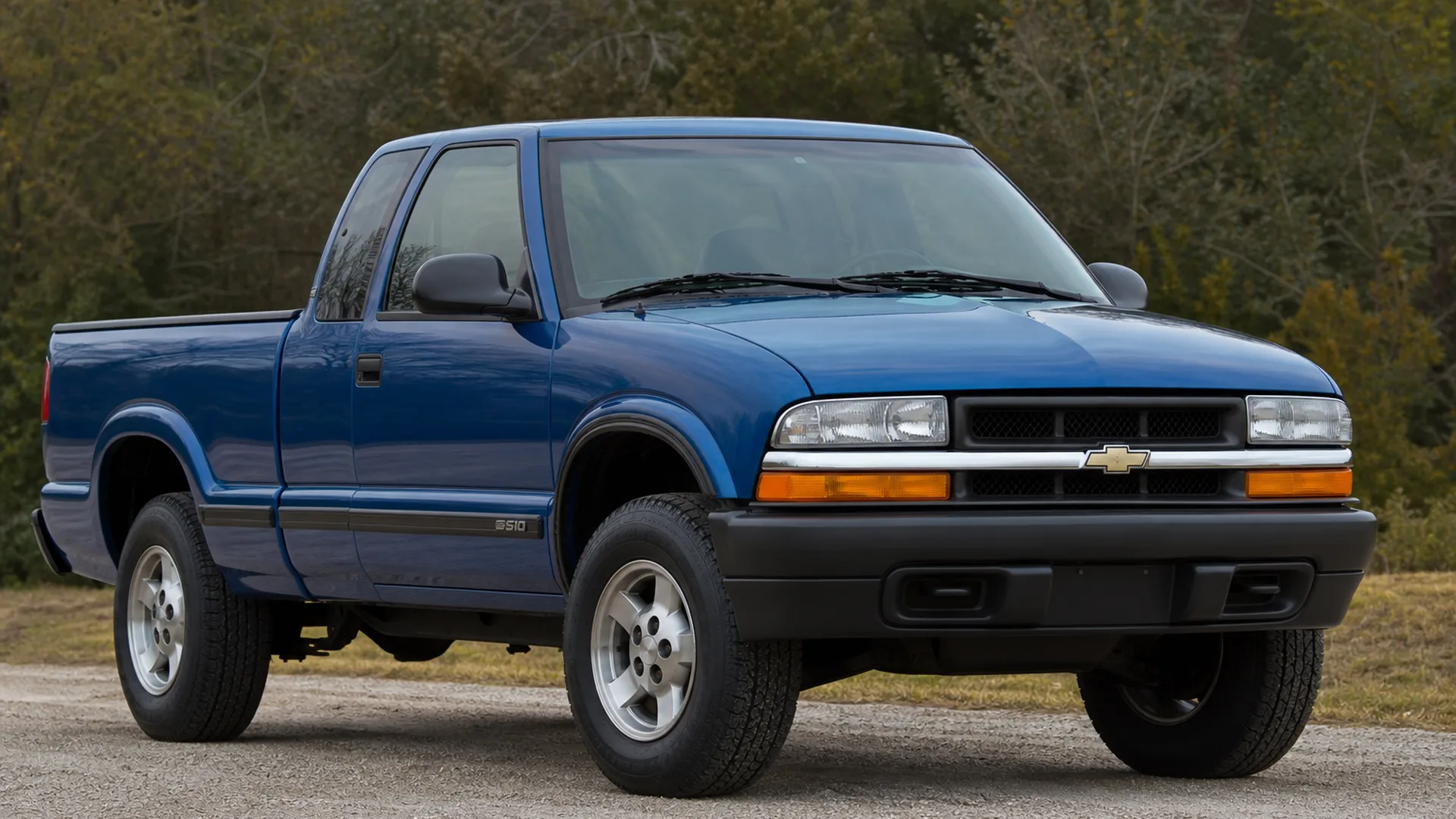
Shopping for a used Chevy S-10? Smart move—these compact pickups earned a loyal following for good reason. From 1982 to 2004, the S-10 delivered practical utility in a nimble package, with off-road trims like the ZR2 turning heads at trail parks. The 4.3L V6 offered real grunt for towing and highway cruising, all while fitting in a parking spot easier than full-size trucks. But here’s the catch: certain model years hide expensive problems that turn bargain buys into money pits. This guide reveals exactly which Chevrolet S-10 years to avoid—and which ones deliver reliable value.
How we rated the best and worst Chevrolet S-10 years
Our team pulled data from multiple angles to give you the full picture. We started with NHTSA complaint databases, tracking failure patterns across all S-10 model years. Owner forums and enthusiast communities provided real-world context—mechanics and long-time S-10 drivers shared which years kept them busy (and which ones just worked).
We cross-referenced recall histories and repair cost averages, then analyzed resale trends to see which years buyers avoid instinctively. For the 1994–2004 second generation especially, we mapped out transmission rebuild rates, electrical fault frequencies, and rust severity by year. First-gen trucks (1982–1993) got reviewed too, though their simpler design means different failure modes. The result? A clear roadmap of which S-10s will likely treat you right—and which ones probably won’t.
Most Common Chevrolet S-10 Problems
1. Engines That Mix Oil and Coolant
The 4.3L V6 powers most S-10s people actually want. It’s a workhorse when healthy, but the intake manifold gasket fails more often than it should. When that gasket goes, coolant seeps into the oil—you’ll see milky sludge on the dipstick and the coolant reservoir dropping mysteriously. Left alone, this leads to overheating and real engine damage. The 2.2L four-cylinder in base 1994–1997 models carries its own curse: blown head gaskets. Compression loss, white exhaust smoke, and overheating follow. Both issues typically show up around 80,000–120,000 miles and run $500–$1,200 to fix properly.
2. Transmissions That Quit Early
Automatic transmission failure dominates S-10 complaint lists, especially for late-90s and early-2000s models. Owners report hard shifting around 60,000 miles, slipping gears by 70,000, and complete failure before 80,000. The 2002 S-10 holds the unfortunate record for highest transmission failure rate of any year. Symptoms start subtle—delayed engagement when shifting to Drive, occasional slips on the highway—then suddenly you’re coasting to a stop with no forward gears. Rebuilds typically cost $1,800–$2,500. Manual transmission S-10s dodge most of these issues, though first-gen models had weak clutch pedal assemblies that could snap.
3. Electrical Gremlins That Leave You Stranded
The S-10’s wiring didn’t age gracefully. Faulty ignition switches cause no-start conditions or random stalling—the 2000 model year caught heat for this. Dashboard gauges flicker or die completely, thanks to corroded connections behind the instrument panel. The windshield wiper problem became legendary: circuit boards inside the motor develop cracked solder joints, leaving you with wipers that work only when they feel like it (GM recalled some ’90s trucks for this exact issue). Power windows stick, door locks freeze, and alternators fail more frequently than they should. Each problem alone is fixable for $150–$400, but they stack up quickly.
4. Front Ends That Wear Out Fast
Chevy built a solid frame under the S-10, but front suspension components wear prematurely. Ball joints go bad around 50,000–70,000 miles, causing clunking over bumps and loose steering feel. Front wheel bearings develop that telltale highway roar even earlier on some trucks. The 1999 model became notorious for ABS failures—the system just quits, leaving you with basic brakes and a glowing dashboard light. Wheel speed sensors corrode, ABS modules die, and fixing it properly runs $600–$1,000. Tie rods, idler arms, and pitman arms all need inspection if you’re looking at a higher-mileage S-10. Worn steering linkage on 2001 models even became a safety concern.
5. Climate Control That Stops Working
The A/C in older S-10s fails predictably. Compressors lock up or leak refrigerant—2002 models had this problem more than most. HVAC vacuum lines crack (especially on 4x4s where transfer case leaks can contaminate the lines), leaving blend doors stuck and airflow going to the wrong vents. The heater core presents a bigger headache: when it leaks, you get sweet coolant smell, foggy windows, and soaked carpets. Replacing it means pulling the entire dashboard—expect $900–$1,500 in labor alone. Even when the climate system works, the controls feel flimsy and wear out over time.
6. Rust That Eats the Frame
If you’re looking at late-90s S-10s in the Rust Belt, bring a flashlight and a screwdriver. These trucks corrode badly—frame rails, brake lines, spring perches, and bed mounts all rot from the inside out. Road salt accelerates the process; by 15–20 years old, many S-10s have structural rust that makes them unsafe or impossible to repair economically. Always crawl underneath and check every inch of the frame. Poke suspicious spots with a screwdriver—solid metal resists, but rust punches through. Surface rust is manageable; holes in the frame rails are not.
7. Safety Tech That Doesn’t Exist
The S-10 predates modern safety standards. No model ever had traction control or stability control. Driver airbags didn’t appear until 1995, meaning first-gen trucks have zero crash protection. The cabin structure is basic—crash tests weren’t good even for late-model S-10s. Interior materials feel cheap and rattle constantly, but that’s more annoyance than danger. Anti-theft systems and keyless entry (when equipped) malfunction with age. You’re buying a simple, old-school truck here—just know what you’re not getting in terms of protection and convenience.
Wors Chevrolet S-10 Years You Should Skip
Based on complaint volume, failure severity, and repair costs, 1999 through 2002 are the Chevrolet S-10 years to avoid at all costs. These trucks share a pattern of expensive, recurring problems that make ownership frustrating and costly.
1999: Transmission failures hit hard this year. Fuel pumps quit without warning, leaving drivers stranded. ABS systems malfunctioned frequently. Rust appeared earlier and spread faster on 1999 models, especially in cold-weather states. One owner put it bluntly: “My 1999 S-10 left me on the side of the road three times in six months—different problems each time.”
2000: Intake manifold gaskets leak coolant into the oil on the V6, causing overheating and potential engine damage. Electrical problems escalate—ignition switches fail, instrument clusters go dark mid-drive, and wiring harnesses corrode. The combination of drivetrain and electrical issues makes 2000 one of the most expensive years to maintain. Budget-conscious buyers should look elsewhere.
2001: This year collected 77 separate owner complaints—the highest of any S-10 model year. Automatic transmissions needed rebuilds at low mileage. Front suspension wore out fast, creating safety concerns about steering control. One mechanic noted: “I saw more 2001 S-10s come in for major repairs than any other year—transmissions, ball joints, you name it.” If you see a 2001 S-10 listed cheap, now you know why.
2002: Often called the worst S-10 year ever built. It inherited every problem from 1999–2001 and added more. Fuel system failures stranded owners. A/C compressors leaked or seized. Rust spread aggressively—frame rails, bed mounts, and brake lines all corroded badly. The 2002 S-10 has terrible resale value because buyers recognize its reputation. Even well-maintained examples carry risk. Avoid.
2003–2004: Chevrolet phased in the Colorado replacement during this period, and some say build quality suffered as attention shifted. These final S-10 years aren’t as catastrophically bad as 1999–2002, but they still show elevated complaint rates. Engine misfires, fuel economy drops, and various electrical problems pop up more often than they should. If you’re considering a 2003 or 2004, verify full service records and budget for potential repairs. Some enthusiasts find decent late-model S-10s, but on average, these years present more risk than the mid-90s sweet spot.
The Years Worth Buying
Not every S-10 is a headache waiting to happen. Certain model years deliver solid performance with manageable maintenance costs.
1988–1993 (especially 1993): The first generation finished strong. Starting in 1988, Chevy equipped S-10s with the proven 4.3L V6—this engine earned its reputation for durability here. A 1993 S-10 with the V6 and regular maintenance will run reliably for years. These trucks are mechanically simple, meaning fewer systems to break and easier repairs when they do. Watch for rust (it’s unavoidable on 30-year-old trucks) and accept the lack of modern safety features—no airbags before 1995. But if you want basic, dependable transportation and can wrench a bit yourself, a clean 1993 is a smart buy.
1994–1998 (peak reliability): This early second-gen period represents the S-10 at its best. Chevy refined the design in 1994—stronger components, better styling, and improved engineering. These years had fewer catastrophic failures across the board. Automatic transmissions held up better (before the late-90s plague years). Electrical systems caused less trouble. The 1998 S-10 particularly stands out—owners call it a “hidden gem,” especially the 4×4 with the Vortec 4.3L V6. That combination delivers power, capability, and reliability right before the 1999–2001 disaster years began. If you want a second-gen S-10, hunt for a 1994–1998 model with the V6. You’ll spend less on repairs and enjoy more miles without drama.
2003–2004 (final refined years): By 2003, Chevrolet had addressed many earlier bugs. These last S-10s feel more polished and rack up fewer complaints than the 1999–2002 batch. The 2004 S-10, being the final year, benefits from all incremental improvements and often gets described as “dependable” for an S-10. They’re not perfect—still check transmission function carefully, inspect for rust thoroughly—but they don’t suffer the chronic failures that plagued earlier models. Low-mileage 2003–2004 trucks (sold in smaller numbers) can be decent budget pickups that feel slightly more modern than the ’90s versions.
Stick with these proven years and your odds of a good ownership experience jump dramatically. Still verify maintenance history and inspect carefully—any 20–30 year-old truck needs attention—but starting with a solid year makes all the difference.
Better Compact Trucks to Consider
If the S-10’s problem years scare you off (understandably), several alternatives offer similar utility with stronger reliability records.
Toyota Tacoma (1995–2004 and newer): The Tacoma built a legendary reputation for reliability and holds resale value like nothing else in the segment. First-gen Tacomas competed directly with the S-10 and simply outlast them—200,000+ mile examples are common. Rust affected 2000–2004 Tacoma frames (check if recall work was completed), but otherwise these trucks just run. You’ll pay more upfront for a used Tacoma, but you’ll spend less on repairs and get money back when you sell.
Nissan Frontier (1998–2004, 2005+): Nissan’s compact truck offers rugged construction and strong V6 power without the Tacoma price premium. The 1998–2004 Frontier is simpler but dependable. The 2005-and-newer second-gen Frontier stepped up in size and power—its 4.0L V6 is bulletproof. Frontiers typically cost less than Tacomas on the used market, making them high-value alternatives for buyers who want durability without overpaying.
Ford Ranger (1998–2011): The Ranger competed head-to-head with the S-10 and generally won on reliability. Rangers from the late ’90s through 2011 feature simple, proven engines (the 4.0L V6 is stout) and dependable transmissions. Parts cost less and mechanics know these trucks inside-out. If you want basic, no-frills work-truck capability without S-10 electrical headaches, a Ranger delivers exactly that. (Ford discontinued the Ranger after 2011 and reintroduced it later, but the 1998–2011 era fills the S-10’s niche perfectly.)
Chevrolet Colorado (2004–2012): The Colorado replaced the S-10 with a more modern platform. Early models had quirks (including an unusual inline-5 engine option), but overall the Colorado brings updated safety features, better comfort, and improved reliability. If you like GM trucks, a 2004-or-newer Colorado gives you the S-10’s spiritual successor with modern conveniences—better ABS, standard airbags, and eventually stability control. The late-2000s Colorado/Canyon twins improved significantly. Just research specific Colorado model years (the first few years had some engine recalls), but overall it’s a solid step up from the aging S-10.
What You Need to Know Before Buying
The Chevy S-10 can still serve you well—if you pick the right year and go in prepared. Avoid 1999–2002 models completely unless you enjoy expensive surprises. Be cautious with 2003–2004 trucks; only consider them with documented maintenance history. Focus your search on 1994–1998 models (especially 1998 with the 4.3L V6) or a rust-free 1993 first-gen if you want simplicity.
When you inspect any used S-10, crawl underneath with a flashlight. Check the entire frame for rust—poke suspicious spots with a screwdriver to verify structural integrity. Brake lines, spring mounts, and bed attachment points all rot on these trucks. Surface rust is normal; holes punched through metal mean walk away.
Test the transmission thoroughly on any test drive. Automatics should shift smoothly with no delays, clunking, or slipping. Check the oil dipstick for milky contamination (sign of intake gasket failure) and verify coolant level stays consistent. Listen for roaring wheel bearings at highway speed and feel for steering looseness or clunking over bumps. Test every electrical component—gauges, wipers, windows, locks, lights—because electrical gremlins plague these trucks. Run the A/C and heater at full blast; confirm cold air actually comes out and heat works properly.
Budget $2,000–$3,000 for potential repairs even on “good” years. These are old trucks now, and maintenance items add up: ball joints, wheel bearings, brakes, exhaust, HVAC work. A clean 1998 S-10 with the V6 and rust-free frame will likely cost you less over five years than a “cheap” 2002 model hiding transmission and rust issues. Buy right the first time.
If the prospect of 20-year-old truck problems sounds like more than you want to handle, the alternatives above—from the ultra-reliable Tacoma to the value-packed Ranger—deliver similar compact truck utility with fewer headaches. Research specific model years for those trucks too (every vehicle has quirks), but their track records beat the S-10’s troubled years handily. Whatever you choose, the homework you’re doing right now will pay off in thousands of dollars saved and miles of trouble-free driving. Pick carefully, inspect thoroughly, and you’ll find a truck that serves you well for years ahead.