Best and worst Mercedes GLK years (which to avoid)
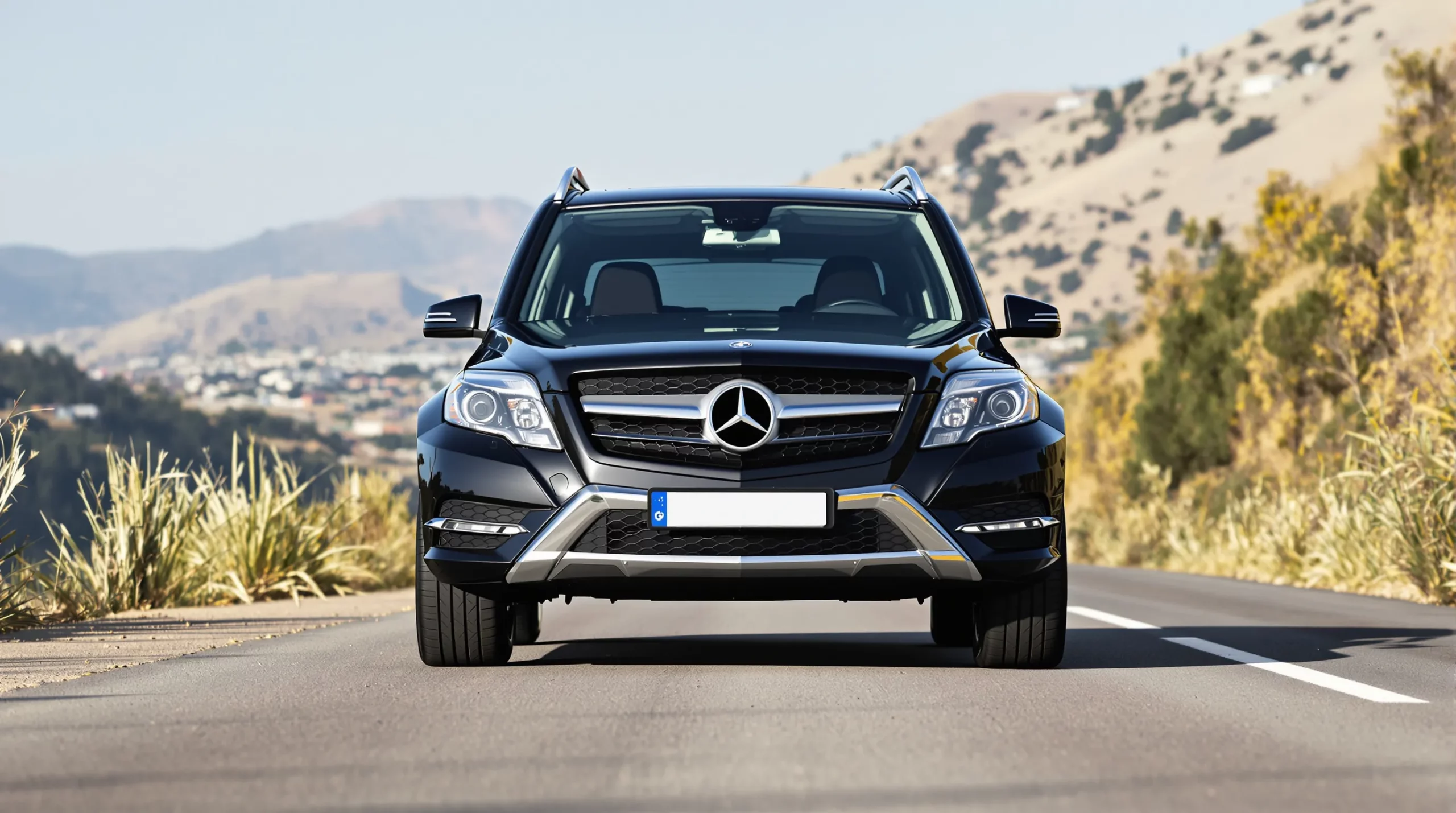

Shopping for a used Mercedes GLK? You’re looking at a compact luxury SUV that turned heads from 2010 to 2015 with its boxy, rugged styling and that signature Mercedes feel. The GLK came with either a punchy 3.5L V6 (GLK350) or a fuel-sipping 2.1L turbo-diesel (GLK250 BlueTEC), both available with 4MATIC all-wheel drive. On paper, it sounds like a solid pick—and many Mercedes GLKs are.
But here’s the catch: certain model years come loaded with transmission headaches, expensive emission system failures, and electronics that seem to have a mind of their own. Repairs can easily hit $3,000 for transmission work, climb past $4,000 for diesel emission fixes, and sneak up on you with $1,000+ sunroof repairs. This guide breaks down which Mercedes GLK years you should steer clear of, the safest bets if you’re set on buying one, and how it stacks up against competitors like the BMW X3 and Lexus RX.
How We Researched This Guide
We pulled data from the NHTSA complaint database, which shows 2010–2012 Mercedes GLKs leading the pack in reported issues. Mercedes-Benz technical service bulletins and recall records gave us the manufacturer’s side of the story—covering everything from airbag recalls to fuel pump flange fixes and that infamous emissions lawsuit. J.D. Power reliability scores and Consumer Reports ratings helped us see the bigger picture of long-term ownership costs.
Beyond the official numbers, we spent time combing through owner forums on MBWorld, BenzWorld, and Reddit’s Mercedes community. Real owners shared their repair bills, frustrations, and occasional love letters to their GLKs. Edmunds and KBB owner reviews added another layer of insight, while mechanic feedback from RepairPal and independent Mercedes specialists helped us understand what actually goes wrong under the hood.
We paid special attention to comparing the GLK250 BlueTEC diesel against the GLK350 gas model, since the diesel’s complexity introduces a whole separate set of potential problems. Finally, we tracked how recalls impacted ownership—from the Takata airbag nightmare to AdBlue sensor failures to fuel odor issues—and cross-referenced everything against alternatives like the Audi Q5 and Lexus RX to give you context.
Common Problems That Plague the Mercedes GLK
1. Engine Trouble Spots
The GLK350’s 3.5L V6 has a decent reputation, but early models between 2010 and 2012 had some rough patches—literally. Owners reported rough idling, unexpected stalling, and in a few nightmare scenarios, complete engine failure. Camshaft adjusters and timing chain components wore out prematurely, causing a rattling noise and poor performance that required expensive repairs. One 2012 owner even suffered a thrown connecting rod that punched straight through the engine block, requiring a full engine replacement.
The diesel GLK250 BlueTEC (2013–2015) brings its own set of concerns. Twin turbos and high-pressure fuel systems sound impressive until the turbochargers start acting up. Some diesel owners noticed a sudden loss of power or black smoke puffing out during acceleration, pointing to turbo or EGR system malfunctions. Engine repairs range from around $1,000 for minor sensor replacements to over $4,000 when major components fail.
2. Transmission Failures
The 7-speed 7G-Tronic automatic transmission shows up repeatedly in owner complaints across multiple Mercedes GLK years. You’ll notice hard shifts, hesitation when accelerating, or a shuddering feeling that gets worse over time. Sometimes the transmission just refuses to engage gears properly. The torque converter often takes the blame—especially in 2012 models—causing vibrations and slipping that make the car feel unstable. In worse cases, the electronic transmission control module or valve body needs replacement.
Ignoring these symptoms can lead to complete transmission failure, and you’re looking at repair bills exceeding $3,000. A full transmission rebuild costs what one owner called “astronomical.” Regular transmission fluid changes around 60,000 miles and keeping up with software updates can help, but once problems start, they tend to snowball.
3. Electronics Gone Wild
Pack a car full of sensors and electronic modules, and you’re asking for trouble—at least that’s what many Mercedes GLK owners discovered. Check engine lights appear seemingly at random, triggered by failing O2 sensors or mass airflow sensors. The blind spot monitoring system’s radar sensors corrode from water intrusion and stop working. Central locking systems act up, ignition switches (specifically the electronic steering lock) malfunction, and power seat adjustment motors give out.
Early 2009–2010 models occasionally experienced total electrical system failures or infotainment screens that froze or went dark. Diagnosing these gremlins usually requires specialized Mercedes scan tools and a technician who knows the system inside out. A basic sensor replacement might cost a few hundred bucks, but an electronic steering lock or control unit can run $1,000 or more.
4. Diesel Emission System Nightmares
If you’re considering a GLK250 BlueTEC, brace yourself for potential emission system drama. Many diesel owners dealt with repeated “AdBlue” (diesel exhaust fluid) injection faults. The dashboard would light up with a warning that you have 10–16 starts remaining before the car refuses to run—a countdown nobody wants to see. Failing NOx sensors, crystallized DEF injectors, or a bad DEF pump usually cause these problems.
One owner reported a $3,600 repair bill just to replace failed AdBlue sensors at around 75,000 miles. The diesel particulate filter (DPF) also clogs frequently if you don’t drive on highways regularly. Short trips don’t generate enough heat for the DPF to regenerate properly, leading to warning lights and potential “limp mode” where power drops dramatically. Mercedes extended the emissions warranty after a class-action lawsuit, and all 2013–2015 GLK250 BlueTEC models were recalled as part of a 250,000-vehicle emissions cheating scandal. The recall fix is free and includes an extended warranty on SCR system parts, which helps—but you’re still dealing with a complex system that demands attention.
5. Other Recurring Headaches
Warped brake rotors plague many GLK350 models, causing steering wheel vibration that can show up as early as 10,000–15,000 miles. Mercedes updated brake components, but the SUV’s weight still causes rotors to warp when brakes overheat. Replacing rotors and pads runs $500–$800.
Fuel system issues hit 2010–2011 GLK350s particularly hard. Some owners noticed a strong gas smell when filling the tank, caused by hairline cracks in the fuel pump filter flange (especially in hot climates). Mercedes recalled 2011–2012 models for this, but 2010s often needed out-of-pocket repairs around $1,000.
Air conditioning failures—warm air blowing instead of cold—popped up frequently in 2011 models due to failed compressors or refrigerant leaks. Some Mercedes GLKs developed moldy, mildew-type odors when the A/C evaporator drain clogged. The panoramic sunroof created drama too: a few 2013 owners experienced spontaneous sunroof shattering (usually covered under warranty), and clogged sunroof drains caused water leaks that damaged interior electronics. Paint quality issues like clear coat peeling or bubbling affected some 2012–2014 models—not a mechanical problem, but expensive to fix if your warranty has expired.
Mercedes GLK Years You Should Avoid
2010 GLK350 – The Troubled Debut
First-year models often have bugs, and the 2010 GLK350 proves that rule. This year racked up the highest number of owner complaints in the entire Mercedes GLK lineup. Fuel leaks from the flawed pump flange created a persistent gas smell and a legitimate safety hazard. Warped brake rotors showed up early and often. Then there’s the massive Takata airbag recall—2010 GLKs used Takata airbags that could explode or send metal shrapnel flying during deployment. Many 2010 owners waited months or even years for replacement parts.
Between the fuel issues, brake problems, and airbag dangers, the 2010 Mercedes GLK earned its spot on the “avoid” list. If you’re considering one despite these warnings, make absolutely certain all recall work has been completed and inspect carefully for any fuel odor.
2012 GLK350 – Powertrain Problems
The 2012 model year sits firmly in second place for total problem reports. It faced the same Takata airbag recall as the 2010, with parts shortages stretching the fix timeline. More concerning are the powertrain failures: torque converter issues caused shuddering and hesitation, and at least one owner experienced catastrophic engine failure when a connecting rod broke through the engine block. Paint quality complaints (peeling clear coat) add insult to injury.
Some experts consider 2012 a “sweet spot” for early Mercedes GLKs, but the data tells a different story. Unless you find a 2012 with complete service records and verified recall completion, look at 2011 or jump ahead to 2013 and later.
2013 GLK350 – Airbags and Brakes
Mercedes refreshed the GLK for 2013, adding a direct-injection V6 and updated tech. Sounds promising, right? Unfortunately, 2013 introduced new problems. Beyond the Takata recall, 2013 models had additional airbag issues—some failed to deploy in crashes while others deployed randomly, accompanied by persistent SRS warning lights. Multiple airbag-related recalls were issued.
Brake complaints continued with warped rotors showing up frequently. The panoramic sunroof sometimes shattered without warning, and at least one owner reported a mysterious whistling noise around 1,500 RPM that dealers couldn’t resolve. While 2013 had fewer total complaints than 2010 or 2012, the severity of these issues earns it a spot on the caution list. Before buying a 2013, verify all recall campaigns are complete and test the brakes and sunroof thoroughly.
2013–2015 GLK250 BlueTEC – Diesel Dilemma
All diesel GLK models deserve extra scrutiny, but the later years are particularly risky. The 2015 GLK250 has the worst repair cost profile in available data, though sample sizes are small. These BlueTEC diesels can run 500+ miles on a tank, which sounds great—until the complex emission system starts acting up.
DEF/AdBlue system failures dominate owner complaints. Faulty sensors and clogged injectors trigger warnings that the car will refuse to start in a certain number of ignition cycles. Fixing an AdBlue tank sensor failure outside warranty can cost $3,000–$4,000. Diesel particulate filter clogging hits owners who don’t drive on highways regularly, causing power loss or forcing the car into “limp mode.”
Mercedes faced a class-action lawsuit over BlueTEC emissions, resulting in a recall of all 2013–2015 GLK250 models to remove illegal defeat devices and update the emissions system. The recall provides a free fix and extended warranty on NOx sensors and catalytic converters. Still, avoid any diesel GLK that hasn’t received the official emissions modification, and budget for potential repair downtime. Unless you absolutely need the diesel’s fuel economy, the GLK350 gasoline models cause fewer headaches.
Other Years That Raise Concerns
The 2009 GLK (sold in some markets before the U.S. launch) had transmission and steering problems, though it wasn’t part of the American lineup until 2010. Some sources flag 2011 GLKs for fuel pump leaks and A/C failures, but overall complaint numbers dropped significantly compared to 2010. Even the generally reliable 2015 GLK350 gasoline model saw a few reports of timing chain rattle or stretch at higher mileage in 2014–2015 direct-injection V6 engines. This wasn’t common enough to call 2015 a bad year, but it’s a reminder to get any used GLK inspected for timing chain noise.
The Best Mercedes GLK Years to Buy
2014 GLK350 – Post-Facelift Reliability
The 2014 GLK350 stands out as one of the most trouble-free models in the lineup. It carries over the 2013 refresh but with many bugs worked out. Airbag issues were resolved, and complaint numbers dropped significantly. Owner ratings back this up—Edmunds users gave it around 4.5 out of 5 stars, and KBB owners rated it 4.6/5. People consistently praise the combination of the powerful 302-hp V6 and rock-solid build quality.
By 2014, any quirks with the direct-injection system had been sorted out. If you’re shopping for a GLK, a 2014 model offers the updated interior and tech from the refresh with proven reliability. Just make sure regular maintenance like oil changes and transmission service was performed on schedule, and you should enjoy years of trouble-free driving.
2015 GLK350 – The Grand Finale
The final year of GLK production often gets called the best of the bunch. Mercedes refined the GLK one last time before replacing it with the GLC in 2016, addressing any remaining weak points. Problem reports dropped to their lowest levels, with multiple reliability analyses ranking 2015 as the top choice. Build quality peaked, and the Takata airbag issues were long gone.
KBB gives the 2015 GLK a stellar 4.6/5 rating, and J.D. Power scored its dependability at 83/100—well above the segment average. Owners talk about the refined ride, quiet cabin, and “vault-like” construction. A 2015 GLK350 with documented maintenance history represents arguably the best GLK you can buy for peace of mind. These models command higher prices in the used market because demand stays strong, but the reliability and newer age often justify paying more.
2011–2012 GLK350 – Budget-Friendly Options
Looking at older GLKs to save money? The 2011 model makes sense. Mercedes had fixed most first-year problems from 2010, resulting in significantly fewer issues. The 2011 added a driver’s knee airbag and improved various components. J.D. Power gave it a solid 79/100 reliability score, and owners frequently describe it as feeling “solid like it’s carved from a single block of steel.”
The 2012 GLK350 also works as a decent choice if you can look past the airbag recall inconvenience. Some experts actually view 2012 as a sweet spot—it offered updated tech and fewer complaints than earlier models. Initial engine issues like camshaft adjusters had been addressed, and 2012 was the last year before direct-injection complexity arrived in 2013. If you’re shopping early-model GLKs, stick with 2011 or 2012 over 2010. Just verify the fuel flange recall was completed (for 2011) and check for any fuel smell. With proper maintenance, many owners report cruising past 100,000 miles with only routine repairs.
What About the GLK250 BlueTEC?
If you specifically want a diesel GLK for fuel economy and torque, find one that’s had the emissions recall completed and comes with documentation of frequent oil changes and diesel exhaust fluid refills. Among diesel years, 2013 might be slightly safer since some owners report fewer AdBlue issues early on, while 2015 saw more sensor failures. All 2013–2015 models now have updated emissions software and hardware under warranty.
A well-maintained GLK250 can be reliable, but even the best diesel GLK demands more preventive care—like occasional highway drives to keep the DPF clear. For most buyers, the gas V6 GLK350s offer a more trouble-free experience long-term.
Better Alternatives Worth Considering
Not sold on the GLK? Several rival compact luxury SUVs offer similar features and often better reliability, depending on which year you choose.
BMW X3 (2011–2017)
The X3 is the GLK’s main German competitor, known for sporty handling and solid dependability in later years. The second-generation X3 shares the GLK’s era, and 2015–2017 models are the most reliable of that bunch. BMW fixed earlier problems—like timing chain failures in 2013–2014 four-cylinder models—by 2015, making the last few years very dependable.
Sources consistently rank 2015, 2016, and 2017 X3s as “best picks,” while warning buyers away from 2013–2014 due to engine troubles. A 2015 or newer X3 with the six-cylinder engine (xDrive35i) or the updated four-cylinder (with the timing chain fix) delivers a reliable luxury SUV experience. Maintenance costs run similar to the Mercedes—RepairPal puts the X3’s annual maintenance in the $750–$900 range, on par with the GLK. If you want agile performance and can handle German car upkeep, a late-model F25 X3 makes a strong alternative.
Audi Q5 (2009–2017)
The Audi Q5 is another popular option. It has a beautiful interior and strong all-wheel-drive performance. The problem is that early 2.0T engines, especially from 2011 and 2012, had serious oil consumption and timing chain tensioner failures. In worst cases, engines had to be rebuilt. Audi improved the design around 2013, and 2015 to 2017 models are much safer choices. If you are considering a Q5 from this era, the supercharged 3.0T V6 is usually more reliable than the early four-cylinder. Still, long-term repair costs can be just as high as the GLK
Lexus RX
If reliability is your top priority, the Lexus RX is the safest bet in this group. It may not feel as sporty as the German SUVs, but it is extremely dependable. Many RX models easily go past 200,000 miles with basic maintenance. Repair costs are generally lower, and major drivetrain failures are far less common. The tradeoff is that it feels softer and less engaging to drive. But if you want peace of mind, the RX is hard to beat
Final Verdict: Is the Mercedes GLK Reliable?
The honest answer is that the Mercedes GLK can be reliable, but only if you choose the right year.
The safest models are the 2014 and 2015 GLK350. By then, Mercedes had worked out most of the early problems. Complaint numbers dropped, build quality improved, and owners report far fewer major mechanical issues. These final years before the GLK was replaced by the GLC represent the most refined versions of the SUV.
The 2011 GLK350 is also a decent budget option. It fixed many of the first-year 2010 issues and does not have the added complexity of the later direct-injection updates. If properly maintained, many 2011 models have passed 100,000 miles without major trouble.
On the other hand, the 2010 GLK350 is the riskiest year due to fuel leaks, brake problems, and the Takata airbag recall complications. The 2012 model had a noticeable number of transmission and powertrain complaints. The 2013 model introduced additional airbag and brake concerns. The diesel GLK250 BlueTEC from 2013 to 2015 can be reliable, but its emissions system is complex and expensive to repair if something fails. Unless you truly need the diesel fuel economy, the gasoline GLK350 is the safer long-term choice.
In real-world ownership, the biggest factor is maintenance history. A well-maintained GLK with service records is always a better buy than a neglected newer model. Transmission service, oil changes, and recall completion matter far more than the badge on the hood.

