
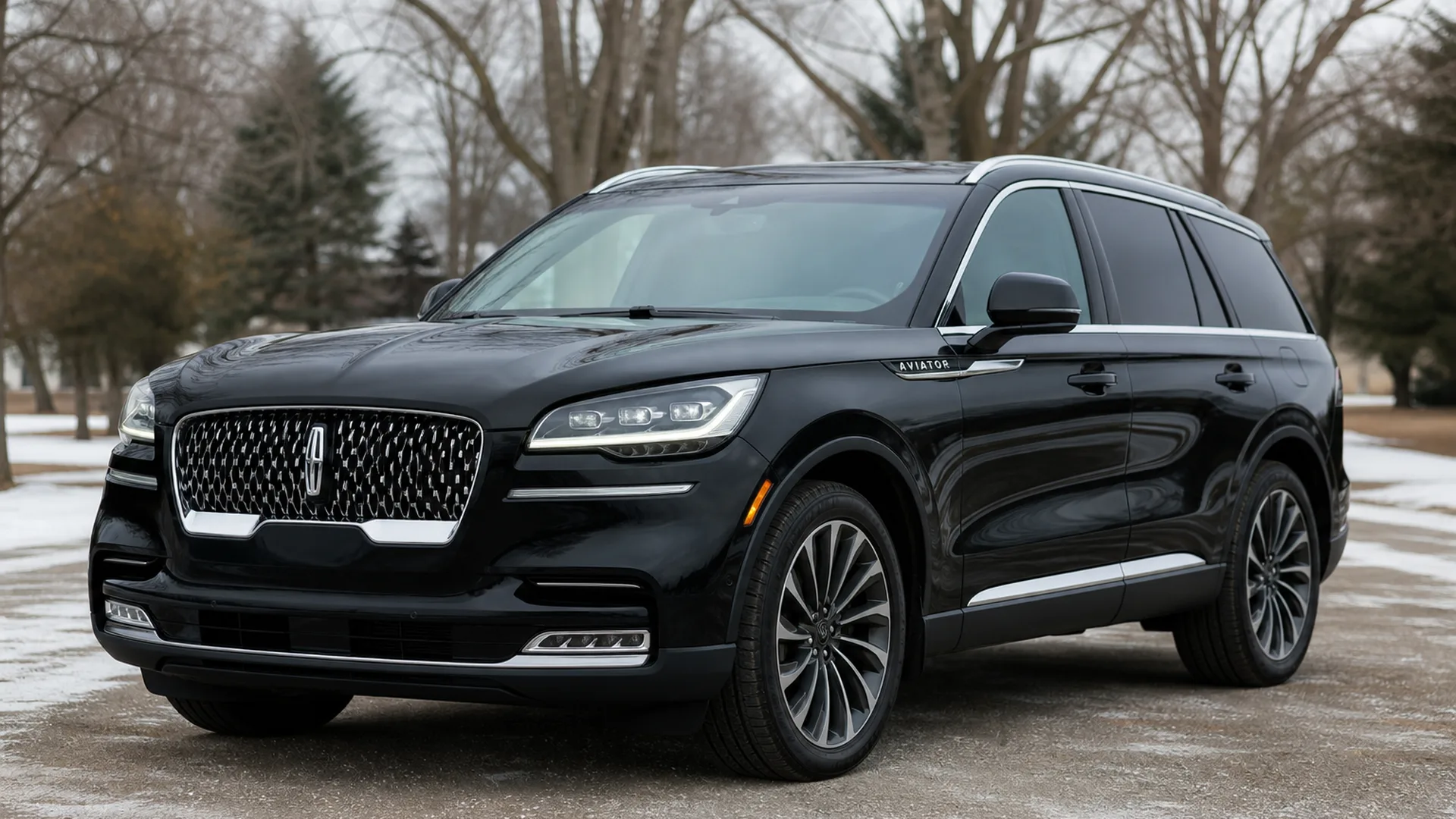
When Lincoln brought back the Aviator nameplate in 2020, it promised a luxurious three-row SUV with twin-turbo power and cutting-edge tech. The original 2003–2005 generation had offered V8 muscle wrapped in premium leather. Both generations looked great on paper—but scratch beneath the surface and you’ll find cracked body panels, transmission headaches, and infotainment systems that threw tantrums at the worst possible moments.
If you’re shopping for a used Aviator, knowing which years to skip can save you thousands in repair bills and countless frustrating dealer visits. This guide walks you through the Lincoln Aviator years to avoid, backed by real owner complaints and official recall data, so you can make a smart buying decision.
How we rated the best and worst Lincoln Aviator years
We pulled data from multiple sources to get the full picture. NHTSA‘s complaint database showed us which years had the most safety-related issues and recalls. CarComplaints gave us raw owner feedback—hundreds of reports about stalling engines, broken shifters, and that infamous cracked rear panel. Consumer Reports and J.D. Power provided professional reliability ratings, while Ford’s own Technical Service Bulletins revealed the fixes engineers quietly rolled out after launch.
We also spent time in owner forums, reading firsthand accounts from people who’ve lived with these SUVs through good times and bad. Some praised their 2005 models for hitting 200,000 miles; others described their 2020 as “the worst car we’ve ever owned” after endless dealer visits. Cross-checking all these sources helped us separate isolated incidents from widespread problems that hit entire model years.
The result? A clear ranking of which Aviators have the most issues—and which are actually safe bets.
The Most Common Lincoln Aviator Problems
1. Engine troubles hit both generations
Early 2004 models sometimes stalled out completely while driving, leaving owners stranded on highways with mechanics scratching their heads. A leaking PCV valve grommet would trigger vacuum leaks and light up the check-engine warning. Water pump impellers corroded and caused overheating. The newer 2020+ models swapped these mechanical gremlins for sensor glitches—faulty readings that turned on warning lights even when nothing was actually broken.
2. Transmission problems define the worst years
The 2003 Aviator earned a reputation for a broken shifter mechanism that could trap you in Park or prevent gear changes entirely. Owners reported paying around $1,000 to fix it, often before hitting 100,000 miles. Ford even recalled some early 2003 builds for a shift cable that misaligned gear indication. The 2004 and 2005 models slipped out of gear unpredictably, hesitated when you needed power, and made unsettling noises. Jump ahead to 2020, and the new 10-speed automatic arrived with harsh shifts and rough downshifts. One plug-in hybrid owner had the entire transmission replaced at 50,000 miles. Multiple recalls addressed driveshafts that weren’t secured properly and could disconnect while driving.
3. Electrical and tech issues plagued the 2020 relaunch
Owners complained most about the infotainment system, radios that suddenly blasted static, Sync 3 touchscreens going blank mid-drive, backup cameras failing completely. These problems typically showed up within the first 15,000 miles. Ford released software updates and issued TSB #SSM49092 in August 2020 to patch some display bugs. Beyond the screen, early 2020 builds threw every electrical warning light imaginable. Faulty window sensors set off alarms randomly. The 360° camera stopped working often enough to trigger a recall. First-generation models had simpler electronics but still saw alternator failures and shift interlock solenoids that prevented shifting out of Park (around $1,200 to repair).
4. Suspension and brake components wore out faster than expected
The 2003 models burned through front lower ball joints prematurely. Rear wheel bearings failed around 90,000 miles, announcing themselves with grinding or rumbling noises from the back. Some 2005 owners reported a terrifying issue where the left rear axle started sliding out while moving—likely related to axle retention clips or differential problems. Brake pads and rotors wore quickly given the Aviator’s weight. A few people mentioned ABS warning lights pointing to bad wheel speed sensors. Ford recalled 2003 models for rear brake hose chafing, an issue shared with the Navigator.
5. Climate control systems broke down in creative ways
Many first-generation owners dealt with a broken dual-zone blend door that made one side blow hot while the other froze you. Fixing it sometimes meant replacing the entire heater box—an expensive proposition. The 2004 Aviator logged AC/heater problems as a top complaint. Refrigerant leaks were common; Ford addressed one leak point at the low-pressure switch with TSB 04-8-5 in 2005. Some 2003–2004 models had intermittent cooling because compressor clutches cycled inconsistently or pressure switches malfunctioned. The 2020 Aviator’s climate hardware was far more modern and these problems mostly disappeared, though a few owners grumbled about the automatic system’s interface quirks when using CarPlay.
6. The cracked rear liftgate panel became legendary
Almost every 2003–2005 Aviator developed a vertical crack in the plastic trim panel below the rear window, right around the Lincoln emblem. This crack appeared on its own—sometimes right after the warranty expired—and was so widespread it sparked multiple class-action lawsuits. Owners felt Ford knew about the design flaw but refused to fix it properly. “Cracked rear panel” topped the complaint list for all three first-generation years. Ford never recalled it. Some people paid to replace the panel, only to watch it crack again later.
A related problem in 2005 was the liftgate glass itself cracking; Ford issued TSB 04-25-5 that year, though details were scarce. Beyond the tailgate, first-gen Aviators showed typical mid-2000s Ford interior wear: peeling paint on radio knobs, loose trim, warped dashboards. The 2020 Aviator had its own body issues—a recall for loose C-pillar trim that could fly off, plus some owners noticed misaligned panels or hoods straight from the factory.
The Years You Should Skip
2003 stands as the absolute worst year
CarComplaints officially ranks it as the most problematic Aviator, citing both complaint volume and repair costs. As a first-year model, it suffered all the classic teething problems. Over 200 owner complaints rolled in, ranging from cosmetic annoyances to dangerous failures. The liftgate crack was everywhere. Shift levers froze because of bad brake switches or broken mechanisms. Check-engine lights came on from PCV vacuum leaks. Engines overheated when water pump impellers corroded. EGR valves clogged in dusty climates and caused stalling.
CarComplaints lists 46 formal complaints for 2003. Ford recalled it for the shift cable issue and released several TSBs to address early problems. Unless you find one with documented proof that critical repairs have been completed—transmission work, cooling system overhaul, replaced rear panel—walk away from 2003 models.
2004 logged even more complaints but with slightly better mechanics.
It actually recorded the highest total complaint count on CarComplaints: 165 issues. The rear panel kept cracking—it’s still the top complaint for that year. Engine problems got more serious. Some 2004 Aviators suffered cylinder head leaks that caused misfires, rough running, fuel odors, and sudden engine shutdowns while driving. Multiple owners described spontaneous highway stalling that mechanics couldn’t diagnose or fix.
That kind of dangerous unpredictability makes 2004 especially risky. The transmission continued its bad behavior with broken shift selectors and slipping gears that made the engine rev unexpectedly. Ford didn’t issue any 2004-specific recalls, but the combination of body defects, engine stalling, and transmission failures makes this year a hard pass. Finding a 2004 with all these issues already fixed—new panel, engine work, rebuilt transmission—is tough.
2005 improved noticeably but still had problems.
Complaints dropped to 91, making it the most reliable of the first generation. The rear hatch still cracked on many examples, proving Ford never fully corrected the design flaw. Drivetrain issues lingered. Broken gear shift mechanisms continued preventing gear changes, suggesting the underlying design weakness wasn’t solved.
One frightening 2005 defect involved the left rear axle coming loose and starting to slide out during driving—rare but serious, possibly tied to axle retention clips or differential failure. While 2005 had fewer engine and transmission complaints than earlier years, its body integrity and drivetrain concerns should make buyers cautious. If you’re set on a first-generation Aviator, 2005 is your best option—but inspect the rear panel thoroughly, test the shifter carefully, and verify the rear axle components are solid.
2020 marked the second generation’s troubled debut.
After years away, the Aviator returned with a bang—and not the good kind. Consumer Reports singled it out for poor reliability, placing it second on their list of luxury SUVs to avoid because of “problems with everything” in early builds. One owner summed up the experience: “Our 2020 Aviator has been the worst car we’ve ever had. We only get to drive it a few months before it goes back to the shop.” Their list of issues included the transmission, rearview camera, window seals, alignment, speakers, tire pressure sensors, airbag sensors, and backup camera. Ford issued over 10 separate recalls for 2020 models covering loose seat-back bolts, faulty cameras, missing brake pads, fuel tank vents, and more.
Many owners made multiple dealer trips for software updates to fix the transmission, 4WD system, and camera failures. The 2020 was a shakeout year for the new platform, which shared components with the equally problematic 2020 Explorer. By late 2020, Ford had released numerous TSBs and updates to patch initial quality bugs. J.D. Power rated the 2020’s quality at only 73 out of 100, below competitors. Not every 2020 is a disaster, but the odds of headaches are much higher than later years. Avoid 2020 unless you find one with comprehensive service records proving all recall campaigns and updates have been completed.
2021 showed improvement but remained inconsistent.
CarComplaints shows almost zero owner complaints for 2021, which looks promising on the surface. Consumer Reports still gave it average or below-average reliability scores, though, because many 2020 components carried over. Ford did fix a lot through recalls and TSBs by mid-2021—the backup camera failure was officially addressed, for instance. Fewer 2021 owners report problems, but some electronic glitches persisted, like occasional blue screens on the 360° camera that needed software updates.
The plug-in hybrid Grand Touring had a recall for battery cable connectors in 2021. While 2021 isn’t nearly as notorious as 2020, Consumer Reports didn’t recommend it due to lingering reliability concerns. If you’re considering one, verify all recalls have been completed—including ones for seat belt anchor torque and engine compartment fire risk in PHEVs.
The Years Worth Buying
2005 is the safe choice for first-generation models.
Ford had worked out most earlier bugs by the final year. Complaints dropped to 91 from the 165 logged in 2004. The engine stalling and misfire issues that plagued earlier years were resolved. The 4.6L V8 with 32 valves proved durable with proper maintenance—many owners report running well past 150,000 miles, some reaching 200,000 or more. The 5-speed transmission improved as well; while a few examples still had shift lever issues, they were far less common. Most 2005 owners praise the SUV’s comfort and V8 power.
The main complaint is still that cosmetic rear panel crack, which almost all examples have but can be fixed with an updated part for around $400. Ford issued no recalls for 2005 and had released several TSBs by then to address HVAC blend doors and transmission calibration. When buying a 2005, check that the rear suspension, drivetrain seals, and cooling system are in good shape given the vehicle’s age. Make sure the rear panel has been repaired or budget for it. Test the transmission thoroughly—any harshness could signal the shift linkage problem. A well-sorted 2005 Aviator offers serious luxury and power at a bargain price.
2022 and 2023 represent the matured second generation.
By 2022, Lincoln had fixed most launch quality issues. Reliability surveys showed significant improvement, and owners reported far fewer problems compared to 2020. The 2022 models were built with factory fixes already in place—all those over-the-air updates and recall repairs from earlier years were baked in from day one. Infotainment glitches became rare. Build quality tightened up. Random electrical problems mostly disappeared. Quality scores climbed noticeably. One Reddit user observed that by 2022–23, the Aviator had become one of the most reliable and recommended models in the luxury midsize SUV class—a remarkable turnaround. Owners of 2022 Aviators report high satisfaction. Most complaints are minor things like mediocre fuel economy or limited third-row space rather than serious defects.
The 2023 model continued this positive trend without introducing major new issues. Predicted reliability remains average overall, but real-world owner data from 2022–2023 is largely positive. If you’re buying new or late-model used, a 2022 or 2023 Aviator is your best bet. You get all the latest technology—360° cameras, phone-as-key features—without the bugs early adopters experienced. Some 2022 models might still have original warranty coverage remaining. Run the VIN to ensure all recalls were completed, including camera and rear sensor trim recalls. Beyond that, complaint volumes dropped significantly for these years. They finally deliver on the Aviator’s promise: refined luxury, high-tech features, and decent reliability.
2021 can work if you’re careful.
The 2021 Aviator improved considerably over 2020 and often comes as a certified pre-owned option with extended warranties. Some reliability analysts ranked 2021 as the most reliable year of the modern Aviator thanks to better quality control and being the second production year. Owner satisfaction ratings are strong for driving experience and interior quality. If you go for a 2021, try to find one built after mid-2020 when factory updates were implemented. Verify the previous owner had no major complaints. Since 2021s are coming off lease now, you can find good deals.
They offer nearly identical features to the 2022 with only minor differences and benefited from early fixes like the new rearview camera module. Reliability-wise, 2021 sits between the troubled 2020 and trouble-free 2022. Many owners have perfectly fine experiences, though a few did encounter issues. A thorough test drive and warranty history check are smart moves. With zero NHTSA safety recalls specific to 2021 (aside from carry-over campaigns from 2020) and very few public complaints, a clean 2021 is a solid choice.
More Reliable Alternatives
If the Aviator’s track record concerns you, several three-row luxury SUVs deliver better dependability.
The Lexus GX 460 is bulletproof.
This body-on-frame, V8-powered SUV consistently ranks at the top of reliability surveys. All GX460 model years from 2010 forward are reliable, but 2013–2019 are especially praised. Even the older GX 470 from 2003–2009 is legendary for lasting forever. The downsides are outdated infotainment and poor gas mileage, but if you want an SUV that hits 200,000+ miles without drama, this is it. A 2018 or 2019 GX 460 gives you modern safety tech with the same proven mechanicals. The 2022 GX was ranked among the most reliable luxury SUVs available. Lexus’s midsize SUVs routinely dominate dependability studies.
The Lexus RX L offers reliable luxury in a smaller package.
From 2018–2022, Lexus offered the RX 350L and 450hL with a small third row. The third row is tight, but an RX delivers exceptional reliability. The RX has topped reliability rankings for years—the 2022 model was named one of the most dependable luxury SUVs. Owners report minimal issues even as mileage climbs. If you need a proper three-row, Lexus just launched the 2024 TX built on the Toyota Highlander/Grand Highlander platform.
It’s too new for reliability data, but given Toyota and Lexus’s track record, it’s likely to be very reliable despite being a first-year model. For a proven option, a lightly used 2019 or 2020 RX 350L gives you luxury, a usable third row for kids, and top-tier dependability. Owners of 2018–2020 RX L models report virtually no major problems beyond routine maintenance. J.D. Power consistently rates the RX around 80–85 out of 100 for quality and reliability, among the best in class.
The Acura MDX prioritizes long-term durability.
This three-row luxury crossover competes directly with the Aviator while delivering consistently strong reliability scores. Maintenance costs run lower than many European SUVs, and MDXs commonly exceed 150,000 miles without