
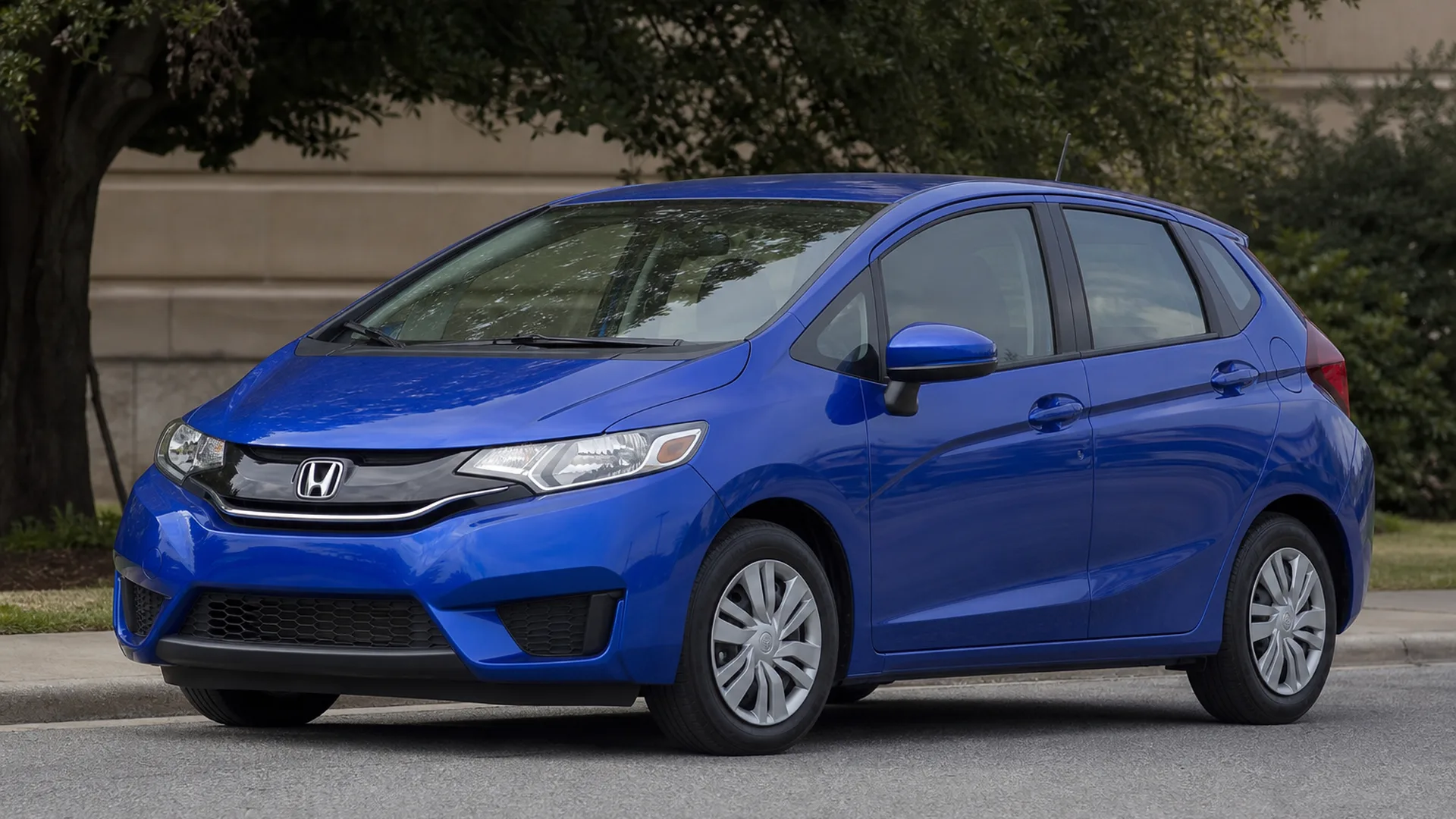
The Honda Fit has earned a solid reputation as one of the most practical and fuel-efficient subcompact hatchbacks ever made. With its clever “Magic Seat” system, impressive cargo space, and Honda’s reliability DNA, it’s easy to see why so many drivers fell in love with this little car. But here’s the thing – not every Honda Fit year delivers the same dependable experience. Some model years came with frustrating problems, expensive recalls, and headaches that could drain your wallet. This guide breaks down exactly which Honda Fit years to avoid and reveals the most reliable options for your next used car purchase.
How we rated the best and worst Honda Fit years
We pulled data from multiple authoritative sources to give you the complete picture. Our research included NHTSA recall databases, Consumer Reports reliability ratings, and RepairPal‘s repair cost analysis. We also combed through thousands of owner complaints on CarComplaints.com and real-world experiences shared on forums like FitFreak and Reddit’s Honda community.
The numbers tell a clear story: while the Honda Fit ranks 4th out of 21 subcompact cars for reliability overall, certain years stand out as problem children. We cross-referenced complaint volumes, recall frequency, and repair costs to identify the years that consistently caused owners the most trouble.
To create an accurate list of Honda Fit years to avoid, we gathered information from several trusted sources. This included looking at NHTSA recall databases to identify safety issues, checking Consumer Reports for reliability ratings, and reviewing RepairPal’s cost analysis for common repair expenses. We also explored thousands of owner complaints on websites like CarComplaints.com and dug into user experiences shared on forums such as FitFreak and Reddit’s Honda Fit community.
By cross-referencing all of this data—recall information, repair costs, and owner feedback—we were able to identify which Honda Fit model years consistently had the most issues. Our findings paint a clear picture of which years are the most troublesome and which ones are the best bets for a reliable used car.
Worst Honda Fit years to avoid
2015: The Most Problematic Year Overall
The 2015 Honda Fit holds the unfortunate record for most owner complaints – a staggering 518 reported problems according to CarComplaints data. This was the debut year for the third-generation model, and Honda clearly rushed it to market.
The biggest issues centered around the new CVT transmission, which needed a software recall to prevent drive pulley shaft damage. Many owners dealt with harsh shifting and hesitation before the fix. Even worse, the 2015 suffered from widespread electrical problems – instrument gauges would flicker or freeze, and starter motors failed early (often around 46,000 miles).
Perhaps most frustrating were the seats. The 2015’s redesigned seats were so uncomfortable that “extremely uncomfortable seats” became the top complaint across all Fit model years. Owners reported back and neck pain on drives longer than 30 minutes.
Honda issued seven separate recalls for the 2015, covering everything from faulty ignition coils to improperly assembled airbag components. If you find a 2015 for a great price, make sure every recall has been completed and consider the potential for ongoing issues.
2007: First-Year Growing Pains
As the Honda Fit’s debut year in North America, 2007 came with typical first-model-year problems. The electronic power steering system was the biggest issue – modules would fail suddenly, causing complete loss of power steering assist. Honda eventually extended the warranty to 10 years for this defect, but repairs still cost around $790 for owners who experienced failures after coverage expired.
Early clutch failures plagued manual transmission models, with some wearing out as early as 40,000-60,000 miles. The 2007 also lacked electronic stability control, which became standard safety equipment in later years. Multiple Takata airbag recalls and a driveshaft corrosion recall affected this year as well.
2009: Second-Generation Launch Issues
The 2009 redesign brought more power and space, but also new problems. Some 2009 Fits experienced a catastrophic engine issue where spark plugs would blow out of the cylinder head due to improper factory torque specifications. This repair could cost over $4,000 when it damaged the cylinder head.
Airbag sensor problems and power steering glitches carried over from the first generation, and Honda had to issue multiple recalls to address these safety concerns. Transmission software quirks caused rough shifting in some early examples.
Other Years to Approach Carefully
2008: Better than 2007 but still suffered from premature clutch failures and paint quality issues that required expensive repairs.
2013: The final second-generation year had notably weak air conditioning performance, especially in hot climates. Some owners reported the A/C system simply couldn’t keep up during summer driving.
2016: While improved over 2015, fuel injector failures were common enough that Honda quietly extended warranties on this component. Road noise and interior rattles were also frequent complaints.
Best Honda Fit years to Buy
2011-2012: The Sweet Spot
Both 2011 and 2012 earned Consumer Reports’ “Best Overall Value” awards in the subcompact class. These years represent the peak of second-generation reliability – Honda had worked out the early bugs while adding essential safety features like vehicle stability control in 2011.
Owners consistently report these Fits running well past 150,000 miles with only routine maintenance. If you want the best balance of affordability and dependability, start your search here.
2017-2019: Modern and Reliable
After sorting out the 2015 launch problems, Honda delivered three exceptionally reliable years. The 2017 earned an 8.6/10 rating from U.S. News, while Edmunds gave the 2019 a good 4.5/5 reliability score.
These years offer modern features like backup cameras and available Honda Sensing safety technology, plus the refined 130-horsepower engine. They’re pricier on the used market but deliver the newest technology with proven reliability.
2008: Best First-Generation Option
If budget is your main concern, a 2008 Fit can be a smart buy. Honda fixed most of the 2007’s major issues by the second model year, and these cars still deliver excellent fuel economy and the practical Magic Seat system. Just inspect carefully for age-related wear items like suspension components and belts.
Most Common Honda Fit Problems
While the Honda Fit is generally known for its reliability, there are a few recurring issues that can affect certain model years. These problems are not limited to one specific year but are worth noting if you’re considering a used Fit. Below are the most common issues reported by owners across different years:
- Transmission Problems
Many Fit owners have reported issues with the transmission, especially in the earlier models. Common problems include rough shifting, hesitation, and, in some cases, failure of the CVT transmission. It’s important to check if the transmission has been serviced or repaired before purchasing a used Fit. - Air Conditioning Issues
The Fit’s A/C system has been known to underperform in certain climates. Some owners have mentioned that the air conditioning struggles to cool the cabin, particularly in hot weather. This issue is more noticeable in older models but can still be found in some later years. - Suspension Wear
The suspension system, including struts and shocks, tends to wear out after 60,000-100,000 miles. This is typical of most vehicles, but if you’re buying a used Fit, make sure to check for any signs of suspension damage or unusual noises, as repairs can be costly. - Fuel Door Mechanism
A few models, particularly from 2009-2014, have experienced issues with the fuel door mechanism. The fuel filler door can become stuck, requiring a dealer fix. If you find a Fit with this issue, it’s important to get it addressed before purchase.
Resale Values and Market Reality
Honda Fits hold their value remarkably well, especially newer models. A 2018 Fit averages about $18,500 on the used market – roughly 35% above typical depreciation curves due to limited supply and strong demand.
The 2017-2020 models command premium prices ($12,000-$20,000 depending on mileage), while older Fits can often be found under $10,000. This makes first and second-generation models attractive for budget-conscious buyers who don’t need the latest technology.
Final Recommendations
- Avoid completely: 2007, 2009, and especially 2015
- Use caution: 2008, 2013, and 2016
- Best bets: 2011-2012 for value, 2017-2019 for modern features
- Budget pick: 2008 (if thoroughly inspected)
If you’re considering a Honda Fit, but are unsure about these years, you might want to check out similar subcompact cars that are known for their reliability. For example, the Toyota Yaris and Mazda 2 are great alternatives that offer solid fuel economy and dependable performance. Both have a reputation for fewer major issues over the years, especially in the 2012-2019 models.
If you prefer an SUV, consider looking at the Honda HR-V or Toyota C-HR—both are compact SUVs with great reliability, ample space, and similar fuel efficiency.
Shopping Honda hybrids instead? Check our Honda Insight years to avoid and Honda CR-Z years to avoid guides.