
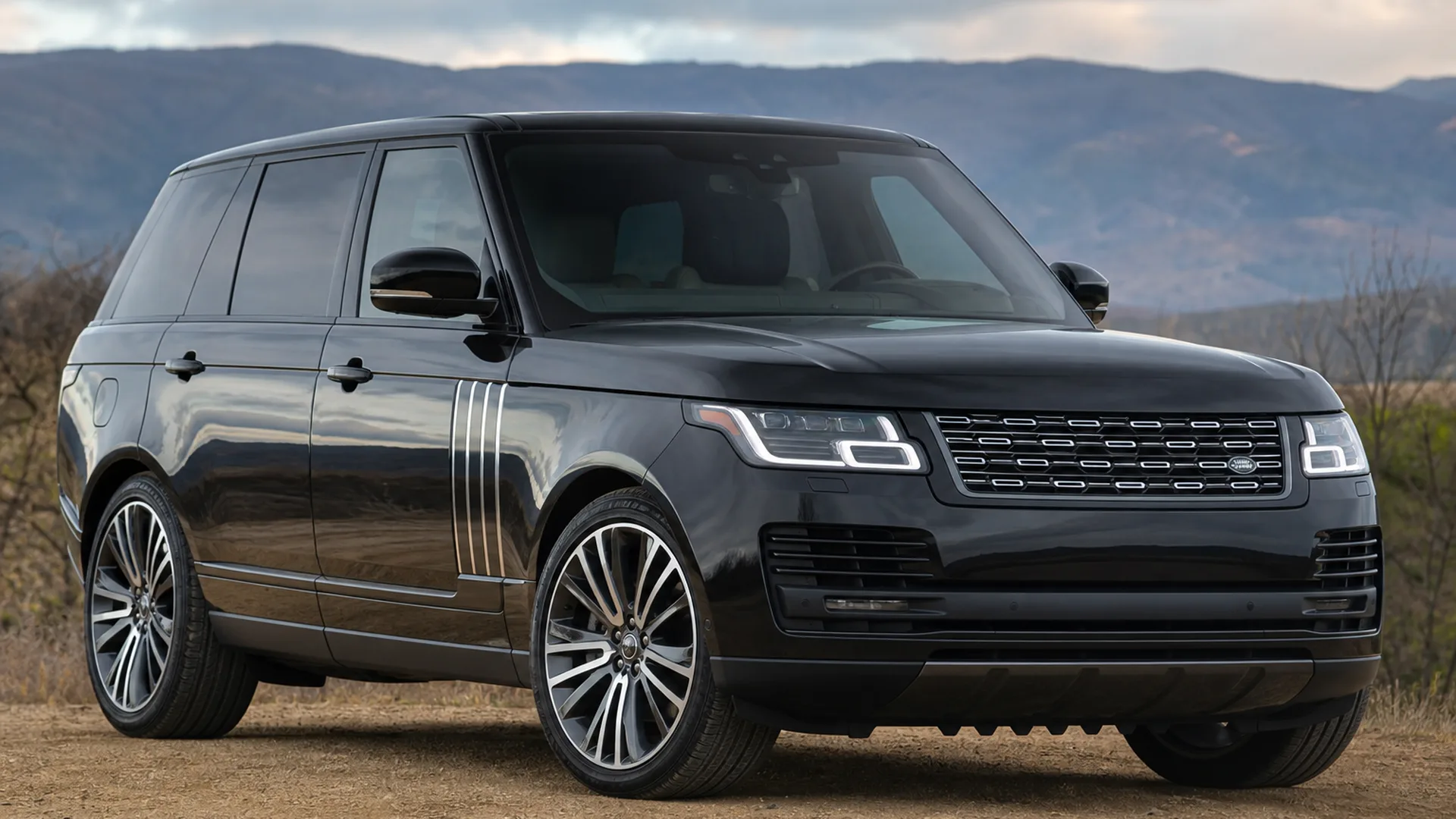
The Range Rover sits at the top of the luxury SUV world—British refinement meets serious off-road chops, wrapped in a package that turns heads at the country club and conquers mountain trails with equal confidence. If you’re drawn to that iconic silhouette and plush leather cabin, you’re not alone.
But here’s what the brochures don’t tell you: Range Rovers carry one of the worst reliability reputations in the automotive world. We’re talking annual repair bills that average $1,200–$1,800 (RepairPal gives them a 2.0 out of 5.0 reliability rating), chronic electrical headaches, and suspension systems that seem to break down right after the warranty expires. This guide walks you through the Range Rover years you should skip entirely, the specific problems that make certain models a gamble, and—if you’re still sold on the brand—which years actually hold up reasonably well. We’ll also point you toward better alternatives if you want luxury without the repair shop drama.
How We Built This Guide
Our team combed through data from multiple angles to build the most complete picture possible:
Official sources: NHTSA recall and complaint databases (where we found models like 2015 and 2017 logged the highest complaint counts), J.D. Power dependability studies, and Euro NCAP/IIHS safety bulletins gave us the hard numbers on failures and recalls.
Real-world feedback: We analyzed thousands of owner reports on RangeRovers.net, Land Rover Owners Group forums, CarComplaints, Edmunds, and Consumer Reports. When multiple owners in different states report the same water leak or transmission failure, that’s a pattern worth noting.
Expert validation: Interviews with Land Rover specialist mechanics helped us understand which repairs are minor nuisances versus wallet-draining catastrophes. We also reviewed Land Rover’s own technical service bulletins—internal documents that reveal the problems automakers acknowledge but don’t always publicize.
The result is a year-by-year breakdown backed by recall counts, common failure points, and typical repair costs. If a model year shows up on our “avoid” list, it’s because the evidence overwhelmingly points to trouble.
The Problems That Define Range Rover Ownership
Before you fall for that British Racing Green paint and cream leather, understand what you’re signing up for. These issues crop up across multiple generations:
1. Engine and Transmission Troubles
Early L322 models (2003–2005) came with BMW’s 4.4L V8, which sounds great until the timing chain guides wear out around 100,000 miles. When they fail, metal shavings circulate through your engine—often totaling it. The 5-speed automatic paired with those engines couldn’t handle the SUV’s weight and frequently needed rebuilds before 80,000 miles.
Later Range Rovers swapped to Land Rover’s own 5.0L V8 starting in 2010, but that engine brought its own headache: timing chain tensioners that wear prematurely. Owners report rattling on cold starts, then a $6,000+ repair bill when the chain stretches and damages the engine. One mechanic told us he sees this failure “like clockwork” on 2010–2012 models that didn’t get the updated tensioners.
2. Air Suspension That Lives on Borrowed Time
Every Range Rover uses a four-corner air suspension system—it adjusts ride height for off-roading and gives you that magic-carpet highway ride. It’s also the single most common repair Range Rover owners face. Air springs crack, compressors burn out, and height sensors go haywire, causing the “Suspension Fault” warning to light up your dash.
Repairs typically run $1,200–$3,000 depending on how many corners need work. Older models (anything before 2010) seem especially prone to this, but even 2015+ Range Rovers aren’t immune. Budget for suspension work at some point—it’s not a question of “if,” but “when.”
3. Electrical Gremlins Everywhere
Modern Range Rovers pack more computing power than early spacecraft, and all that technology creates failure points. Owners report infotainment screens that randomly reboot, backup cameras that go black, Bluetooth that refuses to pair, and warning lights that illuminate for phantom problems.
The P38 generation (1990s–2002) is infamous for mysterious battery drains and short circuits. Newer L405 models (2013+) had buggy software that required multiple dealer updates to fix. Water leaks—which we’ll get to next—make electrical problems ten times worse by corroding wiring harnesses and control modules hidden behind interior panels.
4. Water Finding Its Way Inside
This one’s almost comical if it weren’t so damaging. Multiple Range Rover years suffer from water leaking into the cabin during rain or car washes. The 2017 model year was particularly bad—owners reported water pouring from the A-pillar and roof liner, soaking seats and electronics. Land Rover eventually issued a technical service bulletin acknowledging defective windshield bonding.
Sunroof drains clog on older models, sending water down into the footwells where it can fry expensive modules like the body control computer. If you’re shopping used, check under the carpets for any signs of moisture or mildew smell—that’s your warning sign.
5. Brakes That Don’t Inspire Confidence
Brake problems range from annoying (ABS sensors triggering fault lights on 1998 models) to dangerous (front brake hoses that can rupture, which led to a recall on 2011 Range Rovers). Some owners report spongy pedal feel or clicking noises when braking, usually pointing to failing ABS modulators.
For a truck weighing 5,000+ pounds, you want absolute confidence in your brakes. Range Rovers don’t always deliver that without frequent maintenance.
6. Climate Control Failures
AC systems blow warm air due to refrigerant leaks or failed compressors. The blend door actuators—little motors that control airflow—break and leave you with heat blasting when you want cold air (or vice versa). Repairs often require dashboard removal, which means big labor bills even for a relatively simple part.
7. Safety Recalls You Can’t Ignore
The 2015 Range Rover lineup holds the record for serious recalls: front suspension control arms that could detach while driving, and door latches that could pop open unexpectedly. Earlier models had Takata airbag inflator recalls. Multiple years saw fuel pump and seatbelt pretensioner issues.
Always run a VIN check to confirm all recalls were completed. An unresolved recall isn’t just a reliability problem—it’s a safety hazard.
The Absolute Worst Years to Avoid
Some Range Rover model years stand out for all the wrong reasons. If you’re shopping used, steer clear of these:
1998 (P38 Generation)
This one’s ancient now, but it logged the most complaints of any Range Rover year on CarComplaints. Chronic electrical faults, ABS failures that caused clicking brakes and warning lights, and air suspension that sagged like a tired couch. The P38 generation (1995–2002) in general is best left to collectors with deep pockets for restoration, not anyone wanting daily-driver reliability.
2003–2005 (Early L322)
The third-generation Range Rover launched with high hopes and BMW partnership. Unfortunately, BMW’s 4.4L V8 (the M62) proved disastrous in this application. Timing chain guides wear out, often destroying the engine by 100,000 miles if not caught early. The 5-speed automatic gearbox couldn’t handle the weight and frequently failed.
One owner summed it up: “Build quality and reliability went up dramatically after Land Rover stopped using BMW engines.” Translation? The 2003–05 models are a gamble unless you have documented proof that the timing chains, guides, transmission, and air suspension were all replaced.
2010–2012 (First 5.0L V8 Years)
Land Rover ditched BMW’s engine and introduced their own 5.0-liter V8. Great power, but the early versions had weak timing chain tensioners and guides. By 70,000–90,000 miles, the chain stretches, causing a telltale rattle on cold starts. If ignored, it scores cylinder walls or jumps timing, resulting in catastrophic failure.
A timing chain replacement costs $6,000+ in labor alone because it requires pulling the engine. Some 5.0L engines also had overheating issues and cylinder scoring problems. Unless the timing components were already updated (ask for receipts), skip these years.
2013–2014 (Early L405)
The all-new fourth-generation Range Rover debuted for 2013 with an aluminum body, updated engines, and cutting-edge tech. It also had typical first-year bugs: software glitches, quality control hiccups, and a batch of recalls for airbag sensors, stability control software, and those infamous door latches that could open mid-drive.
The 2014 model year in particular draws red flags from experts—one buying guide flat-out says “avoid the 2014 model.” Production issues seem to have affected that year more than 2013. Unless you find one with every recall completed and an extended warranty, move on.
2015 (High Recall Count)
By 2015, you’d think Land Rover had ironed out the L405’s teething troubles. Instead, this year saw the highest number of safety recalls: front suspension arms that could fail and compromise steering, and door latches that could unlatch while driving. Both are serious safety defects.
While most 2015s on the road today have had those recalls fixed, the sheer volume of problems that year suggests underlying design flaws. Tread carefully if you’re considering a 2015.
2017 (The Water Leak Year)
CarComplaints ranks 2017 as the worst recent Range Rover year, and the reason is almost absurd: widespread water leaks through the windshield seal. Owners reported water dripping from the roof and A-pillar during car washes or rain, soaking seats and electronics. Land Rover issued a service bulletin to rebond windshields, but the damage was done—wet carpets, moldy interiors, and fried electrical modules.
Beyond the leaks, 2017 saw a flurry of technical service bulletins for instrument cluster bugs, seatbelt pretensioner issues, and fuel pump recalls. For a relatively new model year, that’s an unacceptable number of problems. By 2018, most issues were resolved in the mid-cycle refresh, making 2017 a year best avoided.
If You Must Buy: The Best Range Rover Years
Not all Range Rover years are disasters. If you’re set on the brand, these model years offer the best shot at decent reliability (by Range Rover standards, anyway):
2007–2009 (L322 with Jaguar Engine)
Ask any Land Rover enthusiast, and they’ll point you toward the ’07-’09 L322. These models use the Ford/Jaguar-sourced 4.4L naturally-aspirated V8 (or the supercharged 4.2L) paired with a ZF 6-speed automatic. That powertrain combo is far more durable than the earlier BMW setup or the later 5.0L’s timing chain issues.
One long-term owner calls the 2007–09 L322 “the most reliable Range Rover,” praising the AJ-V8 engine as the most dependable powertrain Land Rover has used in recent memory. Build quality improved after 2006, so you avoid the worst of the early L322 bugs. Yes, you’ll still deal with air suspension repairs and high running costs, but you skip the catastrophic engine failures that plague other years.
If you want a classic full-size Range Rover for daily driving, a well-maintained 2007–2009 with documented service history is your safest bet.
2011–2012 (Late L322)
The final years of the third generation got the more powerful 5.0L V8 and refreshed interiors. By 2012, most first-owner bugs were sorted out. The catch? That 5.0L V8 still has timing chain guide issues, so you need to find one where the timing components were already replaced or updated.
If you can verify the timing work was done, a 2011–2012 Range Rover offers a nice blend of modern luxury and pre-redesign simplicity. It’s the newest L322 you can get before the 2013 switch to the aluminum-bodied L405.
2015–2016 (Post-Facelift L405)
By 2015, the fourth-gen Range Rover had worked through most of its early-production kinks (aside from that year’s recall bonanza). Assuming all recall repairs were completed, 2015 and 2016 models offer the modern aluminum body and updated tech with fewer random issues than the 2013–2014 first years.
J.D. Power gave these years mediocre reliability scores, but owner feedback suggests they’re a step up. If you want a used L405 on a budget, a 2016 model with a certified pre-owned warranty hits a sweet spot: you get the classy new design, updated infotainment, and several years of production improvements without paying brand-new pricing.
2018–2021 (Refreshed L405)
Excluding the quirky 2017 water-leak fiasco, the later years of the fourth-gen Range Rover are the most reliable the model has ever been. A UK reliability survey found the 2013–2022 Range Rover to be Land Rover’s most dependable model, with only 14% of owners reporting problems—shockingly low for the brand.
The 2018 mid-cycle refresh brought dual-touchscreen infotainment, LED headlights, revised seats, and numerous powertrain updates. These 2018–2020 models show fewer common issues across the board. The infotainment, while still complex, works far more reliably than earlier versions. The final 2021 model year benefits from all previous fixes and is generally well-regarded.
If you’re buying used, a 2018+ Range Rover with dealer maintenance records is about as good as it gets. You’re still looking at high running costs and the occasional repair, but you’ll avoid the nightmares that plague earlier years.
2022–2024 (All-New L460 Generation)
The fifth-generation Range Rover launched for 2022 with a completely new platform, fresh BMW-sourced engines, and an entirely redesigned electrical architecture. Land Rover claims to have addressed past quality issues, and early feedback is cautiously optimistic.
There have been a few recalls (rear seatbelt buckles, rear spoiler attachments), but nothing alarming yet. Since 2022+ models are still under warranty, reliability concerns are less pressing—any problems get fixed on Land Rover’s dime.
If you can afford it and want the latest technology and breathtaking luxury, the 2023–2024 Range Rover is arguably the best the brand has ever produced. Just keep in mind it’s also the most complex, so long-term durability remains unproven.
Pro Tip: Maintenance history matters more than model year. A well-cared-for Range Rover with complete service records (especially air suspension work, cooling system upkeep, and timing components) will outlast a neglected one from a “good” year. Some experts suggest not going older than 10–12 years with these SUVs. And regardless of which year you buy, get a pre-purchase inspection from a Land Rover specialist and seriously consider an aftermarket warranty for peace of mind.
Better Alternatives If You’re Having Second Thoughts
If the Range Rover’s reliability record makes you nervous, several luxury SUVs offer similar benefits—space, comfort, badge prestige—with far fewer repair bills:
Toyota Land Cruiser / Lexus LX570 (2008–2021)
The Land Cruiser has a bulletproof reputation. Owners routinely push them past 200,000 miles with minimal drama. The 2008–2021 “200 Series” Land Cruiser (and its luxury twin, the Lexus LX570) offers a proven 5.7L V8, body-on-frame toughness, and legitimate off-road chops—all with far fewer electronic gremlins.
A mid-2010s Land Cruiser (say, 2013 or 2016) lacks some of the Range Rover’s cutting-edge gadgets, but it delivers rock-solid performance year after year. The Land Cruiser was discontinued in the U.S. after 2021, but the Lexus LX continues (fully redesigned as the LX600 for 2022).
Recommended years: 2013–2020 LX570, or 2016–2021 Land Cruiser. These hold value exceptionally well—you pay more upfront, but you’re buying unmatched durability.
Lexus GX 460 (2010–Present)
If you don’t need Range Rover size, the Lexus GX is another reliable luxury SUV worth considering. It’s a mid-size, seven-seater built on a tough truck chassis (shared with the Toyota Prado overseas). The GX lacks the Range Rover’s opulence, but it’s plenty upscale and famous for low maintenance.
Model years 2013–2020 (second-gen GX 460) offer excellent value: proven 4.6L V8, traditional 4×4 system, an