
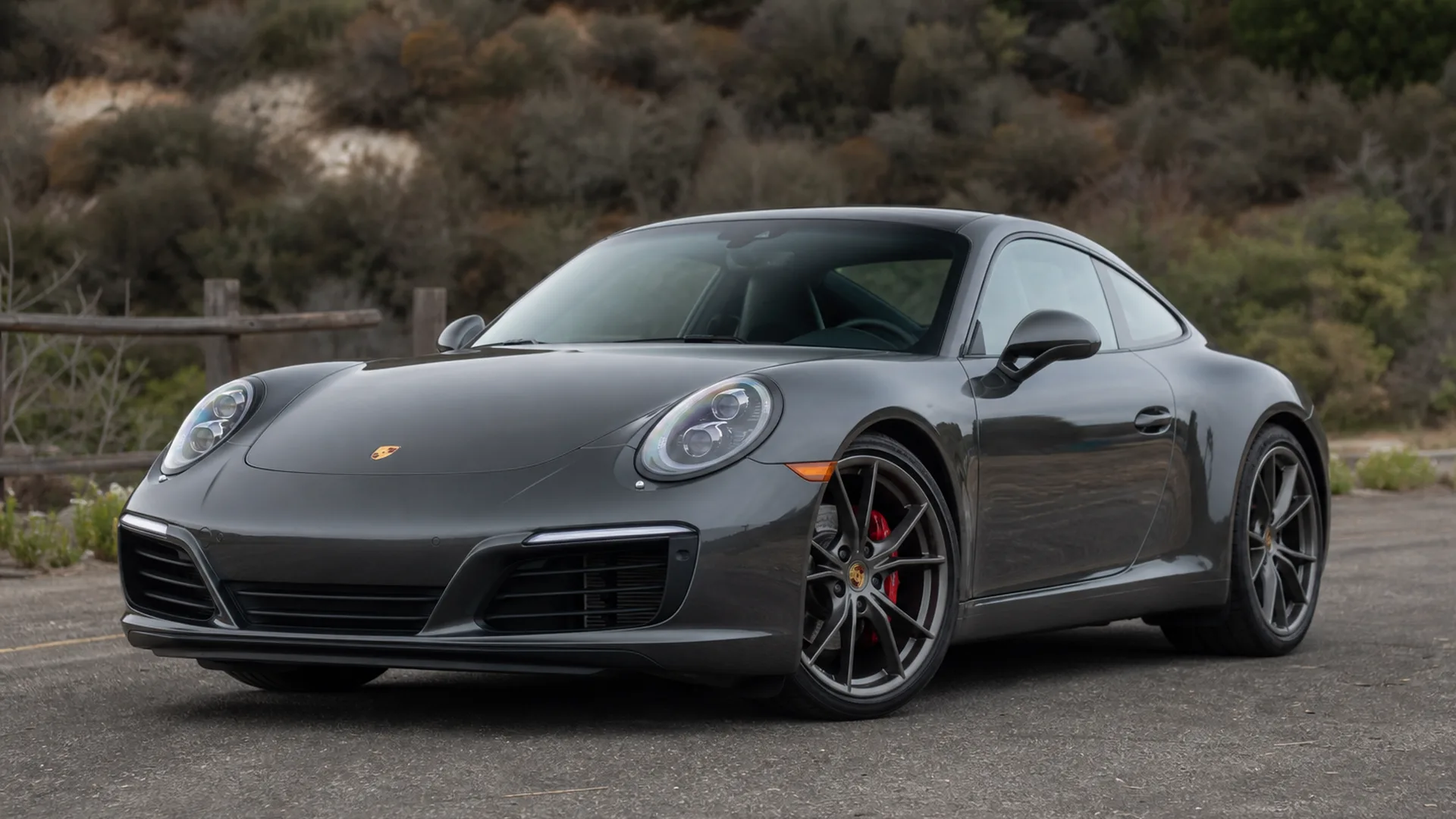
The Porsche 911 has earned its reputation as one of the most reliable sports cars ever built. Its blend of everyday usability and track-ready performance makes it a dream car for enthusiasts worldwide. When the 991 generation arrived in 2012, it promised to push that legacy even further—bringing a larger chassis, electric steering for the first time, a groundbreaking 7-speed manual transmission, and updated technology that finally dragged the 911 into the smartphone era.
On paper, it all sounded perfect. In reality, some of those innovations came with real ownership risks. Early 991 years introduced new systems that hadn’t been fully proven, and buyers who didn’t do their homework ended up facing five-figure repair bills. If you’re shopping for a used 991 (prices typically run from $60,000 to over $120,000), buying the wrong year can turn a dream car into a financial headache. This guide reveals which Porsche 991 years carry the highest risk, which are the safest bets, and exactly what to watch for before you hand over a deposit.
How we rated the best and worst Porsche 991 years
We pulled data from the NHTSA recall and complaint database, Porsche Technical Service Bulletins covering everything from engine and cooling issues to PDK transmission quirks, and warranty extension notices (especially the 991.2 water pump and thermostat extensions that Porsche quietly issued). We cross-referenced those official sources with thousands of owner reports on Rennlist, 911UK, and PistonHeads forums, along with insights from independent Porsche specialist shops that see these cars daily.
What makes this guide different is the split-generation analysis: we compared early vs. late 991.1 reliability, then examined how the 991.2’s switch to turbocharging changed the ownership equation. We also looked at global data from U.S., UK, and European owners to spot patterns that might not show up in a single market. The result is a complete picture of which years are worth buying and which ones you should walk away from.
The Most Common Porsche 991 Problems
The 991 doesn’t suffer from catastrophic design flaws like the IMS bearing failures that plagued earlier 911s. But it does have a handful of recurring weak spots that show up across the generation. Here’s what you need to know before you test drive one.
1. Engine and Cooling Complaints
The flat-six engines in the 991 are fundamentally solid. You won’t find the kind of ticking time bombs that made owners of older 996 and 997.1 models nervous. That said, certain components do fail more often than they should.
Ignition coil packs can die without warning, triggering misfires and rough running. Crankshaft position sensors sometimes fail when the engine gets hot, causing the car to stall or cut out at low RPM—not exactly confidence-inspiring when you’re merging onto a highway. Early 991.1 models also had issues with leaky hydraulic belt tensioners that could spray oil onto the accessory drive belt, affecting the alternator and power steering.
The cooling system is generally reliable, but coolant valves and sensors can trigger warning lights even when nothing catastrophic is happening. Water pumps wear out over time and can develop leaks, especially as mileage climbs. On the 991.2 (2017 and later), Porsche added turbochargers, which introduced new cooling challenges. Early 991.2 cars had coolant lines running to the turbos that were prone to leaking at the fittings. Porsche updated those lines, but if you’re looking at a 2017 model, you’ll want confirmation that the fix was done.
Some early 2017 engines also burned oil at alarming rates—up to a quart every 1,000 miles in the worst cases. Porsche ended up replacing entire engines under warranty for a handful of affected cars. The electronically controlled thermostat is another weak point; when it fails (usually stuck open), you’ll get a check-engine light and the car may not warm up properly. Updated thermostats are more reliable, so check if the car you’re considering has had this addressed.
2. Transmission Trouble Spots
The 991 introduced the world’s first 7-speed manual transmission in a production car. It was an engineering achievement, but early versions earned a reputation for feeling notchy and vague. Owners reported difficulty getting into 7th gear, and in rare cases the gearbox would pop out of gear entirely. Porsche refined the manual for 2016 and later models with shorter throws and revised gear selectors, so if you want a stick shift, aim for those later years.
The PDK dual-clutch automatic is widely praised for its lightning-fast shifts and overall reliability. Most problems trace back to skipped maintenance. Porsche originally marketed the PDK as “sealed for life,” but later revised that recommendation to fluid and filter changes every four years or 40,000 miles. If those services get ignored, you can end up with mechatronic failures or sensor glitches. A bad shift actuator or sensor might throw a scary error like “Transmission Fault – possible no R gear,” leaving the car stuck in gear. These failures are rare, but when they happen, repair costs are steep.
Clutch wear on manual-transmission cars varies wildly depending on how the car was driven. Aggressive track use can burn out a clutch in 20,000 miles, while gentle street driving might see 80,000 miles or more. A pre-purchase inspection should always check for clutch slippage and any signs of a rear main seal leak that could contaminate the clutch disc.
3. Electrical Gremlins and Tech Frustrations
The 991’s electrical system is miles ahead of earlier 911s, but it’s not perfect. Random warning lights sometimes pop up, and the culprit is often something as simple as a weak battery or a blown fuse. The auto start-stop feature, for example, can stop working just because of low battery voltage. If the car sits unused for weeks (a common scenario for weekend toys), the battery can drain and trigger a cascade of fault codes. Many owners keep their 991s on a trickle charger to avoid these headaches.
The 991.1’s PCM infotainment system can struggle with Bluetooth connectivity and newer smartphones. A firmware update usually fixes this, but it’s one more thing to check. The 991.2 (2017–2019) got an upgraded PCM with Apple CarPlay, which solved most of the tech complaints. Other occasional quirks include failing frunk release switches, parking brake actuator issues, and alarm sirens that stop working, but these are relatively uncommon.
4. Brakes and Suspension Wear
Porsche’s brake systems are built for performance, but they require regular attention. Cars with steel brakes (standard on base Carreras) use drilled rotors that can develop small cracks between the drill holes over time, especially after track use. Cracked rotors are a safety issue and need to be replaced. Porsche Ceramic Composite Brakes (PCCB) are optional on Carrera S models and standard on GT3 and Turbo S trims. They last much longer than steel brakes on the street, but when they do wear out, replacement costs are astronomical—a single PCCB rotor can cost as much as replacing an entire steel brake setup.
The suspension is sophisticated, often with PASM adaptive dampers, and it’s generally durable. But wear-and-tear items do show up as cars age: control arm bushings, sway bar links, leaking shock absorbers, and worn strut mounts have all been reported on older 991.1 cars. These aren’t defects—they’re normal maintenance items on any performance car. But if you test drive a used 991 and hear clunks or notice uneven tire wear, it’s a sign that suspension components need attention.
The electric power steering introduced on the 991 is mostly trouble-free. Some purists complain it doesn’t provide as much feedback as the hydraulic systems on older 911s, but it doesn’t have the pump or hose failures that those earlier setups did.
5. Air Conditioning and Cooling System Vulnerabilities
The 991’s air conditioning works well, but the front-mounted radiators and A/C condensers are positioned low in the front bumper, making them vulnerable to debris and road damage. Leaves can accumulate on the radiators and reduce airflow, causing higher engine and A/C temperatures. Over time, debris buildup can corrode the radiator fins. It’s smart to periodically clean out the front intakes or install aftermarket mesh guards to protect them.
The A/C condensers can also get punctured by stones, leading to refrigerant leaks. If a 991’s air conditioning stops blowing cold, a damaged condenser is often the reason. The compressor itself is generally reliable, so condenser damage is the more common culprit.
One quirk on early 991.2 turbocharged models is water ingestion in the intercoolers, especially in wet or humid climates. Water could accumulate in the intercoolers and get sucked into the engine on startup, causing a brief misfire. Porsche redesigned the intercooler drain to fix this, and aftermarket drain kits are available. It’s not a widespread problem unless the car spends a lot of time in heavy rain, but owners in wet regions should be aware of it.
Recalls and Factory Fixes
The 991 had relatively few major recalls. One important one affected early 2012 Carrera S models: a fuel line quick-connector could rub against a coolant pipe and potentially pop off, causing fuel leakage and a fire risk. Porsche recalled about 1,232 of those 2012 models in April 2012 to replace the fuel line and add a spacer. If you’re looking at a 2012 car, make sure that recall was completed.
Porsche also extended the warranty on certain 991.2 water pumps and thermostat valve blocks to 10 years because of higher-than-expected failure rates. This wasn’t a formal recall, but it’s a recognition that those components had issues. The high-performance GT3 model had an unrelated engine recall in 2014 (a connecting rod fastener defect that led to all 85 U.S. cars getting new engines), but that didn’t affect regular Carrera models.
Which Porsche 991 Years Should You Avoid?
No 991 year is a total disaster. Porsche’s quality control is strong, and even early cars can be reliable if they’ve been properly maintained. But if you want to minimize your risk of expensive repairs, the early years of the 991.1 generation deserve extra caution.
2012–2014: The Early-Production Risk Years
The 991 launched in late 2011 as a 2012 model, bringing a ton of new technology. Anytime a car goes through that much change, there’s a higher chance of teething issues, and the 991 was no exception.
2012 models had the fuel line recall mentioned above, and owners reported a higher rate of crank sensor failures, misfires from bad coil packs, and software glitches in the new 7-speed manual transmission. By 2013 and 2014, most serious problems were rare, but these years still saw sporadic check-engine lights from sticky changeover valves in the intake system and coolant sensor glitches. Some 2012–2013 cars had the hydraulic belt tensioner leak, which could lead to accessory belt slip if left unnoticed.
Suspension wear also starts to show up on these cars now—they’re 10+ years old, after all—so a 2012–2014 model might need new bushings or dampers sooner than a later car. None of these issues make the cars undrivable, and many early 991s had updates performed under warranty or at regular service. But if you’re shopping for one of these years, a thorough service history and a pre-purchase inspection from a Porsche specialist are non-negotiable. Buying a 2012–2014 without those protections can invite a steady stream of little problems that add up fast.
By 2015, Porsche had sorted most of the early quirks. The 991.2 cars (2017 and later) were quite solid from launch. So while the 2012–2014 years aren’t “bad” cars, they’re the ones most likely to surprise you with an unexpected repair bill. If you can afford to aim for 2015 or later, you’ll sleep better at night.
The Safest Porsche 991 Years to Buy
If you want the lowest-risk 991, focus on the later years of the generation. Porsche kept refining the car year after year, and by the end of the run, the 991 was one of the most dependable 911s ever built.
2015–2016: The Best of the Naturally Aspirated Era
These final two years of the 991.1 represent the naturally aspirated 911 at its peak. By 2015, the minor engine and electronics issues from earlier years had been largely resolved, and build quality was at its highest. Owners of 2015–16 Carreras report very few problems—these cars are consistently described as safer and more trouble-free than the 2012–2014 batch.
You’re still getting the beloved 3.4L or 3.8L flat-six with no turbos, which means a more linear power delivery and the classic 911 sound. If you favor that traditional free-breathing flat-six experience, a 2015 or 2016 Carrera or Carrera S is the sweet spot. Prices for 2016 models especially (the last naturally aspirated 911 Carrera) have held strong because enthusiasts recognize their value. These cars also benefited from mid-cycle updates like the improved shifter mechanism on the 7-speed manual and updated PCM software. In short, 2015–16 models have the lowest incidence of issues among 991.1s and make an excellent used buy.
2017–2019: The Most Reliable 991s Ever Built
The 991.2 facelift brought new turbocharged engines and a host of upgrades, and every year of the 991.2 is well-regarded. Porsche’s reliability record with these cars is very high. Minor niggles like the occasional battery-related electrical warning were noted, but these are easy to fix—often just a new battery.
The 3.0L twin-turbo flat-six introduced in 2017 delivers tremendous performance, and aside from the early oil-consumption cases affecting a small number of 2017 engines, it’s proven durable. By 2018–2019, any such engine issues were resolved in production. Later 991.2s benefit from all the running updates—improved intercooler drain systems to prevent water ingestion, and the latest PCM with Apple CarPlay, which finally brings modern tech into the cabin.
Owner forums and consumer reports show almost no recurring complaints for 2018 and 2019 model year 911s. These cars mostly required just routine maintenance. If your budget allows, a 2017+ 991.2 is arguably the best buy: you get a newer car with more tech (and possibly remaining factory warranty or CPO coverage on 2019s), and you sidestep many of the known issues of the earlier 991.1. Reliability data indicates 2017–2019 models have virtually no common problems of note—they’re among the most dependable 911s ever. For a buyer seeking peace of mind and modern performance, any 991.2 year is a top pick.
What If You Want Something Different?
The 991 is an incredible car, but it’s not the only option if you want a thrilling sports car with strong reliability. Here are a few alternatives—both within the Porsche family and from other manufacturers—along with the model years that make the most sense.
Porsche 997.2 Carrera (2009–2012): More Analog, Proven Reliability
The 997.2 was the generation immediately before the 991, and it shares much of the same proven powertrain technology. The 2009–2012 Carrera and Carrera S use the 9A1 (also called MA1) 3.8L flat-six engine, which is the same basic design used in the 991.1. It’s very reliable. More importantly, the 997.2 did away with the IMS bearing and rear main seal troubles of earlier 996 and 997.1 cars, so it’s a solid choice for a naturally aspirated 911 without those legacy worries.
Enthusiasts often love the 997.2 for its hydraulic steering and slightly smaller, more visceral feel compared to the larger 991. Performance-wise, a 997.2 S isn’t far off a base 991.1. If you prefer a more analog feel and don’t mind a slightly older interior, a 2010 or 2011 Carrera S can be a fantastic alternative. These years had all the 997.2 updates and no major weaknesses.
Just like the 991, you’ll want one with a good maintenance history—regular oil changes are key to preventing the rare bore scoring issues that some of these engines can develop (though those are extremely uncommon). In summary, the 997.2 offers a slightly more raw driving experience and has proven longevity, making it a worthy alternative for those who value simplicity and tactile feedback.
Porsche 992 Carrera (2020–2021): The Newest Tech, Minimal Risk
If your budget allows you to consider the next generation, the 992 launched for 2020 and builds on the 991’s strengths. The 992 is a bit larger and heavier than a 991, but it offers further refined handling, a modern interior, and even more performance. All 992 Carreras have twin-turbo engines (a continuation of the 991.2’s 3.0L platform) and come with advanced tech and safety features.
Early 992 models (2020–2021) have shown excellent reliability so far. Being newer, many 992s are still under factory warranty as of 2025, which is a big plus for peace of mind. The 992 finally offers modern conveniences like a full touchscreen interface, Apple CarPlay and Android Auto, and improved driver aids, addressing the tech shortcomings of the 991 era. The trade-off is cost—a 992 will be significantly more expensive on the used market than a 991. But if you want the latest and greatest 911 with minimal concern for repairs, a 2020 or 2021 992 is an excellent alternative to a late-model 991.