
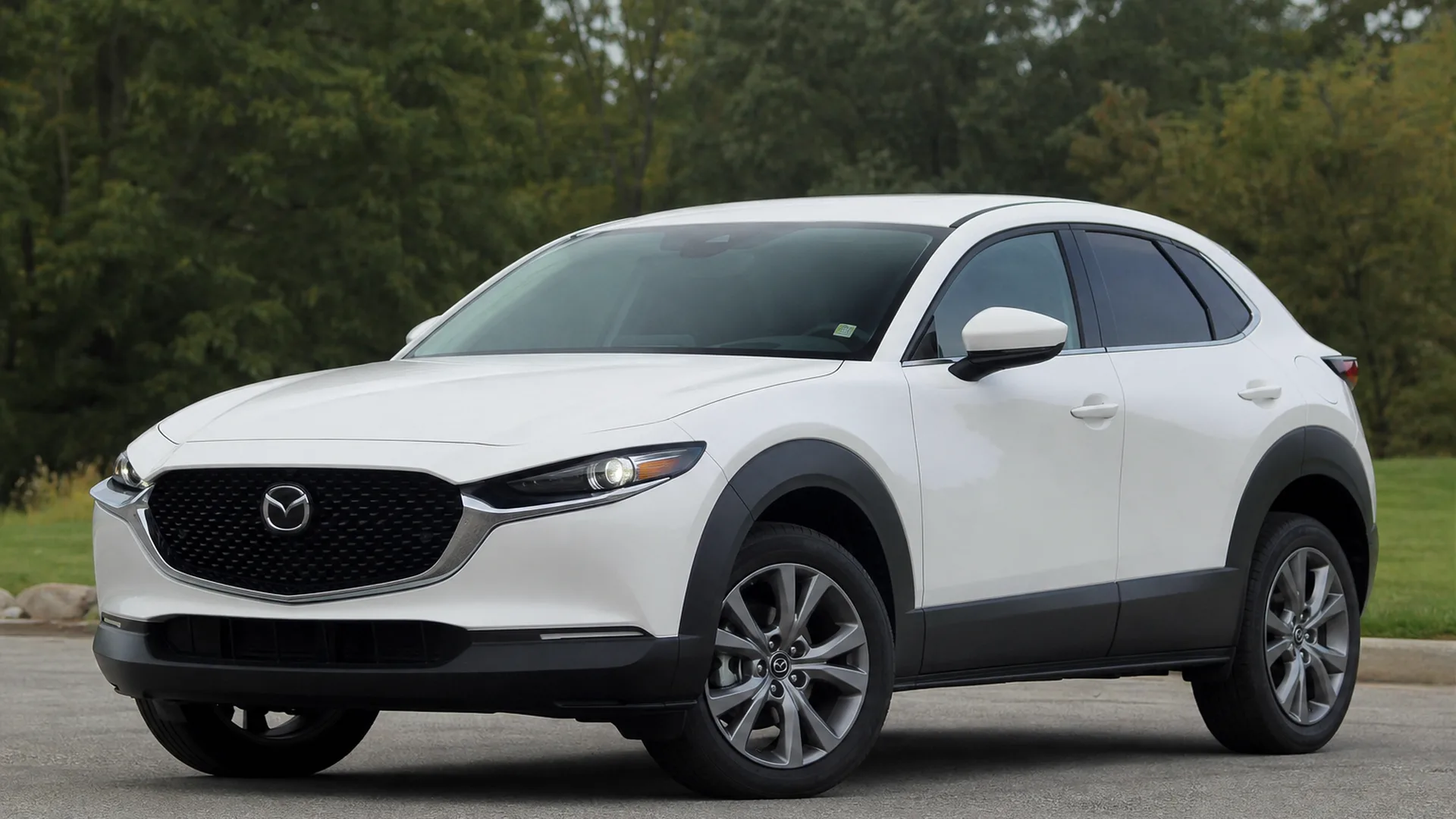
Mazda built a solid reputation with vehicles like the MX-5 Miata and CX-5, so when the CX-30 arrived in 2020, expectations ran high. This stylish subcompact crossover promised to fill the gap between the tiny CX-3 and larger CX-5, offering premium materials and sporty handling in a compact package. Early reviews praised its upscale interior and top-tier crash test scores.
But here’s the reality check: several Mazda CX-30 model years have been plagued with oil consumption issues, dead batteries, buggy infotainment systems, and multiple safety recalls. Some years are definitely better than others, and knowing which ones to skip can save you thousands in repair bills.
How we rated the best and worst Mazda CX-30 years
Our team analyzed five years of CX-30 data to give you the complete picture. We pulled complaint records from NHTSA‘s database, tracked every recall issued by Mazda USA and international markets, and reviewed technical service bulletins that dealers use to fix common problems.
We also studied owner experiences from CarComplaints, Edmunds long-term tests, and popular Mazda forums where real drivers share their repair costs and frustrations. This isn’t just theory—it’s based on what actual CX-30 owners have experienced since 2020.
Our research covers all CX-30 variants sold in North America, including base Select, mid-level Touring, Premium, and Turbo models. Since the CX-30 shares its platform with the Mazda3, we also cross-referenced recall patterns between the two vehicles.
Most Common Mazda CX-30 Problems
1. Oil Consumption Crisis in Turbo Models
The biggest headache affects 2021-2022 CX-30 Turbo models with the 2.5L SkyActiv-G engine. Faulty exhaust valve stem seals let oil burn off at an alarming rate—some owners reported adding a quart of oil every 1,000 miles. Mazda eventually settled a class-action lawsuit and now covers valve seal repairs under an extended warranty, but many owners dealt with months of back-and-forth with dealers before getting fixes approved.
Non-turbo CX-30s don’t have this problem, and the engines are generally solid performers.
2. That Annoying Transmission Chirp
Here’s a weird one: many CX-30s with automatic transmissions make a high-pitched squeak or chirp when shifting from third to fourth gear. It’s most noticeable during light acceleration around 35-45 mph. Mazda issued a technical service bulletin in November 2023 calling for torque converter replacement to fix the noise.
The transmission itself works fine—it’s just really annoying. Some owners describe it as sounding like a bird trapped in the engine bay.
3. Dead Battery Blues
2021 CX-30s have a nasty habit of draining their batteries overnight. Owners wake up to completely dead cars, even when parked for just 8-10 hours. The problem seems related to electronic modules staying active when they should shut down, but Mazda hasn’t issued a definitive fix. Many owners have replaced batteries multiple times under warranty.
4. Infotainment Headaches
The Mazda Connect system is frustrating on the best days, but CX-30s take it to another level. Common complaints include:
- Touchscreen freezing and requiring restarts
- GPS losing signal or providing wrong directions
- Bluetooth connections dropping randomly
- Slow response times that make simple tasks annoying
Base models without touchscreens actually work better since they rely on the central control knob instead.
5. Safety Recall Roundup
The CX-30 has been hit with several safety recalls across different years:
2020: Loose brake caliper bolts (could cause brake failure) and fuel hose leaks on AWD models
2021: Defective tire valve stems and liftgate software issues
2022-2023: ABS control module failures that reduce braking performance
2024: Forward-facing camera malfunctions that disable automatic emergency braking and lane-keeping assist
Always check your VIN against NHTSA’s recall database before buying any used CX-30.
6. Climate Control Quirks
While not a major safety issue, some 2023-2024 CX-30 owners report weird air conditioning behavior. The fan might slow down unexpectedly or cooling might take longer than expected on hot days. No recalls have been issued yet, but it’s something to test during any test drive.
The Worst Mazda CX-30 Years to Avoid
2023: The Problem Child
Despite being newer, the 2023 CX-30 gets our “worst year” award. This model year combines multiple headaches: the transmission chirp problem, ABS module recalls, ongoing infotainment bugs, and higher-than-average repair costs according to warranty claims data.
Many 2023 owners report spending more time at the dealer in their first year than they expected. Unless you need the absolute latest features, skip this year.
2020: First-Year Growing Pains
Launch years are always risky, and the 2020 CX-30 proves why. It had the most recalls of any model year—three separate campaigns covering brakes, fuel systems, and software. Early production models also suffered from loose interior trim pieces and inconsistent paint quality.
Mazda worked out most assembly issues by late 2020, but early production examples can still surprise you with random problems.
2021: High Volume, High Problems
More 2021 CX-30 complaints have been filed with NHTSA than any other year. The battery drain issue peaks in this model year, and it’s when the turbo oil consumption problem first appeared. Add in recalls for tire valves and liftgate software, and you’ve got a year that keeps mechanics busy.
If you find a 2021, make sure all recalls have been completed and avoid turbo models unless the valve seals have been replaced.
The Best Mazda CX-30 Years to Consider
2022: The Sweet Spot
Here’s where Mazda finally got it right. The 2022 CX-30 has virtually zero complaints filed with NHTSA—a dramatic improvement over previous years. By this point, Mazda had worked out the early production issues and refined both the assembly process and software systems.
A late-2022 model gives you most of the features you want without the headaches of 2023. It’s often our top recommendation for used CX-30 shoppers.
2021: Decent If Done Right
Despite its problems, a properly maintained 2021 CX-30 can be a good choice if the price is right. Stick to non-turbo models, verify all recalls have been completed, and make sure the battery tests strong. Many 2021s come with remaining factory warranty, which helps if something does go wrong.
The key is finding one that’s already had its problems sorted out by the previous owner.
2024: Promising but Unproven
The newest CX-30s come with updated software and improved build quality. Aside from the forward camera recall affecting some early 2024s, this model year shows promise. The problem is limited long-term data—we won’t know about any developing issues until more miles accumulate.
If you’re buying new, 2024 is worth considering. For used buyers, wait another year or two for more reliability data.
Better Alternatives Worth Considering
If CX-30 reliability concerns have you looking elsewhere, these subcompact SUVs offer similar size with better track records:
Subaru Crosstrek (2018-2024): Standard AWD and a reputation for going anywhere. The 2018+ generation fixed most CVT issues from earlier years. Great for outdoorsy types who need reliable transportation.
Toyota Corolla Cross (2022-2024): Toyota’s reliability reputation speaks for itself. The hybrid version delivers excellent fuel economy, though it’s not as fun to drive as the Mazda.
Honda HR-V (2020-2024): More interior space than the CX-30 and Honda’s solid reliability record. The 2020+ redesign fixed transmission issues from the previous generation.
Hyundai Kona (2022-2024): Sportier styling and good value, but avoid 2018-2020 models that had serious engine fire recalls. Newer versions use updated powertrains.
Kia Seltos (2021-2024): Slightly larger than the CX-30 with competitive features and Kia’s improved quality. Shares some components with the Kona but has been trouble-free so far.
Each of these alternatives has trade-offs, but all offer more predictable ownership experiences than problematic CX-30 years.
Smart Shopping Tips for CX-30 Buyers
Check the VIN: Always run the VIN through NHTSA’s recall lookup tool before buying. Some recalls weren’t completed by previous owners.
Avoid Turbo Models: Unless you need the extra power, stick with naturally aspirated engines. They’re more reliable and less expensive to maintain.
Test Everything: During your test drive, cycle through all infotainment functions, test the climate control, and listen for any transmission noises during 35-45 mph acceleration.
Consider Certified Pre-Owned: Mazda’s CPO program includes a thorough inspection and extended warranty. It’s worth the extra cost for peace of mind on a CX-30.
Budget for Potential Repairs: Even good CX-30 years might need battery replacement or software updates. Factor an extra $500-1,000 into your ownership budget for the first two years.
The Bottom Line
The Mazda CX-30 can be a great little SUV when you pick the right year. Avoid the problem-prone 2020, 2021, and 2023 models unless you find an exceptional deal and can verify all issues have been addressed. Your best bets are 2022 for used buyers or 2024 if buying new.
Remember, even the best CX-30 years require staying on top of recalls and software updates. But pick wisely, and you’ll get Mazda’s trademark driving enjoyment without the constant dealer visits that plague the worst model years.
A well-chosen CX-30 delivers premium features, solid safety ratings, and engaging driving dynamics. Just make sure you’re choosing one of the good ones