
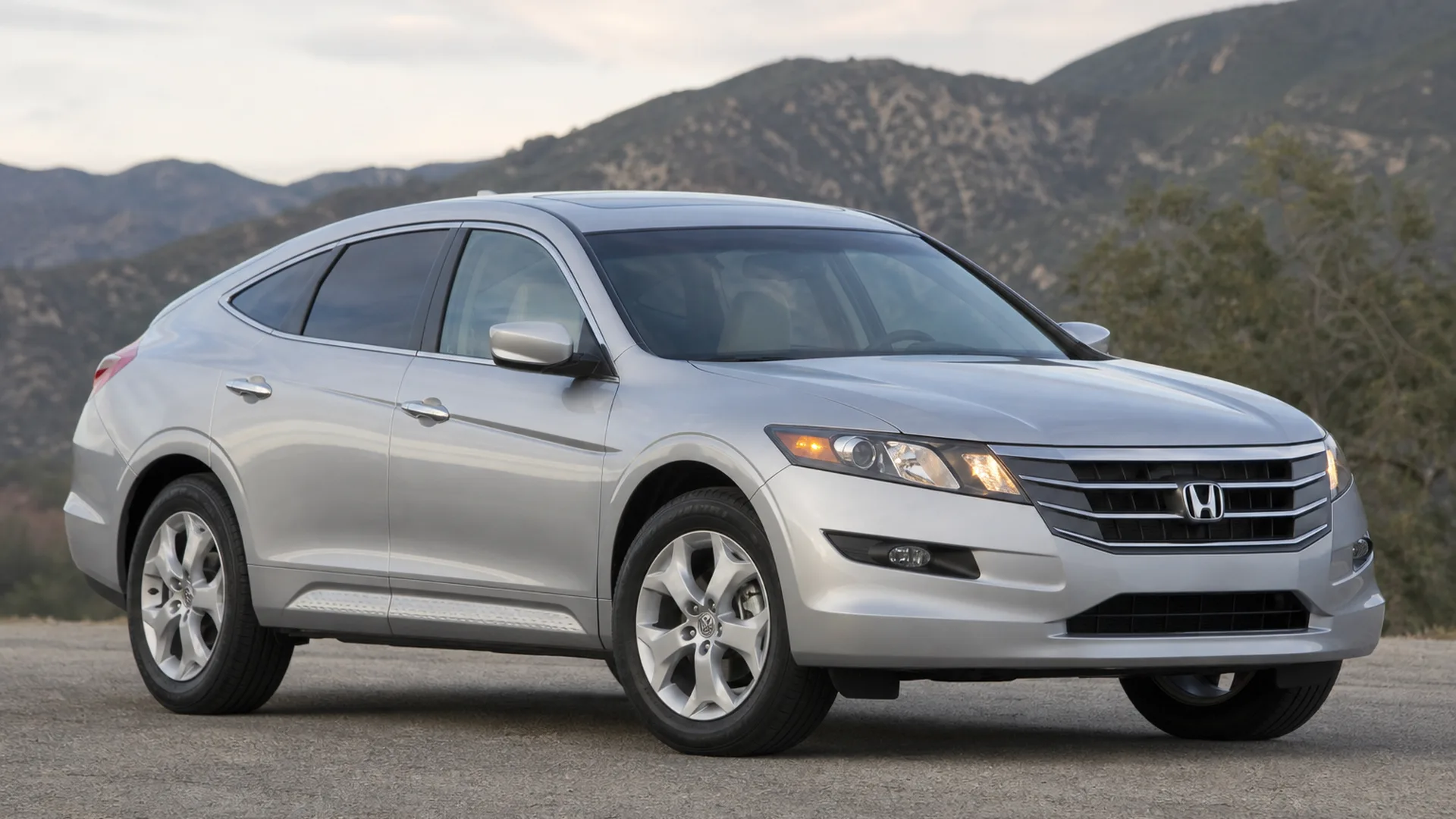
The Honda Crosstour tried something different—it mixed Accord comfort with crossover versatility, offering V6 power and a spacious hatchback in an upscale package. For buyers who wanted something between a sedan and an SUV, it seemed like the perfect fit. But here’s the catch: while Honda built its reputation on reliable vehicles, certain Crosstour years came with enough problems to make even loyal Honda fans think twice.
If you’re shopping for a used Crosstour, knowing which years to skip—and which ones deliver solid performance—can save you from expensive repairs and frustrating breakdowns. This guide breaks down the most troublesome Crosstour years, reveals which models are worth your money, and suggests smarter alternatives if you decide to look elsewhere.
How we rated the best and worst Honda Crosstour years
We didn’t just rely on rumors or anecdotes. Our team dug through official NHTSA complaint records to see which years had the highest problem density. We cross-referenced data from CarComplaints.com, analyzed owner reports on Honda Crosstour Forums and HondaProblems.com, and reviewed J.D. Power reliability scores alongside Consumer Reports assessments.
Honda’s own technical service bulletins—especially TSB 16-002 addressing starter issues and documentation around VCM oil consumption—gave us insight into problems Honda acknowledged but didn’t always recall. We also studied expert commentary from CoPilot Search, Engine Patrol, and CarBuzz, plus real owner reviews on Edmunds and Kelley Blue Book. Finally, we compared the Crosstour against competitors like the Toyota Venza, Subaru Outback, and Nissan Murano to give you context on where this Honda fits in the used crossover market.
Most Common Honda Crosstour Problems
Before we call out specific years, let’s talk about the recurring issues that show up across the Crosstour lineup. No car is perfect, but understanding these trouble spots helps you inspect any used model before handing over cash.
1. The V6 Oil-Burning Problem:
Honda’s Variable Cylinder Management system was supposed to improve fuel economy by deactivating cylinders when you didn’t need full power. Instead, it created an oil consumption headache. Early Crosstours (especially 2010–2011) burned through oil quickly enough that owners had to check levels between oil changes. Fouled spark plugs, rough idling, and even potential engine damage followed. Honda settled a class-action lawsuit over V6 oil consumption and extended warranties for affected vehicles, but if you buy a used 2010 or 2011, verify whether the piston ring fix was done. Many owners install VCM disablers to prevent the problem from coming back.
2. Shuddering Drivetrains:
Some Crosstours shake or vibrate when accelerating, particularly between 20 and 60 mph. The 2012 model had the most complaints about this. Sometimes the culprit is a bad axle or driveshaft, other times it’s worn engine mounts. Replacing the faulty part usually solves it, but it’s an annoying issue that shouldn’t happen in a well-maintained Honda. The 5-speed automatic (2010–2012) and 6-speed automatic (2013–2015) are generally solid transmissions, so the shuddering points to drivetrain components rather than the transmission itself.
3. Brakes That Wear Too Fast:
If you test-drive a Crosstour and hear squeaking or feel pulsing when you brake, that’s a red flag. The 2012 model year stands out for premature brake wear—some owners needed new pads and rotors by 30,000 miles. Excessive brake dust and warped rotors suggest Honda may have used softer brake materials on early models. Swapping to higher-quality aftermarket pads and rotors usually fixes the problem, but budget for this if you buy an older Crosstour.
4. Starter Motor Failures:
Push the start button and hear grinding or buzzing? That’s the starter motor failing to engage properly. This problem hit 2013–2015 Crosstours hard enough that Honda issued Technical Service Bulletin 16-002, though they never issued a formal recall. Some cars needed multiple starter replacements. If you’re looking at a 2013–2015 model, listen carefully during startup. A healthy starter fires up smoothly without any unusual noises.
5. Sudden Steering Loss:
This one’s serious. The 2013 Crosstour had reports of power steering failing without warning—owners described the steering wheel becoming extremely hard to turn or even locking up mid-drive. An EPS warning light would appear, but by then you’re already wrestling with the wheel. Honda traced it to a faulty power steering module but didn’t recall the issue. If you’re considering a 2013, get documentation that this repair was completed or walk away.
6. Takata Airbag Recall:
Every Crosstour from 2010–2015 falls under the massive Takata airbag recall. Faulty inflators can rupture and spray metal fragments into the cabin. This recall affected millions of vehicles across many brands, not just Crosstours. Before buying any used Crosstour, run the VIN through NHTSA’s recall checker to confirm the airbag fix was completed.
Smaller Annoyances:
Rear cargo hatch struts sometimes lose pressure, causing the liftgate to drop unexpectedly. Suspension clunks pop up occasionally but aren’t widespread. Air conditioning failures (refrigerant leaks, compressor issues) happen as these vehicles age, though they’re not model-specific problems. Early Crosstours lack modern tech—no touchscreen on base trims, dated infotainment, zero driver-assist features. Even the 2015 won’t have collision avoidance or adaptive cruise control.
Honda Crosstour Years to Absolutely Avoid
2013: The Crosstour’s Worst Year
If there’s one year to cross off your list immediately, it’s 2013. Honda refreshed the Crosstour that year with a new Earth Dreams V6 and updated styling, but the changes brought more problems than improvements. The 2013 model logged over 80 complaints—more than any other year—and earned multiple recalls. The power steering failure stands out as the most dangerous issue. Drivers reported the steering suddenly becoming difficult or locking up without warning, creating a serious safety hazard. Honda identified a faulty steering module as the cause but never issued a recall, leaving owners to pay for repairs themselves.
Starter motor problems plagued 2013-2015 models. Owners described grinding noises on startup and engines that wouldn’t turn over. Some needed multiple starter replacements. Transmission shudder under acceleration frustrated drivers, and electrical gremlins (alternator failures, battery issues) stranded vehicles unexpectedly. When you add it all up—steering failures, starter problems, drivetrain issues, and electrical glitches—the 2013 Crosstour earns its reputation as the most problematic year. Avoid it.
2012: Four Recalls and Counting
The 2012 model year was the first time Honda dropped “Accord” from the name, simply calling it “Crosstour.” It was also the least reliable version of the vehicle. With four separate recalls (the highest count of any Crosstour year) and over 60 owner complaints, the 2012 had enough problems to make it worth skipping. Premature brake wear topped the complaint list—owners found themselves replacing rear pads and rotors far earlier than expected, sometimes before 30,000 miles. The drivetrain vibration issue showed up frequently in 2012 models, often requiring axle or driveshaft replacement.
Interior quality complaints cropped up too—rattling panels, uncomfortable seats, minor electronics issues. None of these problems are catastrophic on their own, but they add up to a car that doesn’t meet Honda’s usual standards. Between the brake wear, vibration troubles, and recall history, the 2012 Crosstour earns a spot on the “avoid” list.
2010: First-Year Problems
Launch-year vehicles often have bugs, and the 2010 Accord Crosstour proved no exception. It gathered 47 CarComplaints reports, the highest count among early Crosstours. The V6 oil consumption issue hit 2010 models hard—engines burned oil fast enough to foul spark plugs and cause misfires. Honda extended the warranty for oil consumption on these early units, but a used 2010 might still have the problem if the piston ring fix wasn’t done. The automatic transmission in 2010 Crosstours received complaints about rough or hesitant shifting, though not as many as the drivetrain vibration complaints that came later.
Being the oldest Crosstour now, the 2010 also shows its age in features. No backup camera or Bluetooth on base trims, outdated infotainment, and an interior that feels dated compared to newer crossovers. While some owners have had trouble-free experiences with 2010 models after addressing the oil issue, the high complaint count and dated technology make it a less appealing choice. If you’re considering a 2010, demand detailed maintenance records and proof that the VCM oil consumption fix was completed.
What About 2014?
The 2014 Crosstour sits in a gray area. Some buyers worry about it because of starter failures and a few oil consumption reports, but the data tells a different story. CarComplaints shows around 50 entries for 2014—far fewer than 2012 or 2013—and no major systemic failures beyond the starter glitch. Many owners report trouble-free experiences with their 2014 Crosstours. Honda addressed several earlier issues by this year, making the 2014 significantly more reliable than its immediate predecessors.
If you look at a 2014, listen carefully when starting the engine. If the starter sounds smooth, the car likely won’t give you much trouble. The 2014 isn’t nearly as problematic as 2012–2013, so it doesn’t belong in the “avoid completely” category. Just verify the starter was fixed and you should be fine.
The Honda Crosstour Years Worth Buying
2015: Honda’s Best Effort
By the time Honda built the final Crosstour, they’d figured out most of the problems. The 2015 model is the most reliable year you can buy, with only about 28 owner complaints logged and just three minor recalls. Honda refined the V6 and electrical system by 2015, so oil consumption and starter failures became rare. The 2015 Crosstour came standard with better fuel efficiency and more safety features—including a backup camera that was optional on earlier years. Owners consistently praise the responsive handling, comfortable interior, and solid build quality of 2015 models.
If your budget allows, the 2015 Crosstour represents your best bet. You get the newest and most sorted version of this vehicle, with fewer headaches and better resale value than earlier years. It’s not packed with modern tech (no adaptive cruise or collision avoidance), but it delivers reliable transportation with Honda’s signature driving dynamics and the Crosstour’s unique hatchback versatility.
2014: Strong Second Choice
The 2014 model benefited from the mid-cycle updates introduced in 2013 but without that year’s bugs. It kept the refreshed styling and more efficient Earth Dreams drivetrain while fixing many of the issues that plagued the 2013. CarComplaints shows only 44 total complaints for 2014—a significant drop from 2012–2013—with no major recurring defects except the starter issue mentioned earlier. Honda didn’t recall the starter, but many were repaired through the technical service bulletin.
The 2014 Crosstour delivered the Accord’s strengths—smooth ride, reliable powertrain, sedan-like driving dynamics—combined with the Crosstour’s versatile hatchback. It’s considered a highly reliable year, and reviewers specifically recommend 2014 models as smart used buys in the midsize crossover segment. Just make sure any 2014 you consider starts reliably (listen for grinding on startup), and you’ll have a great balance of performance and reliability.
2011: Best Early Model
Among the early Crosstours, the 2011 (still badged Accord Crosstour) stands out as a relatively safe bet. Honda addressed some of the initial launch issues from 2010, and owner feedback on 2011 models is largely positive. It earned high consumer ratings from Edmunds and Kelley Blue Book (4.8/5.0 from owners) plus a strong J.D. Power reliability score of 84/100. The 2011 uses the same V6 and transmission as 2010, so oil consumption potential remains, but far fewer 2011 owners reported the issue—only three complaints versus 12 for 2010.
The 2011 had some brake wear issues with rear brakes, but nothing like the scale of 2012’s problems. If you want an older Crosstour for budget reasons, a 2011 model with the VCM oil update performed and solid maintenance history can work well. It offers the same features as 2010 (271 hp V6, available 4WD, leather in EX-L trim) while avoiding the new problems that appeared in 2012–2013.
Better Options if You’re Not Sold on the Crosstour
The Crosstour filled a niche market, but similar crossover wagons might suit you better. Here are three alternatives with their most reliable years.
Toyota Venza (2013–2015): Toyota built the Venza to compete directly with the Crosstour, offering similar car-like driving with SUV cargo space. For maximum reliability, stick to late first-generation Venzas from 2013–2015, as earlier years had electrical and brake problems. A 2014 Venza with the 3.5L V6 delivers strong performance and earns consistently high marks from owners. The styling is more traditional than the Crosstour’s, and you get Toyota’s legendary build quality and resale value. If you like the Crosstour concept but prefer Toyota dependability, a late-model Venza makes an excellent alternative.
Subaru Outback (2013–2015): The Outback dominates the crossover wagon segment with standard AWD, rugged capability, and high owner satisfaction. It has a more wagon-like profile and significantly more cargo room than the Crosstour while offering similar fuel economy. For used Outbacks, look at 2013–2014 models (late fourth-generation) after Subaru improved the powertrain.
The 2014 is especially reliable, avoiding the CVT and oil consumption issues that affected 2010–2012 Outbacks. The 2015+ Outbacks (fifth-generation) added excellent safety tech if your budget stretches to newer models. The Outback gives you higher ground clearance and full-time AWD, making it great for snow or light off-road use. It’s a highly practical alternative that combines wagon versatility with Subaru’s reliability record.
Nissan Murano (2012–2014): If you’re open to a more traditional two-row SUV, the Murano offers a similar mid-size footprint and comfortable, car-like ride. It doesn’t have the Crosstour’s sloping wagon rear, but it provides a plush interior and strong V6 engine. The 2011–2014 Murano (second generation) proved generally reliable—2012–2014 models are rated among the most reliable Muranos built.
These years avoided the CVT transmission problems that plagued some earlier Nissans, and they had no major systemic issues. A 2014 Murano earned a high J.D. Power reliability rating of 86/100 with no serious recalls. The Murano came with features like an available panoramic roof and a very comfortable interior. Its fuel economy and driving dynamics feel more SUV-like (less agile) than the Crosstour’s, but you gain a higher seating position. If you want a crossover with a luxury feel and don’t mind a Nissan, the early-2010s Murano is solid.
You might also consider Honda’s own CR-V or Pilot if you’re flexible on the Crosstour’s unique shape. A Honda CR-V (2012–2016) will be smaller but offers excellent reliability and much higher sales volumes, making parts and service easy to find. A Honda Pilot gives three-row capacity and a proven V6, though Pilots are larger and use more fuel. For a sportier wagon feel, the Acura TSX Sport Wagon (2011–2014) could work—it’s smaller than the Crosstour but delivers Honda reliability in a true wagon design.
Final Advice for Crosstour Shoppers
Walking away from certain years doesn’t mean the Crosstour is a bad vehicle—it means you need to be selective. Skip the 2012 and 2013 models completely. Their combination of steering failures, starter problems, brake issues, and drivetrain troubles make them poor values even at low prices. Be cautious with 2010 because of oil consumption and dated technology. The 2014 sits in the middle—it’s significantly better than 2012–2013 but requires you to verify the starter works properly.
Your best choice is a 2015 Crosstour. Honda’s final year ironed out earlier problems and offers the newest, most refined version of this vehicle. If you can’t find a good 2015, a 2014 with a clean starter repair history works well. Budget shoppers should look at 2011 models with documented maintenance and the VCM oil consumption fix completed.
Before buying any used Crosstour, run the VIN through NHTSA’s recall checker to confirm all recalls